Public Steam disclosure research25,380 disclosures tracked
Where do games disclose AI use?
Search developers’ Steam disclosures, compare classified AI use across
games, and follow recorded changes.
This index adds cross-game classifications and statistics to
statements published on individual store pages.
Groups reflect automatic analysis of public disclosures; mature records are excluded. These counts do not measure AI use across all of Steam.
Missing or unclear statements cannot establish whether a game uses AI.
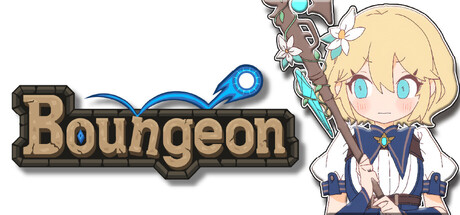
This game was originally written in Chinese, and all non-Chinese localizations were created with the assistance of AI translation.
A part of game music was created by AI.
All other content — artwork, game design — was created by the development team without the use of generative AI.
Portions of this game's art and audio were created using generative AI tools during development: card and character artwork, backgrounds and icons (including store page artwork), music, sound effects, and voice audio were AI-generated under human direction, then curated and edited by the developers. Game design, rules, code, card text and names, and all narrative writing are human-authored. Nothing is generated by AI while you play.
Some of the art assets in this game (such as sprites, icons, and background images) were created with the help of AI generation tools during development. All AI-generated content was reviewed, edited, and curated by the developer to ensure it is appropriate and fits the game. No AI-generated content is created during gameplay.
Generative AI Disclosure
During the development of SandSea Ark, we utilized generative AI tools (such as Claude) to assist with:
1. Code writing and debugging: AI-assisted generation and optimization of GDScript code to improve development efficiency.
2. Data configuration: Assistance in maintaining game data tables and configuration files.
3. Documentation: Some technical documents and changelogs were generated with AI assistance.
The following content was NOT generated using AI:
- Game art assets, UI design, and scene layouts
- Core game design, mechanics, and balance tuning
This game does not contain live-generated AI content — all in-game content is pre-designed and hand-crafted. The game does not dynamically generate text, images, or audio during gameplay.
No art or sound generation was used. Some help for coding the complex in-game enemy AI interactions were utilized from LLM models. Also the game analysis was made with coding help.
Some of this game's shipped assets were created with the assistance of generative AI tools, all reviewed and curated by our team: 3D models and their textures (generated from our team's original concept designs), 2D illustrations and UI artwork, music and sound effects, and AI-assisted translations of in-game text for some supported languages. All AI-generated assets are used under commercial licenses with full usage rights. No content is generated while the game is running, and the game does not connect to any external AI service.
Some in-game visual assets were created or refined using generative AI during development. These assets are pre-generated and included with the game. The game does not generate AI content while running.
The development of Memento made use of generative AI tools across several stages of production. Cutscenes are created using AI-based video generation tools. Graphic elements such as environments, characters, and card illustrations were created or refined with the help of generative AI tools. Parts of the soundtrack and text were also produced with AI assistance. All content was manually selected, edited, and integrated by the developer.
Some game text, procedural artwork, sound effects, and store page copy were created with AI assistance, then reviewed and curated by the developer. Character and enemy sprites are licensed, human-made pixel art. No content is AI-generated during gameplay.
The game features hundreds of unique collectible cards. As a solo developer, creating every card from scratch would be extremely time-consuming, so the majority of the collectible card artwork was generated using AI. This allows more time to be spent improving the game’s core feel and other key systems. The cards will continue to be revised throughout development.
This game used generative AI as an assistive tool for translation and localization, and for producing some sound effects and music. All final text and audio were reviewed, edited, and approved by humans before inclusion.
Campfire Battles is our attempt to bring an idea to life as a two-person team. AI tools helped us work quickly, particularly on the coding side, but every piece was reviewed and refined by hand.
AI image-generation tools were used to create the background illustrations, card illustrations, and other visual assets for this game. AI tools were also used to produce the background music (BGM), based on melodies I composed.
During development we used generative AI tools to create some content that ships in the game:
- Visual art: Some 2D art (card illustrations, store/capsule art, boss and deity illustrations, UI seals, and marketing images) was generated with an image model, then hand-edited, composited, and curated by us.
- Music: The looping background music tracks were generated with an AI music tool, then edited and mastered (trimmed and crossfade-looped) by us before inclusion.
- Text / localization: Some in-game text and its translations (Traditional Chinese, Simplified Chinese, English) were produced with AI assistance and then reviewed and edited by us.
All AI-generated content was reviewed by a human before shipping.
We have confirmed our right to use these tools' output commercially, and have taken steps to ensure the content does not infringe third-party IP.
Generative artificial intelligence has been used to generate store page thumbnails based on the developers artwork. All in game artwork has been drawn by hand by the developer.
Some art assets in this game were created during development with generative AI tools (ChatGPT, Google Gemini, and Leonardo.ai), then manually selected and adjusted by the developer before release.
Music and sound effects are sourced from CC0 assets on OpenGameArt.org and were not AI-generated.
The game uses Generative AI for the following in a Static manner nothing is dynamically generated I have used some of it for: Some Card Art, Some Event Art and finally Localization - Please try the free demo before purchase if you require a language other than English to see if its workable. Thank you!
We use AI to assist with game development, including code, translations, and the creation of background assets. The game does not use any real-time AI systems.
Some of the visual art in this game including card, Relic, and background artwork was created with the help of generative AI tools during development.
All AI generated content was reviewed, curated, and edited by the developer to fit the game's style and quality standards.
Some 2D art assets in this game (such as certain face-card portraits and mascots) were created with the assistance of AI image-generation tools and then hand-edited and composited. All game design, code, writing, and music are human-authored, and all store screenshots are captured from real gameplay. No AI-generated content is produced live during gameplay.
Some of Tapis's visual assets were created with the help of generative AI tools. These elements are produced ahead of time, then art-directed, selected and reworked by the studio to fit the game's world. No AI generates any content while you play: the gameplay, rules, balancing and all systems are entirely designed and hand-validated.
Card illustrations and some in-game artwork were pre-generated using generative AI image tools, then curated, edited and integrated by our team. All game design, code, writing and final art direction are human-made. The game does not generate any content with AI at runtime.
Ridiculous Games employs artists, designers and programmers to make our games. We used generative AI to help create this game. It's part of what lets a small team build a game like this. We believe in being transparent about the tools we use, but they're only tools. Every part of this game is reviewed, refined, and curated by our team to meet our creative vision and quality standards, and we hope you'll enjoy the game for the experience it delivers.
Card face art, in-game icons, and some store artwork were generated with locally-run image-generation models (Qwen-Image), then curated and composited by the developer. No AI content is generated at runtime.
Being a small 2 person team in a startup studio working on this project while juggling other responsibilities; we used AI to generate base artwork that we then modified. We strived to use a fantasy theme based on Cubism as an art style so we wouldnt be ripping a specific artist's work.
All Artwork in game has been edited to fit the game, there is no raw AI content present.
I’m a User Experience Designer by day, and making a game has been a childhood dream of mine. I used generative AI as part of my development process, including helping with code and creating visual assets. Every asset included in the final game was personally selected, refined, placed, and directed by me to match the game’s overall vision.
Some visual assets, concept art, character portraits, promotional images, and store-related materials may be created or assisted using generative AI tools. All AI-assisted content is reviewed and edited by the developer before use. The game does not use real-time AI generation during gameplay.
This game's art and music were created during development using generative AI tools. Specifically: the painted 2D illustrations — card art, event illustrations, and background images — were generated with AI image tools, and the background music tracks were produced with AI music tools. In every case the developer reviewed, selected, edited, and finalized the results, which ship as fixed image and audio files.
Generative AI was used during development to assist in creating some pre-generated visual assets for the game and its promotional materials, as well as parts of the English localization. All AI-assisted content was reviewed by the developer and edited where necessary. No content is generated by AI while the game is running.
This game uses generative AI during gameplay to create an original in-game character called a "Logos" for use by that player. Based on text entered or selected by the player, the AI generates a 2D illustration of the Logos in real time, along with its name, flavor text, and similar content. The generated Logos can be added to your deck and used to progress through the game.
The game also includes pre-generated AI content: enemy and event illustrations were created with Adobe Firefly during development. Generation is performed using cloud-based external AI services (Adobe Firefly for image generation, OpenAI for text generation).
The words entered by the player, generation conditions, and the data of the generated Logos are sent to and stored on our server. These records are used to provide the generation feature, review reported results, and investigate errors. A generated Logos is visible only to the player who created it and is not shared with other players.
Some information required for generation is sent from our server to external AI services. Data sent from our server to these services is not used to train or improve their models. Please do not enter any personal information, such as your name or contact details, or any confidential information you would not want third parties to know.
Some artwork, music, text, and translations in this game were initially created with the assistance of AI tools, and were then manually edited, revised, or recreated by the developer.
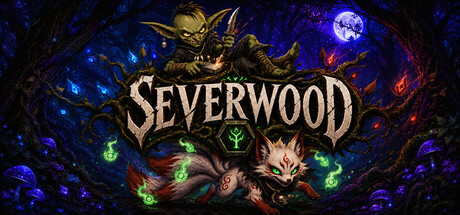
Severwood uses generative AI as part of its development. Many visual assets — including character art, backgrounds, and card illustrations — were created with the assistance of AI image-generation tools, then selected, edited, and assembled by the developer to fit the game's art direction. Some code was written with AI assistance, directed and reviewed by the developer. Game design, writing, planning, and systems are created and directed by the human developer. No AI-generated content is produced live during gameplay; all assets are fixed and were finalized during development.
This game was originally written in Chinese, and all non-Chinese localizations were created with the assistance of AI translation.
A part of game music was created by AI.
All other content — artwork, game design — was created by the development team without the use of generative AI.
Portions of this game's art and audio were created using generative AI tools during development: card and character artwork, backgrounds and icons (including store page artwork), music, sound effects, and voice audio were AI-generated under human direction, then curated and edited by the developers. Game design, rules, code, card text and names, and all narrative writing are human-authored. Nothing is generated by AI while you play.
Some of the art assets in this game (such as sprites, icons, and background images) were created with the help of AI generation tools during development. All AI-generated content was reviewed, edited, and curated by the developer to ensure it is appropriate and fits the game. No AI-generated content is created during gameplay.
Generative AI Disclosure
During the development of SandSea Ark, we utilized generative AI tools (such as Claude) to assist with:
1. Code writing and debugging: AI-assisted generation and optimization of GDScript code to improve development efficiency.
2. Data configuration: Assistance in maintaining game data tables and configuration files.
3. Documentation: Some technical documents and changelogs were generated with AI assistance.
The following content was NOT generated using AI:
- Game art assets, UI design, and scene layouts
- Core game design, mechanics, and balance tuning
This game does not contain live-generated AI content — all in-game content is pre-designed and hand-crafted. The game does not dynamically generate text, images, or audio during gameplay.
No art or sound generation was used. Some help for coding the complex in-game enemy AI interactions were utilized from LLM models. Also the game analysis was made with coding help.
Some of this game's shipped assets were created with the assistance of generative AI tools, all reviewed and curated by our team: 3D models and their textures (generated from our team's original concept designs), 2D illustrations and UI artwork, music and sound effects, and AI-assisted translations of in-game text for some supported languages. All AI-generated assets are used under commercial licenses with full usage rights. No content is generated while the game is running, and the game does not connect to any external AI service.
Some in-game visual assets were created or refined using generative AI during development. These assets are pre-generated and included with the game. The game does not generate AI content while running.
The development of Memento made use of generative AI tools across several stages of production. Cutscenes are created using AI-based video generation tools. Graphic elements such as environments, characters, and card illustrations were created or refined with the help of generative AI tools. Parts of the soundtrack and text were also produced with AI assistance. All content was manually selected, edited, and integrated by the developer.
Some game text, procedural artwork, sound effects, and store page copy were created with AI assistance, then reviewed and curated by the developer. Character and enemy sprites are licensed, human-made pixel art. No content is AI-generated during gameplay.
The game features hundreds of unique collectible cards. As a solo developer, creating every card from scratch would be extremely time-consuming, so the majority of the collectible card artwork was generated using AI. This allows more time to be spent improving the game’s core feel and other key systems. The cards will continue to be revised throughout development.
This game used generative AI as an assistive tool for translation and localization, and for producing some sound effects and music. All final text and audio were reviewed, edited, and approved by humans before inclusion.
Campfire Battles is our attempt to bring an idea to life as a two-person team. AI tools helped us work quickly, particularly on the coding side, but every piece was reviewed and refined by hand.
AI image-generation tools were used to create the background illustrations, card illustrations, and other visual assets for this game. AI tools were also used to produce the background music (BGM), based on melodies I composed.
During development we used generative AI tools to create some content that ships in the game:
- Visual art: Some 2D art (card illustrations, store/capsule art, boss and deity illustrations, UI seals, and marketing images) was generated with an image model, then hand-edited, composited, and curated by us.
- Music: The looping background music tracks were generated with an AI music tool, then edited and mastered (trimmed and crossfade-looped) by us before inclusion.
- Text / localization: Some in-game text and its translations (Traditional Chinese, Simplified Chinese, English) were produced with AI assistance and then reviewed and edited by us.
All AI-generated content was reviewed by a human before shipping.
We have confirmed our right to use these tools' output commercially, and have taken steps to ensure the content does not infringe third-party IP.
Generative artificial intelligence has been used to generate store page thumbnails based on the developers artwork. All in game artwork has been drawn by hand by the developer.
Some art assets in this game were created during development with generative AI tools (ChatGPT, Google Gemini, and Leonardo.ai), then manually selected and adjusted by the developer before release.
Music and sound effects are sourced from CC0 assets on OpenGameArt.org and were not AI-generated.
The game uses Generative AI for the following in a Static manner nothing is dynamically generated I have used some of it for: Some Card Art, Some Event Art and finally Localization - Please try the free demo before purchase if you require a language other than English to see if its workable. Thank you!
We use AI to assist with game development, including code, translations, and the creation of background assets. The game does not use any real-time AI systems.
Some of the visual art in this game including card, Relic, and background artwork was created with the help of generative AI tools during development.
All AI generated content was reviewed, curated, and edited by the developer to fit the game's style and quality standards.
Some 2D art assets in this game (such as certain face-card portraits and mascots) were created with the assistance of AI image-generation tools and then hand-edited and composited. All game design, code, writing, and music are human-authored, and all store screenshots are captured from real gameplay. No AI-generated content is produced live during gameplay.
Some of Tapis's visual assets were created with the help of generative AI tools. These elements are produced ahead of time, then art-directed, selected and reworked by the studio to fit the game's world. No AI generates any content while you play: the gameplay, rules, balancing and all systems are entirely designed and hand-validated.
Card illustrations and some in-game artwork were pre-generated using generative AI image tools, then curated, edited and integrated by our team. All game design, code, writing and final art direction are human-made. The game does not generate any content with AI at runtime.
Ridiculous Games employs artists, designers and programmers to make our games. We used generative AI to help create this game. It's part of what lets a small team build a game like this. We believe in being transparent about the tools we use, but they're only tools. Every part of this game is reviewed, refined, and curated by our team to meet our creative vision and quality standards, and we hope you'll enjoy the game for the experience it delivers.
Card face art, in-game icons, and some store artwork were generated with locally-run image-generation models (Qwen-Image), then curated and composited by the developer. No AI content is generated at runtime.
Being a small 2 person team in a startup studio working on this project while juggling other responsibilities; we used AI to generate base artwork that we then modified. We strived to use a fantasy theme based on Cubism as an art style so we wouldnt be ripping a specific artist's work.
All Artwork in game has been edited to fit the game, there is no raw AI content present.
I’m a User Experience Designer by day, and making a game has been a childhood dream of mine. I used generative AI as part of my development process, including helping with code and creating visual assets. Every asset included in the final game was personally selected, refined, placed, and directed by me to match the game’s overall vision.
Some visual assets, concept art, character portraits, promotional images, and store-related materials may be created or assisted using generative AI tools. All AI-assisted content is reviewed and edited by the developer before use. The game does not use real-time AI generation during gameplay.
This game's art and music were created during development using generative AI tools. Specifically: the painted 2D illustrations — card art, event illustrations, and background images — were generated with AI image tools, and the background music tracks were produced with AI music tools. In every case the developer reviewed, selected, edited, and finalized the results, which ship as fixed image and audio files.
Generative AI was used during development to assist in creating some pre-generated visual assets for the game and its promotional materials, as well as parts of the English localization. All AI-assisted content was reviewed by the developer and edited where necessary. No content is generated by AI while the game is running.
This game uses generative AI during gameplay to create an original in-game character called a "Logos" for use by that player. Based on text entered or selected by the player, the AI generates a 2D illustration of the Logos in real time, along with its name, flavor text, and similar content. The generated Logos can be added to your deck and used to progress through the game.
The game also includes pre-generated AI content: enemy and event illustrations were created with Adobe Firefly during development. Generation is performed using cloud-based external AI services (Adobe Firefly for image generation, OpenAI for text generation).
The words entered by the player, generation conditions, and the data of the generated Logos are sent to and stored on our server. These records are used to provide the generation feature, review reported results, and investigate errors. A generated Logos is visible only to the player who created it and is not shared with other players.
Some information required for generation is sent from our server to external AI services. Data sent from our server to these services is not used to train or improve their models. Please do not enter any personal information, such as your name or contact details, or any confidential information you would not want third parties to know.
Some artwork, music, text, and translations in this game were initially created with the assistance of AI tools, and were then manually edited, revised, or recreated by the developer.
Severwood uses generative AI as part of its development. Many visual assets — including character art, backgrounds, and card illustrations — were created with the assistance of AI image-generation tools, then selected, edited, and assembled by the developer to fit the game's art direction. Some code was written with AI assistance, directed and reviewed by the developer. Game design, writing, planning, and systems are created and directed by the human developer. No AI-generated content is produced live during gameplay; all assets are fixed and were finalized during development.