Public Steam disclosure research25,380 disclosures tracked
Where do games disclose AI use?
Search developers’ Steam disclosures, compare classified AI use across
games, and follow recorded changes.
This index adds cross-game classifications and statistics to
statements published on individual store pages.
Groups reflect automatic analysis of public disclosures; mature records are excluded. These counts do not measure AI use across all of Steam.
Missing or unclear statements cannot establish whether a game uses AI.
Some visual artwork used in the game and promotional materials was created with generative AI tools and then selected, edited, and integrated by the developer. No generative AI content is created during gameplay.
We used generative AI tools during development to help create pre-rendered assets: part of the visual art (environments, buildings, characters and interface elements), the music, and store page artwork. All AI-generated content was reviewed, edited and assembled by us. Generative AI is not used at runtime — the game generates no AI content while you play.
Some art assets in the game and on the store page (story character portraits, some icons, backgrounds, and capsule images) were created with AI image generation tools, then manually curated and edited by the developer. All gameplay, code, and written story content is human-made. No AI content is generated at runtime.
Generative AI tools were used. All AI-assisted content was reviewed by the developer, with some assets further edited and refined.No AI content is generated during gameplay.
Generative AI was used to translate (localize) the original Korean text into other languages. The original text was written by the development team, and the AI translations were reviewed before use.
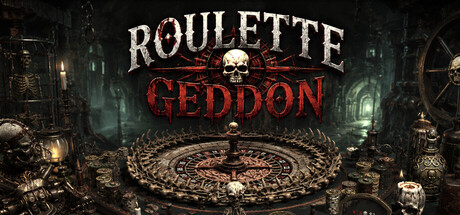
Some pre-generated visual assets used in Roulettegeddon, including portions of promotional artwork and certain in-game visual elements, were created or refined with the assistance of generative AI. The game's gameplay, mechanics, and player progression do not rely on AI-generated content during play.
Generative AI tools were used during development to assist with creating and refining some pre-generated visual assets and promotional artwork. All AI-assisted content was reviewed before inclusion. The game does not generate AI content during gameplay and does not connect to external AI services.
Generative AI was used during development to assist with coding and the creation of pre-generated visual assets. No AI content is generated during gameplay.
Generative AI has been used solely as a supporting tool to create some of the icons used for the character's abilities and upgrades, as well as to assist with translating the game's text into other languages.
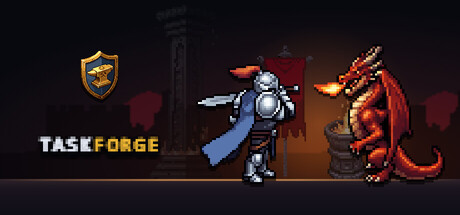
The pixel art in Taskforge — character and enemy sprites, animation frames, item and UI icons, scenery pieces and the game's emblem — was produced with the help of an AI image generation tool during development. Every generated asset was reviewed, selected, edited and assembled by hand, and ships as a fixed image file. Nothing is generated while you play: the game contains only static assets and never calls an AI service at runtime. Code, game design, balance data and all written text were made by the developer.
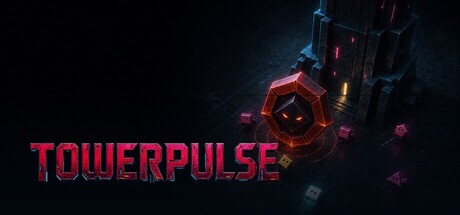
Some pre-generated visual and audio assets used in TOWERPULSE were created with the assistance of generative AI tools during development. These assets were selected, edited, and integrated by the developer.
TOWERPULSE does not use generative AI at runtime. No player prompts, gameplay content, dialogue, or other assets are generated live while the game is running.
The pixel art in this game was created with an AI image generation tool (Pixellab).
Generated art is never used as-is: the style, proportions and palette standards are set by a human,
every sprite is reviewed by eye, and anything off-standard is rejected and redone. Grounding,
animation continuity and color consistency are likewise human-checked before adoption.
Game design, balance and specification decisions are made by a human. AI-assisted tools are also
used in the development process.
Nothing is generated by AI at runtime (pre-generated content only).
Generative AI was used to create and/or assist with some promotional and marketing materials for the game, including store capsule artwork, cover images, and other store page visuals. Generative AI was not used to generate gameplay content or content during gameplay.
To make One More Chop more accessible to players around the world, AI-assisted tools were used as part of the localization process for supported languages. Their use is limited to translation and localization support, helping us make the game available to players across a wider range of languages and regions.
All assets in this game — art, music, and text — were created by humans. During development, generative AI tools were used for coding assistance and debugging. All resulting code was reviewed and approved by a human developer before inclusion.
As a solo developer, AI has been a big help in making the development of this game more efficient by assisting in, but not be the sole performer of: testing, performing repetitive and some programming tasks, brainstorming and discussions, translations and some design.
Some store copy, localization, and in-game Field Guide text were drafted with generative AI and then edited. No AI content is generated live in the game. Character/environment art and audio are not AI-generated unless noted.
AI was used on a limited basis to assist with the refinement of certain visual designs. All VHS artwork and other licensed imagery is based on artwork created by human artists, and we hold the appropriate licenses for all third-party images used.
We used a Gen AI powered tool to localize the following:
- (in some languages) In-game text
- (in some languages) Steam store descriptions
We plan to replace these with human translation and LQA when we can afford it.
Until then, we are using Gen AI temporarily.
Generative AI was used to create artwork, and some sound effects. All generated content was tested automatically and reviewed by human.
Background Music, and some sound effects are licensed from third-party libraries and are not AI-generated.
No AI content is generated during gameplay. The game does not connect to an external AI service during gameplay, and all shipped content is finalized and static.
AI tools were used during development to provide feedback on artwork and assist with localization. No AI-generated artwork or other AI-generated assets are included in the final game.
Some 2D‑art assets in this game are created with the assistance of generative‑AI tools. These assets have been filtered, edited, composited and manually reviewed by the developer before being used in‑game. The game does not perform real‑time content generation based on player input during runtime, nor does it send any player input to generative‑AI services.
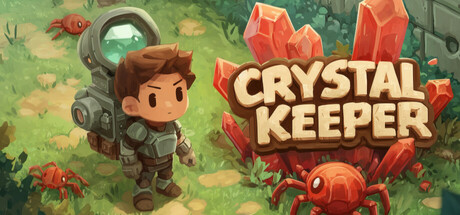
Crystal Keeper is made by one person. I used generative AI tools during development to help create some of the game's assets, such as artwork and music, every asset was hand-picked and integrated by me. No AI is used at runtime: nothing is generated while you play.
This game utilized generative AI tools during development to assist with the following aspects:
Generation and optimization of certain code snippets;
Creation and processing of some sound effects;
Machine translation and localization assistance for in-game text and UI strings.
Important note: All visual art assets in the game (including characters, environments, props, UI elements, icons, animations, etc.) are exclusively created by human artists and were not generated by any AI tools.
All AI-generated content (code, sound, translation) has been manually reviewed, revised, and tested to ensure quality, stylistic consistency, and compliance with applicable regulations. AI is not used for real-time generation of player-facing content; all released content is finalized prior to launch.
This game uses generative AI to assist with some translations. All AI-assisted translations were reviewed, edited, and approved by the developer before being included in the game.
Some store page art and description text were produced with AI assistance. All in-game art, audio and text are hand-authored or procedurally generated.
Generative AI tools were used during development to assist with programming and to create some pre-generated 2D visual assets, including icons and promotional artwork. All AI-assisted code and generated assets were reviewed, tested, edited, and integrated by the developer. No generative AI is used while the game is running, and no content is generated live.
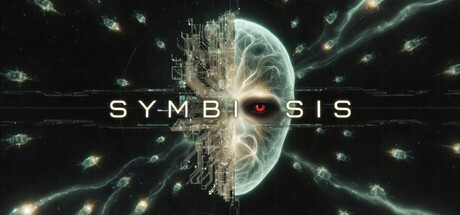
Symbiosis: Criticality's narrative and dialogue were developed with the assistance of generative AI as part of an iterative, human-directed writing process. All in-game art, audio, and code were authored directly by the development team.
This game was primarily coded with AI.
The story and concept was made almost entirely by myself (As this was the main aim of the game to begin with)
Please don't buy it if you're not a fan of this use of AI generation.
Generative AI tools were used during development to assist with code and selected pre-generated game and marketing content. All shipped content was reviewed by the developer. No AI content is generated during gameplay.
Generative AI was used for selected visual assets during development. All AI-assisted content was reviewed by the developer. No AI content is generated during gameplay.
A large portion of visual art assets in this game are produced with generative AI tools during the development phase, including all in-game character portraits & character sprites, UI panels, functional icons, decorative interface elements, scene backgrounds, environment illustrations and promotional store page artwork.
All AI-generated draft materials have been comprehensively manually revised, redrawn, style unified, technically trimmed and fully copyright compliance verified by our internal professional art team before being packaged into the final released build.
There is NO real-time, runtime AI content generation function activated while players are running the game. All AI-assisted content is fixed pre-rendered static assets only.
Generative AI tools were used during development to assist in creating some in-game visual assets, graphical assets, and store marketing artwork. All generated materials were selected, edited, adjusted, and reviewed by the developer before being included. The game does not use generative AI to generate content during gameplay.
Some visual artwork used in the game and promotional materials was created with generative AI tools and then selected, edited, and integrated by the developer. No generative AI content is created during gameplay.
We used generative AI tools during development to help create pre-rendered assets: part of the visual art (environments, buildings, characters and interface elements), the music, and store page artwork. All AI-generated content was reviewed, edited and assembled by us. Generative AI is not used at runtime — the game generates no AI content while you play.
Some art assets in the game and on the store page (story character portraits, some icons, backgrounds, and capsule images) were created with AI image generation tools, then manually curated and edited by the developer. All gameplay, code, and written story content is human-made. No AI content is generated at runtime.
Generative AI tools were used. All AI-assisted content was reviewed by the developer, with some assets further edited and refined.No AI content is generated during gameplay.
Generative AI was used to translate (localize) the original Korean text into other languages. The original text was written by the development team, and the AI translations were reviewed before use.
Some pre-generated visual assets used in Roulettegeddon, including portions of promotional artwork and certain in-game visual elements, were created or refined with the assistance of generative AI. The game's gameplay, mechanics, and player progression do not rely on AI-generated content during play.
Generative AI tools were used during development to assist with creating and refining some pre-generated visual assets and promotional artwork. All AI-assisted content was reviewed before inclusion. The game does not generate AI content during gameplay and does not connect to external AI services.
Generative AI was used during development to assist with coding and the creation of pre-generated visual assets. No AI content is generated during gameplay.
Generative AI has been used solely as a supporting tool to create some of the icons used for the character's abilities and upgrades, as well as to assist with translating the game's text into other languages.
The pixel art in Taskforge — character and enemy sprites, animation frames, item and UI icons, scenery pieces and the game's emblem — was produced with the help of an AI image generation tool during development. Every generated asset was reviewed, selected, edited and assembled by hand, and ships as a fixed image file. Nothing is generated while you play: the game contains only static assets and never calls an AI service at runtime. Code, game design, balance data and all written text were made by the developer.
Some pre-generated visual and audio assets used in TOWERPULSE were created with the assistance of generative AI tools during development. These assets were selected, edited, and integrated by the developer.
TOWERPULSE does not use generative AI at runtime. No player prompts, gameplay content, dialogue, or other assets are generated live while the game is running.
The pixel art in this game was created with an AI image generation tool (Pixellab).
Generated art is never used as-is: the style, proportions and palette standards are set by a human,
every sprite is reviewed by eye, and anything off-standard is rejected and redone. Grounding,
animation continuity and color consistency are likewise human-checked before adoption.
Game design, balance and specification decisions are made by a human. AI-assisted tools are also
used in the development process.
Nothing is generated by AI at runtime (pre-generated content only).
Generative AI was used to create and/or assist with some promotional and marketing materials for the game, including store capsule artwork, cover images, and other store page visuals. Generative AI was not used to generate gameplay content or content during gameplay.
To make One More Chop more accessible to players around the world, AI-assisted tools were used as part of the localization process for supported languages. Their use is limited to translation and localization support, helping us make the game available to players across a wider range of languages and regions.
All assets in this game — art, music, and text — were created by humans. During development, generative AI tools were used for coding assistance and debugging. All resulting code was reviewed and approved by a human developer before inclusion.
As a solo developer, AI has been a big help in making the development of this game more efficient by assisting in, but not be the sole performer of: testing, performing repetitive and some programming tasks, brainstorming and discussions, translations and some design.
Some store copy, localization, and in-game Field Guide text were drafted with generative AI and then edited. No AI content is generated live in the game. Character/environment art and audio are not AI-generated unless noted.
AI was used on a limited basis to assist with the refinement of certain visual designs. All VHS artwork and other licensed imagery is based on artwork created by human artists, and we hold the appropriate licenses for all third-party images used.
We used a Gen AI powered tool to localize the following:
- (in some languages) In-game text
- (in some languages) Steam store descriptions
We plan to replace these with human translation and LQA when we can afford it.
Until then, we are using Gen AI temporarily.
Generative AI was used to create artwork, and some sound effects. All generated content was tested automatically and reviewed by human.
Background Music, and some sound effects are licensed from third-party libraries and are not AI-generated.
No AI content is generated during gameplay. The game does not connect to an external AI service during gameplay, and all shipped content is finalized and static.
AI tools were used during development to provide feedback on artwork and assist with localization. No AI-generated artwork or other AI-generated assets are included in the final game.
Some 2D‑art assets in this game are created with the assistance of generative‑AI tools. These assets have been filtered, edited, composited and manually reviewed by the developer before being used in‑game. The game does not perform real‑time content generation based on player input during runtime, nor does it send any player input to generative‑AI services.
Crystal Keeper is made by one person. I used generative AI tools during development to help create some of the game's assets, such as artwork and music, every asset was hand-picked and integrated by me. No AI is used at runtime: nothing is generated while you play.
This game utilized generative AI tools during development to assist with the following aspects:
Generation and optimization of certain code snippets;
Creation and processing of some sound effects;
Machine translation and localization assistance for in-game text and UI strings.
Important note: All visual art assets in the game (including characters, environments, props, UI elements, icons, animations, etc.) are exclusively created by human artists and were not generated by any AI tools.
All AI-generated content (code, sound, translation) has been manually reviewed, revised, and tested to ensure quality, stylistic consistency, and compliance with applicable regulations. AI is not used for real-time generation of player-facing content; all released content is finalized prior to launch.
This game uses generative AI to assist with some translations. All AI-assisted translations were reviewed, edited, and approved by the developer before being included in the game.
Some store page art and description text were produced with AI assistance. All in-game art, audio and text are hand-authored or procedurally generated.
Generative AI tools were used during development to assist with programming and to create some pre-generated 2D visual assets, including icons and promotional artwork. All AI-assisted code and generated assets were reviewed, tested, edited, and integrated by the developer. No generative AI is used while the game is running, and no content is generated live.
Symbiosis: Criticality's narrative and dialogue were developed with the assistance of generative AI as part of an iterative, human-directed writing process. All in-game art, audio, and code were authored directly by the development team.
This game was primarily coded with AI.
The story and concept was made almost entirely by myself (As this was the main aim of the game to begin with)
Please don't buy it if you're not a fan of this use of AI generation.
Generative AI tools were used during development to assist with code and selected pre-generated game and marketing content. All shipped content was reviewed by the developer. No AI content is generated during gameplay.
Generative AI was used for selected visual assets during development. All AI-assisted content was reviewed by the developer. No AI content is generated during gameplay.
A large portion of visual art assets in this game are produced with generative AI tools during the development phase, including all in-game character portraits & character sprites, UI panels, functional icons, decorative interface elements, scene backgrounds, environment illustrations and promotional store page artwork.
All AI-generated draft materials have been comprehensively manually revised, redrawn, style unified, technically trimmed and fully copyright compliance verified by our internal professional art team before being packaged into the final released build.
There is NO real-time, runtime AI content generation function activated while players are running the game. All AI-assisted content is fixed pre-rendered static assets only.
Generative AI tools were used during development to assist in creating some in-game visual assets, graphical assets, and store marketing artwork. All generated materials were selected, edited, adjusted, and reviewed by the developer before being included. The game does not use generative AI to generate content during gameplay.