Public Steam disclosure research25,380 disclosures tracked
Where do games disclose AI use?
Search developers’ Steam disclosures, compare classified AI use across
games, and follow recorded changes.
This index adds cross-game classifications and statistics to
statements published on individual store pages.
Groups reflect automatic analysis of public disclosures; mature records are excluded. These counts do not measure AI use across all of Steam.
Missing or unclear statements cannot establish whether a game uses AI.
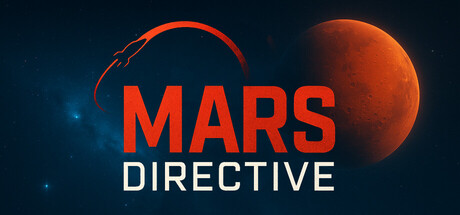
Mars Directive features autonomous AI characters powered by Large Language Models. They don't just generate dialogue—they can observe their surroundings, reason about situations, make independent decisions, interact with the environment, and communicate naturally with both the player and each other. Their behavior is guided by character definitions, gameplay context, and behavioral rules to ensure a consistent gameplay experience.
Generative AI was used for brainstorming concepts and ideas during the design process, as well as for creating a few 2D visual assets and posters within the game environment.
Some objects, textures, images, and audio assets in this game were created or enhanced using generative artificial intelligence. All AI-generated content has been reviewed, edited, and integrated by the developer as part of the game's artistic vision.
This is a text-based game; the illustrative background images were created using a combination of AI technology and Photoshop, the character sprites were hand-drawn and colored using AI, and the music was composed and produced using AI tools.
Generative AI was used in the game for (a) Generating dialogs and translations (b) Generating game backgrounds, character art and tiles etc (c) Generating Music.
Some art assets in this game were created with the aid of AI image-generation tools, then edited and composited by the developer. The musical score was composed using Suno. All writing, design, and direction are by the developer. We have taken steps to ensure the AI tools used were operated in a manner consistent with their terms of service.
AI support was used solely for coding support during the game's development process. There is no AI system actively running during gameplay, generating real-time content, or connecting to an external AI service. Beyond the game's coding, the graphics, story, music, and other creative content were entirely created by human effort.
Generative AI was used solely for the creation of a store/community icon associated with this product. No gameplay content, in-game assets, or soundtrack audio were generated using AI.
As a passionate two-person indie team with a $0 budget, we utilize advanced, paid AI tools to breathe life into our world. We use high-quality, expressive AI voice acting to deliver emotional depth to our characters, alongside curated AI art to enhance environmental storytelling. Every asset is carefully selected and integrated by hand to match our artistic vision without compromising on quality."
This game uses generative AI to interpret the player’s written question and create tarot-style responses during each reading. AI-generated text is used for card interpretations and the final answer. The game does not use AI to make real predictions or provide professional advice.
Generative AI tools were used during development to assist with some pre-generated 2D artwork and UI imagery, 3D models and animations, instrumental music and sound effects, localization drafts, and portions of the game code. As a solo developer, I selected, edited, integrated, and reviewed all of these outputs before inclusion. The game does not generate content at runtime and does not send player input to generative AI services.
To improve development efficiency and creative inspiration, our team integrated AI-assisted tools into the development of the game. We used Claude and GLM as creative partners to help us draft and refine portions of the game's visuals, story, dialogue, and text, as well as to help translate the store page content into different languages (not in-game text).
Please be assured that AI is just one part of our creative process — every piece of content ultimately presented to players, from each word to the overall story, has been carefully designed, reviewed, and revised by our development team to ensure the highest quality and the best gaming experience.
One promotional artwork seen on the store page has been created with the help of AI tools. We are actively working on replacing it within the coming days.
Some of concept art and in-game promotional materials on the game's Steam store page were created using generative artificial intelligence tools. The game's coding and script were entirely written by developer.
The game's programming, gameplay mechanics, system design, and overall game logic were developed by me using the Unity game engine. Generative AI tools were used only as an assistive resource for coding suggestions, debugging, optimization, and technical explanations. All AI-generated code was reviewed, modified, tested, and manually integrated into the project by me. The final implementation, design decisions, and gameplay systems were created and validated by the developer.
AI tools were used to assist with code development, some in-game text, and marketing visuals. All game design, story direction and gameplay mechanics were created and reviewed by the developer. No AI-generated content is produced in real-time during gameplay.
Some visual assets, audio, and written content used in this game were created or assisted by generative AI and have been reviewed, edited, and integrated by the developer. The game does not use AI to generate content during gameplay.
Backswamps contains some pre-generated visual assets created with the assistance of generative AI, including certain textures and interface artwork. All AI-assisted content has been reviewed, curated, and integrated by the developer. The game does not generate AI content during gameplay.
To create realistic interrogation scenarios in this detective game, this game packages a local, offline LLM to serve as the brain of the NPC suspects. This allows the user to lead the investigation however they like. Generative AI was NOT used to create this game, but an LLM is featured as a main game mechanic in the form of freeform NPC conversation.
Character portraits and evidence images were created with OpenAI's image generation; some diagrams were authored as SVG with OpenAI Codex. These assets were reviewed before release (originality and likeness pass). Sound effects and the ambient music bed are produced by a deterministic synthesis program (oscillators, filtered noise, and math-based DSP), not by a generative-AI audio model, and from no sampled or library audio; the synthesis script itself was written with AI coding assistance (AI-assisted code, not AI-generated audio). Fonts, engine, and runtime are non-AI third-party components under their own licenses.
Some of the graphical assets in this game were created using generative AI tools. This includes certain 3D models (characters and props), textures, background illustrations, and UI images; some of the key art on this store page was created the same way. All AI-generated assets were curated, edited, and placed by the developer, and no AI content is generated in real time during gameplay.
The development of Memento made use of generative AI tools across several stages of production. Cutscenes are created using AI-based video generation tools. Graphic elements such as environments, characters, and card illustrations were created or refined with the help of generative AI tools. Parts of the soundtrack and text were also produced with AI assistance. All content was manually selected, edited, and integrated by the developer.
Some in-game radio/music tracks may be created with generative AI tools. These tracks are selected, reviewed and integrated manually by the development team. No live AI generation is used during gameplay.
Generative AI was used as a production tool to help create selected visual and audio assets and to assist with refining some written content. The game’s concept, narrative direction, scenes, mechanics, and final presentation were defined, directed, reviewed, and edited by the developer. No content is generated by AI during gameplay.
The art, audio, and writing in Refund Speedrun are created by hand. Generative AI was used only for the voice-over narration in our promotional teaser trailer (ElevenLabs). The game does not generate any content using AI at runtime.
Generative AI tools were used to assist in the creation of selected promotional and store artwork. During gameplay, players can also optionally use generative AI to create custom word sets and hints.
This game includes some pre-generated artwork and sound effects created with the assistance of generative AI. These assets were reviewed, selected, and integrated by the developer during development. The game does not use live generative AI during gameplay.
All content in this game was created by a single developer using generative AI tools, under full human supervision.
The scenario and script were written by the developer (writing assistance: Claude). All theme song lyrics were written by the developer. Backgrounds, character sprites, the logo, and the OP/ED movies were generated with Leonardo AI, based on the developer's own character designs, compositions, and art direction. The music and theme songs were produced with Suno AI. All voice acting was generated with ElevenLabs; every line in all three languages (Japanese, English, and Simplified Chinese, approx. 1,900 lines each) was individually reviewed by the developer for pronunciation, acting, and emotional delivery, and only approved takes were used. Localization was assisted by Claude Code, with every translation reviewed by the developer. Programming was assisted by Claude Code.
The store page and marketing assets (capsule images, logo, trailers, etc.) were likewise created with Leonardo AI (imagery) and Suno AI (music). Screenshots and trailer footage are captures of the actual game (the game itself contains the AI-generated assets described above).
Every AI-generated asset was reviewed, selected, and corrected by the developer before use. No content is generated by AI at runtime. A breakdown of tools by production stage is included in the end credits.
Generative AI was used during development to assist in creating some 2D background artwork, character images, item artwork, UI assets, and concept art. These assets were reviewed, edited, adjusted, and integrated into the game by the developer. The game does not generate AI content during gameplay.
The AI model has been fine-tuned with multiple safety measures — including prompt restrictions, keyword filtering, and compliance safeguards — to ensure all generated content remains appropriate.
If you encounter any inappropriate or non-compliant content during gameplay, please report it to our support team, and we will promptly review and make the necessary adjustments.
Thank you for your understanding!
We did use AI generated images, but human edited and perfected images for our Steam Store and logos. Static UI elements and backgrounds were also generated using AI, but again, human edited.
Generative AI is used as a production support tool throughout development. It assists with localization, workflow acceleration, and the integration of assets across multiple disciplines into a consistent production pipeline. All AI-assisted content is reviewed, edited, integrated, and quality-controlled by the development team before being included in the final game.
Mars Directive features autonomous AI characters powered by Large Language Models. They don't just generate dialogue—they can observe their surroundings, reason about situations, make independent decisions, interact with the environment, and communicate naturally with both the player and each other. Their behavior is guided by character definitions, gameplay context, and behavioral rules to ensure a consistent gameplay experience.
Generative AI was used for brainstorming concepts and ideas during the design process, as well as for creating a few 2D visual assets and posters within the game environment.
Some objects, textures, images, and audio assets in this game were created or enhanced using generative artificial intelligence. All AI-generated content has been reviewed, edited, and integrated by the developer as part of the game's artistic vision.
This is a text-based game; the illustrative background images were created using a combination of AI technology and Photoshop, the character sprites were hand-drawn and colored using AI, and the music was composed and produced using AI tools.
Generative AI was used in the game for (a) Generating dialogs and translations (b) Generating game backgrounds, character art and tiles etc (c) Generating Music.
Some art assets in this game were created with the aid of AI image-generation tools, then edited and composited by the developer. The musical score was composed using Suno. All writing, design, and direction are by the developer. We have taken steps to ensure the AI tools used were operated in a manner consistent with their terms of service.
AI support was used solely for coding support during the game's development process. There is no AI system actively running during gameplay, generating real-time content, or connecting to an external AI service. Beyond the game's coding, the graphics, story, music, and other creative content were entirely created by human effort.
Generative AI was used solely for the creation of a store/community icon associated with this product. No gameplay content, in-game assets, or soundtrack audio were generated using AI.
As a passionate two-person indie team with a $0 budget, we utilize advanced, paid AI tools to breathe life into our world. We use high-quality, expressive AI voice acting to deliver emotional depth to our characters, alongside curated AI art to enhance environmental storytelling. Every asset is carefully selected and integrated by hand to match our artistic vision without compromising on quality."
This game uses generative AI to interpret the player’s written question and create tarot-style responses during each reading. AI-generated text is used for card interpretations and the final answer. The game does not use AI to make real predictions or provide professional advice.
Generative AI tools were used during development to assist with some pre-generated 2D artwork and UI imagery, 3D models and animations, instrumental music and sound effects, localization drafts, and portions of the game code. As a solo developer, I selected, edited, integrated, and reviewed all of these outputs before inclusion. The game does not generate content at runtime and does not send player input to generative AI services.
To improve development efficiency and creative inspiration, our team integrated AI-assisted tools into the development of the game. We used Claude and GLM as creative partners to help us draft and refine portions of the game's visuals, story, dialogue, and text, as well as to help translate the store page content into different languages (not in-game text).
Please be assured that AI is just one part of our creative process — every piece of content ultimately presented to players, from each word to the overall story, has been carefully designed, reviewed, and revised by our development team to ensure the highest quality and the best gaming experience.
One promotional artwork seen on the store page has been created with the help of AI tools. We are actively working on replacing it within the coming days.
Some of concept art and in-game promotional materials on the game's Steam store page were created using generative artificial intelligence tools. The game's coding and script were entirely written by developer.
The game's programming, gameplay mechanics, system design, and overall game logic were developed by me using the Unity game engine. Generative AI tools were used only as an assistive resource for coding suggestions, debugging, optimization, and technical explanations. All AI-generated code was reviewed, modified, tested, and manually integrated into the project by me. The final implementation, design decisions, and gameplay systems were created and validated by the developer.
AI tools were used to assist with code development, some in-game text, and marketing visuals. All game design, story direction and gameplay mechanics were created and reviewed by the developer. No AI-generated content is produced in real-time during gameplay.
Some visual assets, audio, and written content used in this game were created or assisted by generative AI and have been reviewed, edited, and integrated by the developer. The game does not use AI to generate content during gameplay.
Backswamps contains some pre-generated visual assets created with the assistance of generative AI, including certain textures and interface artwork. All AI-assisted content has been reviewed, curated, and integrated by the developer. The game does not generate AI content during gameplay.
To create realistic interrogation scenarios in this detective game, this game packages a local, offline LLM to serve as the brain of the NPC suspects. This allows the user to lead the investigation however they like. Generative AI was NOT used to create this game, but an LLM is featured as a main game mechanic in the form of freeform NPC conversation.
Character portraits and evidence images were created with OpenAI's image generation; some diagrams were authored as SVG with OpenAI Codex. These assets were reviewed before release (originality and likeness pass). Sound effects and the ambient music bed are produced by a deterministic synthesis program (oscillators, filtered noise, and math-based DSP), not by a generative-AI audio model, and from no sampled or library audio; the synthesis script itself was written with AI coding assistance (AI-assisted code, not AI-generated audio). Fonts, engine, and runtime are non-AI third-party components under their own licenses.
Some of the graphical assets in this game were created using generative AI tools. This includes certain 3D models (characters and props), textures, background illustrations, and UI images; some of the key art on this store page was created the same way. All AI-generated assets were curated, edited, and placed by the developer, and no AI content is generated in real time during gameplay.
The development of Memento made use of generative AI tools across several stages of production. Cutscenes are created using AI-based video generation tools. Graphic elements such as environments, characters, and card illustrations were created or refined with the help of generative AI tools. Parts of the soundtrack and text were also produced with AI assistance. All content was manually selected, edited, and integrated by the developer.
Some in-game radio/music tracks may be created with generative AI tools. These tracks are selected, reviewed and integrated manually by the development team. No live AI generation is used during gameplay.
Generative AI was used as a production tool to help create selected visual and audio assets and to assist with refining some written content. The game’s concept, narrative direction, scenes, mechanics, and final presentation were defined, directed, reviewed, and edited by the developer. No content is generated by AI during gameplay.
The art, audio, and writing in Refund Speedrun are created by hand. Generative AI was used only for the voice-over narration in our promotional teaser trailer (ElevenLabs). The game does not generate any content using AI at runtime.
Generative AI tools were used to assist in the creation of selected promotional and store artwork. During gameplay, players can also optionally use generative AI to create custom word sets and hints.
This game includes some pre-generated artwork and sound effects created with the assistance of generative AI. These assets were reviewed, selected, and integrated by the developer during development. The game does not use live generative AI during gameplay.
All content in this game was created by a single developer using generative AI tools, under full human supervision.
The scenario and script were written by the developer (writing assistance: Claude). All theme song lyrics were written by the developer. Backgrounds, character sprites, the logo, and the OP/ED movies were generated with Leonardo AI, based on the developer's own character designs, compositions, and art direction. The music and theme songs were produced with Suno AI. All voice acting was generated with ElevenLabs; every line in all three languages (Japanese, English, and Simplified Chinese, approx. 1,900 lines each) was individually reviewed by the developer for pronunciation, acting, and emotional delivery, and only approved takes were used. Localization was assisted by Claude Code, with every translation reviewed by the developer. Programming was assisted by Claude Code.
The store page and marketing assets (capsule images, logo, trailers, etc.) were likewise created with Leonardo AI (imagery) and Suno AI (music). Screenshots and trailer footage are captures of the actual game (the game itself contains the AI-generated assets described above).
Every AI-generated asset was reviewed, selected, and corrected by the developer before use. No content is generated by AI at runtime. A breakdown of tools by production stage is included in the end credits.
Generative AI was used during development to assist in creating some 2D background artwork, character images, item artwork, UI assets, and concept art. These assets were reviewed, edited, adjusted, and integrated into the game by the developer. The game does not generate AI content during gameplay.
The AI model has been fine-tuned with multiple safety measures — including prompt restrictions, keyword filtering, and compliance safeguards — to ensure all generated content remains appropriate.
If you encounter any inappropriate or non-compliant content during gameplay, please report it to our support team, and we will promptly review and make the necessary adjustments.
Thank you for your understanding!
We did use AI generated images, but human edited and perfected images for our Steam Store and logos. Static UI elements and backgrounds were also generated using AI, but again, human edited.
Generative AI is used as a production support tool throughout development. It assists with localization, workflow acceleration, and the integration of assets across multiple disciplines into a consistent production pipeline. All AI-assisted content is reviewed, edited, integrated, and quality-controlled by the development team before being included in the final game.