Public Steam disclosure research25,376 disclosures tracked
Where do games disclose AI use?
Search developers’ Steam disclosures, compare classified AI use across
games, and follow recorded changes.
This index adds cross-game classifications and statistics to
statements published on individual store pages.
Groups reflect automatic analysis of public disclosures; mature records are excluded. These counts do not measure AI use across all of Steam.
Missing or unclear statements cannot establish whether a game uses AI.
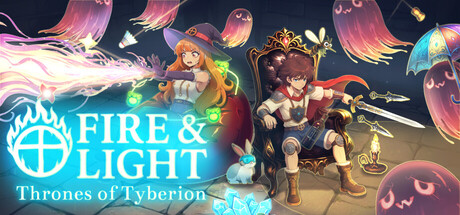
AI makes a lot of things easier for drawing, 3D, animation, code, music... but I don't use AI to avoid having to work, nor in place of my imagination: I create the lore, the character designs, the enemies and bosses, the powers and their combined effects, I write the dialogues myself and even the song lyrics.
In short, I don't use AI to create, but to produce with the means I have (I document all of this in the YouTube devlog.) And the more Tyberion takes shape, the more I replace AI assets with handmade assets.
This game was made by a solo developer aka human being.
Some visual and audio assets were built with AI support, then refined, edited and animated by hand.
Also, code analysis and debugging (no pun intended) was done with the support of AI.
AI tools were used to create some videos, paint characters, scenarios and weapons, as well as to correct texts and help identify difficult bugs. All AI-generated material was manually reviewed to ensure quality and consistency with the project.
I used AI-assisted tools during development to help create some visual elements. All AI-generated assets were used as a base and were optimized and refined to fit the visual style and comply with copyright standards.
This game used generative AI tools during development to have early placeholder UI/2D Art Assets. No generative AI is used during gameplay, and all final in-game assets were manually reviewed to ensure quality and originality.
This game uses AI-generated sound effects (e.g., footsteps, ambient noises) to enhance the atmosphere.
All gameplay, visuals, and story content are handcrafted.
The audio and music used in the game are properly licensed and approved for commercial use.
Lip-sync animations for the NPCs were created using AI-assisted lip-sync technology.
The suspense soundtrack was purchased from an external source and is fully licensed.
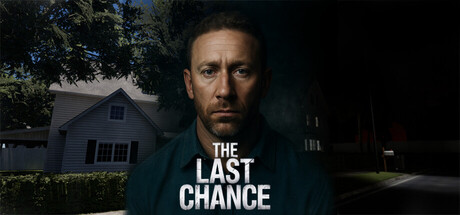
The image of the character "David" featured on the store page was created using AI to achieve a more realistic appearance. This visual is commercially licensed and appropriate for use in promotional and in-game materials.
Lodge of Complaints' content systems are built to be highly customizable, from storylines to visual content. The game is still in development and subject to change. It currently contains AI generated art assets which may not be included in the final release.
Some elements of the game, such as character portraits, were created with the help of AI and manually edited by a human. In the future, they may possibly be replaced.
This game uses AI-generated content in two areas. The character voiceovers were created using ElevenLabs to provide high-quality text-to-speech performance. Additionally, certain character artwork was created with Meshy AI. These tools were used to support the development of voice acting and visual assets, and all generated content has been integrated and curated manually to fit the game’s design.
Some of the promotional and storefront images were created with AI tools and then refined by hand. All of the in-game assets were designed by a 3D artist.
This game includes limited content generated using artificial intelligence.
Only certain image assets (such as logos and interface elements) and some text translations were created with AI tools.
The entire game design, structure, and all 3D models were fully created by human.
No AI-generated content includes real people or synthetic voices. All AI-generated elements have been reviewed and integrated in an ethical and transparent manner.
This game was made by a solo developer. Some art and music were aided by AI-tools, but all gameplay systems, design and code were authored, reviewed and maintained by the developer. Thanks for your support
Some early game assets may have been made using AI to speed up game design phase during development. These assets will be replaced once most of the mechanics of the game has been implemented, and we can then focus more in depth of more high quality assets.
Character voices are AI and also some of the paintings in the scenes were generated using AI tools that I don't know which programs from, as I know they are pre-generated textures.
In the development of this game, we have drawn inspiration from AI-generated artwork. Additionally, some of the artists we collaborated with may have utilized AI tools to enhance their creative process.
For the voice content in my game, I used a generative AI tool, ElevenLabs, to create the voice of the cat. However, after generating the voice, I modified and adjusted it to match the tone and specific needs of my game. No other form of AI-generated content is used in the development of the game.
In the Early Access builds of our game, we are using some AI generated imagery for 3D model textures and Narrative Splash Art.
It is our intention to have all of this artwork replaced by the time of the games official release, however any AI generated artwork in the game has been made with locally generated and publicly available models.
We have made all efforts to comply with the most up to date Creative Commons guidelines on use of AI generated content in media, and as such consider all AI generated works used to be public domain, and as such will keep a publicly available repository of any AI generated assets we use.
To streamline the creative process, AI-assisted tools were used to enhance and accelerate artwork production, ensuring a distinctive visual style while maintaining full artistic direction.
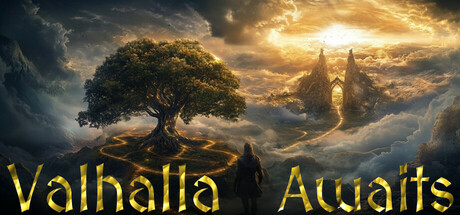
Valhalla Awaits uses AI-generated visuals and music, carefully selected and refined to match the game’s tone and ensure stylistic consistency.
These elements are designed to enhance atmosphere and readability during repeated playthroughs, but are not essential to gameplay. Both music and background imagery can be disabled in the settings for a more minimalist, text-focused experience.
All writing was created by a human, with later use of AI tools for proofreading and clarity improvement.
AI makes a lot of things easier for drawing, 3D, animation, code, music... but I don't use AI to avoid having to work, nor in place of my imagination: I create the lore, the character designs, the enemies and bosses, the powers and their combined effects, I write the dialogues myself and even the song lyrics.
In short, I don't use AI to create, but to produce with the means I have (I document all of this in the YouTube devlog.) And the more Tyberion takes shape, the more I replace AI assets with handmade assets.
This game was made by a solo developer aka human being.
Some visual and audio assets were built with AI support, then refined, edited and animated by hand.
Also, code analysis and debugging (no pun intended) was done with the support of AI.
AI tools were used to create some videos, paint characters, scenarios and weapons, as well as to correct texts and help identify difficult bugs. All AI-generated material was manually reviewed to ensure quality and consistency with the project.
I used AI-assisted tools during development to help create some visual elements. All AI-generated assets were used as a base and were optimized and refined to fit the visual style and comply with copyright standards.
This game used generative AI tools during development to have early placeholder UI/2D Art Assets. No generative AI is used during gameplay, and all final in-game assets were manually reviewed to ensure quality and originality.
This game uses AI-generated sound effects (e.g., footsteps, ambient noises) to enhance the atmosphere.
All gameplay, visuals, and story content are handcrafted.
The audio and music used in the game are properly licensed and approved for commercial use.
Lip-sync animations for the NPCs were created using AI-assisted lip-sync technology.
The suspense soundtrack was purchased from an external source and is fully licensed.
The image of the character "David" featured on the store page was created using AI to achieve a more realistic appearance. This visual is commercially licensed and appropriate for use in promotional and in-game materials.
Lodge of Complaints' content systems are built to be highly customizable, from storylines to visual content. The game is still in development and subject to change. It currently contains AI generated art assets which may not be included in the final release.
Some elements of the game, such as character portraits, were created with the help of AI and manually edited by a human. In the future, they may possibly be replaced.
This game uses AI-generated content in two areas. The character voiceovers were created using ElevenLabs to provide high-quality text-to-speech performance. Additionally, certain character artwork was created with Meshy AI. These tools were used to support the development of voice acting and visual assets, and all generated content has been integrated and curated manually to fit the game’s design.
Some of the promotional and storefront images were created with AI tools and then refined by hand. All of the in-game assets were designed by a 3D artist.
This game includes limited content generated using artificial intelligence.
Only certain image assets (such as logos and interface elements) and some text translations were created with AI tools.
The entire game design, structure, and all 3D models were fully created by human.
No AI-generated content includes real people or synthetic voices. All AI-generated elements have been reviewed and integrated in an ethical and transparent manner.
This game was made by a solo developer. Some art and music were aided by AI-tools, but all gameplay systems, design and code were authored, reviewed and maintained by the developer. Thanks for your support
Some early game assets may have been made using AI to speed up game design phase during development. These assets will be replaced once most of the mechanics of the game has been implemented, and we can then focus more in depth of more high quality assets.
Character voices are AI and also some of the paintings in the scenes were generated using AI tools that I don't know which programs from, as I know they are pre-generated textures.
In the development of this game, we have drawn inspiration from AI-generated artwork. Additionally, some of the artists we collaborated with may have utilized AI tools to enhance their creative process.
For the voice content in my game, I used a generative AI tool, ElevenLabs, to create the voice of the cat. However, after generating the voice, I modified and adjusted it to match the tone and specific needs of my game. No other form of AI-generated content is used in the development of the game.
In the Early Access builds of our game, we are using some AI generated imagery for 3D model textures and Narrative Splash Art.
It is our intention to have all of this artwork replaced by the time of the games official release, however any AI generated artwork in the game has been made with locally generated and publicly available models.
We have made all efforts to comply with the most up to date Creative Commons guidelines on use of AI generated content in media, and as such consider all AI generated works used to be public domain, and as such will keep a publicly available repository of any AI generated assets we use.
To streamline the creative process, AI-assisted tools were used to enhance and accelerate artwork production, ensuring a distinctive visual style while maintaining full artistic direction.
Valhalla Awaits uses AI-generated visuals and music, carefully selected and refined to match the game’s tone and ensure stylistic consistency.
These elements are designed to enhance atmosphere and readability during repeated playthroughs, but are not essential to gameplay. Both music and background imagery can be disabled in the settings for a more minimalist, text-focused experience.
All writing was created by a human, with later use of AI tools for proofreading and clarity improvement.