Public Steam disclosure research25,380 disclosures tracked
Where do games disclose AI use?
Search developers’ Steam disclosures, compare classified AI use across
games, and follow recorded changes.
This index adds cross-game classifications and statistics to
statements published on individual store pages.
Groups reflect automatic analysis of public disclosures; mature records are excluded. These counts do not measure AI use across all of Steam.
Missing or unclear statements cannot establish whether a game uses AI.
Some 3D character models and a few environment assets in this game were created with the help of generative AI tools, then manually edited, rigged and refined by the developer. Some promotional images were also produced with AI assistance. All AI-generated content was reviewed to ensure it does not infringe third-party rights.
Some visual assets used in the game and/or its promotional materials were created with the assistance of generative AI tools and were reviewed and edited by the developer before use.
Generative AI was used during development to create officer portraits, illustrations, backgrounds and other graphical assets, translations, and background music. This content was generated in advance; no AI content is generated during gameplay.
This game uses generative AI-assisted content in some pre-rendered assets, such as visual effects, UI elements, background or promotional artwork, marketing/community materials, and localization. No live generative AI system is used during gameplay, and the game does not generate new player-facing content dynamically while the player is playing.
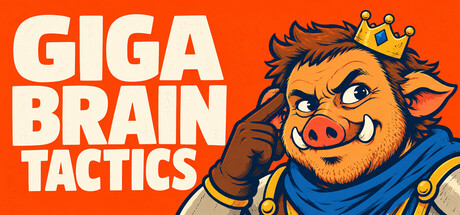
Generative AI tools were used during the development of GIGA BRAIN TACTICS to assist with the creation of certain visual and audio assets, as well as during the game development process.
All AI-assisted content is reviewed, refined, and integrated by the developers to ensure consistency with the game's visual style and quality standards.
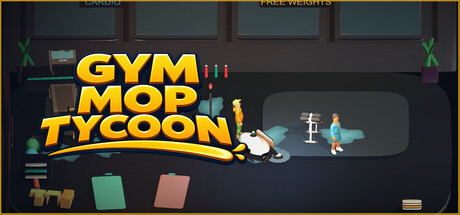
Pre-generated generative AI tools were used during development to create seven player-facing UI illustrations: two unlock-card images and five portraits used in the skill tree and event UI. The images were selected, post-processed where needed, and integrated by the developer. AI-generated visual reference art also assisted the design of the Dicker Typ character presentation and the AUTOMOP 3000 robot; their production 3D models, materials, and animations were not generated by AI. Some Steam store screenshots and trailer footage show this same in-game content. The game does not use generative AI at runtime and produces no live-generated text, images, audio, 3D assets, or other content.
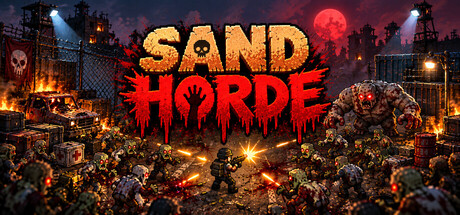
Generative AI was used as part of the development process for Sand Horde to help create select environmental artwork, backgrounds, visual assets, and promotional materials, as well as to assist with prototyping and development. All AI-assisted content is reviewed and integrated by the developer as part of the game's overall design and development.
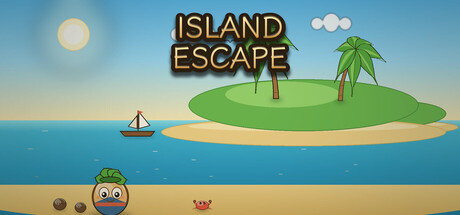
Generative AI was used as a development assistant on Island Escape: primarily to help write and review the game's source code, and to help draft and localize in-game text (Simplified Chinese, English, Japanese, Russian, Spanish, Brazilian Portuguese, German). All of that output was reviewed and edited by the developer.
Everything you see and hear is generated procedurally by the game's own code, shaders and audio tools at runtime — the project uses no AI-generated images, 3D models, textures or voice acting.
The game does not use generative AI while you play. No player data is sent anywhere.
Some of this game's content was created with generative AI and then reworked and adjusted by hand by the developer. This applies in particular to code, the 3D models and textures, and the music and sound effects. Animations, game rules, simulation, balance and the structure of the game come entirely from the developer.
Generative AI was used during development to assist in the creation of some of the game's pre-generated illustrations and visual assets. No generative AI is used to create content during gameplay.
This game features AI-assisted artwork and language translation. All assets were [reviewed or edited or approved] by the developer to ensure quality and consistency with the game's vision.
This game's art and some of its text content were created with AI-assisted tools during development and reviewed by the developer before shipping. Nothing is created live during gameplay by GenAI, and the game makes no AI-related network calls.
Generative AI was used to assist in creating some of the game’s art assets, including character portraits and illustrations, as well as background music. These assets were modified by the developer before being incorporated into the game.
Some of the image and audio assets were created with the help of generative AI.
All final design adjustments and processing were done by hand by the developer.
Feltfall uses pre-generated AI content. The felt-style illustrations (characters, animals, cards, backgrounds and key visuals), enemy sprite animations, the logo and parts of the promotional videos were generated with generative AI image and video tools, then selected, retouched and composited by the developer. Some of the source code was written with the help of AI coding assistants and reviewed by the developer. No content is generated by AI while you play, and the game does not connect to any external AI service.
Generative AI was used only to create pre-generated background artwork for the Steam store and library images. The official logo, text, user interface, and gameplay screenshots were created separately. The game does not generate content during gameplay and does not connect to any third-party AI service.
While AI tools were used to assist with the creation of select assets for our game's store page, all featured assets are fully original designs developed by our internal team.
Generative AI-assisted tools were used in parts of the development process, including selected visual assets, 3D models, music/audio, and promotional materials. These elements are reviewed and integrated by the developer as part of the game's overall creative direction. No generative AI is used to create content live during gameplay.
Some 3D props, textures and ambient voice audio were pre-generated with AI tools during development and then edited by hand. The game does not generate any content with AI while you play.
Generative AI tools are used during development to help create selected artwork, including ability icons, and to draft and edit text. This content is prepared before release. No content is generated by AI during gameplay, and the game does not connect to external AI services.
-- Store page capsule art was created in a comprehensive workflow with OpenArt.ai, using Blender and Windows Paint3D, and by employing painstakingly crafted text prompts over dozens of A.I. generations, while incorporating thousands of my own brushstrokes and adhering to my own artistic vision for composition and mood.
-- The game’s main logo texture was refined with OpenArt.ai.
-- 30+ characters may be heard with distinct voices speaking in the background, commenting generally about the situation at hand with any of dozens of phrases, or hundreds of snippets of phrases. The things they say are my creation, but as an early development budget consideration the voices were generated using OpenArt.ai. Clerk P.A. announcements are also an A.I.-generated voice.
-- Some vehicle sounds and background activity sound loops were generated using A.I. from OpenArt.ai or freesound.org.
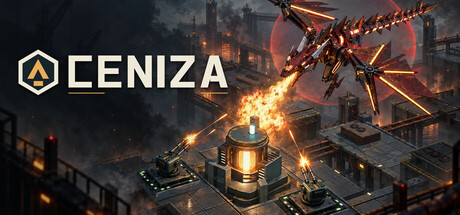
CENIZA is created using AI tools under human creative direction. Pre-generated content includes environmental textures, interface artwork, game text and translations, promotional art, and assets produced through AI-assisted modeling, coding and audio workflows. The base game does not generate content with generative AI while you play and does not connect to an AI service. Mod authors may optionally use external AI tools; manual editing and conventional tools are equally welcome.
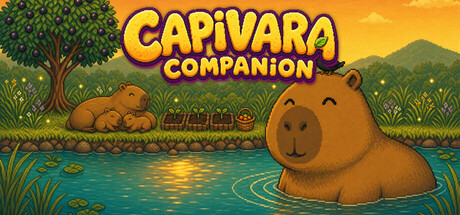
Art assets (backgrounds, capybara and object sprites, capsules, icon), the store trailer footage, sound effects, ambience and music were generated with AI tools (image and video generation, PixelLab, ElevenLabs) from the developer's own references and direction, then cropped, scaled, palette-snapped and composed by hand-written code. The translations of the game and store texts into languages other than Portuguese and English were produced with AI and reviewed by the developer. All code, game design, writing and the original Portuguese and English texts are human-made. The game does not generate any content at runtime.
Generative AI tools were used to assist with drafting and revising some store-page text, interface text, and Italian/English localization. All content was reviewed and edited by the developer. The game does not generate AI content at runtime.
Generative AI was used to assist in the creation of selected Steam store promotional images, certain audio assets, and a limited number of 3D assets. No live-generated AI is used during gameplay.
Generative AI tools were used during development to assist with selected visual assets, written content, localization, and other parts of the production process. All AI-assisted content was reviewed, edited, and integrated by the developer. No generative AI content is created during gameplay.
Generative AI was used during development to assist with the creation of some visual assets and marketing materials. All AI-assisted content used in the final game and on the Steam store page has been reviewed and edited by the developer.
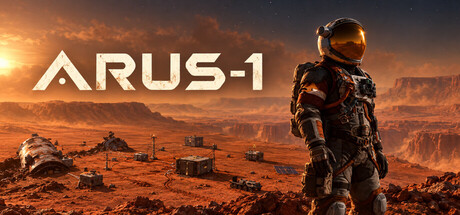
Generative AI was used as a supporting tool during the development of ARUS-1. Some 3D models, textures, and in-game and store artwork were created with these tools, then revised and integrated. No content is generated by AI during gameplay.
Some 2D artwork in this game (store artwork and in-game character portraits) was drafted with generative AI tools, then curated and edited by the developers. No AI content is generated during gameplay.
Desmarchon currently includes pre-generated AI images for the store page and achievement images, as well as AI-generated promotional artwork and icons, and some text. Everything has been reviewed by a human.
Generative AI was used to assist in the creation of some promotional artwork for the Steam store page, including capsule and library artwork. AI is not used to generate content during gameplay.
Generative AI was used during development to assist in the creation of some pre-generated visual and audio assets, as well as portions of promotional and store-page materials. All AI-assisted content is generated and reviewed during development and included as fixed content. No generative AI content is created during gameplay.
Generative AI tools were used during development to help create some visual assets, including environment textures, branding and promotional artwork, as well as store copy and localization. These materials are selected, reviewed and integrated by the developer. Gameplay screenshots are captured from the game. No generative AI content is created during play, and the game does not connect to external AI services.
Some art assets, sound effects and texts of this game are produced with the assistance of generative AI. No real‑time AI‑generated content will be created during gameplay.
The game’s core artwork and content were created by people. Generative AI use was limited to select elements of UI images and icons, Steam capsule image retouching, map and calendar textures within buildings, and localization translations.
Spritesheets, translations, most of the music, and a handful of images are currently AI-generated. I hope to replace them all with human-made by the 1.0 release.
Some 3D character models and a few environment assets in this game were created with the help of generative AI tools, then manually edited, rigged and refined by the developer. Some promotional images were also produced with AI assistance. All AI-generated content was reviewed to ensure it does not infringe third-party rights.
Some visual assets used in the game and/or its promotional materials were created with the assistance of generative AI tools and were reviewed and edited by the developer before use.
Generative AI was used during development to create officer portraits, illustrations, backgrounds and other graphical assets, translations, and background music. This content was generated in advance; no AI content is generated during gameplay.
This game uses generative AI-assisted content in some pre-rendered assets, such as visual effects, UI elements, background or promotional artwork, marketing/community materials, and localization. No live generative AI system is used during gameplay, and the game does not generate new player-facing content dynamically while the player is playing.
Generative AI tools were used during the development of GIGA BRAIN TACTICS to assist with the creation of certain visual and audio assets, as well as during the game development process.
All AI-assisted content is reviewed, refined, and integrated by the developers to ensure consistency with the game's visual style and quality standards.
Pre-generated generative AI tools were used during development to create seven player-facing UI illustrations: two unlock-card images and five portraits used in the skill tree and event UI. The images were selected, post-processed where needed, and integrated by the developer. AI-generated visual reference art also assisted the design of the Dicker Typ character presentation and the AUTOMOP 3000 robot; their production 3D models, materials, and animations were not generated by AI. Some Steam store screenshots and trailer footage show this same in-game content. The game does not use generative AI at runtime and produces no live-generated text, images, audio, 3D assets, or other content.
Generative AI was used as part of the development process for Sand Horde to help create select environmental artwork, backgrounds, visual assets, and promotional materials, as well as to assist with prototyping and development. All AI-assisted content is reviewed and integrated by the developer as part of the game's overall design and development.
Generative AI was used as a development assistant on Island Escape: primarily to help write and review the game's source code, and to help draft and localize in-game text (Simplified Chinese, English, Japanese, Russian, Spanish, Brazilian Portuguese, German). All of that output was reviewed and edited by the developer.
Everything you see and hear is generated procedurally by the game's own code, shaders and audio tools at runtime — the project uses no AI-generated images, 3D models, textures or voice acting.
The game does not use generative AI while you play. No player data is sent anywhere.
Some of this game's content was created with generative AI and then reworked and adjusted by hand by the developer. This applies in particular to code, the 3D models and textures, and the music and sound effects. Animations, game rules, simulation, balance and the structure of the game come entirely from the developer.
Generative AI was used during development to assist in the creation of some of the game's pre-generated illustrations and visual assets. No generative AI is used to create content during gameplay.
This game features AI-assisted artwork and language translation. All assets were [reviewed or edited or approved] by the developer to ensure quality and consistency with the game's vision.
This game's art and some of its text content were created with AI-assisted tools during development and reviewed by the developer before shipping. Nothing is created live during gameplay by GenAI, and the game makes no AI-related network calls.
Generative AI was used to assist in creating some of the game’s art assets, including character portraits and illustrations, as well as background music. These assets were modified by the developer before being incorporated into the game.
Some of the image and audio assets were created with the help of generative AI.
All final design adjustments and processing were done by hand by the developer.
Feltfall uses pre-generated AI content. The felt-style illustrations (characters, animals, cards, backgrounds and key visuals), enemy sprite animations, the logo and parts of the promotional videos were generated with generative AI image and video tools, then selected, retouched and composited by the developer. Some of the source code was written with the help of AI coding assistants and reviewed by the developer. No content is generated by AI while you play, and the game does not connect to any external AI service.
Generative AI was used only to create pre-generated background artwork for the Steam store and library images. The official logo, text, user interface, and gameplay screenshots were created separately. The game does not generate content during gameplay and does not connect to any third-party AI service.
While AI tools were used to assist with the creation of select assets for our game's store page, all featured assets are fully original designs developed by our internal team.
Generative AI-assisted tools were used in parts of the development process, including selected visual assets, 3D models, music/audio, and promotional materials. These elements are reviewed and integrated by the developer as part of the game's overall creative direction. No generative AI is used to create content live during gameplay.
Some 3D props, textures and ambient voice audio were pre-generated with AI tools during development and then edited by hand. The game does not generate any content with AI while you play.
Generative AI tools are used during development to help create selected artwork, including ability icons, and to draft and edit text. This content is prepared before release. No content is generated by AI during gameplay, and the game does not connect to external AI services.
-- Store page capsule art was created in a comprehensive workflow with OpenArt.ai, using Blender and Windows Paint3D, and by employing painstakingly crafted text prompts over dozens of A.I. generations, while incorporating thousands of my own brushstrokes and adhering to my own artistic vision for composition and mood.
-- The game’s main logo texture was refined with OpenArt.ai.
-- 30+ characters may be heard with distinct voices speaking in the background, commenting generally about the situation at hand with any of dozens of phrases, or hundreds of snippets of phrases. The things they say are my creation, but as an early development budget consideration the voices were generated using OpenArt.ai. Clerk P.A. announcements are also an A.I.-generated voice.
-- Some vehicle sounds and background activity sound loops were generated using A.I. from OpenArt.ai or freesound.org.
CENIZA is created using AI tools under human creative direction. Pre-generated content includes environmental textures, interface artwork, game text and translations, promotional art, and assets produced through AI-assisted modeling, coding and audio workflows. The base game does not generate content with generative AI while you play and does not connect to an AI service. Mod authors may optionally use external AI tools; manual editing and conventional tools are equally welcome.
Art assets (backgrounds, capybara and object sprites, capsules, icon), the store trailer footage, sound effects, ambience and music were generated with AI tools (image and video generation, PixelLab, ElevenLabs) from the developer's own references and direction, then cropped, scaled, palette-snapped and composed by hand-written code. The translations of the game and store texts into languages other than Portuguese and English were produced with AI and reviewed by the developer. All code, game design, writing and the original Portuguese and English texts are human-made. The game does not generate any content at runtime.
Generative AI tools were used to assist with drafting and revising some store-page text, interface text, and Italian/English localization. All content was reviewed and edited by the developer. The game does not generate AI content at runtime.
Generative AI was used to assist in the creation of selected Steam store promotional images, certain audio assets, and a limited number of 3D assets. No live-generated AI is used during gameplay.
Generative AI tools were used during development to assist with selected visual assets, written content, localization, and other parts of the production process. All AI-assisted content was reviewed, edited, and integrated by the developer. No generative AI content is created during gameplay.
Generative AI was used during development to assist with the creation of some visual assets and marketing materials. All AI-assisted content used in the final game and on the Steam store page has been reviewed and edited by the developer.
Generative AI was used as a supporting tool during the development of ARUS-1. Some 3D models, textures, and in-game and store artwork were created with these tools, then revised and integrated. No content is generated by AI during gameplay.
Some 2D artwork in this game (store artwork and in-game character portraits) was drafted with generative AI tools, then curated and edited by the developers. No AI content is generated during gameplay.
Desmarchon currently includes pre-generated AI images for the store page and achievement images, as well as AI-generated promotional artwork and icons, and some text. Everything has been reviewed by a human.
Generative AI was used to assist in the creation of some promotional artwork for the Steam store page, including capsule and library artwork. AI is not used to generate content during gameplay.
Generative AI was used during development to assist in the creation of some pre-generated visual and audio assets, as well as portions of promotional and store-page materials. All AI-assisted content is generated and reviewed during development and included as fixed content. No generative AI content is created during gameplay.
Generative AI tools were used during development to help create some visual assets, including environment textures, branding and promotional artwork, as well as store copy and localization. These materials are selected, reviewed and integrated by the developer. Gameplay screenshots are captured from the game. No generative AI content is created during play, and the game does not connect to external AI services.
Some art assets, sound effects and texts of this game are produced with the assistance of generative AI. No real‑time AI‑generated content will be created during gameplay.
The game’s core artwork and content were created by people. Generative AI use was limited to select elements of UI images and icons, Steam capsule image retouching, map and calendar textures within buildings, and localization translations.
Spritesheets, translations, most of the music, and a handful of images are currently AI-generated. I hope to replace them all with human-made by the 1.0 release.