Public Steam disclosure research25,380 disclosures tracked
Where do games disclose AI use?
Search developers’ Steam disclosures, compare classified AI use across
games, and follow recorded changes.
This index adds cross-game classifications and statistics to
statements published on individual store pages.
Groups reflect automatic analysis of public disclosures; mature records are excluded. These counts do not measure AI use across all of Steam.
Missing or unclear statements cannot establish whether a game uses AI.
Generative AI tools were used during development to assist with the creation of pre-generated visual assets, including some game artwork and Steam store/marketing assets. All generated content is reviewed and curated before inclusion in the game or its marketing materials. The game does not generate AI content during gameplay.
We use generative AI in two limited ways.
Translation. Simplified Chinese, German, Japanese, and Brazilian Portuguese were machine-translated so the story reaches more players. English, Turkish, French, and Spanish were localized by our international friends and us. However, AI translation can miss nuance, so we warmly welcome player feedback to improve it.
Placeholder art. Three images are AI-generated: the Prologue background and the Mentor and Player portraits. They are placeholders. We believe in human expression and will replace them with commissioned art once the game has an audience.
Everything else (code, design, and all other artwork) is made by human hands.
Generative AI tools were used in the artwork production process for this game. The resulting images were selected, edited, and integrated by the developer to match the game’s atmosphere and direction.
AI image tools supported the creation of some 2D illustrations and promotional assets. Every asset was designed, reworked, and finished by our artists, and all writing, game design, and code are entirely human-made. Nothing in the game is AI-generated at runtime.
I used generative AI in the process of creating most art/visual assets in Trouble Shooters, with touch ups made after generation. Music and sound effects were either composed without the use of generative AI or sourced from sound libraries that predate generative AI workflows. Nothing is generated on-the-fly.
Generative AI tools were used during development to assist with creating and refining some 2D artwork, visual assets, and promotional images. All AI-assisted content is pre-generated, reviewed, and edited by the developer before inclusion. The game does not generate AI content during gameplay and does not send player data to generative AI services.
We use generative AI across all disciplines of game development with heavy amounts of human editing. That involves audio and visual art. We use it as a productivity tool so we can achieve a higher level of quality, faster, than we would have been able to.
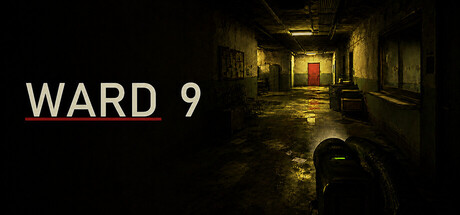
Ward 9 uses developer-curated generative AI tools during production for selected marketing/community artwork, narrative drafting support, and voice/audio asset creation. All AI-assisted content is reviewed, edited, and approved by the developer before inclusion. The game does not use live generative AI to create player-facing content during gameplay.
I created this game solo, using generative AI as one of the tools.
It helped me write the code and also generated the ambient music and
some of the planet textures. Everything else was crafted by hand: the
interface, Fjord and the seals orbiting the Earth aren't drawn images —
they're rendered in code.
Nothing is generated while you play: the game runs fully offline.
And no, I didn't just sit around drinking coffee while the AI did the
work — though I certainly did consume an obscene amount of coffee.
Generative AI tools were used during development to create or process some pre-generated voice audio and selected 2D visual assets, including stylized character and news-related images.
All AI-assisted content is created before release and manually reviewed, edited, and curated by the developer before being included in the game.
No generative AI runs during gameplay, and no player input or data is sent to generative AI services.
Text content only, all pre-generated during development and reviewed by the developer. AI assistance was used to write the in-game story text, the user interface translations for the 8 supported languages, the achievement names and descriptions, and the store page copy. Nothing is generated live at runtime and the game does not connect to any AI service. Art, sprites, capsule images, icons and the soundtrack are NOT AI-generated: they are produced by procedural scripts written by the developer and included in the project source.
All AI involvement is pre-generated and human-reviewed: nothing is generated while you play, the game runs no AI models, and it never sends your data anywhere.
Generative AI tools were used during development to assist with programming and to create some pre-generated 2D visual assets, including icons and promotional artwork. All AI-assisted code and generated assets were reviewed, tested, edited, and integrated by the developer. No generative AI is used while the game is running, and no content is generated live.
Symbiosis: Criticality's narrative and dialogue were developed with the assistance of generative AI as part of an iterative, human-directed writing process. All in-game art, audio, and code were authored directly by the development team.
Generative AI was used for selected visual assets during development. All AI-assisted content was reviewed by the developer. No AI content is generated during gameplay.
I have used generative AI tools to assist in the creation of the character Elara's artwork for the capsule and for the in-game voiceover. All other aspects of the game are entirely handmade. No generative AI is used during gameplay.
AI was used during development to assist with the creation of certain visual elements.
All AI-assisted content is reviewed, edited, and approved by the developer before being integrated into the game.
The game's software architecture, logic scripts, and localization texts were drafted and optimized during the development process with the assistance of Rosebud AI. All assets, graphics, and code within the final application package are static, pre-rendered, and permanently compiled. No live or real-time AI generation occurs during gameplay, and the application does not connect to any external AI services.
This game uses AI-generated art for character illustrations and background images. All AI-generated images were reviewed and manually edited by the developer. AI is NOT used to generate any content during gameplay in real-time. Voice acting is performed by human actors. The story and script were written by a human.
This game contains pre-generated content created with the assistance of generative AI, including selected visual assets, music, sound effects, and written content. All AI-assisted content is reviewed and curated by the developer before release. The game does not use generative AI to create content live while players are playing.
During development, generative AI was used to create initial drafts for some in-game 2D icons, which were then manually retouched. Generative AI was also used to remix original melodies composed and whistled by the developer into background music.
Parts of this game's 2D art were created with the help of generative AI, and every generated asset was reviewed, edited and approved by us before it shipped.
Specifically:
• In-game UI icons (weapon and stat icons) start as AI-generated flat silhouettes, which we then clean up, recolour and integrate by hand.
• Some marketing and store page imagery — background and atmospheric layers of our capsule art — is AI-generated.
• Parts of the source code and some store page text were written with AI assistance and then reviewed, edited and tested by the developers.
Everything else is made by hand, without generative AI: the logo, the app icon and mascot, all 3D models, materials, shaders and visual effects, level layouts.
No generative AI runs while you play. The game does not create content or code at runtime, and it never connects to an external AI service.
As a solo developer, I used generative AI tools during the development process to assist with creating game assets (such as character artwork and item graphics), composing background music, and generating or refining code snippets. All AI-assisted content was pre-generated prior to release and manually curated. No AI content is generated live during gameplay.
Some pre-made content was created with the help of generative AI and curated by the developer: promotional/splash artwork and some item icons, several source 3D meshes, background music tracks, and portions of in-game flavor text. The game does not generate any content at runtime.
Iron Command uses generative AI for part of its content:
• 3D models and their textures were generated with AI. Every model was then cleaned up, scaled, oriented and assembled into the game by hand.
• The key art used on the title screen and for the store images was generated with an image model and edited afterwards.
• The spoken mission briefings and unit voice lines are produced with a text-to-speech system from scripts written by the developer.
Game design, programming, level design, balancing and all written text are the developer's own work, created without generative AI.
Terran Dawn is a solo-developed game, and generative AI tools were used
during its production. Everything AI-assisted is created ahead of time and
shipped as fixed files inside the build: the game generates nothing while
you play, contacts no AI service at runtime, and sends no player data
anywhere.
Where these tools were used:
- 3D assets: ship, station and building meshes were produced with AI
text-to-3D generation, then rescaled, re-oriented, re-textured and
hand-corrected to fit the engine.
- 2D art and textures: interface illustrations, encyclopedia art and some
surface textures were generated from hand-written prompts and edited
afterwards.
- Sound effects: a portion of the weapon, interface and explosion sounds
were generated with AI audio tools, then trimmed and mixed by hand.
- Music: the soundtrack was created with AI music generation.
- Voice-over: mission briefings and in-mission radio lines are AI
text-to-speech, performed from scripts written by the developer.
- Video transmissions: the in-game character broadcasts use a licensed
synthetic presenter and synthetic voice to deliver dialogue written by
the developer.
- Translation: the game's text was translated into its supported languages
with the help of an AI language model.
- Some of the game's source code was written with AI coding assistants.
The game's design, story, missions, rules and balance are written by the
developer. No generative AI runs while the game is playing.
AI-assisted tools were used solely during development to support programming tasks such as coding, debugging, and refactoring. All resulting code was reviewed, tested, and integrated by the developer. The game does not generate content using AI during gameplay.
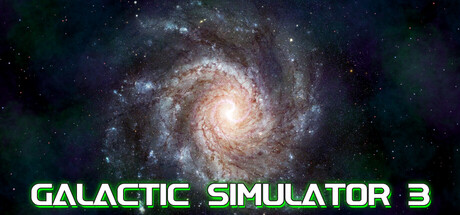
Some store, library, and marketing images were created with a generative image tool, then cropped and composited to Steam sizes. The playable game does not generate AI content at runtime. In-game planets, textures, and simulation are not live AI.
YOU IN? uses pre-generated instrumental music created with Suno for its title, stage, and boss tracks. Generative AI is also used to create promotional artwork for the Steam store page, including capsule artwork, and to assist with portions of the store-page and marketing text. All AI-assisted material is directed, selected, reviewed, and edited by the developer. The game does not generate AI content during gameplay or connect to external AI services.
The visual assets in the game are generated using AI, including UI elements, map backgrounds, equipment icons, in-game items, and character animations.
The programming code of the game is generated using AI.
Generative AI was used to create a small number of 3D models and art assets. All game code, design, and gameplay systems were created without the use of Generative AI.
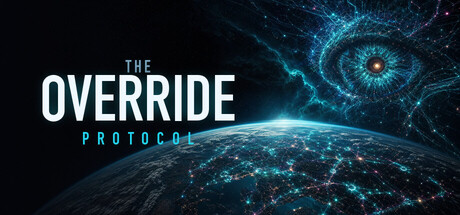
OVERRIDE ships some assets that were created with generative AI tools during development and are included pre-rendered in the game: part of the 2D artwork (store and library capsules, background images, and stylized fictional character portraits) and parts of the music/soundtrack. All game design, simulation, code, and in-game text are authored by the developer. The game does not generate any content live during play and does not connect to any external AI service.
The game does not generate AI content during play.
Generative AI tools assisted development and contributed to some pre-generated content used in the game or its marketing. All shipped content was selected, edited, reviewed, and integrated by the development team, and the final product reflects our own creative direction.
Generative AI tools were used during development to assist with the creation of pre-generated visual assets, including some game artwork and Steam store/marketing assets. All generated content is reviewed and curated before inclusion in the game or its marketing materials. The game does not generate AI content during gameplay.
We use generative AI in two limited ways.
Translation. Simplified Chinese, German, Japanese, and Brazilian Portuguese were machine-translated so the story reaches more players. English, Turkish, French, and Spanish were localized by our international friends and us. However, AI translation can miss nuance, so we warmly welcome player feedback to improve it.
Placeholder art. Three images are AI-generated: the Prologue background and the Mentor and Player portraits. They are placeholders. We believe in human expression and will replace them with commissioned art once the game has an audience.
Everything else (code, design, and all other artwork) is made by human hands.
Generative AI tools were used in the artwork production process for this game. The resulting images were selected, edited, and integrated by the developer to match the game’s atmosphere and direction.
AI image tools supported the creation of some 2D illustrations and promotional assets. Every asset was designed, reworked, and finished by our artists, and all writing, game design, and code are entirely human-made. Nothing in the game is AI-generated at runtime.
I used generative AI in the process of creating most art/visual assets in Trouble Shooters, with touch ups made after generation. Music and sound effects were either composed without the use of generative AI or sourced from sound libraries that predate generative AI workflows. Nothing is generated on-the-fly.
Generative AI tools were used during development to assist with creating and refining some 2D artwork, visual assets, and promotional images. All AI-assisted content is pre-generated, reviewed, and edited by the developer before inclusion. The game does not generate AI content during gameplay and does not send player data to generative AI services.
We use generative AI across all disciplines of game development with heavy amounts of human editing. That involves audio and visual art. We use it as a productivity tool so we can achieve a higher level of quality, faster, than we would have been able to.
Ward 9 uses developer-curated generative AI tools during production for selected marketing/community artwork, narrative drafting support, and voice/audio asset creation. All AI-assisted content is reviewed, edited, and approved by the developer before inclusion. The game does not use live generative AI to create player-facing content during gameplay.
I created this game solo, using generative AI as one of the tools.
It helped me write the code and also generated the ambient music and
some of the planet textures. Everything else was crafted by hand: the
interface, Fjord and the seals orbiting the Earth aren't drawn images —
they're rendered in code.
Nothing is generated while you play: the game runs fully offline.
And no, I didn't just sit around drinking coffee while the AI did the
work — though I certainly did consume an obscene amount of coffee.
Generative AI tools were used during development to create or process some pre-generated voice audio and selected 2D visual assets, including stylized character and news-related images.
All AI-assisted content is created before release and manually reviewed, edited, and curated by the developer before being included in the game.
No generative AI runs during gameplay, and no player input or data is sent to generative AI services.
Text content only, all pre-generated during development and reviewed by the developer. AI assistance was used to write the in-game story text, the user interface translations for the 8 supported languages, the achievement names and descriptions, and the store page copy. Nothing is generated live at runtime and the game does not connect to any AI service. Art, sprites, capsule images, icons and the soundtrack are NOT AI-generated: they are produced by procedural scripts written by the developer and included in the project source.
All AI involvement is pre-generated and human-reviewed: nothing is generated while you play, the game runs no AI models, and it never sends your data anywhere.
Generative AI tools were used during development to assist with programming and to create some pre-generated 2D visual assets, including icons and promotional artwork. All AI-assisted code and generated assets were reviewed, tested, edited, and integrated by the developer. No generative AI is used while the game is running, and no content is generated live.
Symbiosis: Criticality's narrative and dialogue were developed with the assistance of generative AI as part of an iterative, human-directed writing process. All in-game art, audio, and code were authored directly by the development team.
Generative AI was used for selected visual assets during development. All AI-assisted content was reviewed by the developer. No AI content is generated during gameplay.
I have used generative AI tools to assist in the creation of the character Elara's artwork for the capsule and for the in-game voiceover. All other aspects of the game are entirely handmade. No generative AI is used during gameplay.
AI was used during development to assist with the creation of certain visual elements.
All AI-assisted content is reviewed, edited, and approved by the developer before being integrated into the game.
The game's software architecture, logic scripts, and localization texts were drafted and optimized during the development process with the assistance of Rosebud AI. All assets, graphics, and code within the final application package are static, pre-rendered, and permanently compiled. No live or real-time AI generation occurs during gameplay, and the application does not connect to any external AI services.
This game uses AI-generated art for character illustrations and background images. All AI-generated images were reviewed and manually edited by the developer. AI is NOT used to generate any content during gameplay in real-time. Voice acting is performed by human actors. The story and script were written by a human.
This game contains pre-generated content created with the assistance of generative AI, including selected visual assets, music, sound effects, and written content. All AI-assisted content is reviewed and curated by the developer before release. The game does not use generative AI to create content live while players are playing.
During development, generative AI was used to create initial drafts for some in-game 2D icons, which were then manually retouched. Generative AI was also used to remix original melodies composed and whistled by the developer into background music.
Parts of this game's 2D art were created with the help of generative AI, and every generated asset was reviewed, edited and approved by us before it shipped.
Specifically:
• In-game UI icons (weapon and stat icons) start as AI-generated flat silhouettes, which we then clean up, recolour and integrate by hand.
• Some marketing and store page imagery — background and atmospheric layers of our capsule art — is AI-generated.
• Parts of the source code and some store page text were written with AI assistance and then reviewed, edited and tested by the developers.
Everything else is made by hand, without generative AI: the logo, the app icon and mascot, all 3D models, materials, shaders and visual effects, level layouts.
No generative AI runs while you play. The game does not create content or code at runtime, and it never connects to an external AI service.
As a solo developer, I used generative AI tools during the development process to assist with creating game assets (such as character artwork and item graphics), composing background music, and generating or refining code snippets. All AI-assisted content was pre-generated prior to release and manually curated. No AI content is generated live during gameplay.
Some pre-made content was created with the help of generative AI and curated by the developer: promotional/splash artwork and some item icons, several source 3D meshes, background music tracks, and portions of in-game flavor text. The game does not generate any content at runtime.
Iron Command uses generative AI for part of its content:
• 3D models and their textures were generated with AI. Every model was then cleaned up, scaled, oriented and assembled into the game by hand.
• The key art used on the title screen and for the store images was generated with an image model and edited afterwards.
• The spoken mission briefings and unit voice lines are produced with a text-to-speech system from scripts written by the developer.
Game design, programming, level design, balancing and all written text are the developer's own work, created without generative AI.
Terran Dawn is a solo-developed game, and generative AI tools were used
during its production. Everything AI-assisted is created ahead of time and
shipped as fixed files inside the build: the game generates nothing while
you play, contacts no AI service at runtime, and sends no player data
anywhere.
Where these tools were used:
- 3D assets: ship, station and building meshes were produced with AI
text-to-3D generation, then rescaled, re-oriented, re-textured and
hand-corrected to fit the engine.
- 2D art and textures: interface illustrations, encyclopedia art and some
surface textures were generated from hand-written prompts and edited
afterwards.
- Sound effects: a portion of the weapon, interface and explosion sounds
were generated with AI audio tools, then trimmed and mixed by hand.
- Music: the soundtrack was created with AI music generation.
- Voice-over: mission briefings and in-mission radio lines are AI
text-to-speech, performed from scripts written by the developer.
- Video transmissions: the in-game character broadcasts use a licensed
synthetic presenter and synthetic voice to deliver dialogue written by
the developer.
- Translation: the game's text was translated into its supported languages
with the help of an AI language model.
- Some of the game's source code was written with AI coding assistants.
The game's design, story, missions, rules and balance are written by the
developer. No generative AI runs while the game is playing.
AI-assisted tools were used solely during development to support programming tasks such as coding, debugging, and refactoring. All resulting code was reviewed, tested, and integrated by the developer. The game does not generate content using AI during gameplay.
Some store, library, and marketing images were created with a generative image tool, then cropped and composited to Steam sizes. The playable game does not generate AI content at runtime. In-game planets, textures, and simulation are not live AI.
YOU IN? uses pre-generated instrumental music created with Suno for its title, stage, and boss tracks. Generative AI is also used to create promotional artwork for the Steam store page, including capsule artwork, and to assist with portions of the store-page and marketing text. All AI-assisted material is directed, selected, reviewed, and edited by the developer. The game does not generate AI content during gameplay or connect to external AI services.
The visual assets in the game are generated using AI, including UI elements, map backgrounds, equipment icons, in-game items, and character animations.
The programming code of the game is generated using AI.
Generative AI was used to create a small number of 3D models and art assets. All game code, design, and gameplay systems were created without the use of Generative AI.
OVERRIDE ships some assets that were created with generative AI tools during development and are included pre-rendered in the game: part of the 2D artwork (store and library capsules, background images, and stylized fictional character portraits) and parts of the music/soundtrack. All game design, simulation, code, and in-game text are authored by the developer. The game does not generate any content live during play and does not connect to any external AI service.
The game does not generate AI content during play.
Generative AI tools assisted development and contributed to some pre-generated content used in the game or its marketing. All shipped content was selected, edited, reviewed, and integrated by the development team, and the final product reflects our own creative direction.