Public Steam disclosure research25,376 disclosures tracked
Where do games disclose AI use?
Search developers’ Steam disclosures, compare classified AI use across
games, and follow recorded changes.
This index adds cross-game classifications and statistics to
statements published on individual store pages.
Groups reflect automatic analysis of public disclosures; mature records are excluded. These counts do not measure AI use across all of Steam.
Missing or unclear statements cannot establish whether a game uses AI.
Character voices, and some of the sound effects and music, were pre-generated with AI voice and audio tools and then edited and mixed by the developer. The dialogue, store text and Korean/English translations were written with the help of an AI assistant and reviewed by the developer. All ships, cockpit and environments are in-engine 3D models, and the store images and trailer are in-game captures. No AI content is generated while you play.
Everything is AI Assisted
only thing that isn't AI Assisted is the Soundtrack, If i release the Soundtracks on Steam they made by my Friends Imogen and Orlando.
Generative AI tools were used during development to help create code, 2D art and text, including draft translations. The developer directed, selected and assembled all of it into the game.
No generative AI runs while you play. Meridian, your companion, is scripted rather than a chatbot, and the game sends nothing to AI services. Planets come from the game's own procedural generator, not an AI model.
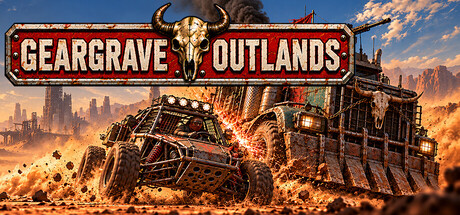
All artwork, music, and sound effects in Geargrave Outlands were created with generative AI tools (images: OpenAI image models; music: Suno; sound effects: ElevenLabs) and then selected, edited, and integrated by the developer. Story text was written with AI assistance and edited by the developer. All translations were produced with AI assistance. All of this content is pre-generated and ships as fixed files. The game does not generate any content with AI while you play.
This game contains pre-generated AI content, all reviewed and edited by the developer:
- Voice acting: every radio and PA line, in English and Turkish, is text-to-speech generated with ElevenLabs.
- Audio: most sound effects and the three music beds were generated with ElevenLabs.
- 3D art: some organic growth props were shaped with an image-to-3D pipeline (SDXL + Hunyuan3D), then UV-unwrapped, baked and finished by hand in Blender.
- 2D art: the still images in the narrated opening were made with an image model.
The game generates nothing with AI while it runs. The trailer, screenshots and capsule art on this page are in-game footage and in-engine captures.
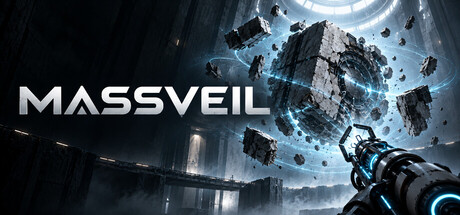
Generative AI tools are used during the development of MASSVEIL to assist with the creation and refinement of certain pre-generated materials, including selected visual elements, sound effects, voice lines, and text content.
All AI-assisted content is reviewed and, where necessary, edited by the developer before being included in the game.
Generative AI is not used to create new content during gameplay, and the game does not connect to third-party AI services while running.
Pre-generated voice audio in the game was created using VOICEPEAK speech synthesis. Generative AI was used for brainstorming and idea development during scenario creation. No AI-generated artwork or visual assets are used in the game.
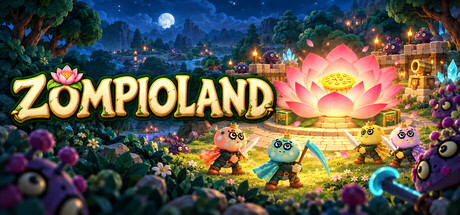
OpenAI's ChatGPT and Codex, including image-generation tools accessed through them, were used during the development of Zompioland. AI-assisted work includes programming and development scripts, code used to construct procedural 3D models and visual effects, interface elements, localization, and written in-game text.
AI assistance was also used to create and prepare pre-generated Steam marketing materials, including capsule and library artwork, header graphics, the game logo, store-page text, and the trailer's planning, titles, and editing. The trailer's gameplay footage was captured from the actual game. Steam gameplay screenshots are direct captures of the game, while AI-assisted promotional artwork is presented as store graphics rather than gameplay screenshots.
The developer reviewed, edited, tested, and integrated the AI-assisted work. Some models and effects are assembled while the game runs by conventional game code; this is not live generative AI. Zompioland does not connect to a generative AI service or use a generative AI model to create new content during gameplay.
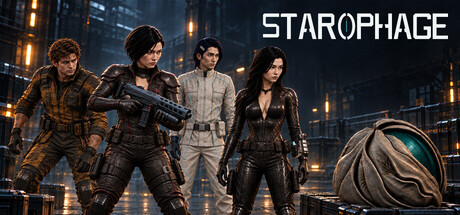
We use generative AI tools as part of STAROPHAGE’s content creation workflow. The final content is selected, refined, and integrated under our development team’s creative direction.
Generative AI tools were used during development to create selected visual and audio assets. All AI-generated content was reviewed, edited, and integrated by the development team.
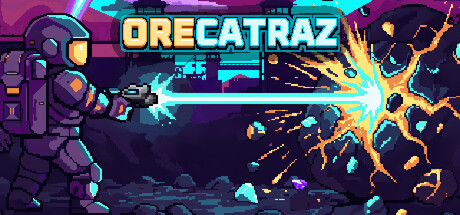
The songs currently featured in the ORECATRAZ demo and playtest were created using AI. During the playtest phase, we aim to connect with musicians who enjoy the game and share our creative vision. Our goal is to replace these AI-generated songs with original music composed specifically for Orecatraz.
AI tools were used to help translate the game's text into other languages and to draft the store page copy. All of it was reviewed by the developer. The game does not generate any content with AI while you play.
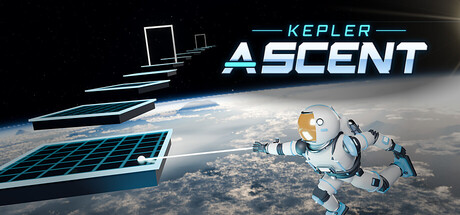
Kepler Ascent was made by an independent developer with the help of generative AI tools. AI was used to write part of the game's text (story and AURA's lines), to compose the music and create AURA's synthesized voice, to build some 3D models and cinematic sets (generated through scripts), and to produce the logo and artwork of this store page (rendered from the game's own models). All of this content was created ahead of time and reviewed by the developer. Nothing is generated by AI while you play.
Some pre-generated artwork was created with the help of generative AI tools and then edited by the developer, including store and marketing images and some loading-screen art. No AI content is generated live while you play, and the game does not connect to any AI service.
Generative AI tools were used to assist with the creation of some pre-generated marketing text and promotional content for the game. The game does not use live-generated AI during gameplay.
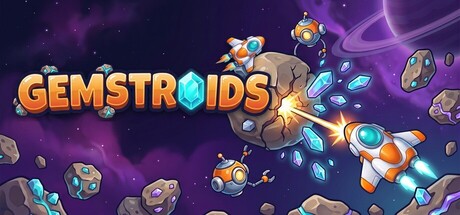
Gemstroids is a solo project, designed and directed by the developer. Art, music, sound effects, the in-game and store page texts and all translations were made with AI tools, then selected, edited and brought into one style by the developer.
Generative AI was used to create some of the game's illustrations and graphical assets, as well as artwork for the Steam store page, including capsule images.
some visual assets and promotional materials for KILL ALL 8.2 BILLION HUMANS were created with the assistance of generative AI tools. All AI-generated content was reviewed, refined, and integrated by the developer to ensure consistency with the game's artistic direction and quality standards.
In the development of this game, artificial intelligence was used in the following areas:
Code and Logic: Game algorithms (including the autopilot systems and the mission generator) were developed with the assistance of AI-powered programming tools and assistants.
Graphics and Audio: Selected graphic/visual elements and the audio design were generated using artificial intelligence tools.
The game does not use generative artificial intelligence to create content in real time during actual gameplay—all assets were pre-generated and are part of the static game content.
Generative AI tools were used during development to create some in-game artwork, including robot sprites and relic icons, and promotional artwork, including the game logo and Steam store artwork. These assets are pre-generated. The game does not generate AI content or connect to AI services during gameplay.
The game's artwork, audio and other assets are not AI-generated. The game engine is written from scratch over the course of 8 months in C++ and Simple DirectMedia Layer 2; in which Codex assistance was used for programming. No content is generated by AI during gameplay. No AI service is used during gameplay. All AI actions in the game are classic decision tree based intelligence made.
Gemini app was used to assist in the Mandarin translations. Gemini app also assisted in reading through Godot's documentation and developing shader code.
Some artwork and promotional images, dialogue, synthesized character voices, and sound effects were created with generative AI tools during development. These are pre-generated, fixed assets. No content is generated by AI during gameplay, and the game does not connect to third-party AI services while you play.
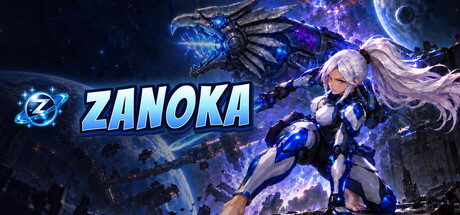
ZANOKA is made by a solo developer. All of its art began as hand-made drawings, sketches and pixel art, including concept art by artist Malaika Raheel. AI-assisted tools were used for polishing, frame interpolation and translation.
AI tools were used under the developer’s creative direction to assist with implementation, interface text, localization, documentation, procedural visuals, and selected promotional artwork, including the manual’s cover. No generative AI runs during gameplay.
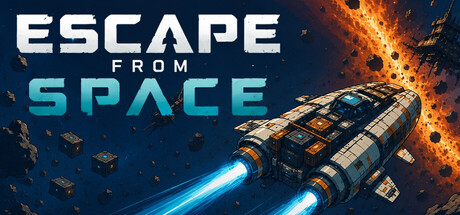
Some promotional artwork for Escape From Space, including images on its Steam store and library pages, was created with the assistance of generative AI and reviewed before use. The game does not generate content with AI during gameplay.
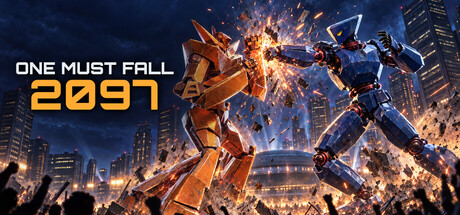
The remake's 3D robots, arenas and animation were produced with AI-assisted generation tools (image-to-3D and image generation) from the original game's designs, then authored, repaired and reviewed by hand in Blender and Unreal. The menu art shown in HD is AI-remastered from the original game's pictures, and the store page artwork was AI-generated from renders of our in-game robots. All AI content is pre-made during development; nothing is generated while you play. The music and sound effects are the original recordings, remastered without AI.
Generative AI was used to assist with some pre-generated 2D artwork. All AI-assisted assets were selected, edited and integrated by the developer. No generative AI is used during gameplay.
Some in-game artwork (sprites, icons and illustrations), sound effects, music and localized text were created with the help of generative AI tools, then edited, curated and reviewed by the developer. No content is generated by AI during gameplay.
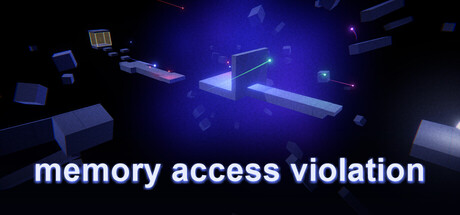
Memory Access Violation was made by a solo developer working with an AI coding assistant, which was used during development:
Code and level design: much of the game's code, including the level-building tools, puzzle layouts, enemy behaviour and vehicle handling, was written with AI assistance. The developer directed, playtested and revised every level. Puzzle solutions were checked by automated solvers so each one is fair.
Visuals: the game's environments, vehicles, mechs and enemies are built in code from simple geometric shapes and custom shaders. No AI image generators were used for in-game art.
AI tools assisted the creation of in-game text and localization, and the development of code used to render pixel artwork and synthesize music and sound effects. The game does not use a generative AI model or service during gameplay.
Some artwork associated with Rocket's Way was created using generative AI tools. This content is pre-generated and does not generate new content during gameplay.
Some of the game's content was created with the help of generative AI tools and then reviewed, edited and integrated by the developer: parts of the 3D unit and vehicle models and their textures, the key art and store artwork, backgrounds, voice lines and music.
Subject Zero was made with an AI assistant. Its code, its written content (the headlines, incidents, exams, the codex and every interface string) and the translations of the interface and the manual were written with Claude (Anthropic) under the developer's direction and review.
The achievement icons on this store page are AI-generated images (Midjourney). The teaser trailer's video clips were generated with Google Veo, its narration was synthesised with ElevenLabs, and its subtitles were machine-translated.
Nothing is generated while you play: the game contains no AI model and calls no online service. Every headline, incident and outcome comes from fixed tables written in advance, and the same seed always plays out the same way.
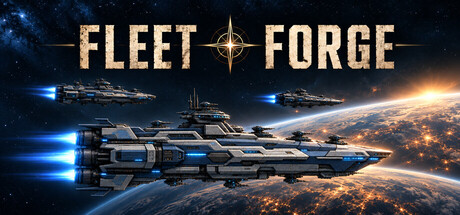
Generative AI tools were used during development to create and refine visual artwork, including spacecraft images, environments, story illustrations, and promotional graphics. This content was prepared during development and is included as fixed assets. Fleet Forge does not generate AI artwork, dialogue, or other content during gameplay.
Character voices, and some of the sound effects and music, were pre-generated with AI voice and audio tools and then edited and mixed by the developer. The dialogue, store text and Korean/English translations were written with the help of an AI assistant and reviewed by the developer. All ships, cockpit and environments are in-engine 3D models, and the store images and trailer are in-game captures. No AI content is generated while you play.
Everything is AI Assisted
only thing that isn't AI Assisted is the Soundtrack, If i release the Soundtracks on Steam they made by my Friends Imogen and Orlando.
Generative AI tools were used during development to help create code, 2D art and text, including draft translations. The developer directed, selected and assembled all of it into the game.
No generative AI runs while you play. Meridian, your companion, is scripted rather than a chatbot, and the game sends nothing to AI services. Planets come from the game's own procedural generator, not an AI model.
All artwork, music, and sound effects in Geargrave Outlands were created with generative AI tools (images: OpenAI image models; music: Suno; sound effects: ElevenLabs) and then selected, edited, and integrated by the developer. Story text was written with AI assistance and edited by the developer. All translations were produced with AI assistance. All of this content is pre-generated and ships as fixed files. The game does not generate any content with AI while you play.
This game contains pre-generated AI content, all reviewed and edited by the developer:
- Voice acting: every radio and PA line, in English and Turkish, is text-to-speech generated with ElevenLabs.
- Audio: most sound effects and the three music beds were generated with ElevenLabs.
- 3D art: some organic growth props were shaped with an image-to-3D pipeline (SDXL + Hunyuan3D), then UV-unwrapped, baked and finished by hand in Blender.
- 2D art: the still images in the narrated opening were made with an image model.
The game generates nothing with AI while it runs. The trailer, screenshots and capsule art on this page are in-game footage and in-engine captures.
Generative AI tools are used during the development of MASSVEIL to assist with the creation and refinement of certain pre-generated materials, including selected visual elements, sound effects, voice lines, and text content.
All AI-assisted content is reviewed and, where necessary, edited by the developer before being included in the game.
Generative AI is not used to create new content during gameplay, and the game does not connect to third-party AI services while running.
Pre-generated voice audio in the game was created using VOICEPEAK speech synthesis. Generative AI was used for brainstorming and idea development during scenario creation. No AI-generated artwork or visual assets are used in the game.
OpenAI's ChatGPT and Codex, including image-generation tools accessed through them, were used during the development of Zompioland. AI-assisted work includes programming and development scripts, code used to construct procedural 3D models and visual effects, interface elements, localization, and written in-game text.
AI assistance was also used to create and prepare pre-generated Steam marketing materials, including capsule and library artwork, header graphics, the game logo, store-page text, and the trailer's planning, titles, and editing. The trailer's gameplay footage was captured from the actual game. Steam gameplay screenshots are direct captures of the game, while AI-assisted promotional artwork is presented as store graphics rather than gameplay screenshots.
The developer reviewed, edited, tested, and integrated the AI-assisted work. Some models and effects are assembled while the game runs by conventional game code; this is not live generative AI. Zompioland does not connect to a generative AI service or use a generative AI model to create new content during gameplay.
We use generative AI tools as part of STAROPHAGE’s content creation workflow. The final content is selected, refined, and integrated under our development team’s creative direction.
Generative AI tools were used during development to create selected visual and audio assets. All AI-generated content was reviewed, edited, and integrated by the development team.
The songs currently featured in the ORECATRAZ demo and playtest were created using AI. During the playtest phase, we aim to connect with musicians who enjoy the game and share our creative vision. Our goal is to replace these AI-generated songs with original music composed specifically for Orecatraz.
AI tools were used to help translate the game's text into other languages and to draft the store page copy. All of it was reviewed by the developer. The game does not generate any content with AI while you play.
Kepler Ascent was made by an independent developer with the help of generative AI tools. AI was used to write part of the game's text (story and AURA's lines), to compose the music and create AURA's synthesized voice, to build some 3D models and cinematic sets (generated through scripts), and to produce the logo and artwork of this store page (rendered from the game's own models). All of this content was created ahead of time and reviewed by the developer. Nothing is generated by AI while you play.
Some pre-generated artwork was created with the help of generative AI tools and then edited by the developer, including store and marketing images and some loading-screen art. No AI content is generated live while you play, and the game does not connect to any AI service.
Generative AI tools were used to assist with the creation of some pre-generated marketing text and promotional content for the game. The game does not use live-generated AI during gameplay.
Gemstroids is a solo project, designed and directed by the developer. Art, music, sound effects, the in-game and store page texts and all translations were made with AI tools, then selected, edited and brought into one style by the developer.
Generative AI was used to create some of the game's illustrations and graphical assets, as well as artwork for the Steam store page, including capsule images.
some visual assets and promotional materials for KILL ALL 8.2 BILLION HUMANS were created with the assistance of generative AI tools. All AI-generated content was reviewed, refined, and integrated by the developer to ensure consistency with the game's artistic direction and quality standards.
In the development of this game, artificial intelligence was used in the following areas:
Code and Logic: Game algorithms (including the autopilot systems and the mission generator) were developed with the assistance of AI-powered programming tools and assistants.
Graphics and Audio: Selected graphic/visual elements and the audio design were generated using artificial intelligence tools.
The game does not use generative artificial intelligence to create content in real time during actual gameplay—all assets were pre-generated and are part of the static game content.
Generative AI tools were used during development to create some in-game artwork, including robot sprites and relic icons, and promotional artwork, including the game logo and Steam store artwork. These assets are pre-generated. The game does not generate AI content or connect to AI services during gameplay.
The game's artwork, audio and other assets are not AI-generated. The game engine is written from scratch over the course of 8 months in C++ and Simple DirectMedia Layer 2; in which Codex assistance was used for programming. No content is generated by AI during gameplay. No AI service is used during gameplay. All AI actions in the game are classic decision tree based intelligence made.
Gemini app was used to assist in the Mandarin translations. Gemini app also assisted in reading through Godot's documentation and developing shader code.
Some artwork and promotional images, dialogue, synthesized character voices, and sound effects were created with generative AI tools during development. These are pre-generated, fixed assets. No content is generated by AI during gameplay, and the game does not connect to third-party AI services while you play.
ZANOKA is made by a solo developer. All of its art began as hand-made drawings, sketches and pixel art, including concept art by artist Malaika Raheel. AI-assisted tools were used for polishing, frame interpolation and translation.
AI tools were used under the developer’s creative direction to assist with implementation, interface text, localization, documentation, procedural visuals, and selected promotional artwork, including the manual’s cover. No generative AI runs during gameplay.
Some promotional artwork for Escape From Space, including images on its Steam store and library pages, was created with the assistance of generative AI and reviewed before use. The game does not generate content with AI during gameplay.
The remake's 3D robots, arenas and animation were produced with AI-assisted generation tools (image-to-3D and image generation) from the original game's designs, then authored, repaired and reviewed by hand in Blender and Unreal. The menu art shown in HD is AI-remastered from the original game's pictures, and the store page artwork was AI-generated from renders of our in-game robots. All AI content is pre-made during development; nothing is generated while you play. The music and sound effects are the original recordings, remastered without AI.
Generative AI was used to assist with some pre-generated 2D artwork. All AI-assisted assets were selected, edited and integrated by the developer. No generative AI is used during gameplay.
Some in-game artwork (sprites, icons and illustrations), sound effects, music and localized text were created with the help of generative AI tools, then edited, curated and reviewed by the developer. No content is generated by AI during gameplay.
Memory Access Violation was made by a solo developer working with an AI coding assistant, which was used during development:
Code and level design: much of the game's code, including the level-building tools, puzzle layouts, enemy behaviour and vehicle handling, was written with AI assistance. The developer directed, playtested and revised every level. Puzzle solutions were checked by automated solvers so each one is fair.
Visuals: the game's environments, vehicles, mechs and enemies are built in code from simple geometric shapes and custom shaders. No AI image generators were used for in-game art.
AI tools assisted the creation of in-game text and localization, and the development of code used to render pixel artwork and synthesize music and sound effects. The game does not use a generative AI model or service during gameplay.
Some artwork associated with Rocket's Way was created using generative AI tools. This content is pre-generated and does not generate new content during gameplay.
Some of the game's content was created with the help of generative AI tools and then reviewed, edited and integrated by the developer: parts of the 3D unit and vehicle models and their textures, the key art and store artwork, backgrounds, voice lines and music.
Subject Zero was made with an AI assistant. Its code, its written content (the headlines, incidents, exams, the codex and every interface string) and the translations of the interface and the manual were written with Claude (Anthropic) under the developer's direction and review.
The achievement icons on this store page are AI-generated images (Midjourney). The teaser trailer's video clips were generated with Google Veo, its narration was synthesised with ElevenLabs, and its subtitles were machine-translated.
Nothing is generated while you play: the game contains no AI model and calls no online service. Every headline, incident and outcome comes from fixed tables written in advance, and the same seed always plays out the same way.
Generative AI tools were used during development to create and refine visual artwork, including spacecraft images, environments, story illustrations, and promotional graphics. This content was prepared during development and is included as fixed assets. Fleet Forge does not generate AI artwork, dialogue, or other content during gameplay.