Public Steam disclosure research25,380 disclosures tracked
Where do games disclose AI use?
Search developers’ Steam disclosures, compare classified AI use across
games, and follow recorded changes.
This index adds cross-game classifications and statistics to
statements published on individual store pages.
Groups reflect automatic analysis of public disclosures; mature records are excluded. These counts do not measure AI use across all of Steam.
Missing or unclear statements cannot establish whether a game uses AI.
The promotional video visuals, character portrait concepts, and trailer voiceovers for this game were assisted by generative AI tools (such as Midjourney and ElevenLabs). All AI-generated assets have been strictly curated, manually edited, and composited by the developer to ensure they match the game's creative vision.
This game was developed with the assistance of generative AI tools.
Character and background artwork was created using Scenario.com.
Sound effects were generated using ElevenLabs, and background music
was composed using Lyria 2. These tools were used to support the
creative vision of a solo indie developer.
Voice overs, translations and character busts are currently being handled by AI.
As a budget limited studio, we want to have everything in place before an artist to work on. These placeholders would reduce the amount of back and forth, rework and hours invested. Everything is directed and supervised by humans.
Voice overs and character busts will be completely replaced by the work of artists by the 1.0 release.
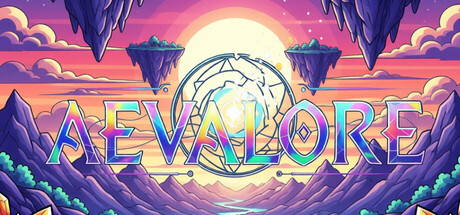
Developing Aevalore solo meant tackling a massive project on my own. To manage the 500+ sprite sheets required, I used generative AI for the artwork (most hand polished for finish) and 90% of the music. Some of the music was made by a friend and me. This allowed me to pour all my energy into coding the 81-ability system, 12+ unique characters and crafting the world. These tools didn't replace my vision; they made it possible for a solo dev to build it.
This game uses AI-generated pixel art for character sprites, enemy sprites, and environmental tiles, created using PixelLab. All AI-generated assets were reviewed, selected, and in some cases modified by the developer before inclusion in the game.
"This game utilizes generative AI to create temporary placeholders for art assets, which will be replaced by final, custom artwork as development progresses.
This game uses pre-rendered AI-generated artwork for character portraits, UI backgrounds, and event venues. All AI-generated assets have been reviewed and curated to fit the game's theme.
All visual assets (sprites, terrain, UI, capsule art) were AI-generated and then manually edited in GIMP. Game design, direction, and integration were done entirely by the solo developer.
This game uses AI-generated images for character portraits, standing illustrations, and some backgrounds.
All generated assets have been revised and refined, and do not infringe on any existing copyrights or rights.
Generative AI was not used for in-game art, gameplay assets, systems, or core game content.
AI translation tools were used only for some additional text added later during development. Most localization was handled by a professional translation vendor.
The only AI-generated visual assets currently used are the Steam header capsule and library logo illustrations, which were manually retouched. They are not used inside the actual game, and I plan to replace them after release if the game earns enough revenue.
Generative AI tools were used exclusively for the creation of marketing materials and store capsules. No generative AI was used to create the in-game assets, which consist of a mix of custom work and hand-crafted assets from third-party creators.
This product uses pre-generated AI-assisted content during development. AI tools were used to help create some promotional artwork, selected visual assets, and some development-support content such as text or localization assistance. The game does not use live-generated AI during gameplay.
Initial concept art was generated using AI tools, followed by manual adjustments and modifications by artists. The final artwork combines AI-generated base designs with human-made artistic revisions.
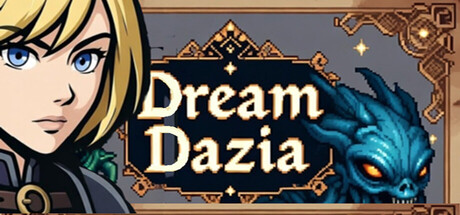
Grok AI was used in order to make some of the pictures in the library, game store page, and some intro./outro. picture in the game representing Dream Dazia.
AI-Assisted Development Disclosure
This game constructs a sprawling metropolis encompassing hundreds of locations and nearly 2,000 characters. To realize this scope, we have employed AI-assisted creation tools. AI generation contributed to: character portraits and environmental artwork; portions of dialogue and translated text; and select musical assets.
We firmly believe AI serves as a means to build more ambitious worlds and richer content. With AI assistance, our vision of simulating a living, breathing city has become achievable. We hope for your understanding and support.
This game uses generative AI-assisted tools in a small amount of non-core content, such as certain event illustration backgrounds, world map event displays, and some promotional materials used on the store page.
The core content of the game, including gameplay design, combat systems, character design, primary visual presentation, and programming, has been manually created and refined by the developer. AI-generated content is used only for supplementary visual purposes and does not affect the core gameplay experience.
During the development process, we utilized generative AI to assist in creating preliminary assets for backgrounds, characters, UI concepts, as well as initial drafts for music and video elements. All related assets were subsequently refined and manually adjusted by our professional art, sound, and video teams to ensure they align perfectly with the game’s unique artistic style and meet our high-quality standards.
During the game's Early Access (EA) phase, we used AI to quickly build gameplay prototypes, including some art assets. These assets will be iteratively replaced upon the official 1.0 release.
Some promotional images were created or enhanced using generative AI tools. The game also contains AI-generated voice narration. All AI-generated content was reviewed and integrated by the developer
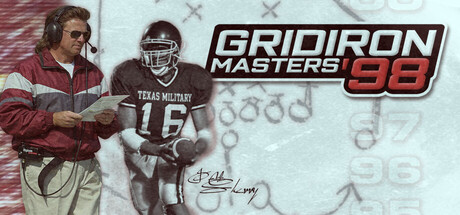
About 98% of the art assets in this game are human authored. 100% are human edited.
Which assets used ai:
-7 pro logos that could not be satisfied with dev skills or outsourcing
-The purple images in the SportsZone intro. These were generated because no public domain photos of 1990s era football players exist and pixel art or digital art were not appropriate.
-The studio background and suit.
-The store page assets used public domain images which then received minor ai changes, colors, hair, text, etc. This was done because they needed to look like real photos rather than obvious composites.
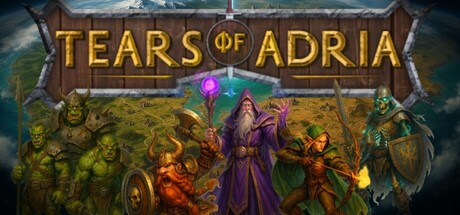
Tears of Adria was created by a very small team.
We used our resources to work with three talented artists. Most portraits along with some icons and images are AI-created.
Voice lines are primarily performed by real voice actors, very few are generated and some are AI enhanced.
Some visual assets used in the store page and marketing materials may include AI-assisted elements. These assets are reviewed and modified by the development team to ensure quality and consistency with the game's art direction.
Some scenery/environment visual elements (map backgrounds) were created with the assistance of generative AI tools during development and were later reviewed, edited, and integrated manually by the team. All other game content — characters, UI, icons, gameplay sprites, tilesets, audio and text — was produced without generative AI, using original artwork and/or licensed third-party assets.
The promotional video visuals, character portrait concepts, and trailer voiceovers for this game were assisted by generative AI tools (such as Midjourney and ElevenLabs). All AI-generated assets have been strictly curated, manually edited, and composited by the developer to ensure they match the game's creative vision.
This game was developed with the assistance of generative AI tools.
Character and background artwork was created using Scenario.com.
Sound effects were generated using ElevenLabs, and background music
was composed using Lyria 2. These tools were used to support the
creative vision of a solo indie developer.
Voice overs, translations and character busts are currently being handled by AI.
As a budget limited studio, we want to have everything in place before an artist to work on. These placeholders would reduce the amount of back and forth, rework and hours invested. Everything is directed and supervised by humans.
Voice overs and character busts will be completely replaced by the work of artists by the 1.0 release.
Developing Aevalore solo meant tackling a massive project on my own. To manage the 500+ sprite sheets required, I used generative AI for the artwork (most hand polished for finish) and 90% of the music. Some of the music was made by a friend and me. This allowed me to pour all my energy into coding the 81-ability system, 12+ unique characters and crafting the world. These tools didn't replace my vision; they made it possible for a solo dev to build it.
This game uses AI-generated pixel art for character sprites, enemy sprites, and environmental tiles, created using PixelLab. All AI-generated assets were reviewed, selected, and in some cases modified by the developer before inclusion in the game.
"This game utilizes generative AI to create temporary placeholders for art assets, which will be replaced by final, custom artwork as development progresses.
This game uses pre-rendered AI-generated artwork for character portraits, UI backgrounds, and event venues. All AI-generated assets have been reviewed and curated to fit the game's theme.
All visual assets (sprites, terrain, UI, capsule art) were AI-generated and then manually edited in GIMP. Game design, direction, and integration were done entirely by the solo developer.
This game uses AI-generated images for character portraits, standing illustrations, and some backgrounds.
All generated assets have been revised and refined, and do not infringe on any existing copyrights or rights.
Generative AI was not used for in-game art, gameplay assets, systems, or core game content.
AI translation tools were used only for some additional text added later during development. Most localization was handled by a professional translation vendor.
The only AI-generated visual assets currently used are the Steam header capsule and library logo illustrations, which were manually retouched. They are not used inside the actual game, and I plan to replace them after release if the game earns enough revenue.
Generative AI tools were used exclusively for the creation of marketing materials and store capsules. No generative AI was used to create the in-game assets, which consist of a mix of custom work and hand-crafted assets from third-party creators.
This product uses pre-generated AI-assisted content during development. AI tools were used to help create some promotional artwork, selected visual assets, and some development-support content such as text or localization assistance. The game does not use live-generated AI during gameplay.
Initial concept art was generated using AI tools, followed by manual adjustments and modifications by artists. The final artwork combines AI-generated base designs with human-made artistic revisions.
Grok AI was used in order to make some of the pictures in the library, game store page, and some intro./outro. picture in the game representing Dream Dazia.
AI-Assisted Development Disclosure
This game constructs a sprawling metropolis encompassing hundreds of locations and nearly 2,000 characters. To realize this scope, we have employed AI-assisted creation tools. AI generation contributed to: character portraits and environmental artwork; portions of dialogue and translated text; and select musical assets.
We firmly believe AI serves as a means to build more ambitious worlds and richer content. With AI assistance, our vision of simulating a living, breathing city has become achievable. We hope for your understanding and support.
This game uses generative AI-assisted tools in a small amount of non-core content, such as certain event illustration backgrounds, world map event displays, and some promotional materials used on the store page.
The core content of the game, including gameplay design, combat systems, character design, primary visual presentation, and programming, has been manually created and refined by the developer. AI-generated content is used only for supplementary visual purposes and does not affect the core gameplay experience.
During the development process, we utilized generative AI to assist in creating preliminary assets for backgrounds, characters, UI concepts, as well as initial drafts for music and video elements. All related assets were subsequently refined and manually adjusted by our professional art, sound, and video teams to ensure they align perfectly with the game’s unique artistic style and meet our high-quality standards.
During the game's Early Access (EA) phase, we used AI to quickly build gameplay prototypes, including some art assets. These assets will be iteratively replaced upon the official 1.0 release.
Some promotional images were created or enhanced using generative AI tools. The game also contains AI-generated voice narration. All AI-generated content was reviewed and integrated by the developer
About 98% of the art assets in this game are human authored. 100% are human edited.
Which assets used ai:
-7 pro logos that could not be satisfied with dev skills or outsourcing
-The purple images in the SportsZone intro. These were generated because no public domain photos of 1990s era football players exist and pixel art or digital art were not appropriate.
-The studio background and suit.
-The store page assets used public domain images which then received minor ai changes, colors, hair, text, etc. This was done because they needed to look like real photos rather than obvious composites.
Tears of Adria was created by a very small team.
We used our resources to work with three talented artists. Most portraits along with some icons and images are AI-created.
Voice lines are primarily performed by real voice actors, very few are generated and some are AI enhanced.
Some visual assets used in the store page and marketing materials may include AI-assisted elements. These assets are reviewed and modified by the development team to ensure quality and consistency with the game's art direction.
Some scenery/environment visual elements (map backgrounds) were created with the assistance of generative AI tools during development and were later reviewed, edited, and integrated manually by the team. All other game content — characters, UI, icons, gameplay sprites, tilesets, audio and text — was produced without generative AI, using original artwork and/or licensed third-party assets.