Public Steam disclosure research25,376 disclosures tracked
Where do games disclose AI use?
Search developers’ Steam disclosures, compare classified AI use across
games, and follow recorded changes.
This index adds cross-game classifications and statistics to
statements published on individual store pages.
Groups reflect automatic analysis of public disclosures; mature records are excluded. These counts do not measure AI use across all of Steam.
Missing or unclear statements cannot establish whether a game uses AI.
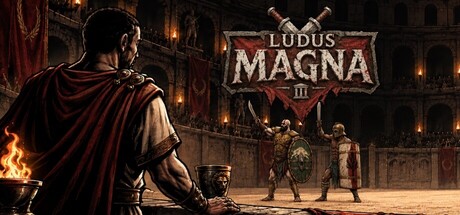
Ludus Magna uses pre-generated, AI-assisted content created during development. This includes parts of the game's visual content such as character portraits, backgrounds and other illustrations, as well as AI-assisted text and localization. All content is selected, edited and reviewed by the developer before being included in the game. No generative AI content is created while the game is running.
Generative AI tools were used during development to create visual assets, including character artwork, environments, and visual effects, as well as in-game music. AI tools also assisted with promotional artwork and the translation of store descriptions. These contents were generated during development. The game does not generate content using AI during gameplay.
This game uses generative AI in the creation of some visual elements, including character illustrations and backgrounds; all results were reviewed and retouched by hand. Voice audio is based on dubbing and recordings by real people, which were then converted or refined using generative AI.
Generative AI was used during development to create fixed visual assets, including backgrounds, item and achievement icons, interface artwork, and store marketing art. Some music, ambience, and sound effects were also created with generative AI. AI assisted in-game text and English localization. These assets are included as fixed files. The game does not accept player prompts or generate images, audio, text, or code during play.
Generative AI tools were used during development to create certain content included with the game:
Visual Art: Store/capsule art, character portraits, icons, UI illustrations, map visuals, and textures.
Audio: Narrator voiceovers generated using text-to-speech (TTS) tools, and select ambient sounds.
Music: A portion of the in-game music was generated using AI music tools.
Generative AI tools were used during development to create some artwork, background music, and monster vocal effects. AI tools also assisted with the writing and translation of store-page text. These materials were prepared in advance. The game does not generate AI content or connect to third-party AI services during gameplay.
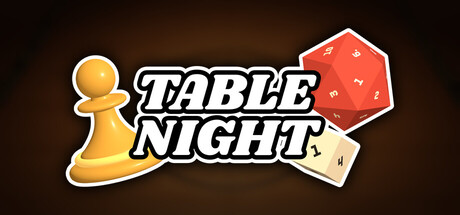
Table Night has an optional AI LLM game master: if the host turns it on with their own AI account, a language model narrates the match and judges what players write, while the game rolls the dice and decides every result. The AI is instructed to keep everything suitable for teens. Players' text is sent to the host's AI provider, and any table can be played with a human game master or none instead.
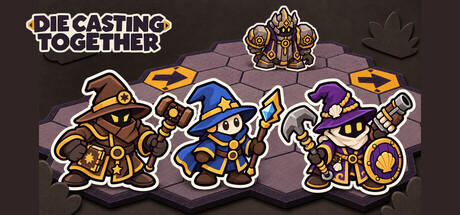
Character, enemy, and terrain sprites and the key art were produced with AI image tools from our own concept art and style references, then selected, corrected, and composited by hand. All game rules, code, writing, board layout, and interface art are made by the developer without generative AI at runtime. The game does not generate content with AI while you play.
Generative AI was used during development to assist with pre-rendered character and environment artwork, animations, music and sound effects, and portions of narrative writing and localization. These materials are included as fixed game assets. The game does not generate AI content or connect to external AI services during gameplay.
Generative AI was used to create some artwork and UI assets, summoning animation videos, and background music. Details of the tools used are listed under Settings > Credits in the game.
During gameplay, AI running on your PC uses the true name and essence you enter to generate Textus data, including abilities and moves, as well as artwork.
Generated results may vary. Depending on the outcome of the safety check, a placeholder explaining why the artwork is unavailable may appear instead of the generated image. The Textus's abilities and moves remain usable.
I used an AI coding assistant while building the game, and it helped come up with the achievement names and descriptions, and some events which I edited. Nothing else in the game is AI generated: the soundtrack is licensed from its creators, the radio voices are my own recordings, and the art and sounds are produced by the game's code.
1) Artwork: card illustrations and other visual assets were created with the help of AI image generation tools, then selected and edited by the developer.
2) Music: the soundtrack was created with the help of AI music generation tools.
Pre-generated: the game's art (character portraits, battle poses, map sprites, painted battlefields and towns, cutscene stills, icons) and music were created with generative AI tools under the developer's direction, then reviewed, edited and assembled by the developer. Live-generated: none. No AI content is generated while you play.
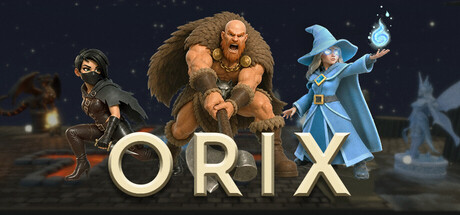
Some of the art in Orix was made with the help of generative AI. The character models were generated from AI-assisted concept art, then edited, retextured, and adjusted by hand for the game. The achievement icons were made the same way. Music and sound effects are licensed from human-made asset packs.
Nothing is generated while you play. Every asset in the game is fixed at build time and identical for every player.
All coding was done by us. Artwork and SFX/Music was again either done by us or bought from third parties. We don't use AI for any creative element of the game.
To make our game playable for as wide an audience as possible we used AI to generate our translations. If you find it's done a poor job in your language, please let us know on discord!
Some visual assets, including map backgrounds, concept art, and hero and creature models, were created with the help of AI image and 3D generation tools. The developer then edited, rigged, animated and integrated them by hand. Some text, including translations into the supported languages and store copy, was drafted with AI assistance and reviewed by the developer. The voice-over in the trailer was generated with an AI voice tool.
The game does not generate any content with AI during gameplay.
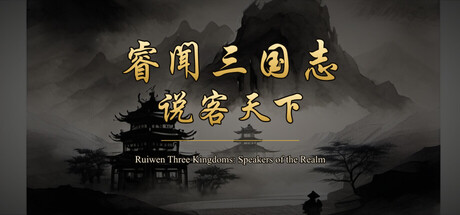
NPC dialogue in Ruiwen’s Romance of the Three Kingdoms: The Life of a Persuader is generated in real‑time by a locally‑running AI model. All content is computed offline on your own device, with no data uploaded to external servers.
The game’s story framework, directed plotlines, numerical judgement rules and ending conditions are all hand‑crafted. The AI is only responsible for generating character conversations.
Multiple safety guardrails are built‑in: automatic profanity detection, historical timeline checks to avoid anachronisms, character‑stance locking and fallback responses. These ensure every line of dialogue fits the character’s identity and historical context.
During the development of FOOTBALL EXECUTIVE 27, generative AI tools were used to assist with parts of the program code, localization, and the editorial review of user interface and in-game text. All AI-assisted content was manually reviewed and revised before being included in the game. No content is generated by generative AI during gameplay, and no player input is transmitted to any external AI service.
Three non-playable characters, the Celestial narrator and the antagonists Vexaroth and Valdris, are voiced with AI-generated voices. All playable characters are voiced by human actors. A small number of sound effects were also created with AI tools. No content is generated by AI while you play.
Various visual and audio assets, translations, and promotional materials were created with the assistance of generative AI tools. All AI-assisted content was selected, reviewed, and integrated by the developer.
No generative AI is used during gameplay, and the game does not generate content in real time.
Generative AI tools were used during production to create character artwork, portraits, and some of the game's illustrations and visual assets. AI tools also assisted with the story, dialogue, and store-page copy, including its English version. These are pre-generated materials; the game does not use generative AI to create new content during gameplay.
Generative AI tools were used during development to create some pre-generated 2D artwork, including item icons, characters and environments, as well as store and marketing materials, including the cinematic teaser. These assets were selected, prepared and integrated by the development team. The game does not generate content using AI during gameplay or connect to external AI services.
Generative AI was used as part of the process of creating some sprites and visual assets, which were then edited and adapted by the team to keep them consistent with the game's final art style.
AI was used as a support tool during development (code assistance and initial image generation). All artwork was individually reworked by hand, and no content is generated live during gameplay.
This game uses generative AI to help create pre-rendered store artwork, chapter illustrations, background music, and the official trailer. Game logic was drafted with AI assistance and reviewed by the developer.
All level design, gameplay mechanics, and in-game text are hand-authored. No copyrighted third-party material was used in any AI output.
Generative AI was used during development to create some promotional artwork, including Steam store capsule images and logo variations. Generative AI is not used during gameplay, and no AI-generated content is created in real time.
Character, monster, and item artwork in this game was pre-generated using AI image generation tools (FLUX.1). No AI-generated content is created live during gameplay, and the game does not connect to any third-party AI service at runtime.
The game's art assets (tile, monster and item sprite atlases) were produced during development using OpenAI's image generation service. We then processed the output ourselves into transparent PNGs and assembled them into atlases, which ship as static assets inside the build. The game does not call any AI service at runtime and contains no live-generated content. Every generated image was manually reviewed and corrected before being added to the atlas. Apart from the art, the code, game design, balance and text involve no AI-generated content.
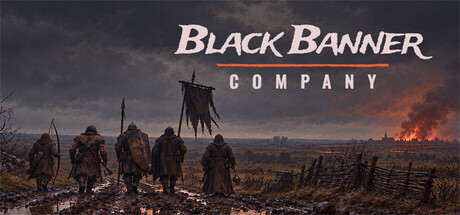
Black Banner Company is made by one person.
What is mine: the design, the rules, the balance, the world, and every decision of tone. Nothing ships that I have not read, corrected or rewritten.
What is AI-assisted:
— the illustrations and part of the interface art;
— the entire English translation;
No AI runs while you play. All content is fixed at build time. No data is sent anywhere.
The English may read awkwardly in places. Tell me where and I'll fix it.
If these tools are a problem for you, I would rather you knew before buying than after.
This game includes content created with the assistance of generative AI tools. Some character and UI artwork was produced using AI image generation (ChatGPT) and then edited by the developer, and the background music was generated using Suno. All AI-assisted assets were reviewed by the developer to ensure they do not infringe the intellectual property of third parties. No AI is used at runtime—all generation occurred during development (pre-generated).
We use our own created small local generative AI models to create Artworks in realtime. Local LLM's are used to interact with the NPC's Text based (Input / Output) in realtime.
Be aware that realtime AI can make mistakes. We put a lot of effort into to make it work properly, but there can still be issues. No external AI models needed so your data stays on your own Computer!
We generally used AI assistance to create Assets in the game, most Assets where highly edited from Human Authoring.
The game was created by strong directed human vision, so everything is unique and my own idea!
Generative AI assisted in creating some in-game and promotional assets. All such content was reviewed and edited by the developer. The game does not generate AI content during gameplay or connect to external AI services.
Ludus Magna uses pre-generated, AI-assisted content created during development. This includes parts of the game's visual content such as character portraits, backgrounds and other illustrations, as well as AI-assisted text and localization. All content is selected, edited and reviewed by the developer before being included in the game. No generative AI content is created while the game is running.
Generative AI tools were used during development to create visual assets, including character artwork, environments, and visual effects, as well as in-game music. AI tools also assisted with promotional artwork and the translation of store descriptions. These contents were generated during development. The game does not generate content using AI during gameplay.
This game uses generative AI in the creation of some visual elements, including character illustrations and backgrounds; all results were reviewed and retouched by hand. Voice audio is based on dubbing and recordings by real people, which were then converted or refined using generative AI.
Generative AI was used during development to create fixed visual assets, including backgrounds, item and achievement icons, interface artwork, and store marketing art. Some music, ambience, and sound effects were also created with generative AI. AI assisted in-game text and English localization. These assets are included as fixed files. The game does not accept player prompts or generate images, audio, text, or code during play.
Generative AI tools were used during development to create certain content included with the game:
Visual Art: Store/capsule art, character portraits, icons, UI illustrations, map visuals, and textures.
Audio: Narrator voiceovers generated using text-to-speech (TTS) tools, and select ambient sounds.
Music: A portion of the in-game music was generated using AI music tools.
Generative AI tools were used during development to create some artwork, background music, and monster vocal effects. AI tools also assisted with the writing and translation of store-page text. These materials were prepared in advance. The game does not generate AI content or connect to third-party AI services during gameplay.
Table Night has an optional AI LLM game master: if the host turns it on with their own AI account, a language model narrates the match and judges what players write, while the game rolls the dice and decides every result. The AI is instructed to keep everything suitable for teens. Players' text is sent to the host's AI provider, and any table can be played with a human game master or none instead.
Character, enemy, and terrain sprites and the key art were produced with AI image tools from our own concept art and style references, then selected, corrected, and composited by hand. All game rules, code, writing, board layout, and interface art are made by the developer without generative AI at runtime. The game does not generate content with AI while you play.
Generative AI was used during development to assist with pre-rendered character and environment artwork, animations, music and sound effects, and portions of narrative writing and localization. These materials are included as fixed game assets. The game does not generate AI content or connect to external AI services during gameplay.
Generative AI was used to create some artwork and UI assets, summoning animation videos, and background music. Details of the tools used are listed under Settings > Credits in the game.
During gameplay, AI running on your PC uses the true name and essence you enter to generate Textus data, including abilities and moves, as well as artwork.
Generated results may vary. Depending on the outcome of the safety check, a placeholder explaining why the artwork is unavailable may appear instead of the generated image. The Textus's abilities and moves remain usable.
I used an AI coding assistant while building the game, and it helped come up with the achievement names and descriptions, and some events which I edited. Nothing else in the game is AI generated: the soundtrack is licensed from its creators, the radio voices are my own recordings, and the art and sounds are produced by the game's code.
1) Artwork: card illustrations and other visual assets were created with the help of AI image generation tools, then selected and edited by the developer.
2) Music: the soundtrack was created with the help of AI music generation tools.
Pre-generated: the game's art (character portraits, battle poses, map sprites, painted battlefields and towns, cutscene stills, icons) and music were created with generative AI tools under the developer's direction, then reviewed, edited and assembled by the developer. Live-generated: none. No AI content is generated while you play.
Some of the art in Orix was made with the help of generative AI. The character models were generated from AI-assisted concept art, then edited, retextured, and adjusted by hand for the game. The achievement icons were made the same way. Music and sound effects are licensed from human-made asset packs.
Nothing is generated while you play. Every asset in the game is fixed at build time and identical for every player.
All coding was done by us. Artwork and SFX/Music was again either done by us or bought from third parties. We don't use AI for any creative element of the game.
To make our game playable for as wide an audience as possible we used AI to generate our translations. If you find it's done a poor job in your language, please let us know on discord!
Some visual assets, including map backgrounds, concept art, and hero and creature models, were created with the help of AI image and 3D generation tools. The developer then edited, rigged, animated and integrated them by hand. Some text, including translations into the supported languages and store copy, was drafted with AI assistance and reviewed by the developer. The voice-over in the trailer was generated with an AI voice tool.
The game does not generate any content with AI during gameplay.
NPC dialogue in Ruiwen’s Romance of the Three Kingdoms: The Life of a Persuader is generated in real‑time by a locally‑running AI model. All content is computed offline on your own device, with no data uploaded to external servers.
The game’s story framework, directed plotlines, numerical judgement rules and ending conditions are all hand‑crafted. The AI is only responsible for generating character conversations.
Multiple safety guardrails are built‑in: automatic profanity detection, historical timeline checks to avoid anachronisms, character‑stance locking and fallback responses. These ensure every line of dialogue fits the character’s identity and historical context.
During the development of FOOTBALL EXECUTIVE 27, generative AI tools were used to assist with parts of the program code, localization, and the editorial review of user interface and in-game text. All AI-assisted content was manually reviewed and revised before being included in the game. No content is generated by generative AI during gameplay, and no player input is transmitted to any external AI service.
Three non-playable characters, the Celestial narrator and the antagonists Vexaroth and Valdris, are voiced with AI-generated voices. All playable characters are voiced by human actors. A small number of sound effects were also created with AI tools. No content is generated by AI while you play.
Various visual and audio assets, translations, and promotional materials were created with the assistance of generative AI tools. All AI-assisted content was selected, reviewed, and integrated by the developer.
No generative AI is used during gameplay, and the game does not generate content in real time.
Generative AI tools were used during production to create character artwork, portraits, and some of the game's illustrations and visual assets. AI tools also assisted with the story, dialogue, and store-page copy, including its English version. These are pre-generated materials; the game does not use generative AI to create new content during gameplay.
Generative AI tools were used during development to create some pre-generated 2D artwork, including item icons, characters and environments, as well as store and marketing materials, including the cinematic teaser. These assets were selected, prepared and integrated by the development team. The game does not generate content using AI during gameplay or connect to external AI services.
Generative AI was used as part of the process of creating some sprites and visual assets, which were then edited and adapted by the team to keep them consistent with the game's final art style.
AI was used as a support tool during development (code assistance and initial image generation). All artwork was individually reworked by hand, and no content is generated live during gameplay.
This game uses generative AI to help create pre-rendered store artwork, chapter illustrations, background music, and the official trailer. Game logic was drafted with AI assistance and reviewed by the developer.
All level design, gameplay mechanics, and in-game text are hand-authored. No copyrighted third-party material was used in any AI output.
Generative AI was used during development to create some promotional artwork, including Steam store capsule images and logo variations. Generative AI is not used during gameplay, and no AI-generated content is created in real time.
Character, monster, and item artwork in this game was pre-generated using AI image generation tools (FLUX.1). No AI-generated content is created live during gameplay, and the game does not connect to any third-party AI service at runtime.
The game's art assets (tile, monster and item sprite atlases) were produced during development using OpenAI's image generation service. We then processed the output ourselves into transparent PNGs and assembled them into atlases, which ship as static assets inside the build. The game does not call any AI service at runtime and contains no live-generated content. Every generated image was manually reviewed and corrected before being added to the atlas. Apart from the art, the code, game design, balance and text involve no AI-generated content.
Black Banner Company is made by one person.
What is mine: the design, the rules, the balance, the world, and every decision of tone. Nothing ships that I have not read, corrected or rewritten.
What is AI-assisted:
— the illustrations and part of the interface art;
— the entire English translation;
No AI runs while you play. All content is fixed at build time. No data is sent anywhere.
The English may read awkwardly in places. Tell me where and I'll fix it.
If these tools are a problem for you, I would rather you knew before buying than after.
This game includes content created with the assistance of generative AI tools. Some character and UI artwork was produced using AI image generation (ChatGPT) and then edited by the developer, and the background music was generated using Suno. All AI-assisted assets were reviewed by the developer to ensure they do not infringe the intellectual property of third parties. No AI is used at runtime—all generation occurred during development (pre-generated).
We use our own created small local generative AI models to create Artworks in realtime. Local LLM's are used to interact with the NPC's Text based (Input / Output) in realtime.
Be aware that realtime AI can make mistakes. We put a lot of effort into to make it work properly, but there can still be issues. No external AI models needed so your data stays on your own Computer!
We generally used AI assistance to create Assets in the game, most Assets where highly edited from Human Authoring.
The game was created by strong directed human vision, so everything is unique and my own idea!
Generative AI assisted in creating some in-game and promotional assets. All such content was reviewed and edited by the developer. The game does not generate AI content during gameplay or connect to external AI services.