Public Steam disclosure research25,380 disclosures tracked
Where do games disclose AI use?
Search developers’ Steam disclosures, compare classified AI use across
games, and follow recorded changes.
This index adds cross-game classifications and statistics to
statements published on individual store pages.
Groups reflect automatic analysis of public disclosures; mature records are excluded. These counts do not measure AI use across all of Steam.
Missing or unclear statements cannot establish whether a game uses AI.
Generative AI tools were used during development to assist in creating some visual assets, audio, and other game content. All AI-assisted content included in the final game was reviewed and selected by the developer.
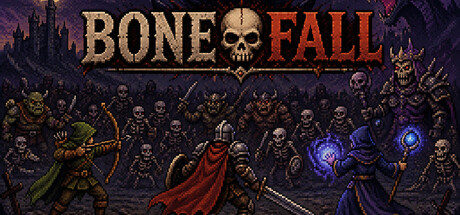
Some art in Bonefall was made with generative AI tools and then cut, edited and fitted into the game by hand: the opening cinematic, the title-screen key art, the store and marketing art, and parts of the environment (the graveyard floor and scenery, the boss pillars). The Russian, Korean and Simplified Chinese translations were drafted with AI assistance. The heroes and monsters are human-made open-licensed pixel art (the Liberated Pixel Cup collection, credited in the game), and the sound effects are CC0 recordings. Nothing is generated while you play.
This game uses generative AI-assisted content in some pre-rendered assets, such as visual effects, UI elements, background or promotional artwork, marketing/community materials, and localization. No live generative AI system is used during gameplay, and the game does not generate new player-facing content dynamically while the player is playing.
Some environment prop artwork was created with an image-generation model from written briefs, then hand-reviewed, cropped and integrated. Sprites, tilesets, audio, UI, achievement icons and all code are authored procedurally or by hand. No AI-generated text, narrative or live-generated content.
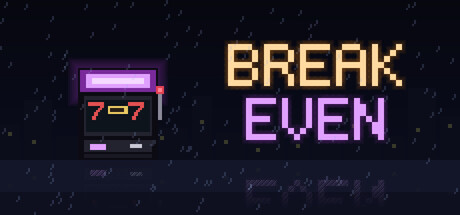
Break Even was built with an AI coding assistant working under the developer's direction and review. That includes the game's code and, with it, the pixel maps its sprites are drawn from, its synthesized sound, its dialogue and ending text, the scripts that draw the store images, and drafts of this store page. The game ships no image or audio files of its own — every picture is drawn and every sound synthesized by its own code while you play — and the one bundled file is an open-licence pixel font. No AI runs during play, and the game contacts no AI service.
Generative AI was used during development to assist with some artwork and text, including the main menu background, achievement icons and draft translations for some localized text. This content was selected and edited during production and is included as pre-generated game assets. The game does not use generative AI services to create content at runtime.
Some of the game's assets were created with generative AI tools during development and are pre-generated: card illustrations, character portraits and UI artwork (image generation), several 3D character models (Meshy), sound effects, music and the narrated story panels (ElevenLabs). Parts of the code were written with AI coding assistants. All of this content was reviewed and integrated by the developer. The game does not generate any content while you play.
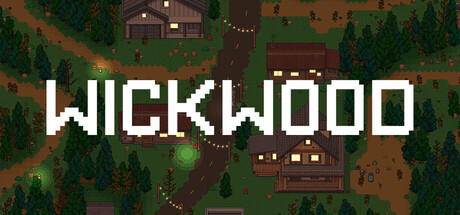
Wickwood is made by one developer, and generative AI was used openly in its production. Here is exactly where:
- Code: the game's GDScript code, the pixel-drawing scripts and the build/test tools were written with Claude (Anthropic) under the developer's design, direction and review.
- Text: the in-game notes and place descriptions, the ending credits and the store page copy were drafted with Claude and edited and approved by the developer.
- Music: all music tracks (world, main menu, finale) were generated with Google's Lyria from prompts written by the developer.
- Artwork: tilesets, characters and creatures are hand-drawn commercial pixel-art packs (credited in-game), not AI-generated. Some landmark props (the standing stones, the cave interiors, the bunker hatch and similar pieces) were drawn or assembled pixel by pixel by scripts written with Claude, using the palettes and parts of those packs.
- Sound effects were sourced from Freesound and Kenney's sound packs.
- Store art (capsules, logo, icons) was made by hand; screenshots and video are captured from the game itself.
No AI runs during gameplay: nothing is generated live, and the game does not connect to any online AI service.
During the development of this game, generative AI was used to assist in the creation of some 2D art assets and pre-generated sound effects. All AI-assisted content underwent manual review, modification, and integration by the developers. No content will be generated by generative AI during gameplay.
Generative AI was used during development to assist with game text, narrative, and localization. Store artwork was also created using generative AI. Gameplay screenshots and trailer footage were captured from the game. The game does not generate AI content during play or connect to external AI services.
Some of this game's content was created with generative AI and then reworked and adjusted by hand by the developer. This applies in particular to code, the 3D models and textures, and the music and sound effects. Animations, game rules, simulation, balance and the structure of the game come entirely from the developer.
Generative AI tools were used during development to help create some visual and audio assets, including illustrations, textures, 3D asset sources and short character videos. This content is prepared in advance and included in the game. Hamsuri does not generate AI content during play or connect to external AI services.
Generative AI tools were used to assist in creating some pre-generated UI images, promotional artwork, and graphical assets. All AI-assisted assets are pre-generated and were reviewed and edited by the developer before being included in the game or used on the Steam store page. The game does not generate AI content during gameplay.
This game features AI-assisted artwork and language translation. All assets were [reviewed or edited or approved] by the developer to ensure quality and consistency with the game's vision.
This game uses AI-generated content for some background music, sound effects, and artwork/visual assets. All other content, including game design and code, was created by the developer.
Cosmo Arena uses generative AI tools during development to assist with the creation and refinement of certain visual assets, concept art, UI elements, textures, and other game content. All AI-assisted content is reviewed, edited, and integrated by the developer. Generative AI is not used to create content dynamically during gameplay.
No generative AI is used during live gameplay. During our development process we use generative AI for some algorithms, pixel art, some marketing content and where appropriate to improve code quality.
Some of the assets in this game were created using generative AI tools. Generated assets were reviewed by the developer and edited where necessary before use. The game itself does not use AI to generate content or code while it is running, and it does not connect to any external AI service.
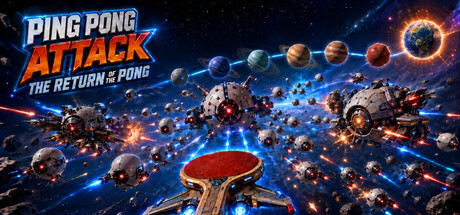
Ping Pong Attack: The Return of the Pong contains pre-generated AI-assisted content created during development. Certain background music tracks were generated using Suno while Tedesen Pty Ltd held an active paid subscription granting commercial-use rights. Certain pre-rendered cinematic videos and visual assets were created using DaVinci AI while Tedesen Pty Ltd held an active paid subscription permitting commercial use.
All included assets were selected, reviewed, edited and integrated into the game by Tedesen Pty Ltd. No generative AI services operate while the game is running, and players cannot create or submit AI-generated content through the game.
Portions of the game's 2D artwork were created with the assistance of generative AI image tools, then curated, edited, and integrated by the developer. Text localization into non-English languages was produced with AI translation assistance under developer review.
We used Generative AI tools solely to assist in creating capsule art and marketing assets for the store page. No AI content is generated live during gameplay.
During the development process, we may use procedural- and AI-based tools to assist with content creation. In all such cases, the final product reflects the creativity and expression of our own development team.
Generative AI tools are used during development to help create selected artwork, including ability icons, and to draft and edit text. This content is prepared before release. No content is generated by AI during gameplay, and the game does not connect to external AI services.
Some 2D sprites, sound effects, and music tracks were created with the assistance of generative AI tools during development and were manually reviewed and edited by the developer.
AI was used to help with created capsule art and assist with building the teaser trailers. There is no generative AI art, sound effects, video, or voice art in the game itself.
Generative AI was used as an assistive tool during development for selected visual assets and promotional materials. All AI-assisted content was reviewed and edited by the developer before use. No generative AI is used during gameplay, and the game does not connect to any external AI services.
Designed and directed by one person. Every ship, station and planet is rendered in code, with no AI images. The soundtrack was made with Suno, an AI music tool, directed by the developer, and ships as fixed audio files. The story comes from the developer. AI helped turn it into text, tidy it up and translate the store page, like a very overqualified spell check. Nothing is generated by AI while you play.
We are using AI to help write, structure, and/or review written code by the team. Some of the artwork in this game was produced with the help of generative AI tools.
This game uses generative AI in the creation of some 3D objects and some background music. These contents were generated and edited during development, and no content is generated by generative AI in real time during gameplay.
This game uses generative AI tools to assist with the creation of some visual assets, promotional images, sound effects, and localization drafts. All AI-assisted content is reviewed, edited, and integrated by the developer before release. The game does not use generative AI to create real-time user-facing content during gameplay.
Some 2D artwork in this game (store artwork and in-game character portraits) was drafted with generative AI tools, then curated and edited by the developers. No AI content is generated during gameplay.
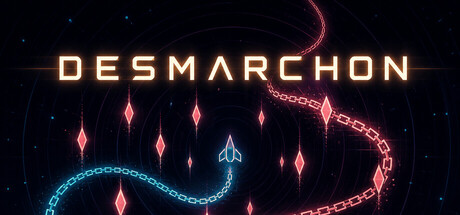
Desmarchon currently includes pre-generated AI images for the store page and achievement images, as well as AI-generated promotional artwork and icons, and some text. Everything has been reviewed by a human.
Generative AI was used during development to assist with some visual assets, text, and audio. No generative AI is used to generate content during gameplay.
Generative AI tools were used during development to assist with the creation and refinement of some pre-generated 2D artwork, UI illustrations, icons, promotional images, and selected audio assets. All AI-assisted outputs were reviewed, edited, and integrated by the developer. The game does not generate content with AI at runtime, and no player input is sent to an AI service.
Generative AI tools were used during development to help create some visual assets, including environment textures, branding and promotional artwork, as well as store copy and localization. These materials are selected, reviewed and integrated by the developer. Gameplay screenshots are captured from the game. No generative AI content is created during play, and the game does not connect to external AI services.
Generative AI tools assisted development of the game’s geometric artwork, music compositions, in-game text, and store and marketing materials. These are prepared during development and included in the game or its promotional assets. Graphics are drawn and music is synthesized locally from fixed content definitions; the game does not generate content with AI during gameplay or connect to external AI services.
Generative AI tools were used during development to assist in creating some visual assets, audio, and other game content. All AI-assisted content included in the final game was reviewed and selected by the developer.
Some art in Bonefall was made with generative AI tools and then cut, edited and fitted into the game by hand: the opening cinematic, the title-screen key art, the store and marketing art, and parts of the environment (the graveyard floor and scenery, the boss pillars). The Russian, Korean and Simplified Chinese translations were drafted with AI assistance. The heroes and monsters are human-made open-licensed pixel art (the Liberated Pixel Cup collection, credited in the game), and the sound effects are CC0 recordings. Nothing is generated while you play.
This game uses generative AI-assisted content in some pre-rendered assets, such as visual effects, UI elements, background or promotional artwork, marketing/community materials, and localization. No live generative AI system is used during gameplay, and the game does not generate new player-facing content dynamically while the player is playing.
Some environment prop artwork was created with an image-generation model from written briefs, then hand-reviewed, cropped and integrated. Sprites, tilesets, audio, UI, achievement icons and all code are authored procedurally or by hand. No AI-generated text, narrative or live-generated content.
Break Even was built with an AI coding assistant working under the developer's direction and review. That includes the game's code and, with it, the pixel maps its sprites are drawn from, its synthesized sound, its dialogue and ending text, the scripts that draw the store images, and drafts of this store page. The game ships no image or audio files of its own — every picture is drawn and every sound synthesized by its own code while you play — and the one bundled file is an open-licence pixel font. No AI runs during play, and the game contacts no AI service.
Generative AI was used during development to assist with some artwork and text, including the main menu background, achievement icons and draft translations for some localized text. This content was selected and edited during production and is included as pre-generated game assets. The game does not use generative AI services to create content at runtime.
Some of the game's assets were created with generative AI tools during development and are pre-generated: card illustrations, character portraits and UI artwork (image generation), several 3D character models (Meshy), sound effects, music and the narrated story panels (ElevenLabs). Parts of the code were written with AI coding assistants. All of this content was reviewed and integrated by the developer. The game does not generate any content while you play.
Wickwood is made by one developer, and generative AI was used openly in its production. Here is exactly where:
- Code: the game's GDScript code, the pixel-drawing scripts and the build/test tools were written with Claude (Anthropic) under the developer's design, direction and review.
- Text: the in-game notes and place descriptions, the ending credits and the store page copy were drafted with Claude and edited and approved by the developer.
- Music: all music tracks (world, main menu, finale) were generated with Google's Lyria from prompts written by the developer.
- Artwork: tilesets, characters and creatures are hand-drawn commercial pixel-art packs (credited in-game), not AI-generated. Some landmark props (the standing stones, the cave interiors, the bunker hatch and similar pieces) were drawn or assembled pixel by pixel by scripts written with Claude, using the palettes and parts of those packs.
- Sound effects were sourced from Freesound and Kenney's sound packs.
- Store art (capsules, logo, icons) was made by hand; screenshots and video are captured from the game itself.
No AI runs during gameplay: nothing is generated live, and the game does not connect to any online AI service.
During the development of this game, generative AI was used to assist in the creation of some 2D art assets and pre-generated sound effects. All AI-assisted content underwent manual review, modification, and integration by the developers. No content will be generated by generative AI during gameplay.
Generative AI was used during development to assist with game text, narrative, and localization. Store artwork was also created using generative AI. Gameplay screenshots and trailer footage were captured from the game. The game does not generate AI content during play or connect to external AI services.
Some of this game's content was created with generative AI and then reworked and adjusted by hand by the developer. This applies in particular to code, the 3D models and textures, and the music and sound effects. Animations, game rules, simulation, balance and the structure of the game come entirely from the developer.
Generative AI tools were used during development to help create some visual and audio assets, including illustrations, textures, 3D asset sources and short character videos. This content is prepared in advance and included in the game. Hamsuri does not generate AI content during play or connect to external AI services.
Generative AI tools were used to assist in creating some pre-generated UI images, promotional artwork, and graphical assets. All AI-assisted assets are pre-generated and were reviewed and edited by the developer before being included in the game or used on the Steam store page. The game does not generate AI content during gameplay.
This game features AI-assisted artwork and language translation. All assets were [reviewed or edited or approved] by the developer to ensure quality and consistency with the game's vision.
This game uses AI-generated content for some background music, sound effects, and artwork/visual assets. All other content, including game design and code, was created by the developer.
Cosmo Arena uses generative AI tools during development to assist with the creation and refinement of certain visual assets, concept art, UI elements, textures, and other game content. All AI-assisted content is reviewed, edited, and integrated by the developer. Generative AI is not used to create content dynamically during gameplay.
No generative AI is used during live gameplay. During our development process we use generative AI for some algorithms, pixel art, some marketing content and where appropriate to improve code quality.
Some of the assets in this game were created using generative AI tools. Generated assets were reviewed by the developer and edited where necessary before use. The game itself does not use AI to generate content or code while it is running, and it does not connect to any external AI service.
Ping Pong Attack: The Return of the Pong contains pre-generated AI-assisted content created during development. Certain background music tracks were generated using Suno while Tedesen Pty Ltd held an active paid subscription granting commercial-use rights. Certain pre-rendered cinematic videos and visual assets were created using DaVinci AI while Tedesen Pty Ltd held an active paid subscription permitting commercial use.
All included assets were selected, reviewed, edited and integrated into the game by Tedesen Pty Ltd. No generative AI services operate while the game is running, and players cannot create or submit AI-generated content through the game.
Portions of the game's 2D artwork were created with the assistance of generative AI image tools, then curated, edited, and integrated by the developer. Text localization into non-English languages was produced with AI translation assistance under developer review.
We used Generative AI tools solely to assist in creating capsule art and marketing assets for the store page. No AI content is generated live during gameplay.
During the development process, we may use procedural- and AI-based tools to assist with content creation. In all such cases, the final product reflects the creativity and expression of our own development team.
Generative AI tools are used during development to help create selected artwork, including ability icons, and to draft and edit text. This content is prepared before release. No content is generated by AI during gameplay, and the game does not connect to external AI services.
Some 2D sprites, sound effects, and music tracks were created with the assistance of generative AI tools during development and were manually reviewed and edited by the developer.
AI was used to help with created capsule art and assist with building the teaser trailers. There is no generative AI art, sound effects, video, or voice art in the game itself.
Generative AI was used as an assistive tool during development for selected visual assets and promotional materials. All AI-assisted content was reviewed and edited by the developer before use. No generative AI is used during gameplay, and the game does not connect to any external AI services.
Designed and directed by one person. Every ship, station and planet is rendered in code, with no AI images. The soundtrack was made with Suno, an AI music tool, directed by the developer, and ships as fixed audio files. The story comes from the developer. AI helped turn it into text, tidy it up and translate the store page, like a very overqualified spell check. Nothing is generated by AI while you play.
We are using AI to help write, structure, and/or review written code by the team. Some of the artwork in this game was produced with the help of generative AI tools.
This game uses generative AI in the creation of some 3D objects and some background music. These contents were generated and edited during development, and no content is generated by generative AI in real time during gameplay.
This game uses generative AI tools to assist with the creation of some visual assets, promotional images, sound effects, and localization drafts. All AI-assisted content is reviewed, edited, and integrated by the developer before release. The game does not use generative AI to create real-time user-facing content during gameplay.
Some 2D artwork in this game (store artwork and in-game character portraits) was drafted with generative AI tools, then curated and edited by the developers. No AI content is generated during gameplay.
Desmarchon currently includes pre-generated AI images for the store page and achievement images, as well as AI-generated promotional artwork and icons, and some text. Everything has been reviewed by a human.
Generative AI was used during development to assist with some visual assets, text, and audio. No generative AI is used to generate content during gameplay.
Generative AI tools were used during development to assist with the creation and refinement of some pre-generated 2D artwork, UI illustrations, icons, promotional images, and selected audio assets. All AI-assisted outputs were reviewed, edited, and integrated by the developer. The game does not generate content with AI at runtime, and no player input is sent to an AI service.
Generative AI tools were used during development to help create some visual assets, including environment textures, branding and promotional artwork, as well as store copy and localization. These materials are selected, reviewed and integrated by the developer. Gameplay screenshots are captured from the game. No generative AI content is created during play, and the game does not connect to external AI services.
Generative AI tools assisted development of the game’s geometric artwork, music compositions, in-game text, and store and marketing materials. These are prepared during development and included in the game or its promotional assets. Graphics are drawn and music is synthesized locally from fixed content definitions; the game does not generate content with AI during gameplay or connect to external AI services.