Public Steam disclosure research25,380 disclosures tracked
Where do games disclose AI use?
Search developers’ Steam disclosures, compare classified AI use across
games, and follow recorded changes.
This index adds cross-game classifications and statistics to
statements published on individual store pages.
Groups reflect automatic analysis of public disclosures; mature records are excluded. These counts do not measure AI use across all of Steam.
Missing or unclear statements cannot establish whether a game uses AI.
Some of this game's artwork (including store capsules and background art) was created with the help of generative AI image tools. All AI-assisted content was reviewed, edited, and curated by the developer. The game generates no AI content at runtime; opponent behavior uses traditional, hand-authored game logic
Some in-game text and store page copy was drafted with an AI assistant and edited by the developer. No generative AI runs in the game or generates content at runtime. All artwork is programmatically composited from photographs taken by the developer.
Parts of this game's source code and in-game text were produced with the assistance of generative AI tools during development.
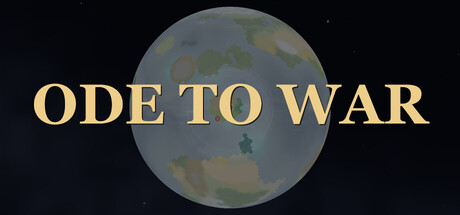
The planet itself is not AI-generated. It is built by conventional deterministic algorithms : noise functions, Voronoi tessellation, plate tectonics, erosion and climate simulation (the same family of techniques used in procedural generation for decades. Every world is reproducible from its seed).
No AI runs while you play, and the game never connects to an external AI service.
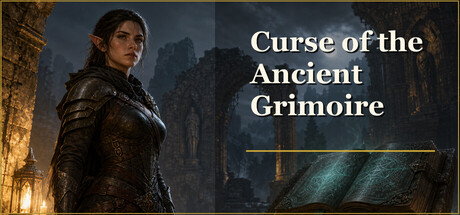
Some code elements and visual assets in Curse of the Ancient Grimoire were created or refined with the assistance of generative AI tools, including character portraits, monster images, scene illustrations, and store capsule artwork. All AI-assisted assets were reviewed, selected, edited, and integrated by the developer.
Generative AI is not used during gameplay to create dynamic content, dialogue, player-facing text, decisions, or game mechanics.
Generative AI is not used during gameplay to create dynamic content, dialogue, player-facing text, decisions, or game mechanics.
[Pre-Generated AI Content] Generative AI (Anthropic Claude) was used during development to write game code, to create the BGM (note data transcribed from a public-domain piece and procedurally generated music), and to compose store artwork from in-game assets. No content is generated by AI at runtime.
Generative AI tools were used during development to assist with the creation and iteration of some 2D visual assets, UI elements, concept artwork, and selected audio assets. All AI-assisted content was reviewed, edited, and integrated by the developer. The game does not generate AI content during gameplay.
Generative AI tools were used during development to assist with the refinement of certain visual assets and to improve the quality and consistency of translations. All AI-assisted content was reviewed and edited by the developer before being included in the final game. No generative AI is used to create content dynamically during gameplay.
Generative AI tools were used to create and refine some pre-generated 2D artwork and Steam store graphical assets. All outputs were reviewed, curated, and edited by the developer before inclusion. The game does not generate AI content at runtime or connect to external AI services.
Algumas imagens presentes neste jogo foram criadas com auxílio de inteligência artificial generativa e posteriormente revisadas, editadas e integradas pelo desenvolvedor. Todo o restante do jogo, incluindo programação, design, mecânicas e direção criativa, foi desenvolvido manualmente.
During the development of this game, pre-generated AI tools were utilized to assist with text translations, programming scripts and optimization, and the creation of 2D artwork assets. All AI-generated content was directly reviewed, refined, and applied to the game by the developer.
This game was developed with the assistance of generative AI tools during production. AI-generated 2D artwork (building icons, unit portraits, background illustrations, and UI elements) was created and curated by the development team as part of the game's visual assets. AI is not used to generate content dynamically during gameplay -- all art assets are fixed and shipped with the game. In-game opponent behavior uses traditional programmed game logic, not generative AI.
Generative AI tools were used during development to generate some 3D model assets, textures, and sounds. All AI-generated content was pre-rendered and reviewed before being included in the game build. No live generative AI is used during gameplay.
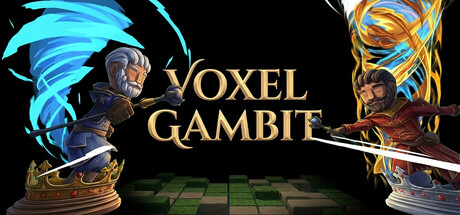
Some of Last Gambit's content was created with the help of generative AI tools. Specifically, part of the artwork for the pieces and skins was generated with AI and then reviewed and refined by us. We also used AI to assist with some cross-platform code porting.
All of this content is generated during development. The game does not use generative AI during matches and does not create content in real time.
This game uses AI-assisted tools solely for programming and logic development. AI helped generate some basic code frameworks, but all core game logic was manually written, tested, and optimized.
This game uses content created or assisted by generative AI. Generative AI was used to help create and edit some visual assets, music/sound materials, and scripts. All final content was reviewed, selected, and adjusted by the developer before being included in the game.
Generative AI was used during development to support early concept exploration and rapid prototyping, including testing visual directions, compositions, and placeholder ideas. All AI-assisted material was reviewed and refined by the development team, with final creative and design decisions made by humans. The game does not generate content using AI during gameplay.
The key art on this store page, on the splash screen and on the menu cards was created using generative AI tools and then edited by hand. Nothing inside the game itself is AI-generated. Every visual in play is procedural — drawn by code at runtime — and all audio is ynthesised in real time. The build ships with no textures, no meshes, no sprites and no audio files.
This game was made with the help of generative AI tools:
• 2D art: Some of the game's 2D artwork (backgrounds, UI skins, card and joker illustrations) was created using generative AI, then selected, edited and integrated into the game by hand.
• Commentary: In-match commentary lines were produced with AI text-to-speech. All other sound effects are synthesized procedurally by the game's own code, with no AI involved.
No AI model runs while you play. The game is fully offline and never connects to any server; all of the content above is pre-generated, fixed content created during development. No player data is ever sent to any AI system.
Generative AI tools were used during development to assist with concept artwork, selected in-game visual assets, and portions of written content and code. All AI-assisted material was reviewed, curated, edited, and integrated by the developer. The game does not generate AI content during gameplay.
Some of this game's assets were made with the assistance of generative AI tools and were reviewed, curated and hand-finished by the developer. No content is generated while you play.
Generative AI tools assisted with parts of the development, iteration, and production process. The foundation of The Helios Accord—including its original concept, core ideas, world, systems, and narrative—was conceived, designed, and originally written by me. I direct, review, revise, and take responsibility for all AI-assisted material included in the game and its store presentation
Some of the game's resources (art assets, some promotional images on the store page, code, etc.) were completed with the help of AI to achieve better artistic effects.
These translations were generated with the help of AI. As an indie developer, I currently don't have the budget to hire professional translators, but I hope to do so in the future.
Some in-game artwork—including characters, monsters, weapons, backgrounds, card illustrations, and UI assets—as well as some store page images, was created using pre-generated AI tools. All generated assets were selected, edited, adjusted, and reviewed by the developer before being included in the game. The game does not generate AI content during gameplay.
I have used generative AI for some parts or sections of the trailer creation and some voices or images used inside the game itself. All the code and inner workings of the game have been created by a person.
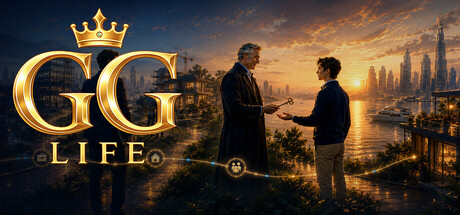
This game uses AI-generated artwork for static marketplace listing images including cars, homes, investment properties, boats, and businesses shown in the Assets and Business panels, as well as for Steam achievement icons. All AI-generated content is created during development and shipped as fixed image files. The game does not generate any content live during gameplay and does not connect to any AI service while you play.
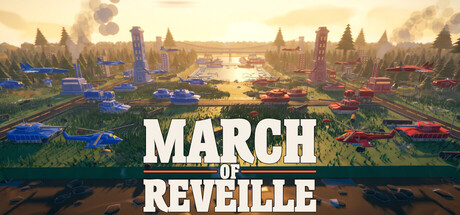
Some non-gameplay assets in March of Reveille were made with the help of generative AI tools.
Music — composed using AI music generation.
Store page and marketing artwork — the key art on this page began as renders captured in-engine from the game's own 3D models, terrain and units, then restyled using AI image editing. It depicts the actual game.
All 3D models, environments, unit designs, UI and game design are the developer's own work, built from scratch in Blender and Godot.
- All in-game art was hand-drawn by several artists
- The game cover and logo were hand-drawn by an artist
- Translations from English into other languages were partially done using artificial intelligence, because hiring professional translators is expensive for us, and they often rely heavily on AI for their translations. So if you notice an error in the text, please let us know so we can correct it.
- Some of the background music was created using AI
CivEconomy: Future Leader uses locally-running AI for two optional gameplay features. All AI processing runs entirely on the player's machine — no data is sent to external servers.
Text AI (Command Processing): An on-device language model (Llama 3.2 1B via Ollama) interprets natural language player commands and classifies them into game actions. A keyword-matching fallback system works identically without AI enabled.
Image AI (Chieftain Portraits): An on-device Stable Diffusion 1.5 model generates decorative chieftain portrait images. These are purely cosmetic with no gameplay impact.
Both features are completely optional. The game is fully functional and playable without any AI features active.
This game contains pre-generated visual, audio, and text assets created with generative AI and selected, directed, edited, and integrated by the developer. It does not use live-generated AI content during gameplay.
Emergence uses generative AI as a development tool. It has been used to assist in the creation of certain visual assets (illustrations, icons, and concept art), text, and to help with software development and feature prototyping.
All content included in the game is reviewed, edited, approved, and ultimately authored by the developer. Generative AI is not used to create player-facing content during gameplay unless explicitly stated in the game's feature descriptions.
Generative AI was used to assist in creating some pre-generated art assets, including portions of card artwork, UI decorations, and store marketing imagery. All AI-assisted assets are reviewed, edited, and integrated by the developer before inclusion. The game does not use generative AI to generate content while running.
Some desk doodle or promotional art assets may have been created with AI-assisted tools and edited by the developer before being included in the game. No real-time generative AI is used during gameplay.
Portions of this game's code, artwork, music arrangement, and text were created with the assistance of generative AI tools (Anthropic Claude). All AI-assisted content was reviewed, tested, and curated by the developer. The game does not generate any content using AI at runtime.
Some pre-generated 2D artwork, character portraits, branding, and marketing assets were created using generative AI tools and subsequently selected, edited, and integrated by the developer. The game does not use live-generated AI content during gameplay.
Some visual assets (character sprites, portraits, marketing art) and some audio were created with the assistance of generative AI tools (PixelLab, Midjourney), then curated and edited by the developer. All game design, code, and writing are human-made. The game does not generate AI content at runtime.
AI-assisted tools are becoming part of modern game development, and we believe in being transparent about how we use them. Aviator combines AI-assisted workflows with human creative direction, design, review, and final decision-making throughout development.
Some of this game's artwork (including store capsules and background art) was created with the help of generative AI image tools. All AI-assisted content was reviewed, edited, and curated by the developer. The game generates no AI content at runtime; opponent behavior uses traditional, hand-authored game logic
Some in-game text and store page copy was drafted with an AI assistant and edited by the developer. No generative AI runs in the game or generates content at runtime. All artwork is programmatically composited from photographs taken by the developer.
Parts of this game's source code and in-game text were produced with the assistance of generative AI tools during development.
The planet itself is not AI-generated. It is built by conventional deterministic algorithms : noise functions, Voronoi tessellation, plate tectonics, erosion and climate simulation (the same family of techniques used in procedural generation for decades. Every world is reproducible from its seed).
No AI runs while you play, and the game never connects to an external AI service.
Some code elements and visual assets in Curse of the Ancient Grimoire were created or refined with the assistance of generative AI tools, including character portraits, monster images, scene illustrations, and store capsule artwork. All AI-assisted assets were reviewed, selected, edited, and integrated by the developer.
Generative AI is not used during gameplay to create dynamic content, dialogue, player-facing text, decisions, or game mechanics.
Generative AI is not used during gameplay to create dynamic content, dialogue, player-facing text, decisions, or game mechanics.
[Pre-Generated AI Content] Generative AI (Anthropic Claude) was used during development to write game code, to create the BGM (note data transcribed from a public-domain piece and procedurally generated music), and to compose store artwork from in-game assets. No content is generated by AI at runtime.
Generative AI tools were used during development to assist with the creation and iteration of some 2D visual assets, UI elements, concept artwork, and selected audio assets. All AI-assisted content was reviewed, edited, and integrated by the developer. The game does not generate AI content during gameplay.
Generative AI tools were used during development to assist with the refinement of certain visual assets and to improve the quality and consistency of translations. All AI-assisted content was reviewed and edited by the developer before being included in the final game. No generative AI is used to create content dynamically during gameplay.
Generative AI tools were used to create and refine some pre-generated 2D artwork and Steam store graphical assets. All outputs were reviewed, curated, and edited by the developer before inclusion. The game does not generate AI content at runtime or connect to external AI services.
Algumas imagens presentes neste jogo foram criadas com auxílio de inteligência artificial generativa e posteriormente revisadas, editadas e integradas pelo desenvolvedor. Todo o restante do jogo, incluindo programação, design, mecânicas e direção criativa, foi desenvolvido manualmente.
During the development of this game, pre-generated AI tools were utilized to assist with text translations, programming scripts and optimization, and the creation of 2D artwork assets. All AI-generated content was directly reviewed, refined, and applied to the game by the developer.
This game was developed with the assistance of generative AI tools during production. AI-generated 2D artwork (building icons, unit portraits, background illustrations, and UI elements) was created and curated by the development team as part of the game's visual assets. AI is not used to generate content dynamically during gameplay -- all art assets are fixed and shipped with the game. In-game opponent behavior uses traditional programmed game logic, not generative AI.
Generative AI tools were used during development to generate some 3D model assets, textures, and sounds. All AI-generated content was pre-rendered and reviewed before being included in the game build. No live generative AI is used during gameplay.
Some of Last Gambit's content was created with the help of generative AI tools. Specifically, part of the artwork for the pieces and skins was generated with AI and then reviewed and refined by us. We also used AI to assist with some cross-platform code porting.
All of this content is generated during development. The game does not use generative AI during matches and does not create content in real time.
This game uses AI-assisted tools solely for programming and logic development. AI helped generate some basic code frameworks, but all core game logic was manually written, tested, and optimized.
This game uses content created or assisted by generative AI. Generative AI was used to help create and edit some visual assets, music/sound materials, and scripts. All final content was reviewed, selected, and adjusted by the developer before being included in the game.
Generative AI was used during development to support early concept exploration and rapid prototyping, including testing visual directions, compositions, and placeholder ideas. All AI-assisted material was reviewed and refined by the development team, with final creative and design decisions made by humans. The game does not generate content using AI during gameplay.
The key art on this store page, on the splash screen and on the menu cards was created using generative AI tools and then edited by hand. Nothing inside the game itself is AI-generated. Every visual in play is procedural — drawn by code at runtime — and all audio is ynthesised in real time. The build ships with no textures, no meshes, no sprites and no audio files.
This game was made with the help of generative AI tools:
• 2D art: Some of the game's 2D artwork (backgrounds, UI skins, card and joker illustrations) was created using generative AI, then selected, edited and integrated into the game by hand.
• Commentary: In-match commentary lines were produced with AI text-to-speech. All other sound effects are synthesized procedurally by the game's own code, with no AI involved.
No AI model runs while you play. The game is fully offline and never connects to any server; all of the content above is pre-generated, fixed content created during development. No player data is ever sent to any AI system.
Generative AI tools were used during development to assist with concept artwork, selected in-game visual assets, and portions of written content and code. All AI-assisted material was reviewed, curated, edited, and integrated by the developer. The game does not generate AI content during gameplay.
Some of this game's assets were made with the assistance of generative AI tools and were reviewed, curated and hand-finished by the developer. No content is generated while you play.
Generative AI tools assisted with parts of the development, iteration, and production process. The foundation of The Helios Accord—including its original concept, core ideas, world, systems, and narrative—was conceived, designed, and originally written by me. I direct, review, revise, and take responsibility for all AI-assisted material included in the game and its store presentation
Some of the game's resources (art assets, some promotional images on the store page, code, etc.) were completed with the help of AI to achieve better artistic effects.
These translations were generated with the help of AI. As an indie developer, I currently don't have the budget to hire professional translators, but I hope to do so in the future.
Some in-game artwork—including characters, monsters, weapons, backgrounds, card illustrations, and UI assets—as well as some store page images, was created using pre-generated AI tools. All generated assets were selected, edited, adjusted, and reviewed by the developer before being included in the game. The game does not generate AI content during gameplay.
I have used generative AI for some parts or sections of the trailer creation and some voices or images used inside the game itself. All the code and inner workings of the game have been created by a person.
This game uses AI-generated artwork for static marketplace listing images including cars, homes, investment properties, boats, and businesses shown in the Assets and Business panels, as well as for Steam achievement icons. All AI-generated content is created during development and shipped as fixed image files. The game does not generate any content live during gameplay and does not connect to any AI service while you play.
Some non-gameplay assets in March of Reveille were made with the help of generative AI tools.
Music — composed using AI music generation.
Store page and marketing artwork — the key art on this page began as renders captured in-engine from the game's own 3D models, terrain and units, then restyled using AI image editing. It depicts the actual game.
All 3D models, environments, unit designs, UI and game design are the developer's own work, built from scratch in Blender and Godot.
- All in-game art was hand-drawn by several artists
- The game cover and logo were hand-drawn by an artist
- Translations from English into other languages were partially done using artificial intelligence, because hiring professional translators is expensive for us, and they often rely heavily on AI for their translations. So if you notice an error in the text, please let us know so we can correct it.
- Some of the background music was created using AI
CivEconomy: Future Leader uses locally-running AI for two optional gameplay features. All AI processing runs entirely on the player's machine — no data is sent to external servers.
Text AI (Command Processing): An on-device language model (Llama 3.2 1B via Ollama) interprets natural language player commands and classifies them into game actions. A keyword-matching fallback system works identically without AI enabled.
Image AI (Chieftain Portraits): An on-device Stable Diffusion 1.5 model generates decorative chieftain portrait images. These are purely cosmetic with no gameplay impact.
Both features are completely optional. The game is fully functional and playable without any AI features active.
This game contains pre-generated visual, audio, and text assets created with generative AI and selected, directed, edited, and integrated by the developer. It does not use live-generated AI content during gameplay.
Emergence uses generative AI as a development tool. It has been used to assist in the creation of certain visual assets (illustrations, icons, and concept art), text, and to help with software development and feature prototyping.
All content included in the game is reviewed, edited, approved, and ultimately authored by the developer. Generative AI is not used to create player-facing content during gameplay unless explicitly stated in the game's feature descriptions.
Generative AI was used to assist in creating some pre-generated art assets, including portions of card artwork, UI decorations, and store marketing imagery. All AI-assisted assets are reviewed, edited, and integrated by the developer before inclusion. The game does not use generative AI to generate content while running.
Some desk doodle or promotional art assets may have been created with AI-assisted tools and edited by the developer before being included in the game. No real-time generative AI is used during gameplay.
Portions of this game's code, artwork, music arrangement, and text were created with the assistance of generative AI tools (Anthropic Claude). All AI-assisted content was reviewed, tested, and curated by the developer. The game does not generate any content using AI at runtime.
Some pre-generated 2D artwork, character portraits, branding, and marketing assets were created using generative AI tools and subsequently selected, edited, and integrated by the developer. The game does not use live-generated AI content during gameplay.
Some visual assets (character sprites, portraits, marketing art) and some audio were created with the assistance of generative AI tools (PixelLab, Midjourney), then curated and edited by the developer. All game design, code, and writing are human-made. The game does not generate AI content at runtime.
AI-assisted tools are becoming part of modern game development, and we believe in being transparent about how we use them. Aviator combines AI-assisted workflows with human creative direction, design, review, and final decision-making throughout development.