Public Steam disclosure research25,380 disclosures tracked
Where do games disclose AI use?
Search developers’ Steam disclosures, compare classified AI use across
games, and follow recorded changes.
This index adds cross-game classifications and statistics to
statements published on individual store pages.
Groups reflect automatic analysis of public disclosures; mature records are excluded. These counts do not measure AI use across all of Steam.
Missing or unclear statements cannot establish whether a game uses AI.
AI tools are used in a limited capacity for language polishing and coding support. All story content, characters, and creative direction are created by the development team. No AI-generated voice acting, art, or music is used.
The game's initial photos were taken from free resources and stock photos. AI was used to accelerate image processing to match the game's style, as envisioned by the author.
This game uses generative AI tools during development.
All voice-over audio is generated using AI tools.
The game does not use live generative AI during gameplay.
This game used generative AI as part of an AI-assisted development workflow for selected pre-rendered assets and supporting materials, including some illustrations, video assets, audio/music production support, localization text, and store promotional materials. All AI-assisted materials were selected, edited, revised, proofread, and integrated by the developer. The game does not contain real-time AI generation, player-generated AI content, or any AI system that generates content during gameplay.
- Soundtrack: Most of the in-game music consists of original, human-composed tracks, utilizing AI tools for upscaling purposes such as mixing and mastering. A few specific tracks were generated using AI, but these were also extensively arranged and edited by a human before inclusion.
- Artwork: Character and background assets were developed using Image-to-Image (i2i) technology based on the developers' initial drafts. All generated drafts underwent comprehensive manual retouching, modification, and final polishing using image editing software.
AI tools were used to assist with text editing, translation, illustrations, and marketing materials.
Game concept, writing, music direction, and narrative structure were created by a human.
Some visual assets in this game have been created with the assistance of AI tools, then refined and integrated to fit the artistic direction of the project.
All music featured in the game is original and performed by a real pianist, composed specifically to enhance the emotional experience.
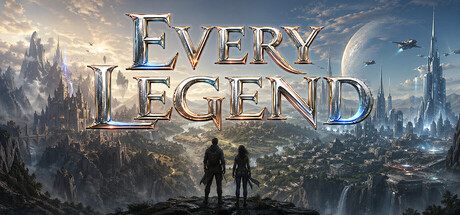
Every Legend uses AI to generate dynamic role-playing content during gameplay. This includes story text, characters, quests, dialogue, scene descriptions, images, speech, and music.
The game can use bundled local AI models on your computer, and it can also use optional third-party cloud AI providers if you configure API keys in the settings. When cloud providers are used, your prompts and relevant game context may be sent to those external services to generate content.
AI-generated content may vary between playthroughs and can occasionally be inaccurate, unexpected, or inconsistent.
After I personally finalized the design phase, some art assets were first rendered using generative AI tools, and I then manually refined and detailed them.
Similarly, certain background music pieces were developed with the help of generative AI tools.
Should you have any concerns about these methods, please feel free to experience the game according to your own preferences. Thank you for your understanding and consideration.
AI-assisted tools were used in the creation of some background images included in the game.
AI-assisted translation was also used for the English and Korean localization. The translated text was reviewed and adjusted during development.
There is no content generated by AI in real time during gameplay.
Visuals: We used generative AI tools (Midjourney, ComfyUI) to assist in creating background illustrations and concept art for characters. All AI-generated outputs were manually refined, overpainted, and edited by human artists to ensure visual consistency and quality.
Text: We utilized AI-powered translation tools to assist in localizing scripts and store page descriptions from Korean to English. All translated text was proofread and edited by a native speaker to maintain the narrative's tone and nuance.
I used AI tools (such as ChatGPT) to assist in writing scripts and optimizing the game code, which helped bridge the technical gap as an individual developer. Additionally, AI was used for English translation and proofreading to ensure a natural and high-quality narrative for global players.
AI-based translation tools were used for localizing the in-game text and store page descriptions from Japanese to English. All translated content has been reviewed and refined by the developer.
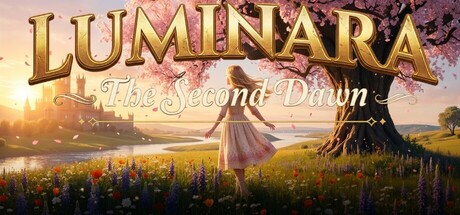
Luminara: The Second Dawn was created by a solo developer with the help of AI tools to bring the game to life. Every piece of content—art, music, story, and code—has been personally reviewed, curated, and directed by me to ensure it fits the game's vision and quality standards.
This game uses generative AI tools to assist in the creation of certain assets, such as music and visual elements.
All content is reviewed, selected, and integrated by the developer to ensure consistency and quality.
No AI is used during gameplay, and the player experience is fully handcrafted.
This game uses generative AI tools in the creation of character illustrations, event CGs, UI icons, logos, and scripts. No real-time AI generation occurs during gameplay.
The images used in the game, as well as the promotional visuals shown in the store, are generated using AI. In addition, translations are also performed using large language models.
AI tools are used in a limited capacity for language polishing and coding support. All story content, characters, and creative direction are created by the development team. No AI-generated voice acting, art, or music is used.
The game's initial photos were taken from free resources and stock photos. AI was used to accelerate image processing to match the game's style, as envisioned by the author.
This game uses generative AI tools during development.
All voice-over audio is generated using AI tools.
The game does not use live generative AI during gameplay.
This game used generative AI as part of an AI-assisted development workflow for selected pre-rendered assets and supporting materials, including some illustrations, video assets, audio/music production support, localization text, and store promotional materials. All AI-assisted materials were selected, edited, revised, proofread, and integrated by the developer. The game does not contain real-time AI generation, player-generated AI content, or any AI system that generates content during gameplay.
- Soundtrack: Most of the in-game music consists of original, human-composed tracks, utilizing AI tools for upscaling purposes such as mixing and mastering. A few specific tracks were generated using AI, but these were also extensively arranged and edited by a human before inclusion.
- Artwork: Character and background assets were developed using Image-to-Image (i2i) technology based on the developers' initial drafts. All generated drafts underwent comprehensive manual retouching, modification, and final polishing using image editing software.
AI tools were used to assist with text editing, translation, illustrations, and marketing materials.
Game concept, writing, music direction, and narrative structure were created by a human.
Some visual assets in this game have been created with the assistance of AI tools, then refined and integrated to fit the artistic direction of the project.
All music featured in the game is original and performed by a real pianist, composed specifically to enhance the emotional experience.
Every Legend uses AI to generate dynamic role-playing content during gameplay. This includes story text, characters, quests, dialogue, scene descriptions, images, speech, and music.
The game can use bundled local AI models on your computer, and it can also use optional third-party cloud AI providers if you configure API keys in the settings. When cloud providers are used, your prompts and relevant game context may be sent to those external services to generate content.
AI-generated content may vary between playthroughs and can occasionally be inaccurate, unexpected, or inconsistent.
After I personally finalized the design phase, some art assets were first rendered using generative AI tools, and I then manually refined and detailed them.
Similarly, certain background music pieces were developed with the help of generative AI tools.
Should you have any concerns about these methods, please feel free to experience the game according to your own preferences. Thank you for your understanding and consideration.
AI-assisted tools were used in the creation of some background images included in the game.
AI-assisted translation was also used for the English and Korean localization. The translated text was reviewed and adjusted during development.
There is no content generated by AI in real time during gameplay.
Visuals: We used generative AI tools (Midjourney, ComfyUI) to assist in creating background illustrations and concept art for characters. All AI-generated outputs were manually refined, overpainted, and edited by human artists to ensure visual consistency and quality.
Text: We utilized AI-powered translation tools to assist in localizing scripts and store page descriptions from Korean to English. All translated text was proofread and edited by a native speaker to maintain the narrative's tone and nuance.
I used AI tools (such as ChatGPT) to assist in writing scripts and optimizing the game code, which helped bridge the technical gap as an individual developer. Additionally, AI was used for English translation and proofreading to ensure a natural and high-quality narrative for global players.
AI-based translation tools were used for localizing the in-game text and store page descriptions from Japanese to English. All translated content has been reviewed and refined by the developer.
Luminara: The Second Dawn was created by a solo developer with the help of AI tools to bring the game to life. Every piece of content—art, music, story, and code—has been personally reviewed, curated, and directed by me to ensure it fits the game's vision and quality standards.
This game uses generative AI tools to assist in the creation of certain assets, such as music and visual elements.
All content is reviewed, selected, and integrated by the developer to ensure consistency and quality.
No AI is used during gameplay, and the player experience is fully handcrafted.
This game uses generative AI tools in the creation of character illustrations, event CGs, UI icons, logos, and scripts. No real-time AI generation occurs during gameplay.
The images used in the game, as well as the promotional visuals shown in the store, are generated using AI. In addition, translations are also performed using large language models.