



Disclosure
- Assistance with music creation. - Localization into English, French, Spanish, and German.
- Creator
- Long Journey Team
- Reviews
- -
- Added
- Oct 12, 2026
Public Steam disclosure research 25,376 disclosures tracked
Search developers’ Steam disclosures, compare classified AI use across games, and follow recorded changes. This index adds cross-game classifications and statistics to statements published on individual store pages.
Code help, debugging and other development work.
Capsule art, trailers and promotional material.
Pre-made art, audio, writing and other game assets.
Interactive or runtime AI features disclosed by the developer.
Groups reflect automatic analysis of public disclosures; mature records are excluded. These counts do not measure AI use across all of Steam. Missing or unclear statements cannot establish whether a game uses AI.
- Assistance with music creation. - Localization into English, French, Spanish, and German.
This game uses AI as a writing assistant during development. The story, characters, world, game systems, and overall creative direction are original work by the developer, drawn from personal experience and extensive planning. AI was used to help draft, translate, edit, and refine dialogue based on the developer's outlines, ideas, and direction, with the developer reviewing, revising, and making final creative decisions on all text that appears in the game. AI was not used to generate any art, music, or audio assets.
Ransom Wave uses generative AI during gameplay. The game uses AI models to generate fictional victim dialogue, spoken voice responses, selected narrative text, and limited in-game guidance in real time. These outputs react to the player's typed input or optional microphone input and can vary between playthroughs. The game's setting, characters, gameplay rules, scenario structure, safety constraints, and core narrative direction are created and controlled by the development team. AI-generated outputs are constrained by developer-authored character profiles, gameplay states, and content rules. Player microphone audio may be transcribed only to enable the current voice conversation. The game provides a text-input alternative when the microphone is disabled.
AI was used for translating the in-game text and store page, as well as for scripting the game.
Music was generated by AI. Art was generated by AI and rework by human
Generative AI was used to create or edit some images, generate English voice audio, and assist with translation. All content was prepared before release. No content is generated and no external AI services are accessed during gameplay.
AI tools were used solely for generating background images. All character art, UI elements, writing, and other visual content were created entirely by the development team without the use of generative AI.
The Game Image Use Ai Generation
AI was used to assist with the localization of some language versions. The translations were reviewed by the developer through proofreading and back-translation checks. AI-generated images were used as composition references during the creation of a small number of CG illustrations. The image generation was based on the developer's own original hand-drawn character illustrations, provided as input references. All final character illustrations, CG illustrations, and other art assets were drawn entirely by hand. All characters are original designs.
Generative AI was used to create and edit pre-generated in-game backgrounds, character illustrations, CG artwork, icons, and UI artwork, as well as Steam store and library capsule images, the logo, and icons. Gameplay screenshots were captured directly from the game. The game does not generate AI content during play.
Generative AI was used to create the voices, sound effects and illustrations. The stories are designed and directed by the developer.
Game videos and images are generated using AIGC.
This game uses generative AI tools during development to assist with the following content: text translation, sound effects, and background artwork assets
The art, animation, voice acting and music in this game were pre-generated with generative AI tools, then selected, edited and corrected shot by shot by hand. The script, all dialogue and the story structure are human-written. No AI generation happens at runtime.
本游戏的大部分素材由AI生成
我们使用AI生成美术、代码、文案资产 无实时生成AI内容 We use AI for pictures,code and story.
This game contains content created with the assistance of AI tools. AI was used during development to assist with programming, visual assets, and other creative elements. All generated content was reviewed, edited, and integrated by the dev.
Generative AI tools were used during development to assist with the creation and refinement of certain in-game visual assets, promotional artwork, and portions of text/localization. All AI-assisted content was reviewed, edited, and integrated by the developer. No generative AI is used during gameplay, and no content is generated live for players.
Generative AI was used only to assist with localization and translation into English, Simplified Chinese, Traditional Chinese, and Korean. The original story, artwork, audio, and other game assets were not generated using AI. No live-generated AI content is used in the game.
AI tools assisted with static artwork, marketing images and localization. During play, a bundled language model running locally on your PC generates dialogue, narrative and diary text from your input, card instructions and conversation context. No external AI service or API key is required. No images or voices are generated during play. Output quality, response time and consistency vary with your hardware and input.
StoryNow uses generative AI locally during gameplay. Llama.cpp generates prompts that ComfyUI uses to create visual-novel artwork on the player's device. The game does not connect to an external AI generation service.
Unwritten uses generative AI as part of its core gameplay. AI systems interpret the player's freely written actions and generate narrative responses within an authored world, story and set of rules. AI inference runs locally on the player's computer.
Generative AI was used to create promotional and store-page artwork for TAKEN during development. No AI-generated content or code is generated during gameplay.
The game's visuals (backgrounds, character portraits, event CGs, and UI) were created with generative AI, then reviewed by hand and retouched where needed. The BGM and some sound effects were also generated with AI, and AI is used for translations. The original story and dialogue were written entirely by the author.
AI tools were used during development to create pre-made content such as images, voices, music and 3D model drafts. Everything was selected, edited and integrated into the game by the developer. The game does not generate any content with AI while you play and does not connect to AI services.
Generative AI is used during development to create visual and music assets for the game and its promotional materials. It is not used to create the scenario, written text, or voices. All AI-generated assets are pre-generated; the game does not generate content or connect to external AI services during gameplay.
Character illustrations, backgrounds, cutscene videos, voice acting and music were created with generative AI tools, then selected and edited by our team. The story, dialogue and game systems were written and designed by the developer with AI assistance. No content is generated by AI during gameplay.
本作的核心叙事与所有角色立绘均由开发者本人独立原创。在开发过程中,AI仅作为辅助效率工具,用于提供初稿思路与基础美术变体(如光影与服装调整)。所有文本均经过开发者深度的重写与精修,所有美术资产均经过开发者的人工精细绘制与调整,以确保完全契合游戏独特的手绘风格与情感表达。
Kana Cross uses generative AI in the following ways, all reviewed by a person before release: • Music: the game's background music was created using generative AI music tools. • Localization: some of the Visual Novel and game's dictionary word meanings and translations.
※ AI was used as a supplementary tool for English translation, spell checking, and programming code writing in this game. Illustrations, pixel art, Live2D, music, and voice acting were created entirely by humans.
As a small indie team, we use generative AI to assist with coding and parts of our art workflow. All AI-assisted code is manually tested by our team before being included in the game. Our artists create the original concepts and visual direction, while AI is used as a supporting tool during the art process. All final artwork is manually refined and finished by our artists.
Portions of this game's code and dialogue were written with the assistance of AI tools and then reviewed and edited by the developer. All art, 3D models, music and sound effects are human-made assets (Quaternius, Kay Lousberg, Kenney, omfgdude and SubspaceAudio, all CC0). Nothing is generated by AI while you play.
Art/visual assets in the game and on the Steam store page were created with AI assistance. No AI-generated content is created during gameplay.
Generative AI was used only for initial art concepts. Post-processing, stylization, animation, and music were created independently by the developer.
In our project, AI was used to partially create art assets, helping our artists bring some ideas to life.
Generative AI may be used to assist with localization. All final text is reviewed and edited by the developer.
Details for the hand-illustrated artworks were mostly AI-generated.
Generative AI tools were used during the development of MEAM Launcher and some of the included games. AI-assisted and AI-generated content may include character and environment concepts, images, textures, 3D models, visual assets, music, sound effects, text, dialogue, code, and other development assets. AI tools were also used to assist with programming, prototyping, troubleshooting, game development, and general creative development. All AI-generated or AI-assisted content was reviewed, selected, edited, implemented, and/or further developed by the developer before being included in the final product. MEAM Launcher does not use generative AI to create content dynamically during gameplay. The AI usage described above relates to content and development work created before distribution of the software.
Parts of the store-page text and a few short interface lines were drafted with an AI writing assistant and reviewed and edited by the developer. The game's literary text, English narration, music, sound design and visual design are human-made.
all the pictures are generated by artificial intelligence.
I’m a solo developer, and artificial intelligence was used in the creation of this game.
The graphical elements were created using AI and then manually refined.
All characters are original adult fictional characters. Generative AI tools are used to create character imagery, video footage, and Japanese voice performances under the creator's direction; the results are reviewed, selected, and edited shot by shot. AI assistants also support parts of writing, translation, editing, and game implementation. The creator defines the story, characters, choices, performance, interaction, and quality requirements and makes the final decisions. No real performer is depicted, no real person's face or voice is intentionally used as a character reference, and nothing is generated while the game runs.
ChatGPT, Grok, Gemini, Suno, and Doubao TTS assisted with most of the pre-generated visual, music, and voice content. All such content was created before release and selected, edited, and integrated by the developer. More than 99% of the game’s text was written manually by the author; AI was used only to help check for errors. The game does not connect to generative AI services or generate content at runtime.
All assets in the game—including text translations, images, audio, and video—are generated by AI.
AI used to assist in coding, scripting, and localization
Generative AI tools were used during development to create some character, environment, and object visuals, 3D assets, and promotional materials. All AI-generated content was created in advance during development. No new content is generated by AI during gameplay, and the game does not connect to any external AI services.
本作の台詞と描写は、あらかじめ書かれたものだけを表示します。プレイ中に文章を生成する仕組みはなく、インターネット接続も使いません。 制作にあたっては、生成AIを次の範囲で使っています。 ・文章:登場人物の台詞、描写、質問の言い換えは、開発者が設計した設定と検査のもとで生成AIが執筆し、開発者が確認・修正しました。 ・画像:背景画像とストアページの表紙画像は、生成AIで作った画像を開発者が加工したものです。 ・音楽:BGMと主題歌は、生成AI(Suno)で制作しました。主題歌の歌詞も生成AIで作成し、開発者が確認しました。 ・プレイ中の入力の照合:プレイヤーが入力した文章を、用意された台詞のどれに当たるか判定するために、小さな言語モデル(multilingual-e5-small)をプレイヤーのPC内で実行します。このモデルは文章を生成せず、入力内容を外部へ送信しません。 効果音には生成AIを使っていません。
All artwork, animation, writing, character designs and other creative content in this game were made by hand. None of it was created with generative AI. Generative AI was used only in two parts of development: Programming assistance: helping to write and debug parts of the game code. Translation assistance: helping to translate the text for non-Chinese language versions. The artwork and writing that players see in the game were not generated by AI.
Generative AI was used primarily to assist in the creation of some visual assets and images used in the game, including illustrations, UI artwork, and promotional materials. AI-generated images were manually reviewed, selected, edited, and adjusted by the developer before being integrated into the game. The game does not use generative AI to create content in real time during gameplay.
| Title⇅ | Disclosure | Creator⇅ | Src | Reviews⇅ | Added↓ |
|---|---|---|---|---|---|
 PrankzPlz! In-game content audiotext | - Assistance with music creation.
- Localization into English, French, Spanish, and German. | Long Journey Team | - | Oct 12, 2026 | |
 Autistic Romance In-game content text | This game uses AI as a writing assistant during development. The story, characters, world, game systems, and overall creative direction are original work by the developer, drawn from personal experience and extensive planning. AI was used to help draft, translate, edit, and refine dialogue based on the developer's outlines, ideas, and direction, with the developer reviewing, revising, and making final creative decisions on all text that appears in the game. AI was not used to generate any art, music, or audio assets. | Demi Ayna | - | Oct 12, 2026 | |
 赎命电波 Live AI textaudio | Ransom Wave uses generative AI during gameplay.
The game uses AI models to generate fictional victim dialogue, spoken voice responses, selected narrative text, and limited in-game guidance in real time. These outputs react to the player's typed input or optional microphone input and can vary between playthroughs.
The game's setting, characters, gameplay rules, scenario structure, safety constraints, and core narrative direction are created and controlled by the development team. AI-generated outputs are constrained by developer-authored character profiles, gameplay states, and content rules. Player microphone audio may be transcribed only to enable the current voice conversation. The game provides a text-input alternative when the microphone is disabled. | Unscientific Games | - | Oct 12, 2026 | |
 グッドシープ・アレゴリー In-game content textcode | AI was used for translating the in-game text and store page, as well as for scripting the game. | Unica | - | Oct 10, 2026 | |
 LiarLock: No Cameras, No Clues — Just a Corpse in My Club In-game content audioart | Music was generated by AI. Art was generated by AI and rework by human | Myriad | - | Oct 10, 2026 | |
 First Steps in the NICU 2: Discharge Support Edition In-game content artaudiotext | Generative AI was used to create or edit some images, generate English voice audio, and assist with translation. All content was prepared before release. No content is generated and no external AI services are accessed during gameplay. | M-Terrace | - | Oct 10, 2026 | |
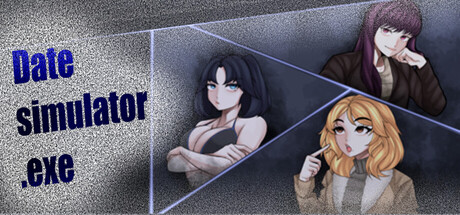 DATE_SIMULATOR.EXE In-game content art | AI tools were used solely for generating background images. All character art, UI elements, writing, and other visual content were created entirely by the development team without the use of generative AI. | NO REGRETS | - | Oct 10, 2026 | |
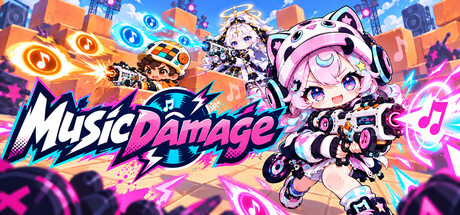 胡闹乐队 Unclear art | The Game Image Use Ai Generation | zhanghailong | - | Oct 10, 2026 | |
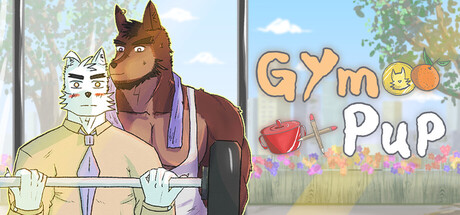 GymPup In-game content textart | AI was used to assist with the localization of some language versions. The translations were reviewed by the developer through proofreading and back-translation checks.
AI-generated images were used as composition references during the creation of a small number of CG illustrations. The image generation was based on the developer's own original hand-drawn character illustrations, provided as input references. All final character illustrations, CG illustrations, and other art assets were drawn entirely by hand. All characters are original designs. | bbone | - | Oct 10, 2026 | |
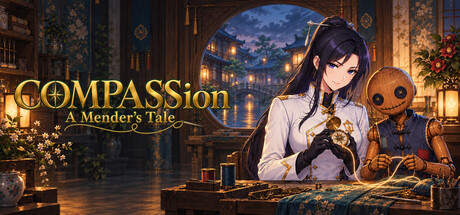 COMPASSion: A Mender’s Tale In-game content art | Generative AI was used to create and edit pre-generated in-game backgrounds, character illustrations, CG artwork, icons, and UI artwork, as well as Steam store and library capsule images, the logo, and icons. Gameplay screenshots were captured directly from the game. The game does not generate AI content during play. | COMPASSion: A Mender’s Tale Studio | - | Oct 9, 2026 | |
 Rêverie: Audio Stories In-game content audioart | Generative AI was used to create the voices, sound effects and illustrations. The stories are designed and directed by the developer. | Petit Vaisseau | - | Oct 9, 2026 | |
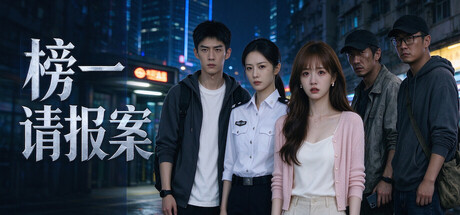 榜一请报案 Store/marketing art | Game videos and images are generated using AIGC. | BackSnow Games | - | Oct 9, 2026 | |
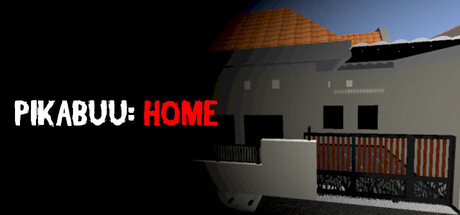 Pikabuu: Home In-game content textaudioart | This game uses generative AI tools during development to assist with the following content: text translation, sound effects, and background artwork assets | JoyKeratif | - | Oct 9, 2026 | |
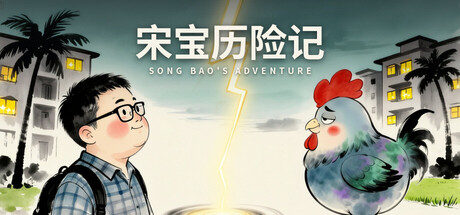 Song Bao's Adventure In-game content artaudiotext | The art, animation, voice acting and music in this game were pre-generated with generative AI tools, then selected, edited and corrected shot by shot by hand. The script, all dialogue and the story structure are human-written. No AI generation happens at runtime. | Song Bao | - | Oct 9, 2026 | |
 与你的四季 In-game content art | 本游戏的大部分素材由AI生成 | Fourseasons | - | Oct 9, 2026 | |
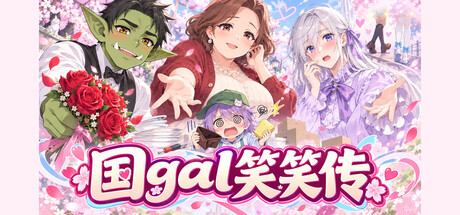 国gal笑笑传 In-game content artcodetext | 我们使用AI生成美术、代码、文案资产
无实时生成AI内容
We use AI for pictures,code and story. | 羊头狗肉工作室 | - | Oct 9, 2026 | |
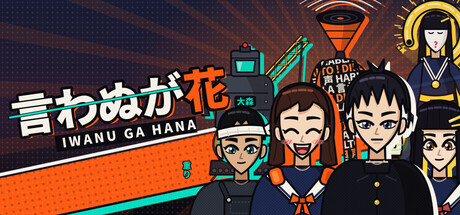 Iwanu Ga Hana In-game content artcode | This game contains content created with the assistance of AI tools. AI was used during development to assist with programming, visual assets, and other creative elements. All generated content was reviewed, edited, and integrated by the dev. | ISEKAI Games | - | Oct 7, 2026 | |
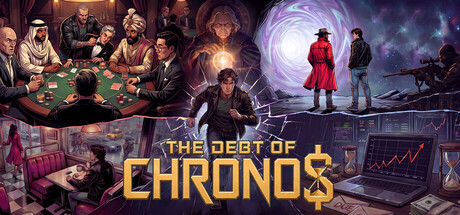 The Debt of Chronos In-game content arttext | Generative AI tools were used during development to assist with the creation and refinement of certain in-game visual assets, promotional artwork, and portions of text/localization. All AI-assisted content was reviewed, edited, and integrated by the developer. No generative AI is used during gameplay, and no content is generated live for players. | NozKaia Games | - | Oct 7, 2026 | |
 TSUKIMI PLANET -CLASSIC REMASTER- In-game content text | Generative AI was used only to assist with localization and translation into English, Simplified Chinese, Traditional Chinese, and Korean. The original story, artwork, audio, and other game assets were not generated using AI. No live-generated AI content is used in the game. | STUDIO CHARON | - | Oct 7, 2026 | |
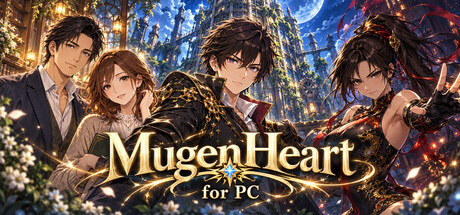 MugenHeart for PC Live AI text | AI tools assisted with static artwork, marketing images and localization. During play, a bundled language model running locally on your PC generates dialogue, narrative and diary text from your input, card instructions and conversation context. No external AI service or API key is required. No images or voices are generated during play. Output quality, response time and consistency vary with your hardware and input. | MugenHeart | - | Oct 7, 2026 | |
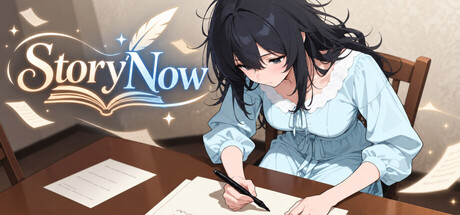 StoryNow Live AI art | StoryNow uses generative AI locally during gameplay. Llama.cpp generates prompts that ComfyUI uses to create visual-novel artwork on the player's device. The game does not connect to an external AI generation service. | pakyinwww | - | Oct 6, 2026 | |
 Unwritten Live AI text | Unwritten uses generative AI as part of its core gameplay. AI systems interpret the player's freely written actions and generate narrative responses within an authored world, story and set of rules. AI inference runs locally on the player's computer. | Romain Brancherie | - | Oct 6, 2026 | |
 TAKEN Store/marketing art | Generative AI was used to create promotional and store-page artwork for TAKEN during development. No AI-generated content or code is generated during gameplay. | MIZANUR RAHMAN | - | Oct 6, 2026 | |
 청월시 괴이사진록 (Cheongwol: Paranormal Archives) In-game content artaudiotext | The game's visuals (backgrounds, character portraits, event CGs, and UI) were created with generative AI, then reviewed by hand and retouched where needed. The BGM and some sound effects were also generated with AI, and AI is used for translations. The original story and dialogue were written entirely by the author. | Litma Games | - | Oct 6, 2026 | |
 KPOP Idol Factory In-game content artaudio | AI tools were used during development to create pre-made content such as images, voices, music and 3D model drafts. Everything was selected, edited and integrated into the game by the developer. The game does not generate any content with AI while you play and does not connect to AI services. | Jodelsoft | - | Oct 4, 2026 | |
 ARIA - Origin Paradox In-game content artaudio | Generative AI is used during development to create visual and music assets for the game and its promotional materials. It is not used to create the scenario, written text, or voices. All AI-generated assets are pre-generated; the game does not generate content or connect to external AI services during gameplay. | HeartWarmWorkS | - | Oct 4, 2026 | |
 RETURN TO 1990 In-game content artaudiotext | Character illustrations, backgrounds, cutscene videos, voice acting and music were created with generative AI tools, then selected and edited by our team. The story, dialogue and game systems were written and designed by the developer with AI assistance. No content is generated by AI during gameplay. | LABOON | - | Oct 4, 2026 | |
 线之缀 Stitching the Invisible Journal Dev only textart | 本作的核心叙事与所有角色立绘均由开发者本人独立原创。在开发过程中,AI仅作为辅助效率工具,用于提供初稿思路与基础美术变体(如光影与服装调整)。所有文本均经过开发者深度的重写与精修,所有美术资产均经过开发者的人工精细绘制与调整,以确保完全契合游戏独特的手绘风格与情感表达。 | xianzhizhui Studio | - | Oct 4, 2026 | |
 KanaCross Together In-game content audiotext | Kana Cross uses generative AI in the following ways, all reviewed by a person before release:
• Music: the game's background music was created using generative AI music tools.
• Localization: some of the Visual Novel and game's dictionary word meanings and translations. | Chottosoft | - | Oct 4, 2026 | |
 Abyssal Moonlight-Chapter1 In-game content textcode | ※ AI was used as a supplementary tool for English translation, spell checking, and programming code writing in this game. Illustrations, pixel art, Live2D, music, and voice acting were created entirely by humans. | Garurai | - | Oct 4, 2026 | |
 Purrrfect Immortal In-game content artcode | As a small indie team, we use generative AI to assist with coding and parts of our art workflow. All AI-assisted code is manually tested by our team before being included in the game. Our artists create the original concepts and visual direction, while AI is used as a supporting tool during the art process. All final artwork is manually refined and finished by our artists. | Red Mad Cat Games | - | Oct 4, 2026 | |
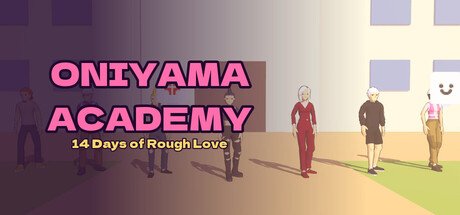 Oniyama Academy: 14 Days of Rough Love In-game content codetext | Portions of this game's code and dialogue were written with the assistance of AI tools and then reviewed and edited by the developer. All art, 3D models, music and sound effects are human-made assets (Quaternius, Kay Lousberg, Kenney, omfgdude and SubspaceAudio, all CC0). Nothing is generated by AI while you play. | ivan | - | Oct 4, 2026 | |
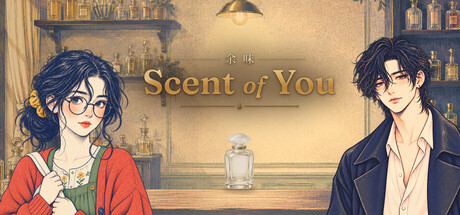 Scent of You Store/marketing art | Art/visual assets in the game and on the Steam store page were created with AI assistance. No AI-generated content is created during gameplay. | Framea Studios | - | Oct 3, 2026 | |
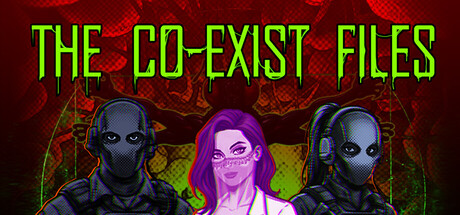 The Co-Exist Files Dev only art | Generative AI was used only for initial art concepts.
Post-processing, stylization, animation, and music were created independently by the developer. | Vic Lin | - | Oct 3, 2026 | |
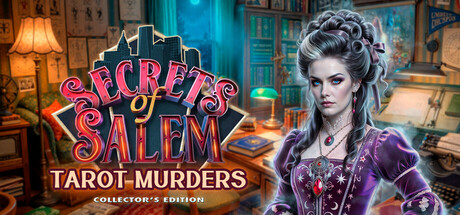 Secrets of Salem: Tarot Murders Collector's Edition In-game content art | In our project, AI was used to partially create art assets, helping our artists bring some ideas to life. | DominiGames | - | Oct 3, 2026 | |
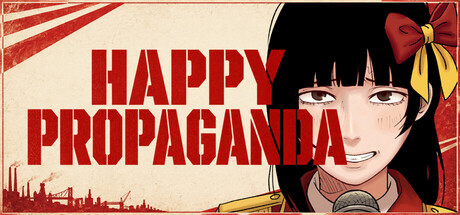 HAPPY PROPAGANDA In-game content text | Generative AI may be used to assist with localization. All final text is reviewed and edited by the developer. | Not a Dog | - | Oct 3, 2026 | |
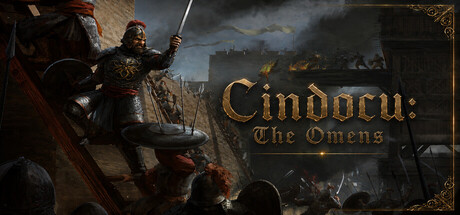 Cindocu: The Omens In-game content art | Details for the hand-illustrated artworks were mostly AI-generated. | Cindocu Project | - | Oct 3, 2026 | |
 MEAM Launcher In-game content artaudiotextcode | Generative AI tools were used during the development of MEAM Launcher and some of the included games.
AI-assisted and AI-generated content may include character and environment concepts, images, textures, 3D models, visual assets, music, sound effects, text, dialogue, code, and other development assets. AI tools were also used to assist with programming, prototyping, troubleshooting, game development, and general creative development.
All AI-generated or AI-assisted content was reviewed, selected, edited, implemented, and/or further developed by the developer before being included in the final product.
MEAM Launcher does not use generative AI to create content dynamically during gameplay. The AI usage described above relates to content and development work created before distribution of the software. | Mor10 Productions | - | Oct 2, 2026 | |
 Ex Oblivione Store/marketing text | Parts of the store-page text and a few short interface lines were drafted with an AI writing assistant and reviewed and edited by the developer. The game's literary text, English narration, music, sound design and visual design are human-made. | No_Return() | - | Oct 1, 2026 | |
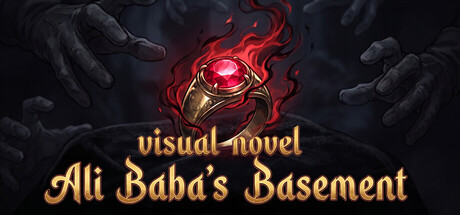 Visual Novel: Ali Baba Basemen In-game content art | all the pictures are generated by artificial intelligence. | Reanim Games | - | Oct 1, 2026 | |
 KOI-KOI! Unclear | I’m a solo developer, and artificial intelligence was used in the creation of this game. | KOI-KOI PRODUCTION | - | Oct 1, 2026 | |
 Highway 26 In-game content art | The graphical elements were created using AI and then manually refined. | Plotline Games | - | Oct 1, 2026 | |
 NEARBY: 3 LIKES In-game content artaudiotext | All characters are original adult fictional characters. Generative AI tools are used to create character imagery, video footage, and Japanese voice performances under the creator's direction; the results are reviewed, selected, and edited shot by shot. AI assistants also support parts of writing, translation, editing, and game implementation. The creator defines the story, characters, choices, performance, interaction, and quality requirements and makes the final decisions. No real performer is depicted, no real person's face or voice is intentionally used as a character reference, and nothing is generated while the game runs. | Studio Soil 26 | - | Oct 1, 2026 | |
 Mayonaka no Yaiba In-game content artaudiotext | ChatGPT, Grok, Gemini, Suno, and Doubao TTS assisted with most of the pre-generated visual, music, and voice content. All such content was created before release and selected, edited, and integrated by the developer. More than 99% of the game’s text was written manually by the author; AI was used only to help check for errors. The game does not connect to generative AI services or generate content at runtime. | CネコミミX | - | Oct 1, 2026 | |
 重启:工作日 In-game content artaudiotext | All assets in the game—including text translations, images, audio, and video—are generated by AI. | NOX Labs | - | Oct 1, 2026 | |
 Chess You In-game content codetext | AI used to assist in coding, scripting, and localization | Studio SoSeong | - | Oct 1, 2026 | |
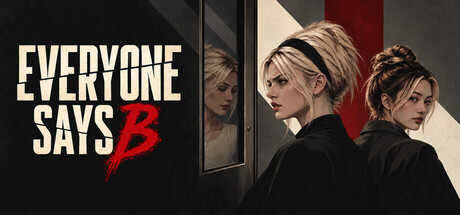 EVERYONE SAYS B In-game content art | Generative AI tools were used during development to create some character, environment, and object visuals, 3D assets, and promotional materials. All AI-generated content was created in advance during development. No new content is generated by AI during gameplay, and the game does not connect to any external AI services. | Nythalor Studios | - | Sep 30, 2026 | |
 Kiribashiri: Asleep in the Drift Ice In-game content textartaudio | 本作の台詞と描写は、あらかじめ書かれたものだけを表示します。プレイ中に文章を生成する仕組みはなく、インターネット接続も使いません。
制作にあたっては、生成AIを次の範囲で使っています。
・文章:登場人物の台詞、描写、質問の言い換えは、開発者が設計した設定と検査のもとで生成AIが執筆し、開発者が確認・修正しました。
・画像:背景画像とストアページの表紙画像は、生成AIで作った画像を開発者が加工したものです。
・音楽:BGMと主題歌は、生成AI(Suno)で制作しました。主題歌の歌詞も生成AIで作成し、開発者が確認しました。
・プレイ中の入力の照合:プレイヤーが入力した文章を、用意された台詞のどれに当たるか判定するために、小さな言語モデル(multilingual-e5-small)をプレイヤーのPC内で実行します。このモデルは文章を生成せず、入力内容を外部へ送信しません。
効果音には生成AIを使っていません。 | kaedeasset | - | Sep 30, 2026 | |
 《只有她知曉光輝的名字》- 開章 Dev only codetext | All artwork, animation, writing, character designs and other creative content in this game were made by hand. None of it was created with generative AI.
Generative AI was used only in two parts of development:
Programming assistance: helping to write and debug parts of the game code.
Translation assistance: helping to translate the text for non-Chinese language versions.
The artwork and writing that players see in the game were not generated by AI. | 紳士帽動畫製作組 | - | Sep 30, 2026 | |
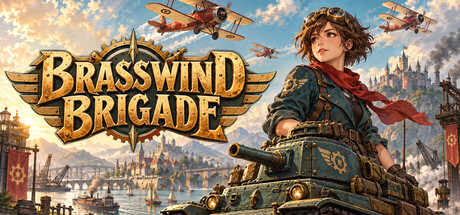 铜风旅团 In-game content art | Generative AI was used primarily to assist in the creation of some visual assets and images used in the game, including illustrations, UI artwork, and promotional materials. AI-generated images were manually reviewed, selected, edited, and adjusted by the developer before being integrated into the game.
The game does not use generative AI to create content in real time during gameplay. | 铜风工作室 | - | Sep 30, 2026 |


