Public Steam disclosure research25,695 disclosures tracked
Where do games disclose AI use?
Search developers’ Steam disclosures, compare classified AI use across
games, and follow recorded changes.
This index adds cross-game classifications and statistics to
statements published on individual store pages.
Groups reflect automatic analysis of public disclosures; mature records are excluded. These counts do not measure AI use across all of Steam.
Missing or unclear statements cannot establish whether a game uses AI.
The project makes use of AI as a support tool in the creation of Steam banners and marketing assets, especially for refining colors and lighting.
This assistance is crucial because our designer is color-blind (yes, daltonic), and AI helps ensure that the visual presentation maintains the intended impact and consistency.
In this way, technology complements creativity, guaranteeing banners that are both aesthetically appealing and effective for promotion.
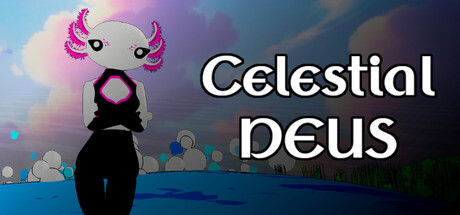
As a solo developer, transparency with my players is essential to me. That's why I want to clarify that I have used artificial intelligence tools to assist in the creative process of Celestial Deus. Working alone on a project of this scope requires finding creative solutions. AI allowed me to bring my artistic vision to life where my own skills or resources were limited.
Here is how it was used:
Skybox: The skybox, which depicts a stylized sky filled with large clouds as if viewed from a great height, was generated by an AI to match the game's unique atmosphere.
Voice Acting: To bring the characters to life, I first recorded all their voices myself. Then, I used an AI to transform my voice recordings, ensuring that each voice perfectly matches the personality and character of the deity it represents.
Music: I composed the foundational music tracks myself, and then used AI to remix and enhance them. This gave them more style and complexity for a more immersive ambiance.
My approach was always to use my own creations as a starting point and guide these tools, allowing me to deliver a more complete experience than I could have achieved on my own.
AI was used for creating a replicate voice of the characters in the game from real people who gave consent. The reason why: they did not want spoilers.
AI was also used for sound effects to achieve sounds that were not obtainable naturally.
AI was used to generate custom icons and sprites, such as inventory items, map markers, and logos. We also used AI for NPC voice acting and spell checking in subtitles.
The game uses pre-rendered AI generated voices instead of live voice actors, as well as some AI modified artwork for the marketing material, a very small portion of the in game art assets, and some aspects of the introduction video. None of the content is rendered in real time or live-generated.
This game uses artificial intelligence only to create static character portraits during dialogues. All gameplay, animations, mechanics, and other elements were developed traditionally. AI was used as an artistic tool to give style and personality to the characters in their conversations.
This game uses AI-generated images only for non-interactive content such as menu artwork and icons. No live AI generation occurs during gameplay, and AI is not used to create story, dialogue, or dynamic game mechanics.
AI tools were used in a limited capacity during development to assist with
concept art, promotional material, background music, design ideation,
and co-writing some descriptive text.
No AI is used in actual gameplay, player interaction, or game logic.
Some visual and/or audio assets were created using AI tools and then manually edited and integrated by the developer. No live AI generation is present in the game.
Based on our Frontline 1 assets, we've leveraged the innovative capabilities of AI to elevate our visuals by enhancing the graphics for some of the background & art images.
Some 2D UI elements and store assets were created with the help of generative AI and then hand-edited for the final game. Hive Haven does not use generative AI during gameplay. No user data is sent to AI services, and all in-game content is reviewed and authored for quality and appropriateness.
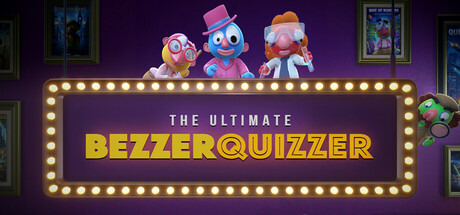
Generative AI has been used to help create a vast pool of questions and topics to iterate on. All questions have since been reiterated by humans. Generative AI has been used to create images for the paintings in the background and to proofread texts, both in-game and on the store page. Generative AI has been used to create voice-over audio for the game show host.
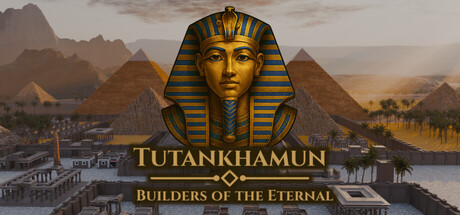
Tutankhamun: Builders of the Eternal is developed by a solo indie developer. It is his first game, representing a labor of love and evoking childhood game favorites. AI-assisted tools were used during development to help create some audio, text, and image assets. All in-game content is static, curated, and manually implemented by the developer. The game does not use live AI generation during gameplay.
As an independent developer, I use generative AI in a limited capacity solely for producing certain human-like voice clips and displaying animated visuals within the game. AI is not used to create game text, characters, core content, or dynamic programming during gameplay. All other game assets are created manually by me and fully comply with copyright and safety requirements.
Some of the voices in the game were generated using ElevenLabs voice changer, solely to produce pre-recorded audio. Some 3D models were created with Tencent tools as development support. ComfyUI-based workflows were also used to generate certain pre-rendered images and visual materials. None of these systems generate content during gameplay, and no AI tools affect the game dynamically at runtime.
This game uses Google Gemini AI to provide real-time educational information about locations on Earth. The AI assistant responds to player questions about geography, history, culture, and natural phenomena. All AI-generated content is educational and factual, with responses converted to speech using Google Text-to-Speech. The AI does not generate user-created content or allow custom prompts - it only provides informative responses to predefined question categories about Earth exploration.
Some visual assets, concept art, and textures in Santa’s Legacy were created using AI-assisted generation tools, then refined and integrated in Unity to match the game’s artistic direction.
Some visual elements in this game were partially created using AI-assisted tools. Specifically, we used AI to help generate certain UI elements and card artwork. -Generated by AI
The project makes use of AI as a support tool in the creation of Steam banners and marketing assets, especially for refining colors and lighting.
This assistance is crucial because our designer is color-blind (yes, daltonic), and AI helps ensure that the visual presentation maintains the intended impact and consistency.
In this way, technology complements creativity, guaranteeing banners that are both aesthetically appealing and effective for promotion.
As a solo developer, transparency with my players is essential to me. That's why I want to clarify that I have used artificial intelligence tools to assist in the creative process of Celestial Deus. Working alone on a project of this scope requires finding creative solutions. AI allowed me to bring my artistic vision to life where my own skills or resources were limited.
Here is how it was used:
Skybox: The skybox, which depicts a stylized sky filled with large clouds as if viewed from a great height, was generated by an AI to match the game's unique atmosphere.
Voice Acting: To bring the characters to life, I first recorded all their voices myself. Then, I used an AI to transform my voice recordings, ensuring that each voice perfectly matches the personality and character of the deity it represents.
Music: I composed the foundational music tracks myself, and then used AI to remix and enhance them. This gave them more style and complexity for a more immersive ambiance.
My approach was always to use my own creations as a starting point and guide these tools, allowing me to deliver a more complete experience than I could have achieved on my own.
AI was used for creating a replicate voice of the characters in the game from real people who gave consent. The reason why: they did not want spoilers.
AI was also used for sound effects to achieve sounds that were not obtainable naturally.
AI was used to generate custom icons and sprites, such as inventory items, map markers, and logos. We also used AI for NPC voice acting and spell checking in subtitles.
The game uses pre-rendered AI generated voices instead of live voice actors, as well as some AI modified artwork for the marketing material, a very small portion of the in game art assets, and some aspects of the introduction video. None of the content is rendered in real time or live-generated.
This game uses artificial intelligence only to create static character portraits during dialogues. All gameplay, animations, mechanics, and other elements were developed traditionally. AI was used as an artistic tool to give style and personality to the characters in their conversations.
This game uses AI-generated images only for non-interactive content such as menu artwork and icons. No live AI generation occurs during gameplay, and AI is not used to create story, dialogue, or dynamic game mechanics.
AI tools were used in a limited capacity during development to assist with
concept art, promotional material, background music, design ideation,
and co-writing some descriptive text.
No AI is used in actual gameplay, player interaction, or game logic.
Some visual and/or audio assets were created using AI tools and then manually edited and integrated by the developer. No live AI generation is present in the game.
Based on our Frontline 1 assets, we've leveraged the innovative capabilities of AI to elevate our visuals by enhancing the graphics for some of the background & art images.
Some 2D UI elements and store assets were created with the help of generative AI and then hand-edited for the final game. Hive Haven does not use generative AI during gameplay. No user data is sent to AI services, and all in-game content is reviewed and authored for quality and appropriateness.
Generative AI has been used to help create a vast pool of questions and topics to iterate on. All questions have since been reiterated by humans. Generative AI has been used to create images for the paintings in the background and to proofread texts, both in-game and on the store page. Generative AI has been used to create voice-over audio for the game show host.
Tutankhamun: Builders of the Eternal is developed by a solo indie developer. It is his first game, representing a labor of love and evoking childhood game favorites. AI-assisted tools were used during development to help create some audio, text, and image assets. All in-game content is static, curated, and manually implemented by the developer. The game does not use live AI generation during gameplay.
As an independent developer, I use generative AI in a limited capacity solely for producing certain human-like voice clips and displaying animated visuals within the game. AI is not used to create game text, characters, core content, or dynamic programming during gameplay. All other game assets are created manually by me and fully comply with copyright and safety requirements.
Some of the voices in the game were generated using ElevenLabs voice changer, solely to produce pre-recorded audio. Some 3D models were created with Tencent tools as development support. ComfyUI-based workflows were also used to generate certain pre-rendered images and visual materials. None of these systems generate content during gameplay, and no AI tools affect the game dynamically at runtime.
This game uses Google Gemini AI to provide real-time educational information about locations on Earth. The AI assistant responds to player questions about geography, history, culture, and natural phenomena. All AI-generated content is educational and factual, with responses converted to speech using Google Text-to-Speech. The AI does not generate user-created content or allow custom prompts - it only provides informative responses to predefined question categories about Earth exploration.
Some visual assets, concept art, and textures in Santa’s Legacy were created using AI-assisted generation tools, then refined and integrated in Unity to match the game’s artistic direction.
Some visual elements in this game were partially created using AI-assisted tools. Specifically, we used AI to help generate certain UI elements and card artwork. -Generated by AI