Public Steam disclosure research25,877 disclosures tracked
Where do games disclose AI use?
Search developers’ Steam disclosures, compare classified AI use across
games, and follow recorded changes.
This index adds cross-game classifications and statistics to
statements published on individual store pages.
Groups reflect automatic analysis of public disclosures; mature records are excluded. These counts do not measure AI use across all of Steam.
Missing or unclear statements cannot establish whether a game uses AI.
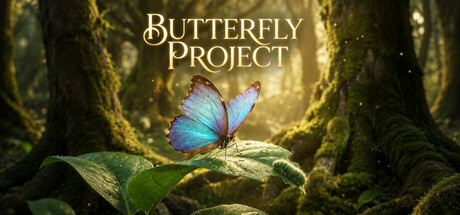
Some visual assets in Butterfly Project (such as backgrounds and illustrations) were created with the assistance of generative AI tools, then selected and integrated by the developer. Gameplay, systems, and overall design are human-made.
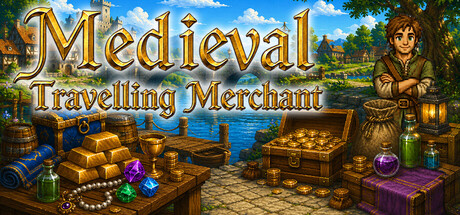
The game contains pre-generated visual and audio assets created with the assistance of generative AI tools during development. OpenAI-assisted tools were used for selected visual assets, Suno was used for pre-generated medieval-inspired music, and ElevenLabs was used for selected sound effects, ambience, and voice elements. All outputs were reviewed, selected, edited, and integrated by the developer. The game does not use live-generated AI and does not connect to an AI service while running.
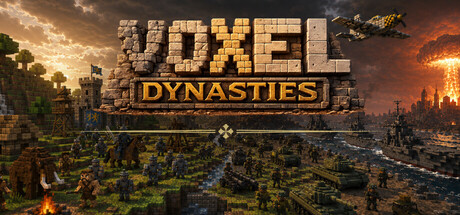
Generative AI tools were used to produce the game's source code and assist with music, localisation, store artwork, and some in-game text. The developer created the original concept, defined the intended gameplay and voxel-based presentation, and continuously reviewed, tested, corrected, refined, and approved the implementation. The game does not generate AI content during gameplay.
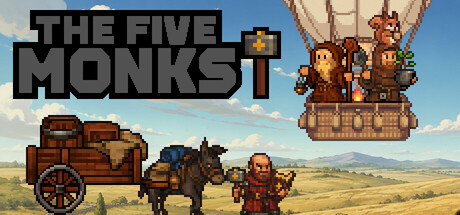
Generative AI tools were used during the development of The Five Monks as follows:
- Illustrations, icons, and in-game object art: initial images were generated with AI tools, then revised and finalized by hand by the development team. These edited assets ship with the game.
- Creature and character concepts: AI outputs were used as visual reference only. The final in-game art was recreated from scratch by the development team to fit the game's art direction.
- Store page text: portions were drafted with AI assistance and then edited by the team.
The game's music was composed by the development team without generative AI.
This game uses AI tools in the following ways:
Music: Composed using Suno.
Code: Written and debugged with AI assistance.
Art: Created with AI assistance.
All AI-assisted content was reviewed, edited, and finalized by the developer.
Currently I am developing this game as a solo self-funded "indie dev" and games need a lot of assets to be fun. I currently have used free (Creative Commons Zero) assets for audio, and generative AI for some placeholders in the game. I am currently in the process of finding both audio and visual artists to replace the AI generated assets, it takes time and resources, but ultimately I want all the assets to be hand authored by humans.
This game uses generative AI tools during development to help create some character voice lines and cutscene video sequences. AI is not used to generate live, novel content during gameplay - all AI-assisted content is pre-produced and reviewed by the development team before shipping.
AI tools were used during development to assist in the creation of some pre-generated content included in the game. All such content was reviewed, curated, and edited by the developer before inclusion. Some 2D sprites, icons, and key art were created with the assistance of generative AI tools. Music and sound effects were also created with the assistance of AI audio tools. Localization for languages other than English was produced with AI assistance and reviewed by the developer. The game does not use generative AI at runtime and does not generate any live AI content during gameplay.
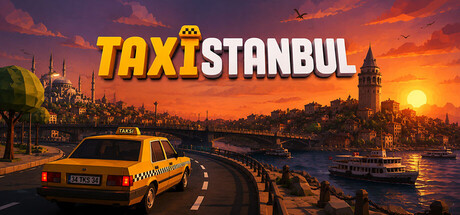
Some sound effects were created with AI tools, and a small number of background 3D assets were initially AI-generated, then manually optimized. Parts of the promotional artwork were made with AI assistance. Everything else, including all gameplay systems, the driving and economy mechanics, and the street-by-street recreation of Istanbul's historic peninsula, is hand-crafted by a solo developer.
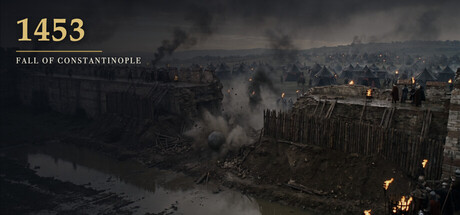
1453 contains pre-generated AI content: in-game illustrations and short ambient video clips created with generative image/video tools, curated and edited under human art direction and reviewed for historical accuracy. The narrative text is human–AI co-written and human-edited under the author's direction; the game design is the author's. No AI content is generated at runtime.
Generative AI tools were used during development to assist in creating and refining some 2D pixel-art assets, animations, and localization text. All AI-assisted content was reviewed, edited, and integrated by the developer.
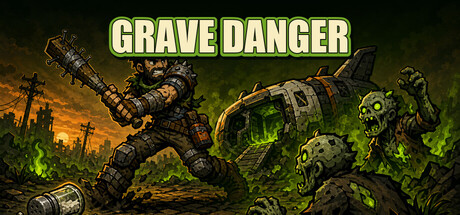
Generative AI tools assisted with portions of the game's code, comedic written content, and certain original visual assets. The game also includes 12 pre-generated instrumental music tracks made with Suno. All AI-assisted material was reviewed, edited, and integrated by the developer. Grave Danger does not generate AI content during gameplay and does not connect to external AI services.
Generative AI was used during development to create some of the pre-generated images included in the game. All AI-generated content is created in advance and included as static game assets. The game does not generate AI content during gameplay.
This game includes pre-generated content made with the assistance of generative AI tools during development. AI tools were used to help create and iterate some static story illustrations, character and store-art references, voice and sound-effect materials, texture details, copy polishing, and localization drafts. All such content is selected, edited, assembled, and manually reviewed by the developer before shipping. The game does not connect to a live generative AI service during play and does not generate new player-facing AI content at runtime.
In keeping with the game's premise, many of the in-game AI opponent's answers — along with question prompts, post-game flavor text, and portions of the French localization — were written with the help of generative AI, reviewed and directed throughout by the developer.
Generative AI tools were used throughout development to assist in creating and refining game code, 2D artwork, UI assets, audio, music, and written content, and Steam promotional materials. All AI-assisted content included in the released product is selected, reviewed, integrated, and tested by the developer. The game does not use generative AI at runtime and does not generate content or code during gameplay.
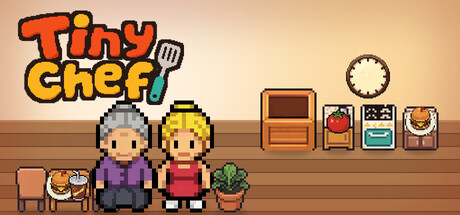
Some of the placeholder art currently in Tiny Chef was generated with AI tools while the game is in development. It is temporary and is being replaced with final artwork drawn by a human artist.
applying filters and effect to artwork for promotional materials on the Steam page
generating simple sounds/audio for later editing and mixing in Audacity
Generative AI was used throughout the development process. It was utilized alongside the developer to assist with tasks. Notably: debugging, localization, asset creation, and marketing materials. All AI-generated content was reviewed, edited, and integrated by the developer to ensure both quality and consistency standards were met.
Generative AI is used only during development to create and refine certain visual assets, including textures, icons, and UI elements. All generated materials are reviewed and edited by the developer when necessary before being added to the game. AI does not generate content during gameplay or process user data.
Tatomic was originally created in 2008 for the first-generation iPhone, with artwork designed for its 480 × 320 display.
Generative AI was used only to upscale and recreate the original artwork at higher resolutions while preserving the game’s original visual style. No generative AI was used to create the game’s design, gameplay, sound effects, music, or original art direction.
This game was developed with the assistance of generative AI tools.
Generative AI tools assisted with the creation of skill icons, terrain textures, some in-game 3D assets and visual effects, and translated localization text. All final assets and translations included in the game were selected, edited, and reviewed by the developer before integration.
The game does not use any AI features that generate images, text, audio, or other content in real time in response to player input.
Generative AI was used to assist with creating some placeholder and promotional artwork during development. All game design, programming decisions, gameplay systems, and final content were reviewed and curated by the developer.
Generative AI was used during development to create some pre-generated graphical content. This includes several user interface icons used in the game and the hero banner displayed on the Steam store page. The game does not generate any content using AI during runtime.
This game contains pre-generated AI-assisted visual assets, including promotional store images, character illustrations, icons, backgrounds, and other artwork used in the game. All AI-generated assets have been reviewed, selected, and edited by the developer before being included in the final product. The game does not use live or runtime AI or external AI services during gameplay.
Some visual assets (store artwork and logo) and localization text in this app were created with the assistance of generative AI tools. All AI-assisted content was reviewed and edited by the developer. The app does not generate any content with AI at runtime.
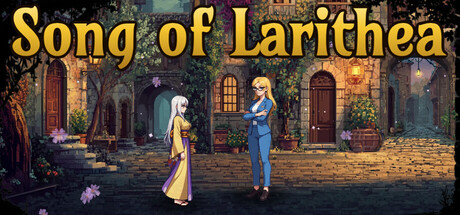
Song of Larithea is made by a solo developer using generative AI across the pipeline: the artwork is AI-generated and then hand-edited in Photoshop, and the voice lines, music, and sound are AI-generated as well. The story is the author's own, adapted from her own novel, with AI helping polish the English text - and future translations will be AI-assisted too. Every asset is reviewed, corrected, and finished by hand before it ships.
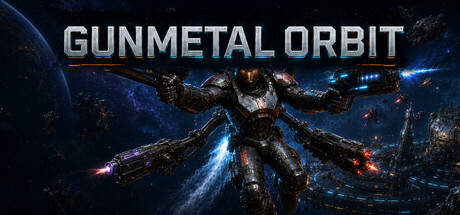
Some of Gunmetal Orbit's art and audio assets - including concept art used to build 3D models, UI icons, sound effects, and the store page key art - were created during development with the help of generative AI tools, then curated, edited, and integrated by the developers. All gameplay code and game design are human-made, and the game does not generate any AI content while you play.
We used generative AI tools (such as Midjourney) to pre-generate some background illustrations and story artworks. All generated assets have been carefully reviewed and edited to ensure they do not violate any copyright or community guidelines.
Pre-generated AI content:
Some of the game's 2D illustrations — world and game-mode cover art, story-scene illustrations, character portraits, and store/promotional images — were created with the assistance of generative AI image tools. Every image was prompted, curated, selected and edited by the developer.
Portions of the game's source code were written with the assistance of an AI coding tool, always under direct human direction, review and testing.
Gameplay sprites, user interface, and fonts come from licensed third-party asset packs or were made by hand.
The game does NOT generate any content with AI at runtime: all content is fixed at development time, and no player data is sent to any AI service.
Generative AI was used to assist with the creation of code-based 3D geometry built in Three.js, as well as some sound assets included in the game. These assets are reviewed, adjusted, and integrated by the developer, and may be revised or replaced throughout development.
The game's art and audio content — including visual assets, UI elements, and store page artwork — was generated with the assistance of AI tools during development and then refined by the team. All AI-generated content was created during development; the game does not generate content while you play.
Some visual assets in Butterfly Project (such as backgrounds and illustrations) were created with the assistance of generative AI tools, then selected and integrated by the developer. Gameplay, systems, and overall design are human-made.
The game contains pre-generated visual and audio assets created with the assistance of generative AI tools during development. OpenAI-assisted tools were used for selected visual assets, Suno was used for pre-generated medieval-inspired music, and ElevenLabs was used for selected sound effects, ambience, and voice elements. All outputs were reviewed, selected, edited, and integrated by the developer. The game does not use live-generated AI and does not connect to an AI service while running.
Generative AI tools were used to produce the game's source code and assist with music, localisation, store artwork, and some in-game text. The developer created the original concept, defined the intended gameplay and voxel-based presentation, and continuously reviewed, tested, corrected, refined, and approved the implementation. The game does not generate AI content during gameplay.
Generative AI tools were used during the development of The Five Monks as follows:
- Illustrations, icons, and in-game object art: initial images were generated with AI tools, then revised and finalized by hand by the development team. These edited assets ship with the game.
- Creature and character concepts: AI outputs were used as visual reference only. The final in-game art was recreated from scratch by the development team to fit the game's art direction.
- Store page text: portions were drafted with AI assistance and then edited by the team.
The game's music was composed by the development team without generative AI.
This game uses AI tools in the following ways:
Music: Composed using Suno.
Code: Written and debugged with AI assistance.
Art: Created with AI assistance.
All AI-assisted content was reviewed, edited, and finalized by the developer.
Currently I am developing this game as a solo self-funded "indie dev" and games need a lot of assets to be fun. I currently have used free (Creative Commons Zero) assets for audio, and generative AI for some placeholders in the game. I am currently in the process of finding both audio and visual artists to replace the AI generated assets, it takes time and resources, but ultimately I want all the assets to be hand authored by humans.
This game uses generative AI tools during development to help create some character voice lines and cutscene video sequences. AI is not used to generate live, novel content during gameplay - all AI-assisted content is pre-produced and reviewed by the development team before shipping.
AI tools were used during development to assist in the creation of some pre-generated content included in the game. All such content was reviewed, curated, and edited by the developer before inclusion. Some 2D sprites, icons, and key art were created with the assistance of generative AI tools. Music and sound effects were also created with the assistance of AI audio tools. Localization for languages other than English was produced with AI assistance and reviewed by the developer. The game does not use generative AI at runtime and does not generate any live AI content during gameplay.
Some sound effects were created with AI tools, and a small number of background 3D assets were initially AI-generated, then manually optimized. Parts of the promotional artwork were made with AI assistance. Everything else, including all gameplay systems, the driving and economy mechanics, and the street-by-street recreation of Istanbul's historic peninsula, is hand-crafted by a solo developer.
1453 contains pre-generated AI content: in-game illustrations and short ambient video clips created with generative image/video tools, curated and edited under human art direction and reviewed for historical accuracy. The narrative text is human–AI co-written and human-edited under the author's direction; the game design is the author's. No AI content is generated at runtime.
Generative AI tools were used during development to assist in creating and refining some 2D pixel-art assets, animations, and localization text. All AI-assisted content was reviewed, edited, and integrated by the developer.
Generative AI tools assisted with portions of the game's code, comedic written content, and certain original visual assets. The game also includes 12 pre-generated instrumental music tracks made with Suno. All AI-assisted material was reviewed, edited, and integrated by the developer. Grave Danger does not generate AI content during gameplay and does not connect to external AI services.
Generative AI was used during development to create some of the pre-generated images included in the game. All AI-generated content is created in advance and included as static game assets. The game does not generate AI content during gameplay.
This game includes pre-generated content made with the assistance of generative AI tools during development. AI tools were used to help create and iterate some static story illustrations, character and store-art references, voice and sound-effect materials, texture details, copy polishing, and localization drafts. All such content is selected, edited, assembled, and manually reviewed by the developer before shipping. The game does not connect to a live generative AI service during play and does not generate new player-facing AI content at runtime.
In keeping with the game's premise, many of the in-game AI opponent's answers — along with question prompts, post-game flavor text, and portions of the French localization — were written with the help of generative AI, reviewed and directed throughout by the developer.
Generative AI tools were used throughout development to assist in creating and refining game code, 2D artwork, UI assets, audio, music, and written content, and Steam promotional materials. All AI-assisted content included in the released product is selected, reviewed, integrated, and tested by the developer. The game does not use generative AI at runtime and does not generate content or code during gameplay.
Some of the placeholder art currently in Tiny Chef was generated with AI tools while the game is in development. It is temporary and is being replaced with final artwork drawn by a human artist.
applying filters and effect to artwork for promotional materials on the Steam page
generating simple sounds/audio for later editing and mixing in Audacity
Generative AI was used throughout the development process. It was utilized alongside the developer to assist with tasks. Notably: debugging, localization, asset creation, and marketing materials. All AI-generated content was reviewed, edited, and integrated by the developer to ensure both quality and consistency standards were met.
Generative AI is used only during development to create and refine certain visual assets, including textures, icons, and UI elements. All generated materials are reviewed and edited by the developer when necessary before being added to the game. AI does not generate content during gameplay or process user data.
Tatomic was originally created in 2008 for the first-generation iPhone, with artwork designed for its 480 × 320 display.
Generative AI was used only to upscale and recreate the original artwork at higher resolutions while preserving the game’s original visual style. No generative AI was used to create the game’s design, gameplay, sound effects, music, or original art direction.
This game was developed with the assistance of generative AI tools.
Generative AI tools assisted with the creation of skill icons, terrain textures, some in-game 3D assets and visual effects, and translated localization text. All final assets and translations included in the game were selected, edited, and reviewed by the developer before integration.
The game does not use any AI features that generate images, text, audio, or other content in real time in response to player input.
Generative AI was used to assist with creating some placeholder and promotional artwork during development. All game design, programming decisions, gameplay systems, and final content were reviewed and curated by the developer.
Generative AI was used during development to create some pre-generated graphical content. This includes several user interface icons used in the game and the hero banner displayed on the Steam store page. The game does not generate any content using AI during runtime.
This game contains pre-generated AI-assisted visual assets, including promotional store images, character illustrations, icons, backgrounds, and other artwork used in the game. All AI-generated assets have been reviewed, selected, and edited by the developer before being included in the final product. The game does not use live or runtime AI or external AI services during gameplay.
Some visual assets (store artwork and logo) and localization text in this app were created with the assistance of generative AI tools. All AI-assisted content was reviewed and edited by the developer. The app does not generate any content with AI at runtime.
Song of Larithea is made by a solo developer using generative AI across the pipeline: the artwork is AI-generated and then hand-edited in Photoshop, and the voice lines, music, and sound are AI-generated as well. The story is the author's own, adapted from her own novel, with AI helping polish the English text - and future translations will be AI-assisted too. Every asset is reviewed, corrected, and finished by hand before it ships.
Some of Gunmetal Orbit's art and audio assets - including concept art used to build 3D models, UI icons, sound effects, and the store page key art - were created during development with the help of generative AI tools, then curated, edited, and integrated by the developers. All gameplay code and game design are human-made, and the game does not generate any AI content while you play.
We used generative AI tools (such as Midjourney) to pre-generate some background illustrations and story artworks. All generated assets have been carefully reviewed and edited to ensure they do not violate any copyright or community guidelines.
Pre-generated AI content:
Some of the game's 2D illustrations — world and game-mode cover art, story-scene illustrations, character portraits, and store/promotional images — were created with the assistance of generative AI image tools. Every image was prompted, curated, selected and edited by the developer.
Portions of the game's source code were written with the assistance of an AI coding tool, always under direct human direction, review and testing.
Gameplay sprites, user interface, and fonts come from licensed third-party asset packs or were made by hand.
The game does NOT generate any content with AI at runtime: all content is fixed at development time, and no player data is sent to any AI service.
Generative AI was used to assist with the creation of code-based 3D geometry built in Three.js, as well as some sound assets included in the game. These assets are reviewed, adjusted, and integrated by the developer, and may be revised or replaced throughout development.
The game's art and audio content — including visual assets, UI elements, and store page artwork — was generated with the assistance of AI tools during development and then refined by the team. All AI-generated content was created during development; the game does not generate content while you play.