Public Steam disclosure research25,867 disclosures tracked
Where do games disclose AI use?
Search developers’ Steam disclosures, compare classified AI use across
games, and follow recorded changes.
This index adds cross-game classifications and statistics to
statements published on individual store pages.
Groups reflect automatic analysis of public disclosures; mature records are excluded. These counts do not measure AI use across all of Steam.
Missing or unclear statements cannot establish whether a game uses AI.
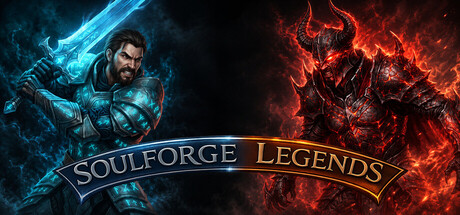
Some of the art in SoulForge Legends was created with the help of generative AI tools. All of it was generated during development, then reviewed, edited and assembled by hand before shipping. Nothing is generated live while you play, and the game never sends your input to an AI service.
This game uses a bundled on-device AI model to estimate body-shape parameters from a player-selected full-body photo and apply them to a predefined 3D character mesh. The photo is processed locally and is not sent to an external AI service. Photo-based appearance projection is handled separately as user-provided character customization and is not open-ended AI image generation.
Some of the game's 2D artwork (card illustrations) was created with the assistance of generative AI tools, then curated, edited, and integrated by the developer. AI assistance was also used for in-game text and store page copy. All game design and final content decisions are the developer's own. The game contains no live/runtime AI-generated content.
Some in-game artwork—including characters, monsters, weapons, backgrounds, card illustrations, and UI assets—as well as some store page images, was created using pre-generated AI tools. All generated assets were selected, edited, adjusted, and reviewed by the developer before being included in the game. The game does not generate AI content during gameplay.
Pre-generated only. Generative AI assisted in creating some art, music, SFX, and localization during development, all developer-reviewed. No live AI content in the shipped game.
Some 3D prop assets and promotional artwork were created with the assistance of generative AI tools. All AI-assisted content was manually reviewed, edited, and integrated by the developer. No content is generated during gameplay.
Some pre-generated visual assets and localization text were created with the assistance of generative AI and were reviewed and edited by the developer. The game does not generate AI content during gameplay.
We use AI tools only to demonstrate the game's feel, for marketing materials, and to optimise development. 3D models, UI, characters, robot enemies, the main soundtrack and other key elements of the game are lovingly crafted by our team.
Yes, we're not the fastest indie developers in the world. But we're working hard for you! ^_^
Generative AI tools were used during development to create and refine some pre-generated visual assets, including concept art, character and environment models, textures, animations, UI artwork, icons, visual effects, and selected store or marketing images. All such assets were reviewed and edited by the developer. The game does not generate AI content during gameplay and does not connect to external AI services while running.
Some visual and audio assets were created or assisted using AI tools, then selected, edited, and integrated by the developer. The game's story, gameplay mechanics, dialogue, programming, and overall design were created by the developer.
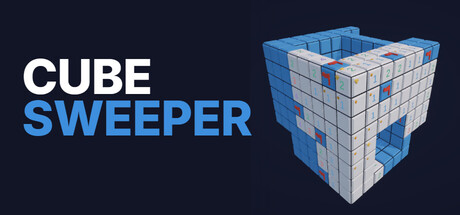
Cube Sweeper used AI assistance during development in two places. Some of the game's handcrafted curated boards began as AI-generated shapes, which were then validated and certified solvable by the game's own logic engine before anything shipped, exactly like every other board in the game. Store page artwork production was aided by AI-assisted tools. No AI is used at runtime. The puzzles are generated by a deterministic system.
This game uses generative AI to create part of its content:
- Art and sprites: generated with AI tools and manually edited in Photoshop.
- Intro cinematic: generated with Google Veo 3 and Flow, then edited.
- Some sound effects: generated or processed with AI tools, combined with recorded and licensed library sounds.
- Code assistance: parts of development were assisted by language models (Claude).
All AI-generated content was reviewed, edited, and approved by the developer. The game does NOT use AI at runtime: all content is pre-rendered.
This game uses AI-generated artwork for static marketplace listing images including cars, homes, investment properties, boats, and businesses shown in the Assets and Business panels, as well as for Steam achievement icons. All AI-generated content is created during development and shipped as fixed image files. The game does not generate any content live during gameplay and does not connect to any AI service while you play.
Generative AI tools were used to assist in creating and refining some promotional artwork for the Steam store page and related marketing materials. All AI-assisted assets were reviewed and edited by the developer. No generative AI content is used in the game itself, and no content is generated during gameplay.
GloomDelve's visuals, audio, and dungeons are generated procedurally by hand-written code; calculated geometry, synthesized sound, and deterministic seed-based level generation, not by generative AI. Generative AI tools were used during development to assist with translating the interface into non-English languages. The game generates no content at runtime and connects to no AI service while you play. Every run is produced by the same deterministic procedural systems.
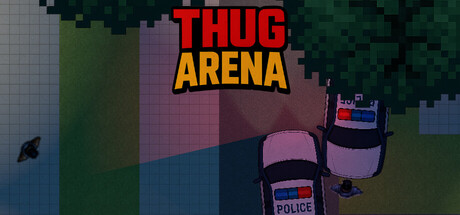
Thug Arena was made with the use of AI and LLMs to generate many of the graphical assets. The game was made by two brothers in our spare time, and none of us are artists or can afford to pay artists for this game. We have used AI creatively to get to a style we liked for the game including most but not all assets, such as trees, buildings, pedestrians and weapons.
Generative AI tools were used to create selected pre-generated visual concept art and marketing assets. All AI-assisted material is created before release and reviewed by the development team. The game does not generate AI content during gameplay and does not connect to external AI services during play.
During the development of the game, generative AI tools were used to create some decorative props and certain sound effects. All AI-generated content was reviewed, edited, and manually integrated by the developer to ensure consistency with the game's artistic style and quality standards. Artificial intelligence was not used to generate gameplay code or core gameplay mechanics.
Generative AI was used to assist in creating certain promotional and store page artwork. All AI-generated content was reviewed, edited, and refined by the developer. No generative AI is used during gameplay.
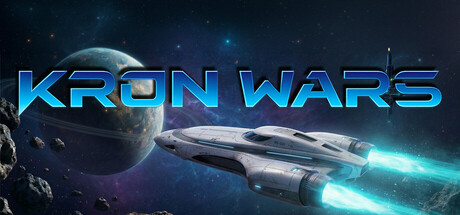
Some visual assets in Kron Wars — including spaceship designs, environment artwork, and promotional videos — were created with the assistance of generative AI tools. All AI-generated content has been reviewed, curated, and integrated by our development team. No AI is used to generate gameplay content, in-game text, or player-facing decisions at runtime.
AI tools were used during development to assist with the creation and editing of some visual assets, including characters, UI icons, and background elements. Some assets created or edited with the assistance of AI tools are included in the game.
- All in-game art was hand-drawn by several artists
- The game cover and logo were hand-drawn by an artist
- Translations from English into other languages were partially done using artificial intelligence, because hiring professional translators is expensive for us, and they often rely heavily on AI for their translations. So if you notice an error in the text, please let us know so we can correct it.
- Some of the background music was created using AI
Generative AI has only been used in the process of localization to serve our international players. We are trying our best to minimalize through out the process of localization.
Generative AI was used to assist with artwork concept drafts, music ideation, localization, and code-writing during development. All final content was reviewed and curated by the developer.
Some of the art in SoulForge Legends was created with the help of generative AI tools. All of it was generated during development, then reviewed, edited and assembled by hand before shipping. Nothing is generated live while you play, and the game never sends your input to an AI service.
This game uses a bundled on-device AI model to estimate body-shape parameters from a player-selected full-body photo and apply them to a predefined 3D character mesh. The photo is processed locally and is not sent to an external AI service. Photo-based appearance projection is handled separately as user-provided character customization and is not open-ended AI image generation.
Some of the game's 2D artwork (card illustrations) was created with the assistance of generative AI tools, then curated, edited, and integrated by the developer. AI assistance was also used for in-game text and store page copy. All game design and final content decisions are the developer's own. The game contains no live/runtime AI-generated content.
Some in-game artwork—including characters, monsters, weapons, backgrounds, card illustrations, and UI assets—as well as some store page images, was created using pre-generated AI tools. All generated assets were selected, edited, adjusted, and reviewed by the developer before being included in the game. The game does not generate AI content during gameplay.
Pre-generated only. Generative AI assisted in creating some art, music, SFX, and localization during development, all developer-reviewed. No live AI content in the shipped game.
Some 3D prop assets and promotional artwork were created with the assistance of generative AI tools. All AI-assisted content was manually reviewed, edited, and integrated by the developer. No content is generated during gameplay.
Some pre-generated visual assets and localization text were created with the assistance of generative AI and were reviewed and edited by the developer. The game does not generate AI content during gameplay.
We use AI tools only to demonstrate the game's feel, for marketing materials, and to optimise development. 3D models, UI, characters, robot enemies, the main soundtrack and other key elements of the game are lovingly crafted by our team.
Yes, we're not the fastest indie developers in the world. But we're working hard for you! ^_^
Generative AI tools were used during development to create and refine some pre-generated visual assets, including concept art, character and environment models, textures, animations, UI artwork, icons, visual effects, and selected store or marketing images. All such assets were reviewed and edited by the developer. The game does not generate AI content during gameplay and does not connect to external AI services while running.
Some visual and audio assets were created or assisted using AI tools, then selected, edited, and integrated by the developer. The game's story, gameplay mechanics, dialogue, programming, and overall design were created by the developer.
Cube Sweeper used AI assistance during development in two places. Some of the game's handcrafted curated boards began as AI-generated shapes, which were then validated and certified solvable by the game's own logic engine before anything shipped, exactly like every other board in the game. Store page artwork production was aided by AI-assisted tools. No AI is used at runtime. The puzzles are generated by a deterministic system.
This game uses generative AI to create part of its content:
- Art and sprites: generated with AI tools and manually edited in Photoshop.
- Intro cinematic: generated with Google Veo 3 and Flow, then edited.
- Some sound effects: generated or processed with AI tools, combined with recorded and licensed library sounds.
- Code assistance: parts of development were assisted by language models (Claude).
All AI-generated content was reviewed, edited, and approved by the developer. The game does NOT use AI at runtime: all content is pre-rendered.
This game uses AI-generated artwork for static marketplace listing images including cars, homes, investment properties, boats, and businesses shown in the Assets and Business panels, as well as for Steam achievement icons. All AI-generated content is created during development and shipped as fixed image files. The game does not generate any content live during gameplay and does not connect to any AI service while you play.
Generative AI tools were used to assist in creating and refining some promotional artwork for the Steam store page and related marketing materials. All AI-assisted assets were reviewed and edited by the developer. No generative AI content is used in the game itself, and no content is generated during gameplay.
GloomDelve's visuals, audio, and dungeons are generated procedurally by hand-written code; calculated geometry, synthesized sound, and deterministic seed-based level generation, not by generative AI. Generative AI tools were used during development to assist with translating the interface into non-English languages. The game generates no content at runtime and connects to no AI service while you play. Every run is produced by the same deterministic procedural systems.
Thug Arena was made with the use of AI and LLMs to generate many of the graphical assets. The game was made by two brothers in our spare time, and none of us are artists or can afford to pay artists for this game. We have used AI creatively to get to a style we liked for the game including most but not all assets, such as trees, buildings, pedestrians and weapons.
Generative AI tools were used to create selected pre-generated visual concept art and marketing assets. All AI-assisted material is created before release and reviewed by the development team. The game does not generate AI content during gameplay and does not connect to external AI services during play.
During the development of the game, generative AI tools were used to create some decorative props and certain sound effects. All AI-generated content was reviewed, edited, and manually integrated by the developer to ensure consistency with the game's artistic style and quality standards. Artificial intelligence was not used to generate gameplay code or core gameplay mechanics.
Generative AI was used to assist in creating certain promotional and store page artwork. All AI-generated content was reviewed, edited, and refined by the developer. No generative AI is used during gameplay.
Some visual assets in Kron Wars — including spaceship designs, environment artwork, and promotional videos — were created with the assistance of generative AI tools. All AI-generated content has been reviewed, curated, and integrated by our development team. No AI is used to generate gameplay content, in-game text, or player-facing decisions at runtime.
AI tools were used during development to assist with the creation and editing of some visual assets, including characters, UI icons, and background elements. Some assets created or edited with the assistance of AI tools are included in the game.
- All in-game art was hand-drawn by several artists
- The game cover and logo were hand-drawn by an artist
- Translations from English into other languages were partially done using artificial intelligence, because hiring professional translators is expensive for us, and they often rely heavily on AI for their translations. So if you notice an error in the text, please let us know so we can correct it.
- Some of the background music was created using AI
Generative AI has only been used in the process of localization to serve our international players. We are trying our best to minimalize through out the process of localization.
Generative AI was used to assist with artwork concept drafts, music ideation, localization, and code-writing during development. All final content was reviewed and curated by the developer.