Public Steam disclosure research25,877 disclosures tracked
Where do games disclose AI use?
Search developers’ Steam disclosures, compare classified AI use across
games, and follow recorded changes.
This index adds cross-game classifications and statistics to
statements published on individual store pages.
Groups reflect automatic analysis of public disclosures; mature records are excluded. These counts do not measure AI use across all of Steam.
Missing or unclear statements cannot establish whether a game uses AI.
This game was created by a solo developer with substantial help from generative AI tools. Every output was reviewed by hand.
Code: Claude Opus 4.8, Claude Fable 5.0
Writing & translation: Claude Opus 4.8, Gemini Pro 3.1
Graphics: Gemini Nano Banana 2
Music: Claude Opus 4.8
Video: Gemini Omni
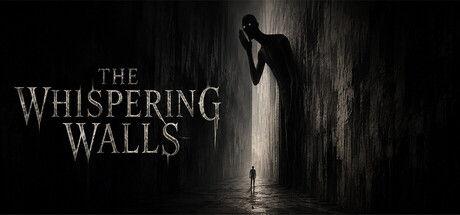
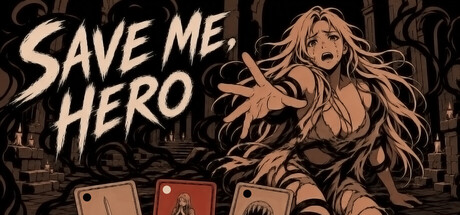
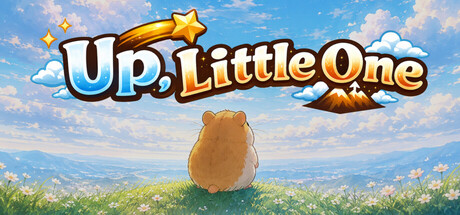
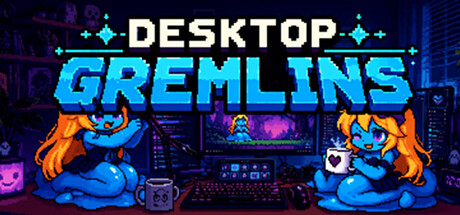
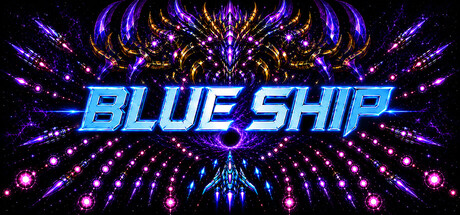
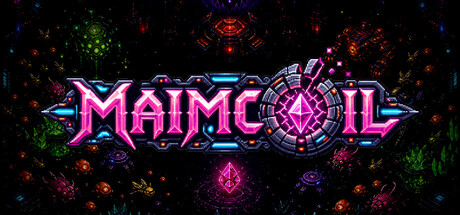
We have only used Gen AI for the purposes of creating and placing the Capsule Art of the game.
We will be replacing the capsule art with our in-house capsule art.
During development, AI-assisted and AI-generated tools were used for pre-generated player-facing content.
Our production workflow combines original human-created assets with AI-assisted or AI-generated content. AI tools were used to assist with text translation/localization, visual asset modification and refinement, and the generation of certain audio assets.
Most final assets are the result of a mixed workflow: they may include both original developer-created elements and AI-assisted or AI-generated elements. All final text, visual, and audio assets included in the game have been manually reviewed, edited, selected, and approved by the development team.
The game does not include live-generated AI content. It does not generate new text, images, audio, or other player-facing content through AI during gameplay.
The core gameplay of this game adopts an independent AI warlord confrontation system. All Three Kingdoms generals and regional lord NPCs make autonomous decisions on their own, and can independently launch alliances, declarations of war, diplomatic negotiations, grain supply trades, secret betrayals and other political strategic behaviors. In-game plot dialogues and interactions among warlords are dynamically generated by AI. A built-in content safety filter is activated throughout the game to prevent the generation of illegal, violent and inappropriate content.
Generative AI tools were used during development to assist with selected pre-generated visual assets, promotional artwork, store-page materials, text, and code. All AI-assisted content was reviewed and edited by the developer before inclusion. The game does not generate AI content while running.
Generative AI tools were used during the development of this game to assist in creating background marketing materials and promotional store assets. Additionally, AI was utilized as a supportive tool for code optimization, bug-hunting, development consulting, and text localization. While the vast majority of the game's assets were created using traditional development methods, players may encounter a small number of AI-generated assets integrated within the game itself. No AI content is generated in real-time during gameplay.
AI was used to troubleshoot code and to draft isolated sections of the codebase, which I then finalized.
All graphics, UI, and music are made without AI.
AI was used for initial translation from English into other languages. Many translations were then reviewed and edited by native speakers.
This game's 3D environment was created with the help of AI-based 3D scene generation tools. Some marketing materials (trailer footage) were also created using AI image and video generation tools. No AI-generated content is created live during gameplay — all AI-assisted content was produced during development and is fixed at release.
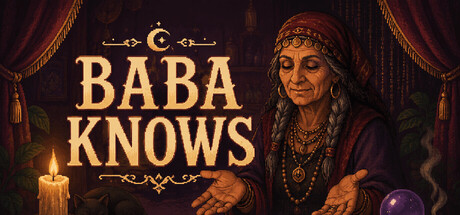
This game uses generative AI to interpret the player’s written question and create tarot-style responses during each reading. AI-generated text is used for card interpretations and the final answer. The game does not use AI to make real predictions or provide professional advice.
Pre-generated visual assets and localized text were created with the assistance of generative tools, then reviewed, edited, and integrated by the developer. The game does not generate content during gameplay.
This game uses generative artificial intelligence tools during development to assist in the creation of some game content, including certain visual assets, icons, and promotional materials. All AI-generated content has been reviewed, modified, and refined by the development team, and integrated with human-created content to ensure that the final presentation meets the game's overall artistic direction and quality standards.
Some character art, icons, and store capsule/key-art images in this game were
created with the help of generative AI tools (Google Gemini). All AI-generated
assets were reviewed, curated, and edited by the developer, and do not
misuse third-party copyrighted works. No AI content is generated live for
players at runtime — all assets are pre-generated and fixed.
Pre-generated AI tools were used during development to assist with the creation of certain 2D illustrations, graphical assets, music, and marketing materials. All generated content was reviewed and selected by the developer before inclusion. The game does not generate AI content during gameplay and does not connect players to any live AI service.
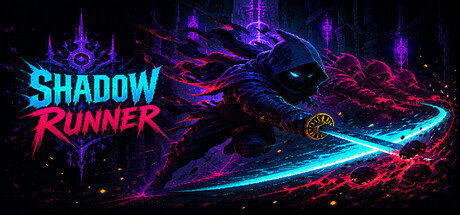
Shadow Runner uses AI image-generation tools to create a portion of the game's 2D visual art. AI was used as a starting point for:
• Store assets — capsule, header, and marketing images.
• In-game illustrations — chapter cutscene art and non-interactive background/scene imagery.
• Achievement icons.
All AI-generated images were produced with commercial text-to-image models (Midjourney / Stable Diffusion / DALL·E), then reviewed, edited, composited, and color-corrected by the developer before shipping. Pixel-art sprites, all gameplay elements, UI, visual effects, audio, and code are hand-authored and not AI-generated. Audio is procedural (Web Audio), not AI.
The game contains no live/runtime AI: nothing is generated on the player's machine during play, and no player data is sent to any AI service.
The developer has confirmed the generated images do not depict real, identifiable people or third-party IP, and holds commercial-use rights under each tool's license.
The quiz content (questions, answer choices, and explanations) was authored with the assistance of large language models, then validated by automated checks (every citation resolves against the canonical text) and human review passes. The scripture text itself is NOT AI-generated — it is the public-domain JPS 1917 translation sourced from Sefaria.org. Decorative chapter art and store capsule art were produced by our own procedural generation scripts with AI-assisted design; store copy was written with AI assistance and human-edited. The game contains no live/runtime AI generation.
AI has been used during the development of Blokkit to accelerate the process of writing code, creating some assets for the store page, and for writing translations into 7 different languages,
Generative AI tools were used during development to assist with some pre-generated 2D artwork and UI imagery, 3D models and animations, instrumental music and sound effects, localization drafts, and portions of the game code. As a solo developer, I selected, edited, integrated, and reviewed all of these outputs before inclusion. The game does not generate content at runtime and does not send player input to generative AI services.
Selected promotional artwork on the Steam store page was created with assistance from generative AI tools. This artwork was manually reviewed and edited by the developer. The application itself does not contain any AI-generated code or visual assets, does not generate AI content during use, and does not connect to external AI services.
OpenAI Codex was used during development to assist with writing, reviewing, and debugging portions of the game’s code. All AI-assisted output was reviewed, edited, and integrated by the developer. The game does not use generative AI during gameplay, and no player input is sent to a generative AI service.
Generative AI was used during development to assist with the creation of some pre-generated visual assets, promotional artwork, and localization text. All AI-assisted content was reviewed and edited by the developer before being included. The game does not use live generative AI during gameplay.
Some fixed music tracks and selected pre-rendered promotional and manual artwork were created with generative AI tools. No AI content is generated during gameplay.
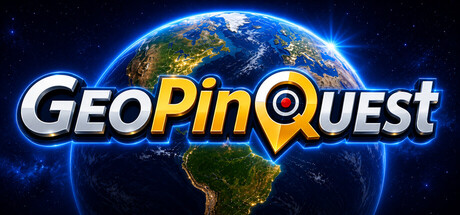
The store page and library artwork for GeoPinQuest (capsule images, library assets, and application icons) was created using generative AI image tools. Inside the game itself, no AI-generated content is used - country outlines come from a public GeoJSON dataset, city and locality data from Geoapify's public locality dump, and the Earth surface texture from NASA's Blue Marble imagery. The game does not use AI at runtime and does not connect to any external AI services.
Generative AI tools were used extensively throughout development to create the game's code, dialogue and other written content, sound effects, visual assets, localization, and Steam store and marketing materials. All AI-generated content was reviewed, selected, and integrated by the developer before release. The game does not use generative AI to create new content during gameplay.
Some visual assets were created with the assistance of generative AI tools as part of the development process.
No content is generated by AI during gameplay.
Many scene illustrations were generated with AI image tools, then selected, edited, and integrated by hand. Every image in the game was individually reviewed and curated by the developer.
Generative AI tools were used during the development process to assist in creating and refining some visual assets. All AI-assisted content was reviewed, edited, and curated by the developer before being included in the game or its promotional materials.
Generative AI was used during development to assist with a small portion of the game's code, improve and translate dialogue, and create or refine a limited number of sprite assets. All AI-assisted content was reviewed, edited, and integrated by the developer. No generative AI is used in real time during gameplay.
Some of the game's artwork (such as background images) and store/marketing assets were created with the assistance of generative AI tools, and all of them were reviewed and adjusted by the developer. Some in-game descriptive texts
were also drafted with AI assistance and manually verified. All AI-assisted content is pre-rendered — the game does not generate any content or code with AI during gameplay. Trailer narration uses VOICEVOX text-to-speech (VOICEVOX:
Zundamon).
The images and illustrations in Old Money (icons, scenes, backgrounds) as well as parts of the store artwork were created with generative AI image tools and were curated and edited by the developer. The program code and parts of the texts were also developed with the assistance of AI tools and were reviewed, tested and are the responsibility of the developer. The game concept, design and balancing come from the developer. No content is generated by AI at runtime, and the game does not send any data to AI services.
Generative AI was used strictly to create temporary concept art and placeholder assets during early development. All of these placeholders are being systematically replaced with custom or commissioned assets prior to the game's final release.
AI tools were used during development to assist with writing code, and to produce two categories of content shipped with the game: the original synthwave soundtrack (composed with AI music generation, curated and selected by the developer) and the interface translations for the non-English languages (reviewed by the developer). Some store page text was also drafted with AI assistance. All in-game worlds are generated procedurally by hand-written algorithms — no AI content is generated at runtime.
This game uses generative AI tools during development to assist in creating some 2D textures and 3D models. These AI-generated assets have been manually reviewed, edited, and integrated into the final game build.
AI tools were used during development as a programming and production assistant, under the developer's direction. The interface translations into 41 languages were AI-generated and human-reviewed. Some store and marketing assets screenshot compositions were produced with AI-assisted tooling. All design decisions, brand artwork, and the core wordmark are the developer's own work. The application does not generate any content with AI at runtime and includes no AI features.
This game was created by a solo developer with substantial help from generative AI tools. Every output was reviewed by hand.
Code: Claude Opus 4.8, Claude Fable 5.0
Writing & translation: Claude Opus 4.8, Gemini Pro 3.1
Graphics: Gemini Nano Banana 2
Music: Claude Opus 4.8
Video: Gemini Omni
We have only used Gen AI for the purposes of creating and placing the Capsule Art of the game.
We will be replacing the capsule art with our in-house capsule art.
During development, AI-assisted and AI-generated tools were used for pre-generated player-facing content.
Our production workflow combines original human-created assets with AI-assisted or AI-generated content. AI tools were used to assist with text translation/localization, visual asset modification and refinement, and the generation of certain audio assets.
Most final assets are the result of a mixed workflow: they may include both original developer-created elements and AI-assisted or AI-generated elements. All final text, visual, and audio assets included in the game have been manually reviewed, edited, selected, and approved by the development team.
The game does not include live-generated AI content. It does not generate new text, images, audio, or other player-facing content through AI during gameplay.
The core gameplay of this game adopts an independent AI warlord confrontation system. All Three Kingdoms generals and regional lord NPCs make autonomous decisions on their own, and can independently launch alliances, declarations of war, diplomatic negotiations, grain supply trades, secret betrayals and other political strategic behaviors. In-game plot dialogues and interactions among warlords are dynamically generated by AI. A built-in content safety filter is activated throughout the game to prevent the generation of illegal, violent and inappropriate content.
Generative AI tools were used during development to assist with selected pre-generated visual assets, promotional artwork, store-page materials, text, and code. All AI-assisted content was reviewed and edited by the developer before inclusion. The game does not generate AI content while running.
Generative AI tools were used during the development of this game to assist in creating background marketing materials and promotional store assets. Additionally, AI was utilized as a supportive tool for code optimization, bug-hunting, development consulting, and text localization. While the vast majority of the game's assets were created using traditional development methods, players may encounter a small number of AI-generated assets integrated within the game itself. No AI content is generated in real-time during gameplay.
AI was used to troubleshoot code and to draft isolated sections of the codebase, which I then finalized.
All graphics, UI, and music are made without AI.
AI was used for initial translation from English into other languages. Many translations were then reviewed and edited by native speakers.
This game's 3D environment was created with the help of AI-based 3D scene generation tools. Some marketing materials (trailer footage) were also created using AI image and video generation tools. No AI-generated content is created live during gameplay — all AI-assisted content was produced during development and is fixed at release.
This game uses generative AI to interpret the player’s written question and create tarot-style responses during each reading. AI-generated text is used for card interpretations and the final answer. The game does not use AI to make real predictions or provide professional advice.
Pre-generated visual assets and localized text were created with the assistance of generative tools, then reviewed, edited, and integrated by the developer. The game does not generate content during gameplay.
This game uses generative artificial intelligence tools during development to assist in the creation of some game content, including certain visual assets, icons, and promotional materials. All AI-generated content has been reviewed, modified, and refined by the development team, and integrated with human-created content to ensure that the final presentation meets the game's overall artistic direction and quality standards.
Some character art, icons, and store capsule/key-art images in this game were
created with the help of generative AI tools (Google Gemini). All AI-generated
assets were reviewed, curated, and edited by the developer, and do not
misuse third-party copyrighted works. No AI content is generated live for
players at runtime — all assets are pre-generated and fixed.
Pre-generated AI tools were used during development to assist with the creation of certain 2D illustrations, graphical assets, music, and marketing materials. All generated content was reviewed and selected by the developer before inclusion. The game does not generate AI content during gameplay and does not connect players to any live AI service.
Shadow Runner uses AI image-generation tools to create a portion of the game's 2D visual art. AI was used as a starting point for:
• Store assets — capsule, header, and marketing images.
• In-game illustrations — chapter cutscene art and non-interactive background/scene imagery.
• Achievement icons.
All AI-generated images were produced with commercial text-to-image models (Midjourney / Stable Diffusion / DALL·E), then reviewed, edited, composited, and color-corrected by the developer before shipping. Pixel-art sprites, all gameplay elements, UI, visual effects, audio, and code are hand-authored and not AI-generated. Audio is procedural (Web Audio), not AI.
The game contains no live/runtime AI: nothing is generated on the player's machine during play, and no player data is sent to any AI service.
The developer has confirmed the generated images do not depict real, identifiable people or third-party IP, and holds commercial-use rights under each tool's license.
The quiz content (questions, answer choices, and explanations) was authored with the assistance of large language models, then validated by automated checks (every citation resolves against the canonical text) and human review passes. The scripture text itself is NOT AI-generated — it is the public-domain JPS 1917 translation sourced from Sefaria.org. Decorative chapter art and store capsule art were produced by our own procedural generation scripts with AI-assisted design; store copy was written with AI assistance and human-edited. The game contains no live/runtime AI generation.
AI has been used during the development of Blokkit to accelerate the process of writing code, creating some assets for the store page, and for writing translations into 7 different languages,
Generative AI tools were used during development to assist with some pre-generated 2D artwork and UI imagery, 3D models and animations, instrumental music and sound effects, localization drafts, and portions of the game code. As a solo developer, I selected, edited, integrated, and reviewed all of these outputs before inclusion. The game does not generate content at runtime and does not send player input to generative AI services.
Selected promotional artwork on the Steam store page was created with assistance from generative AI tools. This artwork was manually reviewed and edited by the developer. The application itself does not contain any AI-generated code or visual assets, does not generate AI content during use, and does not connect to external AI services.
OpenAI Codex was used during development to assist with writing, reviewing, and debugging portions of the game’s code. All AI-assisted output was reviewed, edited, and integrated by the developer. The game does not use generative AI during gameplay, and no player input is sent to a generative AI service.
Generative AI was used during development to assist with the creation of some pre-generated visual assets, promotional artwork, and localization text. All AI-assisted content was reviewed and edited by the developer before being included. The game does not use live generative AI during gameplay.
Some fixed music tracks and selected pre-rendered promotional and manual artwork were created with generative AI tools. No AI content is generated during gameplay.
The store page and library artwork for GeoPinQuest (capsule images, library assets, and application icons) was created using generative AI image tools. Inside the game itself, no AI-generated content is used - country outlines come from a public GeoJSON dataset, city and locality data from Geoapify's public locality dump, and the Earth surface texture from NASA's Blue Marble imagery. The game does not use AI at runtime and does not connect to any external AI services.
Generative AI tools were used extensively throughout development to create the game's code, dialogue and other written content, sound effects, visual assets, localization, and Steam store and marketing materials. All AI-generated content was reviewed, selected, and integrated by the developer before release. The game does not use generative AI to create new content during gameplay.
Some visual assets were created with the assistance of generative AI tools as part of the development process.
No content is generated by AI during gameplay.
Many scene illustrations were generated with AI image tools, then selected, edited, and integrated by hand. Every image in the game was individually reviewed and curated by the developer.
Generative AI tools were used during the development process to assist in creating and refining some visual assets. All AI-assisted content was reviewed, edited, and curated by the developer before being included in the game or its promotional materials.
Generative AI was used during development to assist with a small portion of the game's code, improve and translate dialogue, and create or refine a limited number of sprite assets. All AI-assisted content was reviewed, edited, and integrated by the developer. No generative AI is used in real time during gameplay.
Some of the game's artwork (such as background images) and store/marketing assets were created with the assistance of generative AI tools, and all of them were reviewed and adjusted by the developer. Some in-game descriptive texts
were also drafted with AI assistance and manually verified. All AI-assisted content is pre-rendered — the game does not generate any content or code with AI during gameplay. Trailer narration uses VOICEVOX text-to-speech (VOICEVOX:
Zundamon).
The images and illustrations in Old Money (icons, scenes, backgrounds) as well as parts of the store artwork were created with generative AI image tools and were curated and edited by the developer. The program code and parts of the texts were also developed with the assistance of AI tools and were reviewed, tested and are the responsibility of the developer. The game concept, design and balancing come from the developer. No content is generated by AI at runtime, and the game does not send any data to AI services.
Generative AI was used strictly to create temporary concept art and placeholder assets during early development. All of these placeholders are being systematically replaced with custom or commissioned assets prior to the game's final release.
AI tools were used during development to assist with writing code, and to produce two categories of content shipped with the game: the original synthwave soundtrack (composed with AI music generation, curated and selected by the developer) and the interface translations for the non-English languages (reviewed by the developer). Some store page text was also drafted with AI assistance. All in-game worlds are generated procedurally by hand-written algorithms — no AI content is generated at runtime.
This game uses generative AI tools during development to assist in creating some 2D textures and 3D models. These AI-generated assets have been manually reviewed, edited, and integrated into the final game build.
AI tools were used during development as a programming and production assistant, under the developer's direction. The interface translations into 41 languages were AI-generated and human-reviewed. Some store and marketing assets screenshot compositions were produced with AI-assisted tooling. All design decisions, brand artwork, and the core wordmark are the developer's own work. The application does not generate any content with AI at runtime and includes no AI features.