Public Steam disclosure research25,380 disclosures tracked
Where do games disclose AI use?
Search developers’ Steam disclosures, compare classified AI use across
games, and follow recorded changes.
This index adds cross-game classifications and statistics to
statements published on individual store pages.
Groups reflect automatic analysis of public disclosures; mature records are excluded. These counts do not measure AI use across all of Steam.
Missing or unclear statements cannot establish whether a game uses AI.
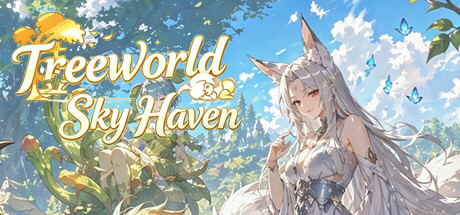
This game uses generative AI for some pre-produced visual assets, including character artwork and backgrounds, and for text generated during gameplay. A language model running locally on your computer generates VTuber dialogue and responses based on player input, character settings, and the current game situation. Generated dialogue can vary between playthroughs.
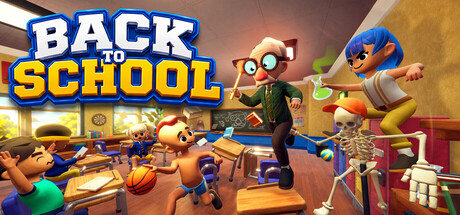
AI tools were used during development solely to assist with coding, including identifying and fixing bugs and making minor code corrections and improvements. AI does not generate any content for players during gameplay.
All core assets originate from the creativity of our human artists. The use of AI tools is strictly limited to assisting and refining the environmental background designs.
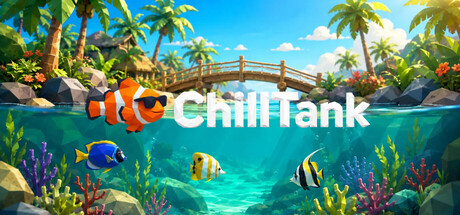
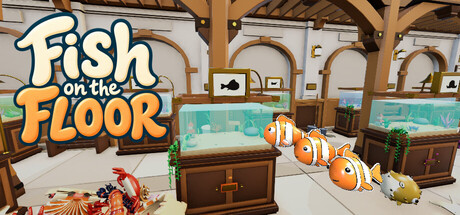
All fish models are fully human made in blender.
Generative AI tools were used during development to create logic and some visual assets. These assets are included with the game as pre-generated content.
The game does not use live generative AI during gameplay. Fish breeding combines existing parent textures locally through procedural image processing; it does not use an AI model or an external AI service.
Pre-generated content only. The game contains no runtime AI and makes no
network calls.
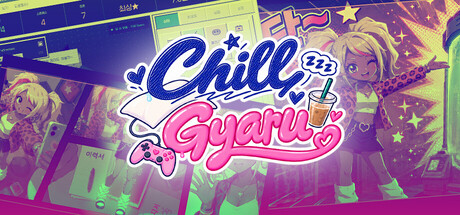
AI tools were used during development for:
- 3D character model: generated with Meshy, then adjusted and integrated
by the developer.
- In-game illustrations: 17 tutorial cutscene images.
- In-game text: quest titles and descriptions, character dialogue, tutorial
explanations and UI status text. Drafted with an AI assistant, then
reviewed and edited by the developer.
- 16x16 pixel icons: generated procedurally from code.
- Store page description and its English translation.
Not AI generated: the room and environment art is a purchased Unity Asset
Store package.
AI tools were primarily used as assistance during the coding and development process. Additionally, AI was used to a very limited extent for a small number of 2D visual assets within the game.
We have used AI for generating the Achievement Icons and ingredients icons which were then edited to keep a consistent art style. AI mockups were used for inspiration along side many UI from different games. All UI graphics, logos and 3D models in game are either manually created, purchased or dowloaded from asset store.
Gemini was used to create two backgrounds that I later blurred and two non-blurred backgrounds for the game's menus.
I'm a one-person developer. That means I do everything; and some of it I'm just bad at. I use AI as a tool to cover the gaps: the tasks I hate, the stuff I'd waste hours on just to replace later. The tools don't make the art. Every idea and decision, everything that made it into this game came from me.
Some of the images on our store page were created by artificial intelligence and edits were made on the images. and some images in the game were made by artificial intelligence.
Some artwork, character voice lines and store promotional assets were created with generative AI during development and are supplied as fixed, pre-generated content. The game does not generate AI content during play or connect to external AI services.
Some visual assets used in the game and/or its promotional materials were created with the assistance of generative AI tools and were reviewed and edited by the developer before use.
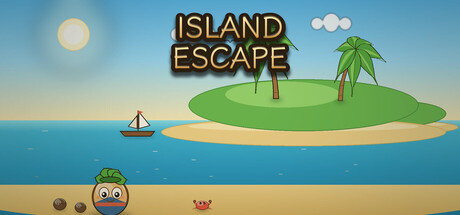
Generative AI was used as a development assistant on Island Escape: primarily to help write and review the game's source code, and to help draft and localize in-game text (Simplified Chinese, English, Japanese, Russian, Spanish, Brazilian Portuguese, German). All of that output was reviewed and edited by the developer.
Everything you see and hear is generated procedurally by the game's own code, shaders and audio tools at runtime — the project uses no AI-generated images, 3D models, textures or voice acting.
The game does not use generative AI while you play. No player data is sent anywhere.
Some of this game's content was created with generative AI and then reworked and adjusted by hand by the developer. This applies in particular to code, the 3D models and textures, and the music and sound effects. Animations, game rules, simulation, balance and the structure of the game come entirely from the developer.
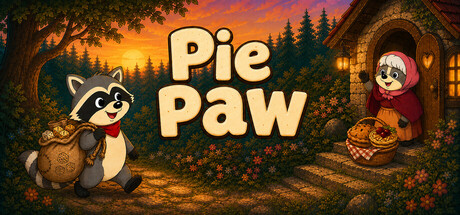
Pie Paw includes pre-generated, AI-assisted artwork used in the game and on the Steam store page. All such content is created before release, then reviewed, selected, and edited by the development team. The game does not use generative AI during gameplay and does not connect to external AI services.
Generative AI tools were used during development to help create some visual and audio assets, including illustrations, textures, 3D asset sources and short character videos. This content is prepared in advance and included in the game. Hamsuri does not generate AI content during play or connect to external AI services.
Some pre-rendered visual assets and music were created with generative AI tools, then curated, edited, and integrated by the developer. No AI content is generated during gameplay, and the game does not connect to external AI services.
This game features AI-assisted artwork and language translation. All assets were [reviewed or edited or approved] by the developer to ensure quality and consistency with the game's vision.
This game's art and some of its text content were created with AI-assisted tools during development and reviewed by the developer before shipping. Nothing is created live during gameplay by GenAI, and the game makes no AI-related network calls.
Some questions and answers in our quiz game are generated using AI. Additionally, we utilized pre-generated AI images included in the capsules and for in-game assets.
This game was created with the assistance of AI tools in several areas of development.
Music: The songs were written and originally recorded by me, with AI tools used for additional processing and production.
Artwork: The visual concepts and creative direction were created by me, while AI tools were used to generate and develop some of the final artwork based on my concepts.
Programming: AI-assisted tools were used during development to help with coding and implementation.
All AI-assisted content was reviewed, selected, and integrated by me as part of the game's creative and development process.
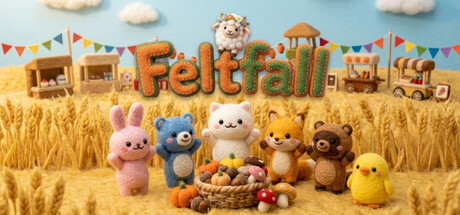
Feltfall uses pre-generated AI content. The felt-style illustrations (characters, animals, cards, backgrounds and key visuals), enemy sprite animations, the logo and parts of the promotional videos were generated with generative AI image and video tools, then selected, retouched and composited by the developer. Some of the source code was written with the help of AI coding assistants and reviewed by the developer. No content is generated by AI while you play, and the game does not connect to any external AI service.
Generative AI was used to create base images for some visual assets. These images were subsequently selected, edited, refined, and integrated into the game and store materials by the developer. The game does not use generative AI at runtime.
During the development process, we may use procedural- and AI-based tools to assist with content creation. In all such cases, the final product reflects the creativity and expression of our own development team.
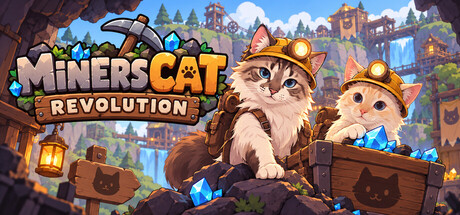
The pixel art in Miners Cat Revolution: the cats, the icons and the store art was generated with AI and then edited and assembled by hand. The translations into the nine languages other than Spanish were AI-assisted and reviewed afterwards.
Everything else is human-made: the code, the game design, the balance and the original Spanish text are written by one person.
Nothing is generated while you play. All of it ships with the game, finished and fixed.
Generative AI tools were used during development to assist with code optimization and UI icon prototyping. All content is safe for all audiences and does not infringe any copyrights.
We use generative AI to support the creation of promotional materials, translations, selected artwork, music, and sound effects. These tools help bring our ideas to life, while the game’s creative direction and final decisions will always remain in human hands.
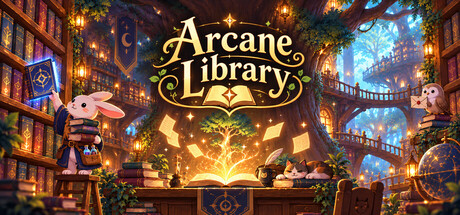
Generative AI tools were used during development to assist in creating some pre-generated visual assets and background music. All AI-assisted content was reviewed and selected by the development team before being included in the game. Arcane Library does not generate AI content during gameplay and does not connect to external AI services while running.
Generative AI tools assisted with programming and the code used to create some in-game assets, as well as drafting and translating the store description and creating title lettering for store and library artwork. Screenshots and capsule backgrounds are captured directly from gameplay. The game does not generate AI content during play.
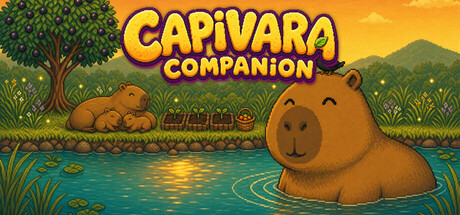
Art assets (backgrounds, capybara and object sprites, capsules, icon), the store trailer footage, sound effects, ambience and music were generated with AI tools (image and video generation, PixelLab, ElevenLabs) from the developer's own references and direction, then cropped, scaled, palette-snapped and composed by hand-written code. The translations of the game and store texts into languages other than Portuguese and English were produced with AI and reviewed by the developer. All code, game design, writing and the original Portuguese and English texts are human-made. The game does not generate any content at runtime.
As a small development team of just two people, we used generative AI tools in limited cases to assist with the production of certain visual assets and help manage the scope of development.
All AI-assisted assets were carefully reviewed, edited, refined, and finalized by us to fit the game's established art style and direction. Generative AI was used as a supporting tool during development, rather than to define the creative direction of the game.
Generative AI tools were used during development to create some of the game art assets, and written content and localization translations. AI tools were also used for coding assistance and debugging. The developer selected, adapted, and integrated these outputs into the game and its promotional materials. The game does not generate content using generative AI during gameplay or connect to external generative AI services.
This game uses generative AI for some pre-produced visual assets, including character artwork and backgrounds, and for text generated during gameplay. A language model running locally on your computer generates VTuber dialogue and responses based on player input, character settings, and the current game situation. Generated dialogue can vary between playthroughs.
AI tools were used during development solely to assist with coding, including identifying and fixing bugs and making minor code corrections and improvements. AI does not generate any content for players during gameplay.
All core assets originate from the creativity of our human artists. The use of AI tools is strictly limited to assisting and refining the environmental background designs.
All fish models are fully human made in blender.
Generative AI tools were used during development to create logic and some visual assets. These assets are included with the game as pre-generated content.
The game does not use live generative AI during gameplay. Fish breeding combines existing parent textures locally through procedural image processing; it does not use an AI model or an external AI service.
Pre-generated content only. The game contains no runtime AI and makes no
network calls.
AI tools were used during development for:
- 3D character model: generated with Meshy, then adjusted and integrated
by the developer.
- In-game illustrations: 17 tutorial cutscene images.
- In-game text: quest titles and descriptions, character dialogue, tutorial
explanations and UI status text. Drafted with an AI assistant, then
reviewed and edited by the developer.
- 16x16 pixel icons: generated procedurally from code.
- Store page description and its English translation.
Not AI generated: the room and environment art is a purchased Unity Asset
Store package.
AI tools were primarily used as assistance during the coding and development process. Additionally, AI was used to a very limited extent for a small number of 2D visual assets within the game.
We have used AI for generating the Achievement Icons and ingredients icons which were then edited to keep a consistent art style. AI mockups were used for inspiration along side many UI from different games. All UI graphics, logos and 3D models in game are either manually created, purchased or dowloaded from asset store.
Gemini was used to create two backgrounds that I later blurred and two non-blurred backgrounds for the game's menus.
I'm a one-person developer. That means I do everything; and some of it I'm just bad at. I use AI as a tool to cover the gaps: the tasks I hate, the stuff I'd waste hours on just to replace later. The tools don't make the art. Every idea and decision, everything that made it into this game came from me.
Some of the images on our store page were created by artificial intelligence and edits were made on the images. and some images in the game were made by artificial intelligence.
Some artwork, character voice lines and store promotional assets were created with generative AI during development and are supplied as fixed, pre-generated content. The game does not generate AI content during play or connect to external AI services.
Some visual assets used in the game and/or its promotional materials were created with the assistance of generative AI tools and were reviewed and edited by the developer before use.
Generative AI was used as a development assistant on Island Escape: primarily to help write and review the game's source code, and to help draft and localize in-game text (Simplified Chinese, English, Japanese, Russian, Spanish, Brazilian Portuguese, German). All of that output was reviewed and edited by the developer.
Everything you see and hear is generated procedurally by the game's own code, shaders and audio tools at runtime — the project uses no AI-generated images, 3D models, textures or voice acting.
The game does not use generative AI while you play. No player data is sent anywhere.
Some of this game's content was created with generative AI and then reworked and adjusted by hand by the developer. This applies in particular to code, the 3D models and textures, and the music and sound effects. Animations, game rules, simulation, balance and the structure of the game come entirely from the developer.
Pie Paw includes pre-generated, AI-assisted artwork used in the game and on the Steam store page. All such content is created before release, then reviewed, selected, and edited by the development team. The game does not use generative AI during gameplay and does not connect to external AI services.
Generative AI tools were used during development to help create some visual and audio assets, including illustrations, textures, 3D asset sources and short character videos. This content is prepared in advance and included in the game. Hamsuri does not generate AI content during play or connect to external AI services.
Some pre-rendered visual assets and music were created with generative AI tools, then curated, edited, and integrated by the developer. No AI content is generated during gameplay, and the game does not connect to external AI services.
This game features AI-assisted artwork and language translation. All assets were [reviewed or edited or approved] by the developer to ensure quality and consistency with the game's vision.
This game's art and some of its text content were created with AI-assisted tools during development and reviewed by the developer before shipping. Nothing is created live during gameplay by GenAI, and the game makes no AI-related network calls.
Some questions and answers in our quiz game are generated using AI. Additionally, we utilized pre-generated AI images included in the capsules and for in-game assets.
This game was created with the assistance of AI tools in several areas of development.
Music: The songs were written and originally recorded by me, with AI tools used for additional processing and production.
Artwork: The visual concepts and creative direction were created by me, while AI tools were used to generate and develop some of the final artwork based on my concepts.
Programming: AI-assisted tools were used during development to help with coding and implementation.
All AI-assisted content was reviewed, selected, and integrated by me as part of the game's creative and development process.
Feltfall uses pre-generated AI content. The felt-style illustrations (characters, animals, cards, backgrounds and key visuals), enemy sprite animations, the logo and parts of the promotional videos were generated with generative AI image and video tools, then selected, retouched and composited by the developer. Some of the source code was written with the help of AI coding assistants and reviewed by the developer. No content is generated by AI while you play, and the game does not connect to any external AI service.
Generative AI was used to create base images for some visual assets. These images were subsequently selected, edited, refined, and integrated into the game and store materials by the developer. The game does not use generative AI at runtime.
During the development process, we may use procedural- and AI-based tools to assist with content creation. In all such cases, the final product reflects the creativity and expression of our own development team.
The pixel art in Miners Cat Revolution: the cats, the icons and the store art was generated with AI and then edited and assembled by hand. The translations into the nine languages other than Spanish were AI-assisted and reviewed afterwards.
Everything else is human-made: the code, the game design, the balance and the original Spanish text are written by one person.
Nothing is generated while you play. All of it ships with the game, finished and fixed.
Generative AI tools were used during development to assist with code optimization and UI icon prototyping. All content is safe for all audiences and does not infringe any copyrights.
We use generative AI to support the creation of promotional materials, translations, selected artwork, music, and sound effects. These tools help bring our ideas to life, while the game’s creative direction and final decisions will always remain in human hands.
Generative AI tools were used during development to assist in creating some pre-generated visual assets and background music. All AI-assisted content was reviewed and selected by the development team before being included in the game. Arcane Library does not generate AI content during gameplay and does not connect to external AI services while running.
Generative AI tools assisted with programming and the code used to create some in-game assets, as well as drafting and translating the store description and creating title lettering for store and library artwork. Screenshots and capsule backgrounds are captured directly from gameplay. The game does not generate AI content during play.
Art assets (backgrounds, capybara and object sprites, capsules, icon), the store trailer footage, sound effects, ambience and music were generated with AI tools (image and video generation, PixelLab, ElevenLabs) from the developer's own references and direction, then cropped, scaled, palette-snapped and composed by hand-written code. The translations of the game and store texts into languages other than Portuguese and English were produced with AI and reviewed by the developer. All code, game design, writing and the original Portuguese and English texts are human-made. The game does not generate any content at runtime.
As a small development team of just two people, we used generative AI tools in limited cases to assist with the production of certain visual assets and help manage the scope of development.
All AI-assisted assets were carefully reviewed, edited, refined, and finalized by us to fit the game's established art style and direction. Generative AI was used as a supporting tool during development, rather than to define the creative direction of the game.
Generative AI tools were used during development to create some of the game art assets, and written content and localization translations. AI tools were also used for coding assistance and debugging. The developer selected, adapted, and integrated these outputs into the game and its promotional materials. The game does not generate content using generative AI during gameplay or connect to external generative AI services.