Public Steam disclosure research25,380 disclosures tracked
Where do games disclose AI use?
Search developers’ Steam disclosures, compare classified AI use across
games, and follow recorded changes.
This index adds cross-game classifications and statistics to
statements published on individual store pages.
Groups reflect automatic analysis of public disclosures; mature records are excluded. These counts do not measure AI use across all of Steam.
Missing or unclear statements cannot establish whether a game uses AI.
GridIron Grit is made with love, for us hardcore football sim fans, but AI did much of the heavy lifting.
AI helped me bring my dream game to life, writing code and generating game assets.
The game itself uses no generative AI within.
AI was used to assist with the localization process.
All other core game content including game design, programming, art direction, and gameplay systems
was created by the human development team.
This game uses AI-generated content for marketing and
promotional materials, including the game trailer, teaser,
Steam capsule images, title images, and other marketing assets.
Most of the AI-generated images were additionally edited and
refined by our team using artistic and creative techniques
to better fit the game's visual style.
The AI-generated content is limited to external marketing
materials only. All actual gameplay, game mechanics, and
in-game content were created by the development team.
AI was used to translate the game into certain languages. When selecting one of these languages for the first time, a notification appears. Additionally, a marker is displayed next to the language name in the options menu.
Furthermore, AI was utilized to generate some of the graphical assets and may have been used in the creation of videos.
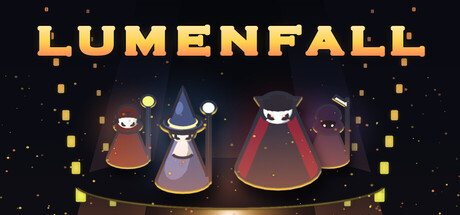
Lumenfall is built by a small studio using AI-assisted development tools. Some pre-generated content — including portions of the game's code, the store page text, and the 2D promotional/capsule artwork and achievement icons — was created with the help of AI tools, always under human direction and review. The game does not generate any content with AI at runtime; everything you play is fixed, hand-tuned content.
This game uses generative artificial intelligence as a supporting tool for the creation of some visual and graphic assets, such as the game icon, logo, promotional images, main menu artwork, buttons, and certain visual or typography styles used within the game.
All AI-generated or AI-assisted content was reviewed, edited, and manually selected by the developer before being included in the game. Generative AI is not used during gameplay to create real-time content or to dynamically modify the player experience.
Some 2D character illustrations, backgrounds, and UI elements in this game were created with the help of generative AI tools during development, and then manually edited, refined, and reviewed by the developer.
This game uses generative AI during gameplay to create an original in-game character called a "Logos" for use by that player. Based on text entered or selected by the player, the AI generates a 2D illustration of the Logos in real time, along with its name, flavor text, and similar content. The generated Logos can be added to your deck and used to progress through the game.
The game also includes pre-generated AI content: enemy and event illustrations were created with Adobe Firefly during development. Generation is performed using cloud-based external AI services (Adobe Firefly for image generation, OpenAI for text generation).
The words entered by the player, generation conditions, and the data of the generated Logos are sent to and stored on our server. These records are used to provide the generation feature, review reported results, and investigate errors. A generated Logos is visible only to the player who created it and is not shared with other players.
Some information required for generation is sent from our server to external AI services. Data sent from our server to these services is not used to train or improve their models. Please do not enter any personal information, such as your name or contact details, or any confidential information you would not want third parties to know.
Some ambient background music tracks used in the game were generated using AI tools. The music is pre-generated and does not change or generate live during gameplay.
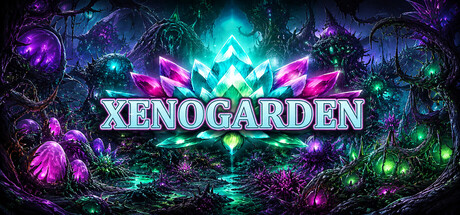
Generative AI-assisted tools were used as part of the development process for Xenogarden.
This includes support in creating and refining selected visual content such as concept art, artwork, textures, marketing materials and store page assets, as well as assistance with text, localization, sound/music ideas and creative drafts.
All content included in the game is pre-generated, selected, reviewed and curated. The game does not generate new AI content during gameplay and does not connect to external AI services during gameplay.
- Character photos and video clips shown in the in-game Stories feed were generated using AI tools (image and video generation), then reviewed, edited, and composited by the developer to fit the game's art direction.
- AI-assisted tools were used in parts of the development process.
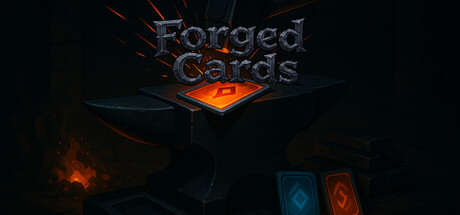
Forged Cards is a passion project, built by one person. I'm not a game studio, I'm a single developer who fell in love with an idea for a deck-builder where you build the cards and set out to make it real.
Games like this usually take a team. Modern AI development tools are a big part of how one person was able to build something at this scope. I used AI coding assistants to help me build and iterate on the game's systems, AI image generation for the art, and AI-generated sound effects, all of it reviewed, edited, and shaped by me to fit the world I wanted to create. Every card, every enemy, every choice about how this game looks and feels came from a person (and some close friends) who cared about getting it right.
I'm being upfront about this because I think you deserve to know how the thing you're playing was made. Forged Cards exists because these tools let one person build a game that otherwise would have stayed an idea in a notebook.
Some store page artwork, promotional artwork, and marketing assets for False Normality were created or assisted using generative AI tools. The game's design, writing direction, rule system, gameplay logic, editing, and final asset selection were created and curated by the developer. False Normality does not use live-generated AI during gameplay.
I have used AI-assisted tools to generate specific visual assets for the game, including the library logo and certain promotional marketing materials. The AI was utilized solely for asset creation and does not generate content dynamically during live gameplay. The game's core mechanics and narrative elements were developed by our team without AI-generated procedural systems.
Some of this game's assets were created with the assistance of generative AI tools, then curated, edited, and integrated by the developer. This includes art assets such as character portraits, location backgrounds, and promotional artwork, as well as sound. The game's code was written with AI coding tools under the developer's direction. The game's design, systems, writing, and creative direction are human-authored and directed.
Generative AI technology is used in a supplementary capacity during the creation of some user interface assets.
Any such assets are replaced through our production pipeline by our art and development teams, ensuring they meet our quality standards and creative direction.
Generative AI was used to create some promotional images for the Steam store page. The game itself and its gameplay do not contain AI-generated content.
This game uses AI assistance as a support tool for efficient development.
Scope of AI Use
- Assistance with programming and code implementation
- Drafting and style adjustment for English localization
- Drafting and editing of some in-game text, including Observation Records in the Anomaly Codex, command reaction text, countermeasure procedures, and other text related to gameplay explanations and strategy
- Drafting, editing, and proofreading of general text such as social media announcements, descriptions, and notices
Scope Where AI Is Not Used
Character images, Anomaly images, background images, Steam capsule images, audio, and BGM are created by the developer or use licensed distributed assets.
No AI-generated assets are used for these materials.
Content Created and Managed by the Developer
The story, worldbuilding, characters, basic Anomaly concepts, and the folklore and supplementary materials related to the Anomalies are independently created by the developer.
Game design and various specifications are also determined by the developer.
For any content created with AI assistance, the final decision on whether to use the text, as well as quality control, is handled by the developer.
Even if we prefer manual craft & procedural generation, some 3d Models/Cinematics in this game were created with the assistance of AI generative tools during production. However, think AI more as an automation/interpolation tool to win time and focus on gamers really want: innovative gameplay and FUN!
Some of the game's 3D models (characters, monsters, and items) were created using the generative AI tool. Some in-game text translations were produced with AI assistance. All of this content was pre-generated during development, and we hold the appropriate rights to use it in the game.
Some store page text, marketing copy, and promotional planning materials for Black File were created with assistance from generative AI tools and reviewed, edited, and approved by the development team before publication. The game does not use generative AI to create content during gameplay.
The videos were generated using artificial intelligence, employed to recreate the gothic and unsettling atmospheres typical of 1970s and 1980s horror films.
Human-crafted with AI assistance. Generative AI was used to assist with selected programming tasks (such as code optimization and debugging), create or enhance some voice-over and audio elements, and help refine selected graphical assets. All AI-generated content was reviewed, edited, integrated, and finalized by the developer.
Generative AI tools were used to assist in creating pre-generated visual artwork, including concept art, key art, and promotional images used for the Steam store page and marketing materials.
All AI-assisted visual assets are static, reviewed, selected, and edited by the developer to match the game's dark sci-fi visual direction.
The game does not use live generative AI to create gameplay, player-generated content, dialogue, images, audio, or other content during gameplay.
Some of the game's 2D artwork — including character selection images and user interface elements — was created with the help of generative AI tools. All AI-generated assets were reviewed and curated by our team before being included in the game.
This game includes pre-generated content made with the assistance of generative AI tools during development. AI tools were used to help create and iterate some static story illustrations, character and store-art references, voice and sound-effect materials, texture details, copy polishing, and localization drafts. All such content is selected, edited, assembled, and manually reviewed by the developer before shipping. The game does not connect to a live generative AI service during play and does not generate new player-facing AI content at runtime.
The in-game music and soundtrack are created using Suno (generative AI). All visual art is produced procedurally through code. Development used an AI coding assistant (Claude), which is a development-efficiency tool; it does not generate any content live at runtime. No generative AI runs during gameplay.
We used a Gen AI powered tool to localize the following:
- (in some languages) In-game text
- (in some languages) Steam store descriptions
We plan to replace these with human translation and LQA when we can afford it.
Until then, we are using Gen AI temporarily.
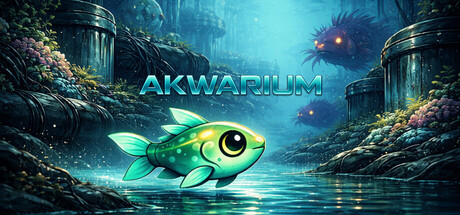
Some 2D artwork in Akwarium (characters, UI, environments, and store images) was created with generative AI tools, then reviewed and refined by the developer. No gameplay content is generated by AI in real time.
This game is a solo-developed project. Generative AI tools were used as part of the production workflow, including assistance with code and base visual assets. No generative AI output is used as a final in-game asset – all assets were manually edited and finalized by the developer. All gameplay design, creative direction, balancing, and content decisions were made by the developer.
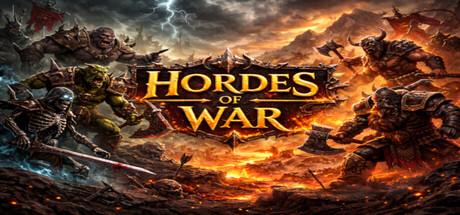
Some visual assets used during the development of **Hordes of War** were created or enhanced with the assistance of generative artificial intelligence. These assets include certain promotional artwork, concept art, and placeholder images used during development.
All gameplay systems, game design, world-building, maps, mechanics, balance, programming, and the final implementation of in-game content have been created, reviewed, and curated by the development team. Any AI-assisted content is carefully edited and integrated to ensure it meets the artistic style and quality standards of the game.
Pre-generated AI content: character art, backgrounds, icons and key art images, music and sound effects, and portions of the story text were created with generative AI tools (Google Gemini, fal.ai, Anthropic Claude) and were reviewed and edited by the developers. No AI content is generated at runtime.
Generative AI was used as an assistive tool for proofreading in-game text and store page text, as well as for English and Korean localization. All final content was reviewed and edited by the developer.
No AI-generated images, audio, or 3D models are used. The game does not use generative AI to create content in real time during gameplay.
Some pre-rendered visual artwork, store page imagery, and sound effects were created with the assistance of generative AI tools, then selected, edited, layered, and integrated by the developer. The game does not use live generative AI during gameplay.
Utilizing artificial intelligence, we enhanced vintage photographs and photographs of the development team to align with the game’s aesthetic for paintings in game.
Netshell uses AI to power its characters. The NPCs you meet on the in-game forums and IRC read what is happening in your playthrough and respond in character, so their messages and forum posts are generated rather than pre-scripted, and each player's world unfolds differently.
All of this runs locally and offline: the AI models ship with the game and run on your machine. Netshell never connects to a third-party AI service such as ChatGPT or Claude. You can turn the AI off entirely, in which case the NPCs stop chatting and the game continues with its authored story.
Some Steam store and trailer assets were created with AI assistance and then edited/curated by the development team. During gameplay, Netshell only uses AI to generate in-character NPC text.
A small number of texture assets use generative AI as a starting point and were manually edited for use in-game. Most visual assets are original, licensed, purchased, or used with creator permission.
GridIron Grit is made with love, for us hardcore football sim fans, but AI did much of the heavy lifting.
AI helped me bring my dream game to life, writing code and generating game assets.
The game itself uses no generative AI within.
AI was used to assist with the localization process.
All other core game content including game design, programming, art direction, and gameplay systems
was created by the human development team.
This game uses AI-generated content for marketing and
promotional materials, including the game trailer, teaser,
Steam capsule images, title images, and other marketing assets.
Most of the AI-generated images were additionally edited and
refined by our team using artistic and creative techniques
to better fit the game's visual style.
The AI-generated content is limited to external marketing
materials only. All actual gameplay, game mechanics, and
in-game content were created by the development team.
AI was used to translate the game into certain languages. When selecting one of these languages for the first time, a notification appears. Additionally, a marker is displayed next to the language name in the options menu.
Furthermore, AI was utilized to generate some of the graphical assets and may have been used in the creation of videos.
Lumenfall is built by a small studio using AI-assisted development tools. Some pre-generated content — including portions of the game's code, the store page text, and the 2D promotional/capsule artwork and achievement icons — was created with the help of AI tools, always under human direction and review. The game does not generate any content with AI at runtime; everything you play is fixed, hand-tuned content.
This game uses generative artificial intelligence as a supporting tool for the creation of some visual and graphic assets, such as the game icon, logo, promotional images, main menu artwork, buttons, and certain visual or typography styles used within the game.
All AI-generated or AI-assisted content was reviewed, edited, and manually selected by the developer before being included in the game. Generative AI is not used during gameplay to create real-time content or to dynamically modify the player experience.
Some 2D character illustrations, backgrounds, and UI elements in this game were created with the help of generative AI tools during development, and then manually edited, refined, and reviewed by the developer.
This game uses generative AI during gameplay to create an original in-game character called a "Logos" for use by that player. Based on text entered or selected by the player, the AI generates a 2D illustration of the Logos in real time, along with its name, flavor text, and similar content. The generated Logos can be added to your deck and used to progress through the game.
The game also includes pre-generated AI content: enemy and event illustrations were created with Adobe Firefly during development. Generation is performed using cloud-based external AI services (Adobe Firefly for image generation, OpenAI for text generation).
The words entered by the player, generation conditions, and the data of the generated Logos are sent to and stored on our server. These records are used to provide the generation feature, review reported results, and investigate errors. A generated Logos is visible only to the player who created it and is not shared with other players.
Some information required for generation is sent from our server to external AI services. Data sent from our server to these services is not used to train or improve their models. Please do not enter any personal information, such as your name or contact details, or any confidential information you would not want third parties to know.
Some ambient background music tracks used in the game were generated using AI tools. The music is pre-generated and does not change or generate live during gameplay.
Generative AI-assisted tools were used as part of the development process for Xenogarden.
This includes support in creating and refining selected visual content such as concept art, artwork, textures, marketing materials and store page assets, as well as assistance with text, localization, sound/music ideas and creative drafts.
All content included in the game is pre-generated, selected, reviewed and curated. The game does not generate new AI content during gameplay and does not connect to external AI services during gameplay.
- Character photos and video clips shown in the in-game Stories feed were generated using AI tools (image and video generation), then reviewed, edited, and composited by the developer to fit the game's art direction.
- AI-assisted tools were used in parts of the development process.
Forged Cards is a passion project, built by one person. I'm not a game studio, I'm a single developer who fell in love with an idea for a deck-builder where you build the cards and set out to make it real.
Games like this usually take a team. Modern AI development tools are a big part of how one person was able to build something at this scope. I used AI coding assistants to help me build and iterate on the game's systems, AI image generation for the art, and AI-generated sound effects, all of it reviewed, edited, and shaped by me to fit the world I wanted to create. Every card, every enemy, every choice about how this game looks and feels came from a person (and some close friends) who cared about getting it right.
I'm being upfront about this because I think you deserve to know how the thing you're playing was made. Forged Cards exists because these tools let one person build a game that otherwise would have stayed an idea in a notebook.
Some store page artwork, promotional artwork, and marketing assets for False Normality were created or assisted using generative AI tools. The game's design, writing direction, rule system, gameplay logic, editing, and final asset selection were created and curated by the developer. False Normality does not use live-generated AI during gameplay.
I have used AI-assisted tools to generate specific visual assets for the game, including the library logo and certain promotional marketing materials. The AI was utilized solely for asset creation and does not generate content dynamically during live gameplay. The game's core mechanics and narrative elements were developed by our team without AI-generated procedural systems.
Some of this game's assets were created with the assistance of generative AI tools, then curated, edited, and integrated by the developer. This includes art assets such as character portraits, location backgrounds, and promotional artwork, as well as sound. The game's code was written with AI coding tools under the developer's direction. The game's design, systems, writing, and creative direction are human-authored and directed.
Generative AI technology is used in a supplementary capacity during the creation of some user interface assets.
Any such assets are replaced through our production pipeline by our art and development teams, ensuring they meet our quality standards and creative direction.
Generative AI was used to create some promotional images for the Steam store page. The game itself and its gameplay do not contain AI-generated content.
This game uses AI assistance as a support tool for efficient development.
Scope of AI Use
- Assistance with programming and code implementation
- Drafting and style adjustment for English localization
- Drafting and editing of some in-game text, including Observation Records in the Anomaly Codex, command reaction text, countermeasure procedures, and other text related to gameplay explanations and strategy
- Drafting, editing, and proofreading of general text such as social media announcements, descriptions, and notices
Scope Where AI Is Not Used
Character images, Anomaly images, background images, Steam capsule images, audio, and BGM are created by the developer or use licensed distributed assets.
No AI-generated assets are used for these materials.
Content Created and Managed by the Developer
The story, worldbuilding, characters, basic Anomaly concepts, and the folklore and supplementary materials related to the Anomalies are independently created by the developer.
Game design and various specifications are also determined by the developer.
For any content created with AI assistance, the final decision on whether to use the text, as well as quality control, is handled by the developer.
Even if we prefer manual craft & procedural generation, some 3d Models/Cinematics in this game were created with the assistance of AI generative tools during production. However, think AI more as an automation/interpolation tool to win time and focus on gamers really want: innovative gameplay and FUN!
Some of the game's 3D models (characters, monsters, and items) were created using the generative AI tool. Some in-game text translations were produced with AI assistance. All of this content was pre-generated during development, and we hold the appropriate rights to use it in the game.
Some store page text, marketing copy, and promotional planning materials for Black File were created with assistance from generative AI tools and reviewed, edited, and approved by the development team before publication. The game does not use generative AI to create content during gameplay.
The videos were generated using artificial intelligence, employed to recreate the gothic and unsettling atmospheres typical of 1970s and 1980s horror films.
Human-crafted with AI assistance. Generative AI was used to assist with selected programming tasks (such as code optimization and debugging), create or enhance some voice-over and audio elements, and help refine selected graphical assets. All AI-generated content was reviewed, edited, integrated, and finalized by the developer.
Generative AI tools were used to assist in creating pre-generated visual artwork, including concept art, key art, and promotional images used for the Steam store page and marketing materials.
All AI-assisted visual assets are static, reviewed, selected, and edited by the developer to match the game's dark sci-fi visual direction.
The game does not use live generative AI to create gameplay, player-generated content, dialogue, images, audio, or other content during gameplay.
Some of the game's 2D artwork — including character selection images and user interface elements — was created with the help of generative AI tools. All AI-generated assets were reviewed and curated by our team before being included in the game.
This game includes pre-generated content made with the assistance of generative AI tools during development. AI tools were used to help create and iterate some static story illustrations, character and store-art references, voice and sound-effect materials, texture details, copy polishing, and localization drafts. All such content is selected, edited, assembled, and manually reviewed by the developer before shipping. The game does not connect to a live generative AI service during play and does not generate new player-facing AI content at runtime.
The in-game music and soundtrack are created using Suno (generative AI). All visual art is produced procedurally through code. Development used an AI coding assistant (Claude), which is a development-efficiency tool; it does not generate any content live at runtime. No generative AI runs during gameplay.
We used a Gen AI powered tool to localize the following:
- (in some languages) In-game text
- (in some languages) Steam store descriptions
We plan to replace these with human translation and LQA when we can afford it.
Until then, we are using Gen AI temporarily.
Some 2D artwork in Akwarium (characters, UI, environments, and store images) was created with generative AI tools, then reviewed and refined by the developer. No gameplay content is generated by AI in real time.
This game is a solo-developed project. Generative AI tools were used as part of the production workflow, including assistance with code and base visual assets. No generative AI output is used as a final in-game asset – all assets were manually edited and finalized by the developer. All gameplay design, creative direction, balancing, and content decisions were made by the developer.
Some visual assets used during the development of **Hordes of War** were created or enhanced with the assistance of generative artificial intelligence. These assets include certain promotional artwork, concept art, and placeholder images used during development.
All gameplay systems, game design, world-building, maps, mechanics, balance, programming, and the final implementation of in-game content have been created, reviewed, and curated by the development team. Any AI-assisted content is carefully edited and integrated to ensure it meets the artistic style and quality standards of the game.
Pre-generated AI content: character art, backgrounds, icons and key art images, music and sound effects, and portions of the story text were created with generative AI tools (Google Gemini, fal.ai, Anthropic Claude) and were reviewed and edited by the developers. No AI content is generated at runtime.
Generative AI was used as an assistive tool for proofreading in-game text and store page text, as well as for English and Korean localization. All final content was reviewed and edited by the developer.
No AI-generated images, audio, or 3D models are used. The game does not use generative AI to create content in real time during gameplay.
Some pre-rendered visual artwork, store page imagery, and sound effects were created with the assistance of generative AI tools, then selected, edited, layered, and integrated by the developer. The game does not use live generative AI during gameplay.
Utilizing artificial intelligence, we enhanced vintage photographs and photographs of the development team to align with the game’s aesthetic for paintings in game.
Netshell uses AI to power its characters. The NPCs you meet on the in-game forums and IRC read what is happening in your playthrough and respond in character, so their messages and forum posts are generated rather than pre-scripted, and each player's world unfolds differently.
All of this runs locally and offline: the AI models ship with the game and run on your machine. Netshell never connects to a third-party AI service such as ChatGPT or Claude. You can turn the AI off entirely, in which case the NPCs stop chatting and the game continues with its authored story.
Some Steam store and trailer assets were created with AI assistance and then edited/curated by the development team. During gameplay, Netshell only uses AI to generate in-character NPC text.
A small number of texture assets use generative AI as a starting point and were manually edited for use in-game. Most visual assets are original, licensed, purchased, or used with creator permission.