




Disclosure
AI is used to translate the store page.
- Creator
- Alex Le Mesurier
- Reviews
- -
- Added
- Oct 12, 2026
Public Steam disclosure research 25,376 disclosures tracked
Search developers’ Steam disclosures, compare classified AI use across games, and follow recorded changes. This index adds cross-game classifications and statistics to statements published on individual store pages.
Code help, debugging and other development work.
Capsule art, trailers and promotional material.
Pre-made art, audio, writing and other game assets.
Interactive or runtime AI features disclosed by the developer.
Groups reflect automatic analysis of public disclosures; mature records are excluded. These counts do not measure AI use across all of Steam. Missing or unclear statements cannot establish whether a game uses AI.
AI is used to translate the store page.
Some of the game's artwork (cards, bosses, mascot, icons) and music were initially created with generative AI tools, then reworked, edited and integrated by the developer. All code, game design, writing and balancing were made by the developer. No content is generated by AI while the game is running.
AI was used to tailor store page descriptions and grammar correct.
The ghost's voice lines, lullaby, screams, laughter and some sound effects were generated with AI audio tools (ElevenLabs). The store page description and the layout of the capsule art were prepared with the help of an AI assistant, using screenshots captured from the game. All 3D models, environments and animations are human-made assets licensed from the Fab marketplace.
Ludus Magna uses pre-generated, AI-assisted content created during development. This includes parts of the game's visual content such as character portraits, backgrounds and other illustrations, as well as AI-assisted text and localization. All content is selected, edited and reviewed by the developer before being included in the game. No generative AI content is created while the game is running.
Generative AI was used during development to create artwork, UI and promotional assets, as well as audio content, including character voices. AI tools also assisted with writing and refining the game’s code. All AI-generated content is pre-generated; HEARTRIFT does not generate content or code with AI during gameplay or connect to an external AI service.
This game contains pre-generated AI content, all reviewed and edited by the developer: - Voice acting: every radio and PA line, in English and Turkish, is text-to-speech generated with ElevenLabs. - Audio: most sound effects and the three music beds were generated with ElevenLabs. - 3D art: some organic growth props were shaped with an image-to-3D pipeline (SDXL + Hunyuan3D), then UV-unwrapped, baked and finished by hand in Blender. - 2D art: the still images in the narrated opening were made with an image model. The game generates nothing with AI while it runs. The trailer, screenshots and capsule art on this page are in-game footage and in-engine captures.
AI was used responsibly in the making of this game
Generative AI was used to create background music, paintings displayed throughout the motel, and selected 3D assets, including sequence props, keys, relics, and pedestals. AI assistance was also used to draft portions of the store page text.
Generative AI tools were used to help create promotional artwork and store page images for VoxelCraft. AI is not used to generate in-game content, code, or gameplay at runtime.
Some monster and equipment assets, as well as images used on the Steam store page, were AI-generated and subsequently refined and edited manually.
This game contains content created with the assistance of AI tools. AI was used during development to assist with programming, visual assets, and other creative elements. All generated content was reviewed, edited, and integrated by the dev.
AI tools assisted with in-game text translation.
BROKEN CHORD uses generative AI in the creation of selected music and visual assets used in the game and its presentation. AI-generated material is curated, edited, and integrated into the game’s overall artistic and audiovisual direction by the developer.
Some voices, music, sound effects, 3D models, images, text, translations and code were made with AI tools and then edited by the developer. Nothing is generated by AI while you play.
One map artwork was created with generative AI and then edited by the developer. No other art, audio, text, or gameplay content uses AI. The game does not generate content during play.
AI tools were used for some background audio and aiding with scripts.
Generative AI was used during development to create early drafts of some graphical resources and to help further develop and refine game design concepts. All AI-assisted materials were reviewed and adjusted by the development team before being used in the final game.
Some in-game visual assets were created with the assistance of generative AI. All AI-assisted content is pre-generated and included in the shipped game; no content is generated during gameplay.
AI tools were used solely for generating background images. All character art, UI elements, writing, and other visual content were created entirely by the development team without the use of generative AI.
Some 2D artwork and visual assets were created with the assistance of generative AI tools during development and were reviewed and edited by the developer. The game does not generate AI content during gameplay.
Some voice lines (the narrator, phone messages and townspeople), some sound effects and the menu music were created with generative AI text-to-speech and audio tools (ElevenLabs) and edited by the developer. All visual art, 3D, animation, level design and code were made by the developer. No AI content is generated during gameplay.
background and Logo with created AI.
The art, sound effects and voicelines are AI generated. Ideally, if the game makes some amount of $ I will replace all AI generate content. Read more about AI usage here: https://www.sdgames.co/blog/shades-of-europa-steam-page-and-demo
During early development and for the playable demo, Generative AI tools were used to create base templates and draft assets for certain 3D models, textures, and sound effects. All AI-generated placeholders and base models have been manually re-worked, polished, and edited. As development progresses, these draft assets are being actively replaced with fully custom, handcrafted art and audio.
The translations into other languages were created with the help of AI tools. The game does not generate any AI content while you play.
Some artwork generated using AI
Some source code and internal editor tooling were written with the assistance of AI coding tools during development. All of it was reviewed, edited and tested by the developer. The game's story, dialogue, characters and design are human-written. Visual and audio assets come from licensed asset packs and human-made content. No content is generated by AI while the game is running.
Subject Zero was made with an AI assistant. Its code, its written content (the headlines, incidents, exams, the codex and every interface string) and the translations of the interface and the manual were written with Claude (Anthropic) under the developer's direction and review. The achievement icons on this store page are AI-generated images (Midjourney). The teaser trailer's video clips were generated with Google Veo, its narration was synthesised with ElevenLabs, and its subtitles were machine-translated. Nothing is generated while you play: the game contains no AI model and calls no online service. Every headline, incident and outcome comes from fixed tables written in advance, and the same seed always plays out the same way.
Generative AI tools were used during development to help create [name the specific assets, such as textures, character animations, or sound effects]. These assets are included as fixed content. The game does not generate AI content during gameplay.
Textures, Sprites and Art is AI generated. Lots of manual modification take place after the AI generates the first pass.
Generative AI was used to assist with creating selected promotional artwork and drafting or editing some written marketing content for the Steam store page. No generative AI is used during gameplay.
Generative AI was used only to assist with localization and translation into English, Simplified Chinese, Traditional Chinese, and Korean. The original story, artwork, audio, and other game assets were not generated using AI. No live-generated AI content is used in the game.
Programming, Graphics
Generative AI tools were used during development to create visual references and assist with the creation of some 3D assets. AI-generated outputs used as source material were further edited, refined, or integrated by the developer before inclusion in the game. Generative AI may also be used to create or assist with some music, sound, and localization assets, with outputs reviewed and edited before inclusion. No generative AI is used at runtime.
LAZARUS was developed with the help of generative AI tools. AI assisted in writing the game's code — including the code that draws every visual and synthesizes all music and sound effects in real time — as well as drafting the story, dialogue, in-game text, English/Chinese localization and store page text. All content was directed, reviewed and edited by the developer. The game does not use AI to generate any content while it is running.
Note: All story, art, and audio assets are original and human-made. Some scripting was developed with the assistance of AI-generated code.
The art, music, and sound effects in this game were made with the help of generative AI tools, and each piece was selected and refined by the developer. The Chinese and English translations were drafted with AI assistance and will continue to be refined throughout Early Access. The story and dialogue were written by the developer, and the game was designed by the developer.
Some of the game's content was created with the help of generative AI tools and then reviewed and integrated by the developer: several 3D models and their textures, the logo and key art, some of the music and voices, and the English translation of the game's text. All of it is pre-generated: the game does not generate anything with AI while you play.
Generative AI tools were utilized during development to assist in creating certain visual assets, including store page capsule graphics, promotional imagery, and selected in-game 2D UI/icon elements. All generated content was curated, edited, and integrated by the developer.
How we do use AI:
Please note that non-Japanese localization is currently generated by AI. I plan to replace this with professional human localization in the future. Furthermore, one sound effect was created using AI. All other elements have been meticulously crafted by myself.
AI is used to create some of the images on the game's store page and in the library.
This game contains content created with the assistance of AI tools. AI was used during development to assist with programming, visual assets, and other creative elements. All generated content was reviewed, edited, and integrated by the dev.
Generative AI is used in the creation of some visual assets, including in-game cinematics, background images, and character illustrations. It is also used to assist with writing and translating some in-game text. This content is created during development and included in the game. The game does not generate new content using generative AI during gameplay.
Unwritten uses generative AI as part of its core gameplay. AI systems interpret the player's freely written actions and generate narrative responses within an authored world, story and set of rules. AI inference runs locally on the player's computer.
Some visual and audio assets were generated with AI tools during development and edited for use in Dead Last. No AI content is generated during gameplay.
Some assets in this game were created with generative AI during development: 3D models of characters and props (including some of their animations), and images such as textures and illustrations. All of them were selected and adjusted by the developers before being used in the game. No content is generated by AI while the game is running.
[Developer Notice]This game was developed with the assistance of AI tools used for programming and code generation during the development process.
AI tools were used to generate base 2D images and concepts for character masks. These assets were then manually edited, polished, color-corrected, and integrated into the game by the developer.
| Title⇅ | Disclosure | Creator⇅ | Src | Reviews⇅ | Added↓ |
|---|---|---|---|---|---|
 Untold Cases - Lot 42 Store/marketing text | AI is used to translate the store page. | Alex Le Mesurier | - | Oct 12, 2026 | |
 Joker's Wild In-game content artaudio | Some of the game's artwork (cards, bosses, mascot, icons) and music were initially created with generative AI tools, then reworked, edited and integrated by the developer. All code, game design, writing and balancing were made by the developer. No content is generated by AI while the game is running. | Haven Forge | - | Oct 12, 2026 | |
 Burgerama Anomaly Store/marketing text | AI was used to tailor store page descriptions and grammar correct. | Mossy Games Studio | - | Oct 12, 2026 | |
 VINDARI In-game content audio | The ghost's voice lines, lullaby, screams, laughter and some sound effects were generated with AI audio tools (ElevenLabs). The store page description and the layout of the capsule art were prepared with the help of an AI assistant, using screenshots captured from the game. All 3D models, environments and animations are human-made assets licensed from the Fab marketplace. | DH | - | Oct 12, 2026 | |
 Ludus Magna In-game content arttext | Ludus Magna uses pre-generated, AI-assisted content created during development. This includes parts of the game's visual content such as character portraits, backgrounds and other illustrations, as well as AI-assisted text and localization. All content is selected, edited and reviewed by the developer before being included in the game. No generative AI content is created while the game is running. | Ludus Magna | - | Oct 12, 2026 | |
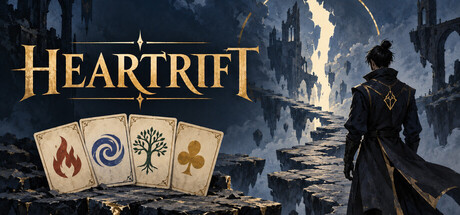 Heartrift In-game content artaudiocode | Generative AI was used during development to create artwork, UI and promotional assets, as well as audio content, including character voices. AI tools also assisted with writing and refining the game’s code. All AI-generated content is pre-generated; HEARTRIFT does not generate content or code with AI during gameplay or connect to an external AI service. | Kustepuchengames | - | Oct 12, 2026 | |
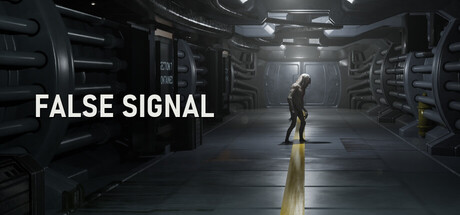 False Signal In-game content audioart | This game contains pre-generated AI content, all reviewed and edited by the developer:
- Voice acting: every radio and PA line, in English and Turkish, is text-to-speech generated with ElevenLabs.
- Audio: most sound effects and the three music beds were generated with ElevenLabs.
- 3D art: some organic growth props were shaped with an image-to-3D pipeline (SDXL + Hunyuan3D), then UV-unwrapped, baked and finished by hand in Blender.
- 2D art: the still images in the narrated opening were made with an image model.
The game generates nothing with AI while it runs. The trailer, screenshots and capsule art on this page are in-game footage and in-engine captures. | Veilward Studios | - | Oct 12, 2026 | |
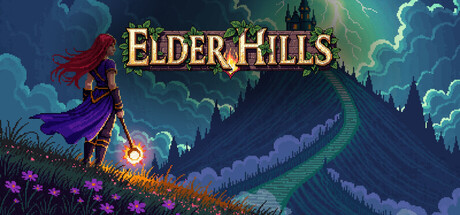 Elder Hills Unclear | AI was used responsibly in the making of this game | Darkfoo Games | - | Oct 12, 2026 | |
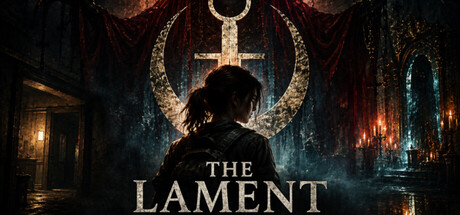 The Lament In-game content audioart | Generative AI was used to create background music, paintings displayed throughout the motel, and selected 3D assets, including sequence props, keys, relics, and pedestals. AI assistance was also used to draft portions of the store page text. | Gregory Montoya | - | Oct 11, 2026 | |
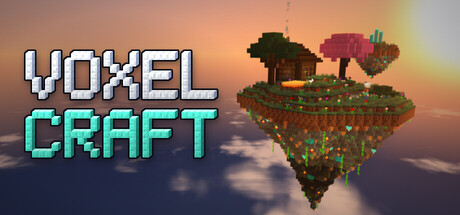 VoxelCraft Store/marketing art | Generative AI tools were used to help create promotional artwork and store page images for VoxelCraft. AI is not used to generate in-game content, code, or gameplay at runtime. | Pale Static Games | - | Oct 11, 2026 | |
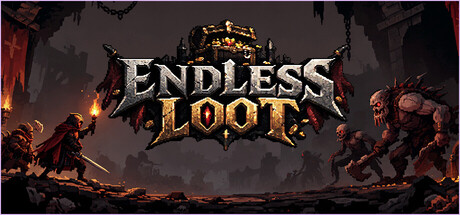 Endless Loot art | Some monster and equipment assets, as well as images used on the Steam store page, were AI-generated and subsequently refined and edited manually. | TRUGOY | - | Oct 10, 2026 | |
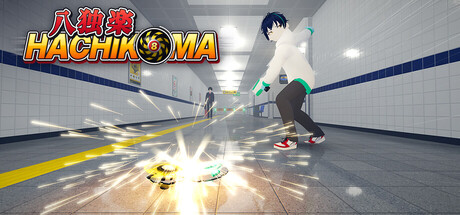 HACHIKOMA: Underground Stadium No. 8 In-game content artcode | This game contains content created with the assistance of AI tools. AI was used during development to assist with programming, visual assets, and other creative elements. All generated content was reviewed, edited, and integrated by the dev. | ISEKAI Games | - | Oct 10, 2026 | |
 The Usual, Please In-game content text | AI tools assisted with in-game text translation. | Hadwa Games | - | Oct 10, 2026 | |
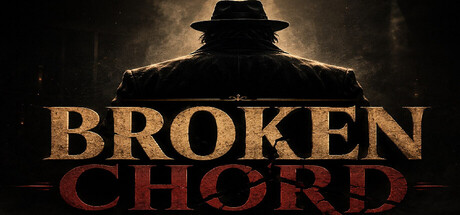 BROKEN CHORD In-game content artaudio | BROKEN CHORD uses generative AI in the creation of selected music and visual assets used in the game and its presentation. AI-generated material is curated, edited, and integrated into the game’s overall artistic and audiovisual direction by the developer. | ilkerrbr | - | Oct 10, 2026 | |
 Call Me, Liar In-game content audioarttextcode | Some voices, music, sound effects, 3D models, images, text, translations and code were made with AI tools and then edited by the developer. Nothing is generated by AI while you play. | MrLkn | - | Oct 10, 2026 | |
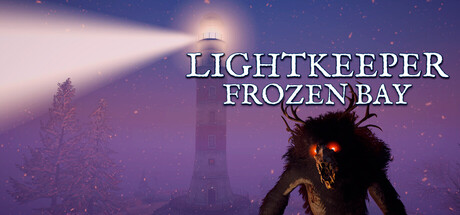 Lightkeeper: Frozen Bay In-game content art | One map artwork was created with generative AI and then edited by the developer. No other art, audio, text, or gameplay content uses AI. The game does not generate content during play. | Anton Antipov | - | Oct 10, 2026 | |
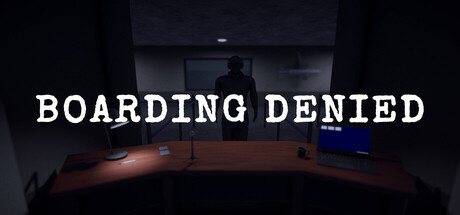 Boarding Denied In-game content audio | AI tools were used for some background audio and aiding with scripts. | AdriDev | - | Oct 10, 2026 | |
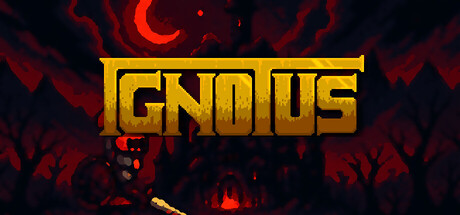 IGNOTUS Dev only art | Generative AI was used during development to create early drafts of some graphical resources and to help further develop and refine game design concepts. All AI-assisted materials were reviewed and adjusted by the development team before being used in the final game. | Nero-Pon | - | Oct 10, 2026 | |
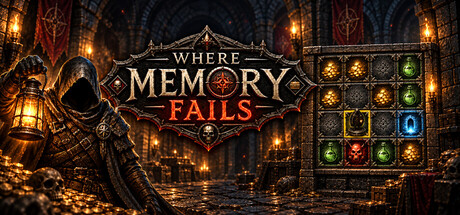 WHERE MEMORY FAILS In-game content art | Some in-game visual assets were created with the assistance of generative AI. All AI-assisted content is pre-generated and included in the shipped game; no content is generated during gameplay. | VARGA Digital | - | Oct 10, 2026 | |
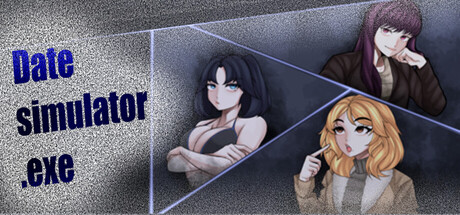 DATE_SIMULATOR.EXE In-game content art | AI tools were used solely for generating background images. All character art, UI elements, writing, and other visual content were created entirely by the development team without the use of generative AI. | NO REGRETS | - | Oct 10, 2026 | |
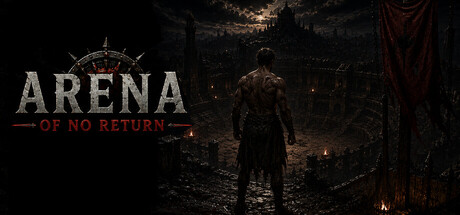 Arena of No Return In-game content art | Some 2D artwork and visual assets were created with the assistance of generative AI tools during development and were reviewed and edited by the developer. The game does not generate AI content during gameplay. | Tiltados Games | - | Oct 9, 2026 | |
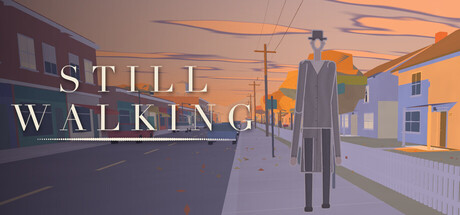 Still Walking In-game content audio | Some voice lines (the narrator, phone messages and townspeople), some sound effects and the menu music were created with generative AI text-to-speech and audio tools (ElevenLabs) and edited by the developer. All visual art, 3D, animation, level design and code were made by the developer. No AI content is generated during gameplay. | LogiK | - | Oct 9, 2026 | |
 Not a Duck Store/marketing art | background and Logo with created AI. | NOXRG | - | Oct 9, 2026 | |
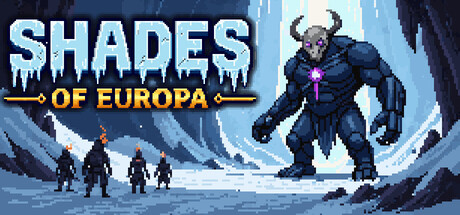 Shades of Europa In-game content artaudio | The art, sound effects and voicelines are AI generated. Ideally, if the game makes some amount of $ I will replace all AI generate content.
Read more about AI usage here: https://www.sdgames.co/blog/shades-of-europa-steam-page-and-demo | sirix | - | Oct 9, 2026 | |
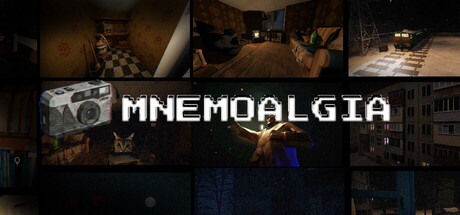 MNEMOALGIA In-game content artaudio | During early development and for the playable demo, Generative AI tools were used to create base templates and draft assets for certain 3D models, textures, and sound effects. All AI-generated placeholders and base models have been manually re-worked, polished, and edited. As development progresses, these draft assets are being actively replaced with fully custom, handcrafted art and audio. | Mnemodev | - | Oct 9, 2026 | |
 Faded Fears - Grayshore Motel In-game content text | The translations into other languages were created with the help of AI tools. The game does not generate any AI content while you play. | Jeans | - | Oct 9, 2026 | |
 Octodefense Unclear art | Some artwork generated using AI | Luciemma Games | - | Oct 9, 2026 | |
 Locard Dev only code | Some source code and internal editor tooling were written with the assistance of AI coding tools during development. All of it was reviewed, edited and tested by the developer. The game's story, dialogue, characters and design are human-written. Visual and audio assets come from licensed asset packs and human-made content. No content is generated by AI while the game is running. | JinjaGames | - | Oct 9, 2026 | |
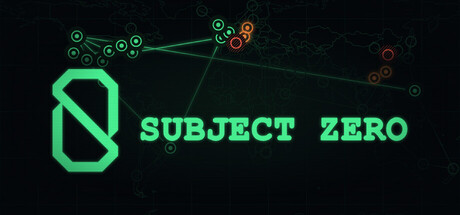 Subject Zero In-game content textart | Subject Zero was made with an AI assistant. Its code, its written content (the headlines, incidents, exams, the codex and every interface string) and the translations of the interface and the manual were written with Claude (Anthropic) under the developer's direction and review.
The achievement icons on this store page are AI-generated images (Midjourney). The teaser trailer's video clips were generated with Google Veo, its narration was synthesised with ElevenLabs, and its subtitles were machine-translated.
Nothing is generated while you play: the game contains no AI model and calls no online service. Every headline, incident and outcome comes from fixed tables written in advance, and the same seed always plays out the same way. | Niobium Labs | - | Oct 9, 2026 | |
 Reel Risk In-game content art | Generative AI tools were used during development to help create [name the specific assets, such as textures, character animations, or sound effects]. These assets are included as fixed content. The game does not generate AI content during gameplay. | Reel Risk Studio | - | Oct 9, 2026 | |
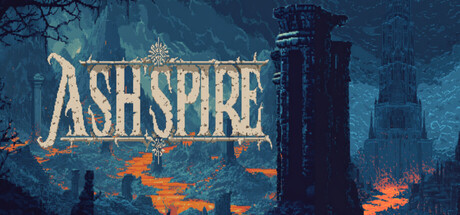 AshSpire In-game content art | Textures, Sprites and Art is AI generated. Lots of manual modification take place after the AI generates the first pass. | HackettTech | - | Oct 9, 2026 | |
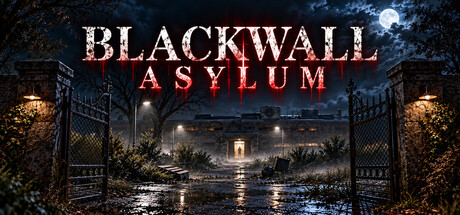 BLACKWALL ASYLUM Store/marketing arttext | Generative AI was used to assist with creating selected promotional artwork and drafting or editing some written marketing content for the Steam store page. No generative AI is used during gameplay. | Kettlefox Games | - | Oct 8, 2026 | |
 TSUKIMI PLANET -CLASSIC REMASTER- In-game content text | Generative AI was used only to assist with localization and translation into English, Simplified Chinese, Traditional Chinese, and Korean. The original story, artwork, audio, and other game assets were not generated using AI. No live-generated AI content is used in the game. | STUDIO CHARON | - | Oct 7, 2026 | |
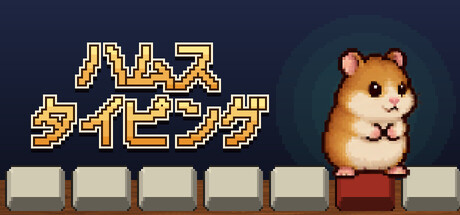 ハムスタイピング! Unclear artcode | Programming, Graphics | みらいゲームズ | - | Oct 7, 2026 | |
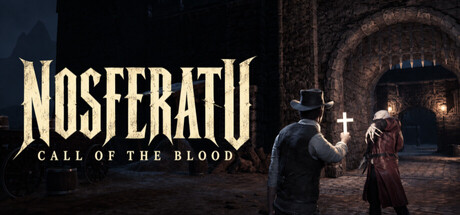 Nosferatu: Call of the Blood In-game content artaudiotext | Generative AI tools were used during development to create visual references and assist with the creation of some 3D assets. AI-generated outputs used as source material were further edited, refined, or integrated by the developer before inclusion in the game. Generative AI may also be used to create or assist with some music, sound, and localization assets, with outputs reviewed and edited before inclusion. No generative AI is used at runtime. | Rubbish Trout | - | Oct 7, 2026 | |
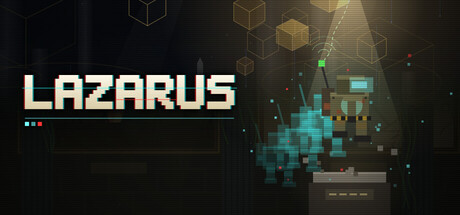 LAZARUS In-game content artaudiotext | LAZARUS was developed with the help of generative AI tools. AI assisted in writing the game's code — including the code that draws every visual and synthesizes all music and sound effects in real time — as well as drafting the story, dialogue, in-game text, English/Chinese localization and store page text. All content was directed, reviewed and edited by the developer. The game does not use AI to generate any content while it is running. | LunaCraft Games | - | Oct 7, 2026 | |
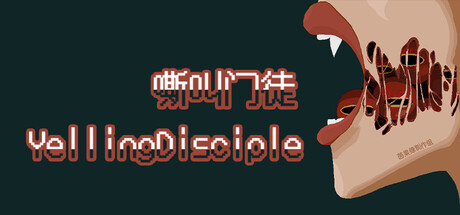 嘶叫门徒YellingDisciple Dev only code | Note: All story, art, and audio assets are original and human-made. Some scripting was developed with the assistance of AI-generated code. | 茵果绿 | - | Oct 7, 2026 | |
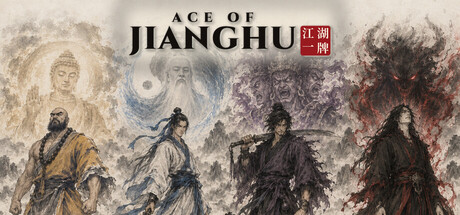 江湖一牌:无情武林 / Ace of Jianghu In-game content artaudiotext | The art, music, and sound effects in this game were made with the help of generative AI tools, and each piece was selected and refined by the developer. The Chinese and English translations were drafted with AI assistance and will continue to be refined throughout Early Access. The story and dialogue were written by the developer, and the game was designed by the developer. | 墨劍 Ink Blade | - | Oct 7, 2026 | |
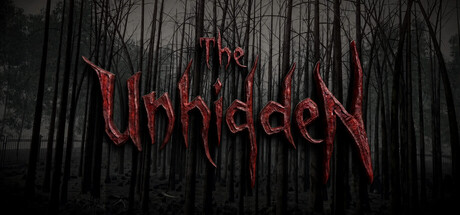 The Unhidden In-game content artaudiotext | Some of the game's content was created with the help of generative AI tools and then reviewed and integrated by the developer: several 3D models and their textures, the logo and key art, some of the music and voices, and the English translation of the game's text. All of it is pre-generated: the game does not generate anything with AI while you play. | Calvary Games | - | Oct 7, 2026 | |
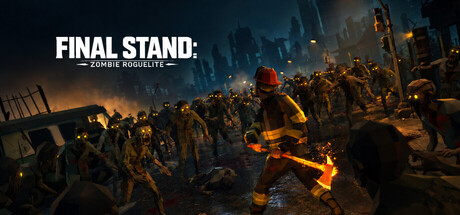 Final Stand: Zombie Roguelite In-game content art | Generative AI tools were utilized during development to assist in creating certain visual assets, including store page capsule graphics, promotional imagery, and selected in-game 2D UI/icon elements. All generated content was curated, edited, and integrated by the developer. | Atc Games | - | Oct 7, 2026 | |
 Perceptum Unclear | How we do use AI: | Duck Reaction | - | Oct 7, 2026 | |
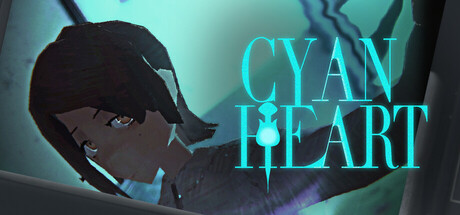 Cyan Heart In-game content textaudio | Please note that non-Japanese localization is currently generated by AI. I plan to replace this with professional human localization in the future.
Furthermore, one sound effect was created using AI.
All other elements have been meticulously crafted by myself. | Shoei Sio | - | Oct 6, 2026 | |
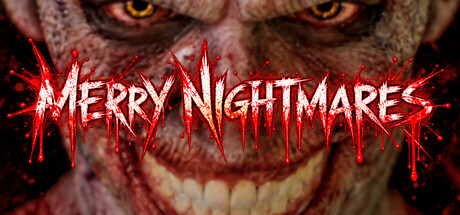 Merry Nightmares Store/marketing art | AI is used to create some of the images on the game's store page and in the library. | REVVALUTION Studio | - | Oct 6, 2026 | |
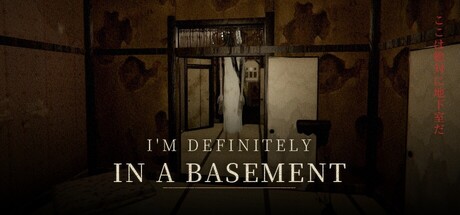 I'M DEFINITELY IN A BASEMENT In-game content artcode | This game contains content created with the assistance of AI tools. AI was used during development to assist with programming, visual assets, and other creative elements. All generated content was reviewed, edited, and integrated by the dev. | ISEKAI Games | - | Oct 6, 2026 | |
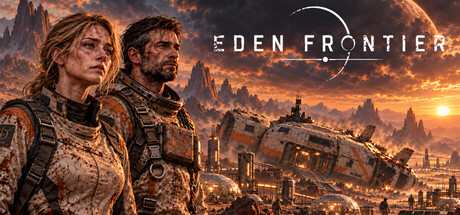 EDEN FRONTIER In-game content arttext | Generative AI is used in the creation of some visual assets, including in-game cinematics, background images, and character illustrations. It is also used to assist with writing and translating some in-game text. This content is created during development and included in the game. The game does not generate new content using generative AI during gameplay. | Axion Inc. | - | Oct 6, 2026 | |
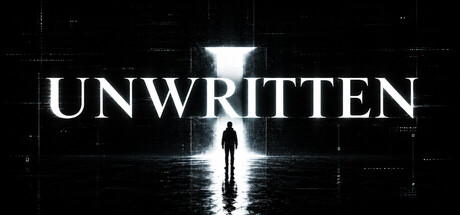 Unwritten Live AI text | Unwritten uses generative AI as part of its core gameplay. AI systems interpret the player's freely written actions and generate narrative responses within an authored world, story and set of rules. AI inference runs locally on the player's computer. | Romain Brancherie | - | Oct 6, 2026 | |
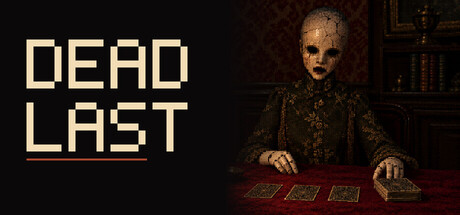 Dead Last In-game content artaudio | Some visual and audio assets were generated with AI tools during development and edited for use in Dead Last. No AI content is generated during gameplay. | Eddie Eizner | - | Oct 6, 2026 | |
 肝試しオンライン In-game content art | Some assets in this game were created with generative AI during development: 3D models of characters and props (including some of their animations), and images such as textures and illustrations. All of them were selected and adjusted by the developers before being used in the game. No content is generated by AI while the game is running. | パン田 | - | Oct 6, 2026 | |
 deep rabbit hole Dev only code | [Developer Notice]This game was developed with the assistance of AI tools used for programming and code generation during the development process. | Slow step | - | Oct 6, 2026 | |
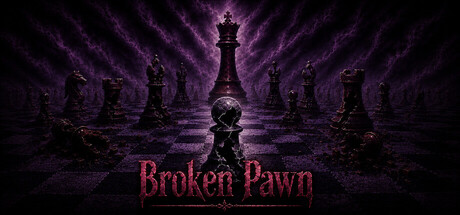 Broken Pawn In-game content art | AI tools were used to generate base 2D images and concepts for character masks. These assets were then manually edited, polished, color-corrected, and integrated into the game by the developer. | Morok Archive | - | Oct 6, 2026 |


