Public Steam disclosure research25,380 disclosures tracked
Where do games disclose AI use?
Search developers’ Steam disclosures, compare classified AI use across
games, and follow recorded changes.
This index adds cross-game classifications and statistics to
statements published on individual store pages.
Groups reflect automatic analysis of public disclosures; mature records are excluded. These counts do not measure AI use across all of Steam.
Missing or unclear statements cannot establish whether a game uses AI.
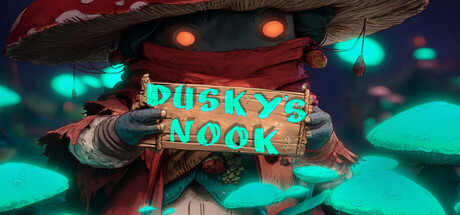
Generative AI tools were used during development to create base 3D assets and some store images. The menu artwork, along with all design, direction, scene construction, lighting, and writing, is my own. Dusky's Nook does not generate any content while you play and never connects to external AI services.
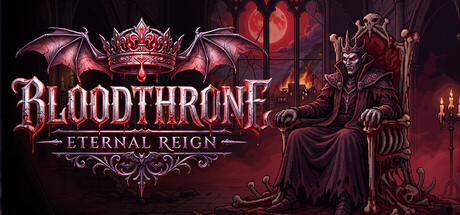
Some of the visual material for this game was created with the help of generative AI tools. Specifically, the opening cinematic and several of the promotional images on this store page were produced using AI-assisted image generation, followed by manual editing, compositing and art direction by our team. All gameplay, code, design and audio were created without generative AI.
The developer used AI assistance while drafting marketing copy for this game. All copy was directed, revised, and finalized by the developer. All in-game art, audio, and design are human-made.
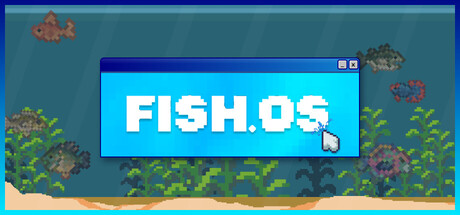
Some 2D art in the game was created with the help of an AI pixel-art tool during development, specifically the application icons and and was hand-adjusted before shipping. The rest of the game's art, including all fish sprites and item icons, was made without AI.
Some plant artwork and store assets were created with AI-assisted tools and then manually reviewed, edited, and integrated into the game. DeskBloom does not generate AI images, text, audio, or other content during gameplay.
Generative AI tools were used to create visual concepts and initial drafts for most of the game's artwork. These drafts were used as references and starting points for the final pixel art assets, which were manually created, reviewed, edited, and refined by the developer before being included in the game or its marketing materials.
Generative AI tools were also used to assist with localization and the creation of some in-game names and text. All AI-assisted text was manually reviewed and edited by the developer before being included in the game.
The game does not use generative AI to create content during gameplay.
This game uses generative AI in a limited way. Some in-game and store-page text was drafted, edited, or partially translated with the help of an AI model, then reviewed, adapted, and finalized by the developer. None of the game's art, sprites, animation, music or sound is AI-generated.
Artificial intelligence was utilized in the programming phase of development. All other game content, including art, audio, and design, was created entirely by human effort.
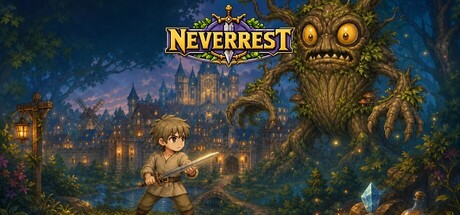
Neverrest uses generative AI tools during development to assist with the creation of some pre-rendered 2D artwork and visual assets. All AI-assisted content is reviewed, edited, and integrated by the developer. The game does not generate AI content during gameplay.
Generative AI was used for deep game simulation to assist with designing difficulty curves and testing in game mathmatical calculations. It was also used for designing alternative UI Models for cosmetic changes.
Game Design, layout, original creations, music, sound, story, plots, etc. were Designed entirely by the Creator.
This game was developed with substantial help from generative AI: the pixel art (in-game art, capsules and icons), the code, much of the text, and the translations were produced with AI assistance and then reviewed, refined, and directed by the developer.
AI tools provided reference materials in development. All finished assets are manually adjusted by our team. No live AI content generates while playing.
The images in this game start from generative AI output and are then redrawn pixel by pixel by the developer. This covers equipment icons, character and enemy sprites, backgrounds, and the images on this store page.
The music was created with a generative AI music service under a commercial-use license.
The text is written in Japanese and machine-translated into other languages.
Generative AI tools were used during the development process exclusively to assist with programming, specifically for structuring GDScript code and debugging.
Petrivore uses AI-assisted tools in parts of its development: some icons and steam assets were made with AI image generation, the in-game text and steam page was translated with AI translation tools. All of it was reviewed and edited by the developer.
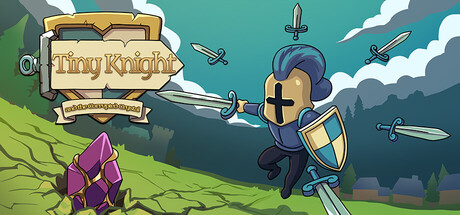
Tiny Knight and the Corrupted Crystal uses AI-generated music. All background music tracks were created with Suno, then edited, and mixed by the developer before being placed in the game.
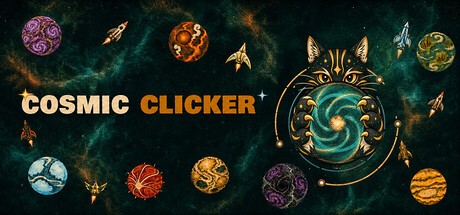
During development, we used generative AI tools to transform early sketches and visual concepts into functional 2D game assets and visual materials that help define Cosmic Clicker’s identity. This included selected in-game assets, Steam store capsules, library artwork, icons, and key art.
The generated results were reviewed, selected, refined, and integrated to maintain consistency with the game’s established art direction.
Generative AI was used to create and refine some pre-generated visual assets, including the game logo and Steam store capsule artwork. All AI-assisted assets are reviewed, edited, and curated by the developer before inclusion. The game does not generate content during gameplay and does not connect to external AI services.
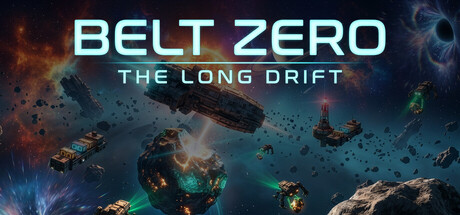
Some of the content shipping with this game was created using generative AI:
• Images: the title/loading screen, the store graphics (capsules) and the five faction portraits were generated with an image AI. • Audio: the title music, intro music, sector music tracks and the sound effects were created with AI tools. • Text: the store description was drafted with AI assistance.
All of this content was selected, reviewed and integrated by hand. Not AI-generated: the 3D world, the ships, stations and effects — those are built procedurally and in Blender. The source code was developed with AI assistance; we mention this for completeness, even though development tools are exempt from disclosure.
Guild Management Simulator began as an AI-assisted prototype. Generative AI tools were used during early development to assist with portions of programming, written game content, interface copy, design iteration, and the current Steam marketing artwork. All AI-assisted material is pre-generated and reviewed before inclusion. The game does not generate content while running, connect players to an AI service, or send player data to an AI system. The long-term goal is to replace AI-assisted material with original, developer-created work as the project is rebuilt in a dedicated game engine.
Most 2D art in this game — ships, enemies, bosses, icons and badges — was first created with AI image tools, then selected, edited and finalised by the developer. No AI is used during gameplay.
Generative AI was used as part of the development process to create and refine some pre-rendered 2D artwork, including icons, item and character sprites, backgrounds, UI elements, and marketing images. All AI-assisted assets were reviewed and curated by the developer before inclusion.
The use of third-party assets were also used in the creation which got refined.
No content is generated by AI during gameplay, and the game does not connect to any external AI services.
This game uses live generative AI to create text-based character dialogue, diaries, journey events, NPC conversations, and outcomes of player-directed interactions. Responses are generated from player-created character profiles, recent in-game memories, current objectives, and player messages. Relevant text context is sent to a third-party AI service to generate these responses. Generated content may vary between sessions and may occasionally produce unexpected results. AI is not used to generate executable code or modify files on the player's device.
This game uses generative AI to power the pet's dialogue system. Players can choose to enable AI chat and freely select a local model (running offline) or a cloud API (requires their own API key), or completely disable AI chat and use preset or custom dialogue instead. Every AI conversation is generated in real time.
Coin Cleaner is made by a solo developer with the help of AI tools. Generative AI was used during development to assist in creating some of the game's content - including artwork, music, sound effects, and code - all of which was directed, curated, and reviewed by the developer, and used with appropriate commercial licensing. All AI-assisted content is created ahead of time (pre-generated). The game does not use AI to generate any content or code during gameplay, and does not connect to any external AI service while you play.
This game used AI-assisted tools during development to help create parts of the Unity/C# code, and some music was created with AI-assisted music generation tools.
All AI-assisted code and AI-generated music were reviewed, edited, tested, and integrated by the developer.
The game does not generate code during gameplay and does not connect to external generative AI services while players are playing.
Some shipped visual assets, narrative text, localization, and store or marketing artwork were created or iterated with the assistance of generative AI tools. All output was selected, edited, reviewed, integrated, and tested by the developer. The game performs no live AI generation
and sends no player input or data to an AI service.
This game uses generative AI for some of its text content — achievement names and descriptions, story fragments, and flavor text were generated with AI assistance during development, along with parts of this store page. The game's art and sound are not AI-generated: every visual is procedural code (vector shapes, no images or bitmaps), and every sound is synthesized in real time — nothing recorded, nothing AI-generated.
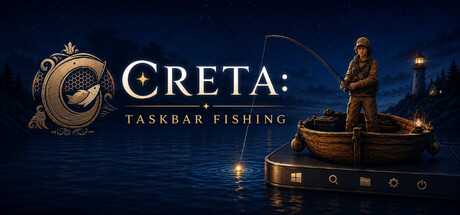
CRETA: Taskbar Fishing uses generative AI tools to assist with the creation of some visual and audio assets used in the game. AI was used as a supporting tool during development, while the game's design, gameplay systems, programming, and overall creative direction were created by the developer.
This game and its Steam store page contain pre-generated content created with assistance from generative AI tools. AI image generation was used for selected 2D pixel-art assets, which were then curated, edited, cleaned, resized, and integrated by the developer. AI and machine-assisted tools were also used to prepare initial drafts of localized interface text, store-page descriptions, and other marketing copy, followed by developer review and revision. The game does not generate content during play and does not connect to any generative AI service.
This game used AI generated content in early phases for help with game art. This content was later modified or changed completely to achieve the creative vision of the developer.
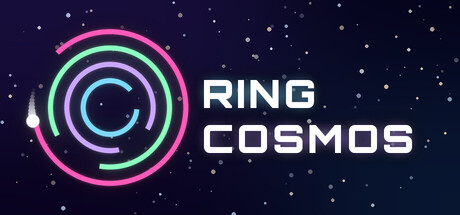
Ring Cosmos was developed by a solo developer with AI assistance during programming. The store page capsule images were also produced with AI assistance, generated programmatically through custom drawing code rather than image generation models. All game visuals are drawn in real time by the game's own rendering code. The soundtrack is licensed human-made music by JDSherbert. No AI content is generated while you play.
Generative AI tools were used during development to create base 3D assets and some store images. The menu artwork, along with all design, direction, scene construction, lighting, and writing, is my own. Dusky's Nook does not generate any content while you play and never connects to external AI services.
Some of the visual material for this game was created with the help of generative AI tools. Specifically, the opening cinematic and several of the promotional images on this store page were produced using AI-assisted image generation, followed by manual editing, compositing and art direction by our team. All gameplay, code, design and audio were created without generative AI.
The developer used AI assistance while drafting marketing copy for this game. All copy was directed, revised, and finalized by the developer. All in-game art, audio, and design are human-made.
Some 2D art in the game was created with the help of an AI pixel-art tool during development, specifically the application icons and and was hand-adjusted before shipping. The rest of the game's art, including all fish sprites and item icons, was made without AI.
Some plant artwork and store assets were created with AI-assisted tools and then manually reviewed, edited, and integrated into the game. DeskBloom does not generate AI images, text, audio, or other content during gameplay.
Generative AI tools were used to create visual concepts and initial drafts for most of the game's artwork. These drafts were used as references and starting points for the final pixel art assets, which were manually created, reviewed, edited, and refined by the developer before being included in the game or its marketing materials.
Generative AI tools were also used to assist with localization and the creation of some in-game names and text. All AI-assisted text was manually reviewed and edited by the developer before being included in the game.
The game does not use generative AI to create content during gameplay.
This game uses generative AI in a limited way. Some in-game and store-page text was drafted, edited, or partially translated with the help of an AI model, then reviewed, adapted, and finalized by the developer. None of the game's art, sprites, animation, music or sound is AI-generated.
Artificial intelligence was utilized in the programming phase of development. All other game content, including art, audio, and design, was created entirely by human effort.
Neverrest uses generative AI tools during development to assist with the creation of some pre-rendered 2D artwork and visual assets. All AI-assisted content is reviewed, edited, and integrated by the developer. The game does not generate AI content during gameplay.
Generative AI was used for deep game simulation to assist with designing difficulty curves and testing in game mathmatical calculations. It was also used for designing alternative UI Models for cosmetic changes.
Game Design, layout, original creations, music, sound, story, plots, etc. were Designed entirely by the Creator.
This game was developed with substantial help from generative AI: the pixel art (in-game art, capsules and icons), the code, much of the text, and the translations were produced with AI assistance and then reviewed, refined, and directed by the developer.
AI tools provided reference materials in development. All finished assets are manually adjusted by our team. No live AI content generates while playing.
The images in this game start from generative AI output and are then redrawn pixel by pixel by the developer. This covers equipment icons, character and enemy sprites, backgrounds, and the images on this store page.
The music was created with a generative AI music service under a commercial-use license.
The text is written in Japanese and machine-translated into other languages.
Generative AI tools were used during the development process exclusively to assist with programming, specifically for structuring GDScript code and debugging.
Petrivore uses AI-assisted tools in parts of its development: some icons and steam assets were made with AI image generation, the in-game text and steam page was translated with AI translation tools. All of it was reviewed and edited by the developer.
Tiny Knight and the Corrupted Crystal uses AI-generated music. All background music tracks were created with Suno, then edited, and mixed by the developer before being placed in the game.
During development, we used generative AI tools to transform early sketches and visual concepts into functional 2D game assets and visual materials that help define Cosmic Clicker’s identity. This included selected in-game assets, Steam store capsules, library artwork, icons, and key art.
The generated results were reviewed, selected, refined, and integrated to maintain consistency with the game’s established art direction.
Generative AI was used to create and refine some pre-generated visual assets, including the game logo and Steam store capsule artwork. All AI-assisted assets are reviewed, edited, and curated by the developer before inclusion. The game does not generate content during gameplay and does not connect to external AI services.
Some of the content shipping with this game was created using generative AI:
• Images: the title/loading screen, the store graphics (capsules) and the five faction portraits were generated with an image AI. • Audio: the title music, intro music, sector music tracks and the sound effects were created with AI tools. • Text: the store description was drafted with AI assistance.
All of this content was selected, reviewed and integrated by hand. Not AI-generated: the 3D world, the ships, stations and effects — those are built procedurally and in Blender. The source code was developed with AI assistance; we mention this for completeness, even though development tools are exempt from disclosure.
Guild Management Simulator began as an AI-assisted prototype. Generative AI tools were used during early development to assist with portions of programming, written game content, interface copy, design iteration, and the current Steam marketing artwork. All AI-assisted material is pre-generated and reviewed before inclusion. The game does not generate content while running, connect players to an AI service, or send player data to an AI system. The long-term goal is to replace AI-assisted material with original, developer-created work as the project is rebuilt in a dedicated game engine.
Most 2D art in this game — ships, enemies, bosses, icons and badges — was first created with AI image tools, then selected, edited and finalised by the developer. No AI is used during gameplay.
Generative AI was used as part of the development process to create and refine some pre-rendered 2D artwork, including icons, item and character sprites, backgrounds, UI elements, and marketing images. All AI-assisted assets were reviewed and curated by the developer before inclusion.
The use of third-party assets were also used in the creation which got refined.
No content is generated by AI during gameplay, and the game does not connect to any external AI services.
This game uses live generative AI to create text-based character dialogue, diaries, journey events, NPC conversations, and outcomes of player-directed interactions. Responses are generated from player-created character profiles, recent in-game memories, current objectives, and player messages. Relevant text context is sent to a third-party AI service to generate these responses. Generated content may vary between sessions and may occasionally produce unexpected results. AI is not used to generate executable code or modify files on the player's device.
This game uses generative AI to power the pet's dialogue system. Players can choose to enable AI chat and freely select a local model (running offline) or a cloud API (requires their own API key), or completely disable AI chat and use preset or custom dialogue instead. Every AI conversation is generated in real time.
Coin Cleaner is made by a solo developer with the help of AI tools. Generative AI was used during development to assist in creating some of the game's content - including artwork, music, sound effects, and code - all of which was directed, curated, and reviewed by the developer, and used with appropriate commercial licensing. All AI-assisted content is created ahead of time (pre-generated). The game does not use AI to generate any content or code during gameplay, and does not connect to any external AI service while you play.
This game used AI-assisted tools during development to help create parts of the Unity/C# code, and some music was created with AI-assisted music generation tools.
All AI-assisted code and AI-generated music were reviewed, edited, tested, and integrated by the developer.
The game does not generate code during gameplay and does not connect to external generative AI services while players are playing.
Some shipped visual assets, narrative text, localization, and store or marketing artwork were created or iterated with the assistance of generative AI tools. All output was selected, edited, reviewed, integrated, and tested by the developer. The game performs no live AI generation
and sends no player input or data to an AI service.
This game uses generative AI for some of its text content — achievement names and descriptions, story fragments, and flavor text were generated with AI assistance during development, along with parts of this store page. The game's art and sound are not AI-generated: every visual is procedural code (vector shapes, no images or bitmaps), and every sound is synthesized in real time — nothing recorded, nothing AI-generated.
CRETA: Taskbar Fishing uses generative AI tools to assist with the creation of some visual and audio assets used in the game. AI was used as a supporting tool during development, while the game's design, gameplay systems, programming, and overall creative direction were created by the developer.
This game and its Steam store page contain pre-generated content created with assistance from generative AI tools. AI image generation was used for selected 2D pixel-art assets, which were then curated, edited, cleaned, resized, and integrated by the developer. AI and machine-assisted tools were also used to prepare initial drafts of localized interface text, store-page descriptions, and other marketing copy, followed by developer review and revision. The game does not generate content during play and does not connect to any generative AI service.
This game used AI generated content in early phases for help with game art. This content was later modified or changed completely to achieve the creative vision of the developer.
Ring Cosmos was developed by a solo developer with AI assistance during programming. The store page capsule images were also produced with AI assistance, generated programmatically through custom drawing code rather than image generation models. All game visuals are drawn in real time by the game's own rendering code. The soundtrack is licensed human-made music by JDSherbert. No AI content is generated while you play.