Public Steam disclosure research25,380 disclosures tracked
Where do games disclose AI use?
Search developers’ Steam disclosures, compare classified AI use across
games, and follow recorded changes.
This index adds cross-game classifications and statistics to
statements published on individual store pages.
Groups reflect automatic analysis of public disclosures; mature records are excluded. These counts do not measure AI use across all of Steam.
Missing or unclear statements cannot establish whether a game uses AI.
This game uses generative AI tools during development to create some static 2D artwork, such as key art and promotional images. All AI-assisted images are manually selected, edited and adjusted by the developer before release.
The game itself does not call any AI services at runtime, and no in-game content, text, code or assets are generated by AI while playing.
This game was created with a combination of AI-assisted tools and original development work. Some art assets and portions of the code were generated with AI during development and are included as pre-generated content.
Generative AI was used in the prototyping stage to develop card art concept alternatives and communicate with human artists on our intentions for each finished piece. These images have all been replaced with human-created artwork.
AI is not used to live-generate content or code during gameplay.
All images and BGM in the game were generated using AI technology. This includes character designs, backgrounds, and various visual elements throughout the game. By leveraging AI, our goal was to create unique and visually appealing graphics that enhance the overall gaming experience. Additionally, the music was also generated by AI, contributing to the immersive and original atmosphere of the game.
We utilized generative AI tools to assist our human artists in the creation of certain graphic assets for the game. This primarily includes generating base concepts, textures, and background elements.
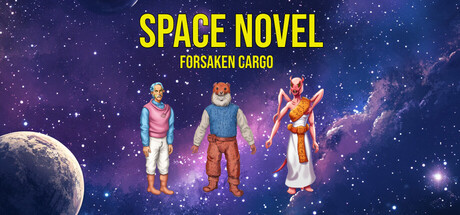
The development of this game was handled by a team of just two people. To create a rich and engaging visual novel despite our small size, we used artificial intelligence (AI) as an assistive tool. AI was involved in the initial generation of several elements, including background images, sound effects, and provided a base for editing the character sprites.
Every AI-generated asset was then carefully selected, thoroughly edited, and integrated by us to ensure it fits the game's style and delivers a consistent, high-quality experience. This approach allowed us to bring our idea to life efficiently.
We use AI tools to support various parts of our development process:
Coding assistance: AI helps streamline parts of the game development by suggesting or optimizing code.
Concept art: We collaborate with our artists to generate AI-assisted concept art, allowing us to iterate faster during early visual development.
Marketing: Occasionally, we use AI tools in combination with our VFX and music teams to create promotional videos.
Voice acting: We use AI-generated sample lines to guide voice actors during recording sessions and provide reference tone and pacing.
A part of references for artworks was generated using AI. Some music tracks, interface and environment sounds may contain samples generated by AI. There is no AI content in its unprocessed, "raw" form.
AI was used to create the images, but the character sprites were redrawn by artist, and the backgrounds were edited in a graphics editor. To create the music, AI was used as a reference, and then the composer created his tracks based on it.
This game uses generative AI tools for pre-rendered content only. Music was generated using Suno, and some system text and dialogues were created with assistance from GPT-based models. No live generation or AI content creation occurs during gameplay.
Some of the promotional and storefront images were created with AI tools and then refined by hand. All of the in-game assets were designed by a 3D artist.
AI-assisted tools were used during development to help generate early visual concepts and assets. These were then refined, reworked, and integrated by the developer to support the game’s atmosphere.
I utilized generative artificial intelligence (AI) tools during the development of this game. The specific applications are as follows:
Art & Visual Assets: Generative AI was used to create a portion of the in-game images, textures, and visual concept art. All such assets were subsequently refined and optimized manually.
Music & Sound Effects: Certain background music and audio assets were generated using AI tools to enhance the overall auditory experience.
Programming & Development: AI-generated code snippets were integrated into the development process, and AI tools were utilized to assist in code optimization and troubleshooting of game logic.
This project may contain minimum AI generated content such as 2D sprite & voice lines, etc. We try to hand make everything as much as possible but we are a small team and occasionally we do use AI generated content.
During the development of this game, we used generative AI tools to assist in creating two types of core content: first, game-related graphical materials, including capsule images required for store promotion (such as Header Capsule, Small Capsule, etc.), in-game scene illustrations, character design reference images, and other visual assets; second, game audio materials, including background music for scenes, operational interaction sound effects, and other musical content. All AI-generated materials have undergone screening, modification, and compliance review by the development team to ensure they meet Steam's graphical asset rules and content guidelines. The final presentation is highly consistent with the game's overall style and core gameplay, and does not involve any non-compliant or infringing content.
This game may include some visual art or background music created with generative AI tools for prototyping purposes. All assets were reviewed, edited, and curated by the developer, and to the best of our knowledge contain no copyrighted or protected third-party material. No user-generated or live AI content is created while the game is running.
All characters and key artwork in this work were created entirely by hand by human artists. AI tools were used solely as an auxiliary tool during the coloring of backgrounds and user interface elements, with only public-domain images used as references. All content was completed through lawful production processes and does not infringe any third party’s copyright or related rights.
Marketing materials, pre-rendered in-game visual effects, textures and materials for characters, props, and environments and translations are partly or completly AI-generated.
Generative AI helped me make this project from start to finish. It helped me write code, organize my work, stay focused, and build the art, sound, and design. Grammarly helped me polish my writing. Claude Code helped me repair code. ChatGPT helped me plan and think through systems and color. The Unity engine brought it all together. There is AI in this project, just as there is in almost every tool we all use today.
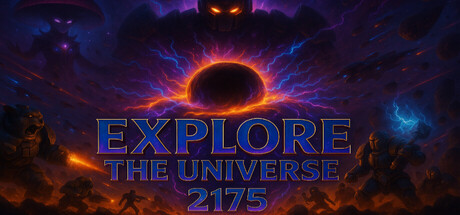
Explore the Universe 2175 uses AI in two distinct ways, and we want to be clear about both.
Real-time simulation (the core of the game). The galaxy is driven by a custom AI system we built ourselves. Faction behavior, MEGABOT's roaming strategy, enemy tactics, and the way wars unfold across sectors are all computed live in our own engine — not generated text or assets. This is procedural and rule-based simulation: the "intelligence" you fight against is real-time decision-making, the same category as the AI in any strategy game, just deeper.
Dialogue is human-written, scripted in advance.
Music and sound are human-created.
Some in-game entity visuals and animations are AI-generated (created during development, not dynamically while you play).
Some marketing and store-page images are AI-generated. Gameplay screenshots are authentic.
No AI-generated content is used to deceive players or misrepresent the game.
This game uses generative AI tools during development to create some static 2D artwork, such as key art and promotional images. All AI-assisted images are manually selected, edited and adjusted by the developer before release.
The game itself does not call any AI services at runtime, and no in-game content, text, code or assets are generated by AI while playing.
This game was created with a combination of AI-assisted tools and original development work. Some art assets and portions of the code were generated with AI during development and are included as pre-generated content.
Generative AI was used in the prototyping stage to develop card art concept alternatives and communicate with human artists on our intentions for each finished piece. These images have all been replaced with human-created artwork.
AI is not used to live-generate content or code during gameplay.
All images and BGM in the game were generated using AI technology. This includes character designs, backgrounds, and various visual elements throughout the game. By leveraging AI, our goal was to create unique and visually appealing graphics that enhance the overall gaming experience. Additionally, the music was also generated by AI, contributing to the immersive and original atmosphere of the game.
We utilized generative AI tools to assist our human artists in the creation of certain graphic assets for the game. This primarily includes generating base concepts, textures, and background elements.
The development of this game was handled by a team of just two people. To create a rich and engaging visual novel despite our small size, we used artificial intelligence (AI) as an assistive tool. AI was involved in the initial generation of several elements, including background images, sound effects, and provided a base for editing the character sprites.
Every AI-generated asset was then carefully selected, thoroughly edited, and integrated by us to ensure it fits the game's style and delivers a consistent, high-quality experience. This approach allowed us to bring our idea to life efficiently.
We use AI tools to support various parts of our development process:
Coding assistance: AI helps streamline parts of the game development by suggesting or optimizing code.
Concept art: We collaborate with our artists to generate AI-assisted concept art, allowing us to iterate faster during early visual development.
Marketing: Occasionally, we use AI tools in combination with our VFX and music teams to create promotional videos.
Voice acting: We use AI-generated sample lines to guide voice actors during recording sessions and provide reference tone and pacing.
A part of references for artworks was generated using AI. Some music tracks, interface and environment sounds may contain samples generated by AI. There is no AI content in its unprocessed, "raw" form.
AI was used to create the images, but the character sprites were redrawn by artist, and the backgrounds were edited in a graphics editor. To create the music, AI was used as a reference, and then the composer created his tracks based on it.
This game uses generative AI tools for pre-rendered content only. Music was generated using Suno, and some system text and dialogues were created with assistance from GPT-based models. No live generation or AI content creation occurs during gameplay.
Some of the promotional and storefront images were created with AI tools and then refined by hand. All of the in-game assets were designed by a 3D artist.
AI-assisted tools were used during development to help generate early visual concepts and assets. These were then refined, reworked, and integrated by the developer to support the game’s atmosphere.
I utilized generative artificial intelligence (AI) tools during the development of this game. The specific applications are as follows:
Art & Visual Assets: Generative AI was used to create a portion of the in-game images, textures, and visual concept art. All such assets were subsequently refined and optimized manually.
Music & Sound Effects: Certain background music and audio assets were generated using AI tools to enhance the overall auditory experience.
Programming & Development: AI-generated code snippets were integrated into the development process, and AI tools were utilized to assist in code optimization and troubleshooting of game logic.
This project may contain minimum AI generated content such as 2D sprite & voice lines, etc. We try to hand make everything as much as possible but we are a small team and occasionally we do use AI generated content.
During the development of this game, we used generative AI tools to assist in creating two types of core content: first, game-related graphical materials, including capsule images required for store promotion (such as Header Capsule, Small Capsule, etc.), in-game scene illustrations, character design reference images, and other visual assets; second, game audio materials, including background music for scenes, operational interaction sound effects, and other musical content. All AI-generated materials have undergone screening, modification, and compliance review by the development team to ensure they meet Steam's graphical asset rules and content guidelines. The final presentation is highly consistent with the game's overall style and core gameplay, and does not involve any non-compliant or infringing content.
This game may include some visual art or background music created with generative AI tools for prototyping purposes. All assets were reviewed, edited, and curated by the developer, and to the best of our knowledge contain no copyrighted or protected third-party material. No user-generated or live AI content is created while the game is running.
All characters and key artwork in this work were created entirely by hand by human artists. AI tools were used solely as an auxiliary tool during the coloring of backgrounds and user interface elements, with only public-domain images used as references. All content was completed through lawful production processes and does not infringe any third party’s copyright or related rights.
Marketing materials, pre-rendered in-game visual effects, textures and materials for characters, props, and environments and translations are partly or completly AI-generated.
Generative AI helped me make this project from start to finish. It helped me write code, organize my work, stay focused, and build the art, sound, and design. Grammarly helped me polish my writing. Claude Code helped me repair code. ChatGPT helped me plan and think through systems and color. The Unity engine brought it all together. There is AI in this project, just as there is in almost every tool we all use today.
Explore the Universe 2175 uses AI in two distinct ways, and we want to be clear about both.
Real-time simulation (the core of the game). The galaxy is driven by a custom AI system we built ourselves. Faction behavior, MEGABOT's roaming strategy, enemy tactics, and the way wars unfold across sectors are all computed live in our own engine — not generated text or assets. This is procedural and rule-based simulation: the "intelligence" you fight against is real-time decision-making, the same category as the AI in any strategy game, just deeper.
Dialogue is human-written, scripted in advance.
Music and sound are human-created.
Some in-game entity visuals and animations are AI-generated (created during development, not dynamically while you play).
Some marketing and store-page images are AI-generated. Gameplay screenshots are authentic.
No AI-generated content is used to deceive players or misrepresent the game.