Public Steam disclosure research25,380 disclosures tracked
Where do games disclose AI use?
Search developers’ Steam disclosures, compare classified AI use across
games, and follow recorded changes.
This index adds cross-game classifications and statistics to
statements published on individual store pages.
Groups reflect automatic analysis of public disclosures; mature records are excluded. These counts do not measure AI use across all of Steam.
Missing or unclear statements cannot establish whether a game uses AI.
Generative AI was used to assist with some artwork, writing, localization, and game development. All AI-assisted content was reviewed, edited, and refined by the developer before being included. The game does not use live generative AI to create content during gameplay.
Swirl Together contains a rotoscoping/masking model similar to Adobe’s roto brush, or Davinci Resolve's magic masking tool, and a depth-estimating model for colliders.
AI tools were used to assist in creating the game logo, marketing artwork, and some 2D in-game assets such as item icons and illustrations. All AI-generated content is pre-generated (nothing is generated at runtime) and was manually reviewed and edited. All 3D models, gameplay, code, and game design are hand-crafted.
This game contains AI-generated content, including images and audio.
All AI-generated content was pre-generated.
No generative AI is used during gameplay.
Generative AI technologies were utilized during the development and content creation process of our game. In addition to software development support, AI tools were used to draft in-game narratives, assist with localization, and generate store page descriptions. All AI-assisted content has been thoroughly reviewed, edited, and curated by the development team to ensure quality standards and compliance with copyright policies.
We use generative AI for text only: writing this store page and translating the game's in-game text into the supported languages. Everything else, including all art, animation and audio, is made by hand, and no content is generated while you play.
The game is primarily developed using Houdini, VEX and Godot. Generative AI assists with concept/reference artwork, initial 3D asset generation, and programming. Assets are further processed, optimized, rigged and animated in Houdini before integration into the game.
Generative AI was used to create selected store and library artwork, music, and sound-effect source material. The outputs were curated and edited by the developer before inclusion. No generative AI runs during gameplay, and players cannot generate AI content.
Standard C++ game code, written during development with the assistance of an AI programming assistant, used as a pair-programming tool. This includes gameplay systems (crafting, inventory, world simulation), rendering and UI code, and development tooling. It is ordinary, static game logic.
AI assistance was used only during development, directed by myself through specific requests, with every change reviewed, tested, and committed to version control by myself.
The shipped game contains no AI models and does not execute or generate any code or content via AI at runtime. The game is a fully offline, single-player experience.
SpaceBell was Agentically Engineered! The custom engine, game loop, and the entire process to make the game is documented on the studios' X page. Far from vibed, the game has been in active dev for 2yrs.
Generative AI has been used solely as a supporting tool to create some of the icons used for the character's abilities and upgrades, as well as to assist with translating the game's text into other languages.
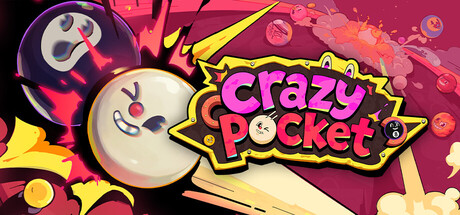
AI was only used to generate minimal resources to support ball and chalk design.
All AI-assisted content has been reviewed, and the final assets were manually drawn and retouched to fit the game's artistic style and atmosphere.
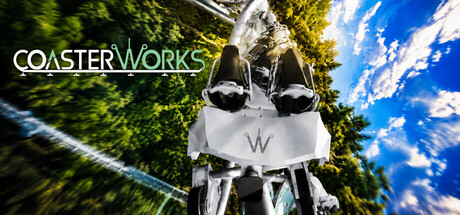
Generative AI tools were used to assist with portions of the game’s source code. All AI-assisted code was reviewed, modified, integrated and tested by the developer. The game’s models, artwork and other visual content were created or sourced separately and were not generated by AI. CoasterWorks does not generate AI content during gameplay or connect to external AI services.
The store page was translated into 30 languages using AI, from text written by the developer. Store and library images were assembled from artwork the developer made by hand. The game itself contains no AI-generated content, and nothing is generated by AI while you play.
As a small independent developer, obviously AI tools was used to assist in the development of this game, including working on graphical elements as well as writing code.
Generative AI was used to create some visual elements of the game's main menu and to assist with programming during development. Claude was used as a coding assistant to help write, review, and troubleshoot code.
Generative AI was used in a limited, supporting role during development:
• Portions of this store page description were drafted with the help of AI text tools and then reviewed and edited by the developer.
• A small number of icons (used on the store page) were created with the assistance of AI image generation tools and refined by the developer.
The game itself does not use generative AI at runtime.
AI tools were used during development to generate some of the visual assets (such as UI elements/background textures) and promotional/audio elements. All AI-generated content was reviewed, edited, and integrated manually into the game.
We used AI image-generation tools to help create some 2D art assets in the game, such as in-game banners, posters, and signage. All AI-assisted content was reviewed and edited by the developer.
The game's surface textures — the colour and relief maps applied to parts,
buildings, terrain and visual effects — and its sound effects were created
with generative AI tools during development. They are generated ahead of
time, reviewed and integrated by hand, and ship with the game as ordinary
image and audio files.
Nothing is generated while you play, and the game never connects to an AI
service.
The simulation itself — orbital mechanics, aerodynamics, the production chains — is written by hand.
The written text for Rikogol — this store page, its marketing copy and the game's in-game text — was drafted with AI assistance. No generative AI model produced any of the game's visuals or audio: everything you see in a match is drawn at runtime by our own code from plain geometric shapes, every sound effect is synthesised procedurally in code, and the store artwork comes from a deterministic drawing script. The game generates no content while you play and connects to no AI service.
Generative AI was used to create artwork for the in-game How to Play instructional image. All other game artwork and visual assets were created by the developer.
This game uses a few assets purchased from FAB which may or may not contain AI-generated content. I have personally done my best to scrub AI out of those few purchased assets. There are also two images and two short instrumentals, and that's it.
Some pre-rendered assets were created with the assistance of generative AI tools during development: the key art illustration, the store capsule images derived from it, and parts of the localization (translated interface text). All AI-assisted content was reviewed and curated by the developer. The game does not generate any content with AI at runtime.
Generative AI was used to create some temporary artwork for the Steam store page and related marketing materials while the game is still in production. These assets are reviewed and curated by the development team and WILL be replaced with final production artwork before release. Generative AI is not used to generate content during gameplay.
Generative AI was used as a creative tool to assist with parts of the artwork, code, and written content. All design choices, creative direction, edits, and final decisions were made by the human developer, with all AI-assisted work reviewed and refined before release.
All character sprites, enemy/boss artwork, backgrounds, effect images, UI icons and illustrations in this game were pre-generated using OpenAI's ChatGPT image generation, then curated and edited by the developer (background keying, trimming, animation assembly). All background music tracks were pre-generated using Google's Gemini music generation and curated by the developer. Sound effects are procedurally synthesized by the game's own code. Store page artwork (capsules, logo) was also pre-generated using ChatGPT. The game does not generate any AI content at runtime (no live-generated content).
During development, we used procedural and AI-assisted tools to analyze, merge, refine, and polish systems that were originally developed through years of our own experimentation, iteration, and hands-on exploration. These tools accelerated implementation and helped unify complex ideas beyond what would have been practical through manual development alone, while the underlying concepts, creative direction, design decisions, and final implementation remain the work of our development team.
Generative AI was used to assist with some artwork, writing, localization, and game development. All AI-assisted content was reviewed, edited, and refined by the developer before being included. The game does not use live generative AI to create content during gameplay.
Swirl Together contains a rotoscoping/masking model similar to Adobe’s roto brush, or Davinci Resolve's magic masking tool, and a depth-estimating model for colliders.
AI tools were used to assist in creating the game logo, marketing artwork, and some 2D in-game assets such as item icons and illustrations. All AI-generated content is pre-generated (nothing is generated at runtime) and was manually reviewed and edited. All 3D models, gameplay, code, and game design are hand-crafted.
This game contains AI-generated content, including images and audio.
All AI-generated content was pre-generated.
No generative AI is used during gameplay.
Generative AI technologies were utilized during the development and content creation process of our game. In addition to software development support, AI tools were used to draft in-game narratives, assist with localization, and generate store page descriptions. All AI-assisted content has been thoroughly reviewed, edited, and curated by the development team to ensure quality standards and compliance with copyright policies.
We use generative AI for text only: writing this store page and translating the game's in-game text into the supported languages. Everything else, including all art, animation and audio, is made by hand, and no content is generated while you play.
The game is primarily developed using Houdini, VEX and Godot. Generative AI assists with concept/reference artwork, initial 3D asset generation, and programming. Assets are further processed, optimized, rigged and animated in Houdini before integration into the game.
Generative AI was used to create selected store and library artwork, music, and sound-effect source material. The outputs were curated and edited by the developer before inclusion. No generative AI runs during gameplay, and players cannot generate AI content.
Standard C++ game code, written during development with the assistance of an AI programming assistant, used as a pair-programming tool. This includes gameplay systems (crafting, inventory, world simulation), rendering and UI code, and development tooling. It is ordinary, static game logic.
AI assistance was used only during development, directed by myself through specific requests, with every change reviewed, tested, and committed to version control by myself.
The shipped game contains no AI models and does not execute or generate any code or content via AI at runtime. The game is a fully offline, single-player experience.
SpaceBell was Agentically Engineered! The custom engine, game loop, and the entire process to make the game is documented on the studios' X page. Far from vibed, the game has been in active dev for 2yrs.
Generative AI has been used solely as a supporting tool to create some of the icons used for the character's abilities and upgrades, as well as to assist with translating the game's text into other languages.
AI was only used to generate minimal resources to support ball and chalk design.
All AI-assisted content has been reviewed, and the final assets were manually drawn and retouched to fit the game's artistic style and atmosphere.
Generative AI tools were used to assist with portions of the game’s source code. All AI-assisted code was reviewed, modified, integrated and tested by the developer. The game’s models, artwork and other visual content were created or sourced separately and were not generated by AI. CoasterWorks does not generate AI content during gameplay or connect to external AI services.
The store page was translated into 30 languages using AI, from text written by the developer. Store and library images were assembled from artwork the developer made by hand. The game itself contains no AI-generated content, and nothing is generated by AI while you play.
As a small independent developer, obviously AI tools was used to assist in the development of this game, including working on graphical elements as well as writing code.
Generative AI was used to create some visual elements of the game's main menu and to assist with programming during development. Claude was used as a coding assistant to help write, review, and troubleshoot code.
Generative AI was used in a limited, supporting role during development:
• Portions of this store page description were drafted with the help of AI text tools and then reviewed and edited by the developer.
• A small number of icons (used on the store page) were created with the assistance of AI image generation tools and refined by the developer.
The game itself does not use generative AI at runtime.
AI tools were used during development to generate some of the visual assets (such as UI elements/background textures) and promotional/audio elements. All AI-generated content was reviewed, edited, and integrated manually into the game.
We used AI image-generation tools to help create some 2D art assets in the game, such as in-game banners, posters, and signage. All AI-assisted content was reviewed and edited by the developer.
The game's surface textures — the colour and relief maps applied to parts,
buildings, terrain and visual effects — and its sound effects were created
with generative AI tools during development. They are generated ahead of
time, reviewed and integrated by hand, and ship with the game as ordinary
image and audio files.
Nothing is generated while you play, and the game never connects to an AI
service.
The simulation itself — orbital mechanics, aerodynamics, the production chains — is written by hand.
The written text for Rikogol — this store page, its marketing copy and the game's in-game text — was drafted with AI assistance. No generative AI model produced any of the game's visuals or audio: everything you see in a match is drawn at runtime by our own code from plain geometric shapes, every sound effect is synthesised procedurally in code, and the store artwork comes from a deterministic drawing script. The game generates no content while you play and connects to no AI service.
Generative AI was used to create artwork for the in-game How to Play instructional image. All other game artwork and visual assets were created by the developer.
This game uses a few assets purchased from FAB which may or may not contain AI-generated content. I have personally done my best to scrub AI out of those few purchased assets. There are also two images and two short instrumentals, and that's it.
Some pre-rendered assets were created with the assistance of generative AI tools during development: the key art illustration, the store capsule images derived from it, and parts of the localization (translated interface text). All AI-assisted content was reviewed and curated by the developer. The game does not generate any content with AI at runtime.
Generative AI was used to create some temporary artwork for the Steam store page and related marketing materials while the game is still in production. These assets are reviewed and curated by the development team and WILL be replaced with final production artwork before release. Generative AI is not used to generate content during gameplay.
Generative AI was used as a creative tool to assist with parts of the artwork, code, and written content. All design choices, creative direction, edits, and final decisions were made by the human developer, with all AI-assisted work reviewed and refined before release.
All character sprites, enemy/boss artwork, backgrounds, effect images, UI icons and illustrations in this game were pre-generated using OpenAI's ChatGPT image generation, then curated and edited by the developer (background keying, trimming, animation assembly). All background music tracks were pre-generated using Google's Gemini music generation and curated by the developer. Sound effects are procedurally synthesized by the game's own code. Store page artwork (capsules, logo) was also pre-generated using ChatGPT. The game does not generate any AI content at runtime (no live-generated content).
During development, we used procedural and AI-assisted tools to analyze, merge, refine, and polish systems that were originally developed through years of our own experimentation, iteration, and hands-on exploration. These tools accelerated implementation and helped unify complex ideas beyond what would have been practical through manual development alone, while the underlying concepts, creative direction, design decisions, and final implementation remain the work of our development team.