Public Steam disclosure research25,380 disclosures tracked
Where do games disclose AI use?
Search developers’ Steam disclosures, compare classified AI use across
games, and follow recorded changes.
This index adds cross-game classifications and statistics to
statements published on individual store pages.
Groups reflect automatic analysis of public disclosures; mature records are excluded. These counts do not measure AI use across all of Steam.
Missing or unclear statements cannot establish whether a game uses AI.
Generative AI was used as an assistive tool in preparing parts of the game’s Steam store presence and marketing materials. This includes some store page artwork and promotional assets, short and long descriptions, store metadata, and localized versions of these materials.
All AI-assisted content was reviewed, edited, and approved by the development team before publication. No content is generated by AI during gameplay.
Some visual assets in this game, including character designs, were initially
generated using AI image tools and subsequently refined and adapted by the developer.
All AI-generated visual assets (character designs, icons, screenshots/trailer materials,
etc.) are being fully replaced with hand-crafted or licensed content.
Generative AI tools were used during development to assist with debugging code, audio production, and the creation of some item and UI illustrations. AI-generated or AI-assisted content was reviewed and edited by the development team before being included in the final game.
Generative tools were used during development to assist with portions of the game's source code and to create or refine some visual assets and promotional artwork. All included content was reviewed and edited by the developer. The game does not generate content during gameplay.
In this game AI was used to generate a few abstract textures in 4th and 5th game worlds. Game's logo was also made partially with a help of image generation tooling.
Some of this game's assets were made with the assistance of generative AI tools and were reviewed, curated and hand-finished by the developer. No content is generated while you play.
Portions of the text and visual materials on this Steam store page were partially generated with AI tools. All AI-generated content has been fully reviewed, edited and polished by our development team.
Generative AI was used during development to assist with the creation of 2D concept art and background textures. The loading screen video is also made with generative AI. All final assets were manually edited and (if necessary) refined by the developer to match the game's art style.
Voice lines for the characters were generated using AI voice tools based on licensed models. The scripts were entirely written by humans, and the generated audio was manually edited where necessary.
Generative AI tools assisted with English Steam store-page copy, and were used to create pre-generated illustrative key art for Steam store capsules, library artwork, and the store-page background. All AI-assisted outputs are reviewed, edited, integrated, and tested by the developer. The artwork is promotional and is not presented as gameplay footage; screenshots and trailers are captured from the actual game. The game does not use generative AI at runtime or generate live player-facing content.
AI was used for localization, while being manually reviewed, and as a time-saving step in the development of some image and model assets, for retopology, concepting, and inbetweening.
The game contains no unmodified AI outputs.
RUSTCAN includes an optional live-generated AI guide called the Gnome. Players can ask the Gnome questions about gameplay, controls, progression, and the in-game world. The Gnome generates text responses at runtime through a server-side AI service.
Responses may be inaccurate and are provided for entertainment and gameplay guidance only. The Gnome does not provide professional, financial, medical, or legal advice.
Players access the feature after signing in, entering Hollow Pines, and selecting Ask the Gnome or speaking with the Gnome in town.
Requests require an authenticated RUSTCAN account and server-side application verification. Requests are rate-limited and monitored. Server-side input moderation blocks or flags severe illegal, exploitative, violent, self-harm, and other prohibited requests.
Generated replies are sanitized before display, and fallback responses are used when the AI service fails or produces no usable response. Players can report problems through the in-game bug/report tools.
Generative Al was used only to assist in creating two small decorative images displayed in picture frames in the game. All other game content, including the story, dialogue, gameplay, environments, assets, artwork, and promotional materials, was created by TommyXplore."
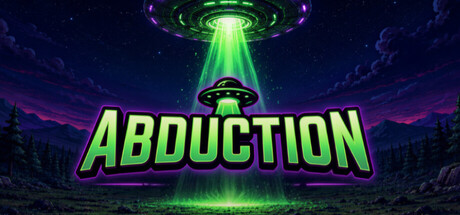
AI Generation Disclosure
Abduction uses generative AI in limited, supporting ways during development — for example, assisting with asset preparation such as converting custom font designs into usable game fonts. All core game design, systems, art direction, and content are created and reviewed by the developer. Generative AI is a tool in the pipeline, not a substitute for the creative work behind the game.
Some of the assets in this game were created with the help of generative AI tools: part of the background music and sound effects, some of the 2D images and textures used in the game and on the store page, some of the 3D models, and part of the source code. Every AI-assisted asset was reviewed and adjusted by the developer before it was included in the game, and we do not knowingly use material that infringes the rights of third parties. This game does not generate any content with AI while it is running; NPC dialogue is randomly selected from text written in advance by the developer.
During development we may use procedural and AI-based tools to assist with sound effects creation. The final result is always chosen and edited by the developer.
Some pre-generated visual assets were created with the assistance of generative AI tools during development, including selected skill icons, weapon icons, concept references and promotional art references. All final assets included in the game were reviewed, curated, edited where needed, and integrated by the development team to match the game’s art direction. The game does not use live-generated AI during gameplay.
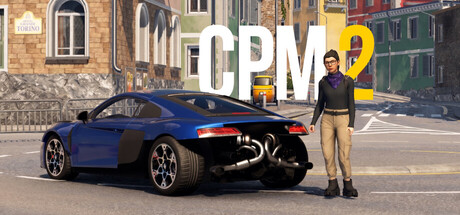
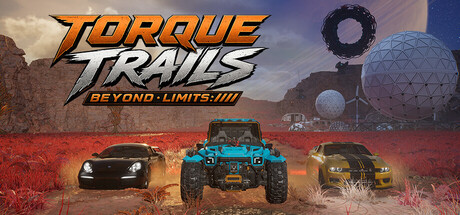
In game development, artificial intelligence is used solely as a supporting tool. We employ neural networks to enhance and refine 2D art (loading screens and promo banners) created using our in-game screenshots, after which they undergo manual color correction and artifact removal. AI also assists us with translating in-game text and generating the announcer's voice for racing modes. All key game elements, including 3D car models, tuning, and the open world, are created entirely by hand by our team.
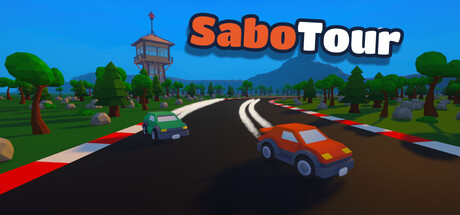
The observation tower model in SaboTour was initially created using an
AI-based 3D generation tool, then manually repaired, retopologized and
finished in Blender. No other AI-generated content is included, and the
game does not generate any content using AI while it is running.
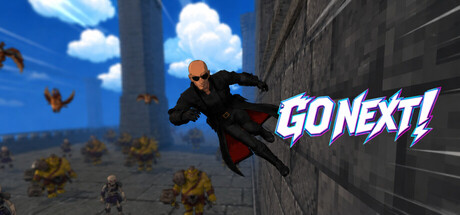
Used AI to over optimize the performance of the game as it is very painful to have 1000 monsters with real physics on your screen at the same time and 100 projectiles per seconds without turning your pc into an oven
Generative AI tools were used during development to assist with some pre-generated 2D artwork, text editing, localization, and development support. All AI-assisted content was reviewed, edited, and approved by the developer before being included. The game does not generate AI content during gameplay.
Pre-generated AI tools were used to create store page and marketing artwork (capsules, key art, banners, broadcast panels). No AI-generated content ships inside the game itself: all in-game visuals are built procedurally in code or come from CC0 asset kits. No live-generated AI content.
Generative AI technology is used in a supplementary capacity during the creation of some user interface assets.
Any such assets are replaced through our production pipeline by our art and development teams, ensuring they meet our quality standards and creative direction.
We use generative AI tools during the pre-production phase to create specific pre-rendered assets for the final game build. Specifically, AI assistance was utilized to generate elements of the instrumental soundtrack, ambient sound effects, and select minor environment/prop assets within the game world. No AI content is generated live or dynamically during gameplay, and all assets have been thoroughly reviewed to ensure they do not infringe on existing copyrights.
Generative AI tools were used during development to assist with portions of programming and to create selected pre-generated audio and visual assets. These include some character and commentator voice lines and branding artwork. All AI-assisted content was reviewed and integrated by the developer. No generative AI runs during gameplay, and no player input or personal data is sent to AI services.
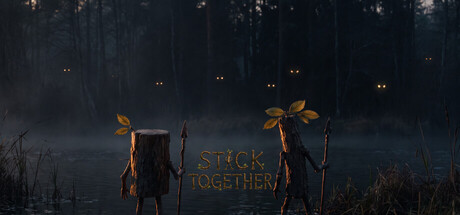
Some environment and concept art in Stick Together was created with the help of generative AI tools, then edited and approved by our team. All visuals are fixed at release, and players cannot generate their own AI content in‑game.
Some graphical elements of the user interface (menus, icons, and buttons), as well as store page assets (capsule images, header, and screenshots containing generated elements), were created with the assistance of generative AI tools and manually reviewed and edited by the developer
Some 3D assets in this game were created with the help of AI generation tools, then edited, retextured and integrated by hand. Parts of the written text, including store page copy and in-game text translations, were drafted with AI assistance and reviewed by the developer. No content is generated live while you play, and no AI-generated voice acting is used. Everything is created and checked before release.
Generative AI was used to assist in creating certain promotional artwork and the game's logo/title. These assets were manually edited, composited, and refined by the developer. All gameplay, code, vehicles, environments, UI, level design, and core game content were created manually by the developer.
AI is used only to generate elements for the trailer and promotional media. AI is not used in any part of the game itself, including gameplay, mechanics, or runtime systems.
Generative AI was used as an assistive tool in preparing parts of the game’s Steam store presence and marketing materials. This includes some store page artwork and promotional assets, short and long descriptions, store metadata, and localized versions of these materials.
All AI-assisted content was reviewed, edited, and approved by the development team before publication. No content is generated by AI during gameplay.
Some visual assets in this game, including character designs, were initially
generated using AI image tools and subsequently refined and adapted by the developer.
All AI-generated visual assets (character designs, icons, screenshots/trailer materials,
etc.) are being fully replaced with hand-crafted or licensed content.
Generative AI tools were used during development to assist with debugging code, audio production, and the creation of some item and UI illustrations. AI-generated or AI-assisted content was reviewed and edited by the development team before being included in the final game.
Generative tools were used during development to assist with portions of the game's source code and to create or refine some visual assets and promotional artwork. All included content was reviewed and edited by the developer. The game does not generate content during gameplay.
In this game AI was used to generate a few abstract textures in 4th and 5th game worlds. Game's logo was also made partially with a help of image generation tooling.
Some of this game's assets were made with the assistance of generative AI tools and were reviewed, curated and hand-finished by the developer. No content is generated while you play.
Portions of the text and visual materials on this Steam store page were partially generated with AI tools. All AI-generated content has been fully reviewed, edited and polished by our development team.
Generative AI was used during development to assist with the creation of 2D concept art and background textures. The loading screen video is also made with generative AI. All final assets were manually edited and (if necessary) refined by the developer to match the game's art style.
Voice lines for the characters were generated using AI voice tools based on licensed models. The scripts were entirely written by humans, and the generated audio was manually edited where necessary.
Generative AI tools assisted with English Steam store-page copy, and were used to create pre-generated illustrative key art for Steam store capsules, library artwork, and the store-page background. All AI-assisted outputs are reviewed, edited, integrated, and tested by the developer. The artwork is promotional and is not presented as gameplay footage; screenshots and trailers are captured from the actual game. The game does not use generative AI at runtime or generate live player-facing content.
AI was used for localization, while being manually reviewed, and as a time-saving step in the development of some image and model assets, for retopology, concepting, and inbetweening.
The game contains no unmodified AI outputs.
RUSTCAN includes an optional live-generated AI guide called the Gnome. Players can ask the Gnome questions about gameplay, controls, progression, and the in-game world. The Gnome generates text responses at runtime through a server-side AI service.
Responses may be inaccurate and are provided for entertainment and gameplay guidance only. The Gnome does not provide professional, financial, medical, or legal advice.
Players access the feature after signing in, entering Hollow Pines, and selecting Ask the Gnome or speaking with the Gnome in town.
Requests require an authenticated RUSTCAN account and server-side application verification. Requests are rate-limited and monitored. Server-side input moderation blocks or flags severe illegal, exploitative, violent, self-harm, and other prohibited requests.
Generated replies are sanitized before display, and fallback responses are used when the AI service fails or produces no usable response. Players can report problems through the in-game bug/report tools.
Generative Al was used only to assist in creating two small decorative images displayed in picture frames in the game. All other game content, including the story, dialogue, gameplay, environments, assets, artwork, and promotional materials, was created by TommyXplore."
AI Generation Disclosure
Abduction uses generative AI in limited, supporting ways during development — for example, assisting with asset preparation such as converting custom font designs into usable game fonts. All core game design, systems, art direction, and content are created and reviewed by the developer. Generative AI is a tool in the pipeline, not a substitute for the creative work behind the game.
Some of the assets in this game were created with the help of generative AI tools: part of the background music and sound effects, some of the 2D images and textures used in the game and on the store page, some of the 3D models, and part of the source code. Every AI-assisted asset was reviewed and adjusted by the developer before it was included in the game, and we do not knowingly use material that infringes the rights of third parties. This game does not generate any content with AI while it is running; NPC dialogue is randomly selected from text written in advance by the developer.
During development we may use procedural and AI-based tools to assist with sound effects creation. The final result is always chosen and edited by the developer.
Some pre-generated visual assets were created with the assistance of generative AI tools during development, including selected skill icons, weapon icons, concept references and promotional art references. All final assets included in the game were reviewed, curated, edited where needed, and integrated by the development team to match the game’s art direction. The game does not use live-generated AI during gameplay.
In game development, artificial intelligence is used solely as a supporting tool. We employ neural networks to enhance and refine 2D art (loading screens and promo banners) created using our in-game screenshots, after which they undergo manual color correction and artifact removal. AI also assists us with translating in-game text and generating the announcer's voice for racing modes. All key game elements, including 3D car models, tuning, and the open world, are created entirely by hand by our team.
The observation tower model in SaboTour was initially created using an
AI-based 3D generation tool, then manually repaired, retopologized and
finished in Blender. No other AI-generated content is included, and the
game does not generate any content using AI while it is running.
Used AI to over optimize the performance of the game as it is very painful to have 1000 monsters with real physics on your screen at the same time and 100 projectiles per seconds without turning your pc into an oven
Generative AI tools were used during development to assist with some pre-generated 2D artwork, text editing, localization, and development support. All AI-assisted content was reviewed, edited, and approved by the developer before being included. The game does not generate AI content during gameplay.
Pre-generated AI tools were used to create store page and marketing artwork (capsules, key art, banners, broadcast panels). No AI-generated content ships inside the game itself: all in-game visuals are built procedurally in code or come from CC0 asset kits. No live-generated AI content.
Generative AI technology is used in a supplementary capacity during the creation of some user interface assets.
Any such assets are replaced through our production pipeline by our art and development teams, ensuring they meet our quality standards and creative direction.
We use generative AI tools during the pre-production phase to create specific pre-rendered assets for the final game build. Specifically, AI assistance was utilized to generate elements of the instrumental soundtrack, ambient sound effects, and select minor environment/prop assets within the game world. No AI content is generated live or dynamically during gameplay, and all assets have been thoroughly reviewed to ensure they do not infringe on existing copyrights.
Generative AI tools were used during development to assist with portions of programming and to create selected pre-generated audio and visual assets. These include some character and commentator voice lines and branding artwork. All AI-assisted content was reviewed and integrated by the developer. No generative AI runs during gameplay, and no player input or personal data is sent to AI services.
Some environment and concept art in Stick Together was created with the help of generative AI tools, then edited and approved by our team. All visuals are fixed at release, and players cannot generate their own AI content in‑game.
Some graphical elements of the user interface (menus, icons, and buttons), as well as store page assets (capsule images, header, and screenshots containing generated elements), were created with the assistance of generative AI tools and manually reviewed and edited by the developer
Some 3D assets in this game were created with the help of AI generation tools, then edited, retextured and integrated by hand. Parts of the written text, including store page copy and in-game text translations, were drafted with AI assistance and reviewed by the developer. No content is generated live while you play, and no AI-generated voice acting is used. Everything is created and checked before release.
Generative AI was used to assist in creating certain promotional artwork and the game's logo/title. These assets were manually edited, composited, and refined by the developer. All gameplay, code, vehicles, environments, UI, level design, and core game content were created manually by the developer.
AI is used only to generate elements for the trailer and promotional media. AI is not used in any part of the game itself, including gameplay, mechanics, or runtime systems.