








Disclosure
I use AI coding assistant to polish and debug the code.
- Creator
- ShadowDev
- Reviews
- -
- Added
- Sep 15, 2026
Public Steam disclosure research 25,380 disclosures tracked
Search developers’ Steam disclosures, compare classified AI use across games, and follow recorded changes. This index adds cross-game classifications and statistics to statements published on individual store pages.
Code help, debugging and other development work.
Capsule art, trailers and promotional material.
Pre-made art, audio, writing and other game assets.
Interactive or runtime AI features disclosed by the developer.
Groups reflect automatic analysis of public disclosures; mature records are excluded. These counts do not measure AI use across all of Steam. Missing or unclear statements cannot establish whether a game uses AI.
I use AI coding assistant to polish and debug the code.
Generative AI tools were used during development to help produce some of the game's sprite art and to assist with translations for some of the supported languages. All AI-assisted content was reviewed and edited by the developer before being included in the game.
Usage of AI-assisted coding tools were used to help debug, and write some lengthy aspects of the game. But all creative work (art, animation, music, sound effects, and all writing and dialogue) is made by hand, without any generative AI whatsoever.
Some icons, UI elements and text were created with the help of AI tools during development, then reviewed and edited by hand. Nothing is generated while you play.
AI used for code, graphics, audio.
Generative AI tools were used during development to create artwork, logos, and promotional images.
Some of this game's audio was created with generative AI tools.
AI has been used to help develop the game's cover art.
This game uses some pre-generated content created with generative AI tools. It does not use generative AI to generate content in real time in response to player actions. Artwork Generative AI tools were used to create some in-game graphics, as well as images for the Steam store page and promotional and marketing materials. Generated assets are reviewed by the developer and edited or adjusted when necessary. Some assets are used without additional editing. Translation AI tools are used to assist with translation and localization for some languages other than Japanese. Translations are reviewed and corrected by the developer.
Valdrys uses AI-generated content in one place: the login screen background, a single static image of a moonlit ridge over a conifer forest, generated with Google Gemini. It does not appear in gameplay. Everything else in the game is hand-drawn, generated procedurally by our own tools, or licensed from third-party artists under CC0, CC-BY or commercial licences. All of it is credited on the in-game Credits screen. Parts of the game's code were written with the help of an AI coding assistant. No AI-generated art, audio or written content ships in Valdrys beyond the single background image described above. Nothing in Valdrys generates content while the game is running.
The images, music, and animation content in the game were created using AI.
Generative AI tools were used as development aids to help draft and iterate on portions of the game’s code, written content, and Steam store description. All AI-assisted material was reviewed, modified, and approved by the developer. The game does not use live-generated AI during gameplay.
Card illustrations, portraits, faction banners and store capsule artwork were created with generative AI image tools, then curated, edited and integrated by the developer. All game design, rules, card text, writing and music selection are human-made. No AI-generated content is produced at runtime.
Some non-interactive artwork was created with generative AI (Midjourney): the main menu, research, and codex background illustrations, the introduction portrait, and store capsule art derived from those illustrations.
Generative AI was used to create musical compositions for fictional K-pop groups. All such content was created in advance; the AI does not generate new content during gameplay.
Parts of the content that ships with Nightfall were created with the help of generative AI tools. Artwork: the main menu illustration, the six hero portraits, and the four boss portraits. Music: all five soundtrack tracks were generated with Suno. This content was reviewed and selected by us before release. All in-game sprites, tilesets, animations, visual effects and user-interface art are licensed, human-made assets. No content is generated by AI while the game is running.
AI was used to assist with artwork as I am a solo dev with a very limited budget, however all final assets integrated into the game were manually refined and processed. All instances of AI will be removed as sales open up
Some of the content in this game was created with the help of generative AI tools. This includes parts of the visual assets (icons, textures and UI images), some audio (music and sound effects), parts of the in-game text (item descriptions, dialogue and story text), and the translations of the game's text into other languages. All of this content was generated during development, then reviewed, edited and assembled by hand before being included in the game. The game itself does not generate any content with AI while you play, and it does not send any player data to AI services.
Generative AI was used to assist with bug fixes, text editing, and portions of the game's music. Generative AI was not used for the game's direction, art direction, or gameplay mechanics.
Generative AI was used for some store pageimages, store page localization and translation, as well as some in-game art assets, localization, translation, and music.
Used AI to generate some icons. Used AI to perform translations into non-Chinese languages.
I've been using Generative AI tools as part of development for things like programming assistance, troubleshooting, research, brainstorming, and some concept exploration. ECHO//syntax is a work of mechanics made from love of the beat-em-up genre from CHROMAGEM. It is designed, directed, assembled, tested, and curated by me. I make the first and final decisions on the game's mechanics, characters, levels, visual direction, and overall design. As a designer that's looking to get a particular feel and experience with this game, I'm looking through and making sure you're getting a good game to play and enjoy.
Generative AI tools were used during development to help create character artwork, menu backgrounds, some 3D assets, and pre-rendered cinematic videos. AI-assisted tools were also used for programming and debugging. These assets are prepared before release and incorporated into the game.
About Generative AI Content We want to be transparent with our players about how AI was used during the development of this game: Visual Art: Certain visual assets and background elements in this game were created with the assistance of generative AI tools, then reviewed and integrated by our team. Code & Development: We utilized AI-powered coding assistant and large language models to help prototype, write, and optimize parts of the game's code to speed up development efficiency. All AI-generated outputs shipped to players have been curated to ensure they meet our quality standards for your experience.
Generative AI was used to assist in creating store promotional artwork, drafting artwork descriptions, and translating interface and notebook text. The paintings used as puzzles are existing historical artworks, not AI-generated images. The game does not generate AI content during gameplay or connect to external AI services.
CyberSprawl: Survivors contains pre-generated visual art, written content, sound effects, and other assets created or assisted with generative AI tools, then curated and integrated by the development team. Generative AI also assists development, including code. No AI generates content during gameplay, and the game does not connect to external AI services while you play.
Some store visuals (capsule art) were created using AI image generation tools. Game text translations for languages other than English/Turkish were done with the assistance of AI translation and manual review. Cutscenes and the visual slides featuring dialogue were created with the assistance of AI.
Generative AI was used to help draft some in-game text and Steam store / marketing copy. Selected upgrade card icons were purchased as AI-generated assets and then manually edited. All AI-assisted content is reviewed by the developer before shipping.
Some of this game's content was created with the assistance of generative AI tools during development: portions of the game's code, some text, and music tracks, and is reviewed by the developer before shipping. The game does not generate AI content at runtime.
Vectorline uses on-device AI for its optional voice features. When you speak commands to aircraft, a local speech-recognition model transcribes your voice into ATC instructions. Pilot and controller radio readbacks are spoken aloud using a local neural text-to-speech model. Both models run entirely on your own machine — no audio, text, or data is ever sent to an external server, and no internet connection is required for these features. The spoken content is limited to standard air-traffic-control phraseology generated by the simulator itself. You can disable these features in the settings without impacting gameplay.
Some character, enemy, and environment sprites in this game were created with the assistance of AI image generation tools during development. All AI-generated content was reviewed and edited by the developers before inclusion.
I use Bezi, an AI coding tool for Unity to help develop some of the more complicated algorithms used in pathfinding and enemy AI. I review all generated code used in the game and make modifications when necessary.
Pre-generated AI artwork was used for characters, enemies, bosses, environments, interface icons, and store and promotional artwork. These assets were selected, edited, and integrated during development. The game does not generate AI content during play or connect to external AI services.
Generative AI was used to draft text only: the in-game interface strings, the achievement names and descriptions, their translations into 13 non-English languages, and this store page. All of it was reviewed and edited by the developer before release. No AI-generated images, audio or video are used. This game ships with no image or audio files at all — every shape, sound and note is produced by the game's own code at run time. Nothing is generated while you play. The game makes no network calls and contacts no AI service.
Some Sprites, UI art and sound effects are AI-generated from written prompts, then hand-edited. Nothing is generated at runtime.
Some marketing artwork for the store page (the capsule's sky, city backdrop, rain and lettering layers) was produced with generative image tools (OpenAI image generation, Google Gemini) and then composited and edited by hand. A few placeholder textures currently in the build (the city seen through the office window and its signs, and the sample sheets in the customization menu) were AI-generated and are scheduled to be replaced with licensed or hand-made art before release. AI coding and writing assistants were used during development for parts of the source code, documentation and drafts of store text; all game rules, design decisions and final art direction are the developer's own. The game does not generate content with AI at runtime.
Pre-generated AI content: TROPHY FLEET's visual assets and its synthetic character voice performances were produced using AI image and voice generation as a starting point during development. Every generated asset was then selected, chroma-keyed against a solid key background, retouched, resized and hand-aligned by the developer before shipping. Boss artwork is collision-aligned to gameplay: each visible weak point on a boss sprite corresponds to an actual targetable hitbox at that exact position. Source masters and shipped runtime assets are both retained in the project repository. The soundtrack is not AI-generated. It consists of 39 CC0-licensed music tracks, curated per world and normalized to -16 LUFS, with full attribution shipped in the game's THIRD_PARTY_NOTICES file. All game design, code, level authoring, enemy behaviour, boss mechanics and balance systems are the developer's own work. The game generates no content while it is running. It sends no player data or prompts to any AI service or any other service, requires no network connection, and functions fully offline.
Generative AI tools were used during development to create and refine some pre-generated visual and other game assets. All AI-assisted content was reviewed and edited by the developer before being included in the game. No AI content is generated during gameplay.
Contains code written with AI assistance (like probably every other game out there by now since it's impossible to even use Google without using AI).
Some of the game's artwork was created with the assistance of generative AI during development.
Jumpshot uses some AI-assisted tools during development.
Pre-generated content only. No AI runs while the game is played. Some monster and boss sprites were generated with PixelLab (an AI pixel-art tool) and then hand-edited, cut into animation strips and cleaned up by the developer. A few background art pieces, such as arcade machine sheets and map-card thumbnails, were generated with Google Gemini and then reworked by hand. The music soundtrack was generated with Suno on a paid licence. Some store page art may be based on these assets. All gameplay code, the level design, the rest of the sprite art, UI, sound effects and all text were made by the developer without generative AI. The game does not generate any content at runtime.
Ai tools have been used as part of production, with none used directly as final art.
The background music in the game was created with the assistance of generative AI tools.
Some of the card artwork in this game is created with the assistance of generative AI tools, and then reviewed and refined by the developer.
Generative AI was used during development to create and refine some 2D visual assets, Steam store artwork, trailer imagery, and localization drafts. All output was reviewed and edited by the developer before inclusion. The game does not generate AI content during play and does not connect to external AI services.
Neon Bastion uses pre-generated AI-assisted artwork and some written game/interface text. All content was reviewed and integrated by the developer. No AI content is generated during gameplay.
Store marketing images (Steam capsule art — header, main, small, and vertical capsules) were created with AI image generation tools and then edited/reviewed by the development team. In-game screenshots and gameplay footage represent the actual game.
Used to speed up coding and improve performance.
This game uses AI-assisted tools in the development of certain in-game visuals and assets. Additionally, AI tools were used to assist in the localization and translation of in-game text content. All AI-generated content has been reviewed and edited by the development team. No AI is used to generate content during gameplay, and the game does not connect to any external AI services at runtime.
| Title⇅ | Disclosure | Creator⇅ | Src | Reviews⇅ | Added↓ |
|---|---|---|---|---|---|
 RemoteSpace: First Settlement Dev only code | I use AI coding assistant to polish and debug the code. | ShadowDev | - | Sep 15, 2026 | |
 Garden of the Dead In-game content arttext | Generative AI tools were used during development to help produce some of the game's sprite art and to assist with translations for some of the supported languages. All AI-assisted content was reviewed and edited by the developer before being included in the game. | Lungu Daniel | - | Sep 15, 2026 | |
 Doug's Playground Dev only code | Usage of AI-assisted coding tools were used to help debug, and write some lengthy aspects of the game. But all creative work (art, animation, music, sound effects, and all writing and dialogue) is made by hand, without any generative AI whatsoever. | Mercury Media | - | Sep 15, 2026 | |
 One Pixel In-game content arttext | Some icons, UI elements and text were created with the help of AI tools during development, then reviewed and edited by hand. Nothing is generated while you play. | Andret2344 | - | Sep 15, 2026 | |
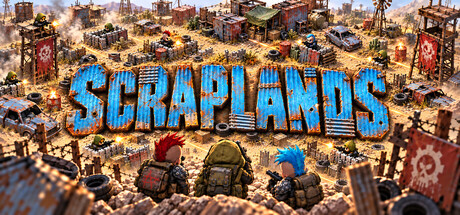 Scraplands In-game content artaudiocode | AI used for code, graphics, audio. | Quad Pixel | - | Sep 15, 2026 | |
 Approved! A Quiet Day of Paperwork Store/marketing art | Generative AI tools were used during development to create artwork, logos, and promotional images. | Approved! | - | Sep 15, 2026 | |
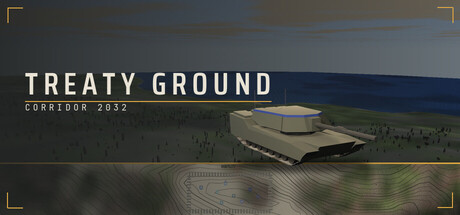 Treaty Ground: Corridor 2032 In-game content audio | Some of this game's audio was created with generative AI tools. | https://chillnowllc.com | - | Sep 15, 2026 | |
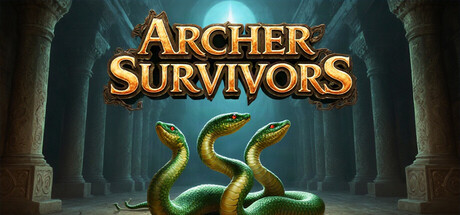 Archer Survivors Store/marketing art | AI has been used to help develop the game's cover art. | Hard Shark Games | - | Sep 15, 2026 | |
 Black & White in Balance In-game content arttext | This game uses some pre-generated content created with generative AI tools. It does not use generative AI to generate content in real time in response to player actions.
Artwork
Generative AI tools were used to create some in-game graphics, as well as images for the Steam store page and promotional and marketing materials. Generated assets are reviewed by the developer and edited or adjusted when necessary. Some assets are used without additional editing.
Translation
AI tools are used to assist with translation and localization for some languages other than Japanese. Translations are reviewed and corrected by the developer. | Indie Heart Games | - | Sep 15, 2026 | |
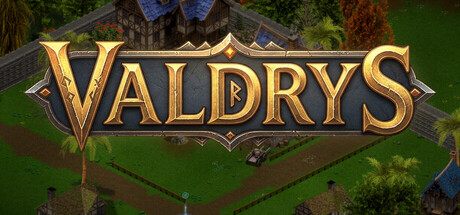 Valdrys Store/marketing artcode | Valdrys uses AI-generated content in one place: the login screen
background, a single static image of a moonlit ridge over a conifer
forest, generated with Google Gemini. It does not appear in gameplay.
Everything else in the game is hand-drawn, generated procedurally by
our own tools, or licensed from third-party artists under CC0, CC-BY
or commercial licences. All of it is credited on the in-game Credits
screen.
Parts of the game's code were written with the help of an AI coding
assistant. No AI-generated art, audio or written content ships in
Valdrys beyond the single background image described above.
Nothing in Valdrys generates content while the game is running. | Valdrys Games | - | Sep 15, 2026 | |
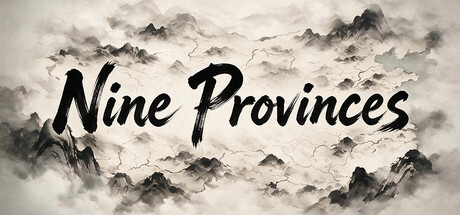 九州 In-game content artaudio | The images, music, and animation content in the game were created using AI. | FangXueHui | - | Sep 15, 2026 | |
 Roulette Strategy Research Lab Dev only codetext | Generative AI tools were used as development aids to help draft and iterate on portions of the game’s code, written content, and Steam store description. All AI-assisted material was reviewed, modified, and approved by the developer. The game does not use live-generated AI during gameplay. | MadIrish Studios | - | Sep 15, 2026 | |
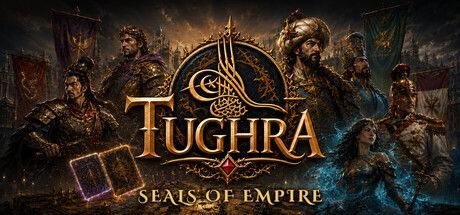 Tughra: Seals of Empire In-game content arttext | Card illustrations, portraits, faction banners and store capsule artwork were created with generative AI image tools, then curated, edited and integrated by the developer. All game design, rules, card text, writing and music selection are human-made. No AI-generated content is produced at runtime. | Nine Gates Studio | - | Sep 15, 2026 | |
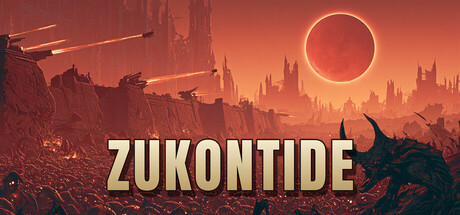 Zukontide In-game content art | Some non-interactive artwork was created with generative AI (Midjourney): the main menu, research, and codex background illustrations, the introduction portrait, and store capsule art derived from those illustrations. | Sindre | - | Sep 15, 2026 | |
 Kipopy: Photocard Collector In-game content audio | Generative AI was used to create musical compositions for fictional K-pop groups. All such content was created in advance; the AI does not generate new content during gameplay. | Kipopy | - | Sep 15, 2026 | |
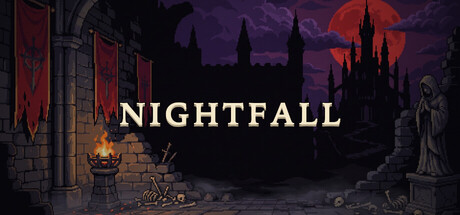 Nightfall In-game content artaudio | Parts of the content that ships with Nightfall were created with the help of generative AI tools. Artwork: the main menu illustration, the six hero portraits, and the four boss portraits. Music: all five soundtrack tracks were generated with Suno. This content was reviewed and selected by us before release. All in-game sprites, tilesets, animations, visual effects and user-interface art are licensed, human-made assets. No content is generated by AI while the game is running. | Percifali | - | Sep 15, 2026 | |
 Dugout Dice In-game content art | AI was used to assist with artwork as I am a solo dev with a very limited budget, however all final assets integrated into the game were manually refined and processed. All instances of AI will be removed as sales open up | Clint Graves | - | Sep 15, 2026 | |
 Warpscape In-game content artaudiotext | Some of the content in this game was created with the help of generative AI tools.
This includes parts of the visual assets (icons, textures and UI images), some audio
(music and sound effects), parts of the in-game text (item descriptions, dialogue and
story text), and the translations of the game's text into other languages.
All of this content was generated during development, then reviewed, edited and
assembled by hand before being included in the game. The game itself does not generate
any content with AI while you play, and it does not send any player data to AI services. | Yevhenii Mykhailichenko | - | Sep 15, 2026 | |
 Paper Planes In-game content textaudio | Generative AI was used to assist with bug fixes, text editing, and portions of the game's music. Generative AI was not used for the game's direction, art direction, or gameplay mechanics. | Holly Gaming Studios | - | Sep 15, 2026 | |
 Zombie Horde Survivors In-game content arttextaudio | Generative AI was used for some store pageimages, store page localization and translation, as well as some in-game art assets, localization, translation, and music. | Frozen Pear Games | - | Sep 15, 2026 | |
 Shapolor In-game content arttext | Used AI to generate some icons.
Used AI to perform translations into non-Chinese languages. | RumL | - | Sep 14, 2026 | |
 ECHO//syntax Dev only code | I've been using Generative AI tools as part of development for things like programming assistance, troubleshooting, research, brainstorming, and some concept exploration.
ECHO//syntax is a work of mechanics made from love of the beat-em-up genre from CHROMAGEM. It is designed, directed, assembled, tested, and curated by me. I make the first and final decisions on the game's mechanics, characters, levels, visual direction, and overall design.
As a designer that's looking to get a particular feel and experience with this game, I'm looking through and making sure you're getting a good game to play and enjoy. | CHROMAGEM Games | - | Sep 14, 2026 | |
 Power Showdown In-game content artcode | Generative AI tools were used during development to help create character artwork, menu backgrounds, some 3D assets, and pre-rendered cinematic videos. AI-assisted tools were also used for programming and debugging. These assets are prepared before release and incorporated into the game. | Chad Stewart | - | Sep 13, 2026 | |
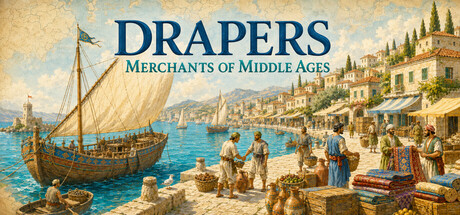 Drapers: Merchants of Middle Ages In-game content artcode | About Generative AI Content
We want to be transparent with our players about how AI was used during the development of this game:
Visual Art: Certain visual assets and background elements in this game were created with the assistance of generative AI tools, then reviewed and integrated by our team.
Code & Development: We utilized AI-powered coding assistant and large language models to help prototype, write, and optimize parts of the game's code to speed up development efficiency.
All AI-generated outputs shipped to players have been curated to ensure they meet our quality standards for your experience. | Tiltan Games | - | Sep 13, 2026 | |
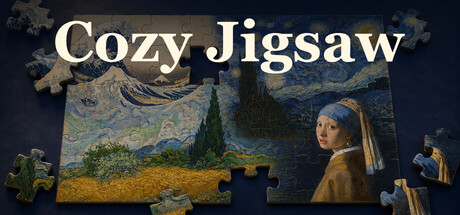 Cozy Jigsaw Store/marketing arttext | Generative AI was used to assist in creating store promotional artwork, drafting artwork descriptions, and translating interface and notebook text. The paintings used as puzzles are existing historical artworks, not AI-generated images. The game does not generate AI content during gameplay or connect to external AI services. | LiliVale | - | Sep 13, 2026 | |
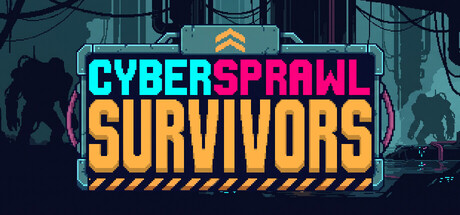 CyberSprawl: Survivors In-game content arttextaudiocode | CyberSprawl: Survivors contains pre-generated visual art, written content, sound effects, and other assets created or assisted with generative AI tools, then curated and integrated by the development team. Generative AI also assists development, including code. No AI generates content during gameplay, and the game does not connect to external AI services while you play. | CyberSprawl Studios | - | Sep 13, 2026 | |
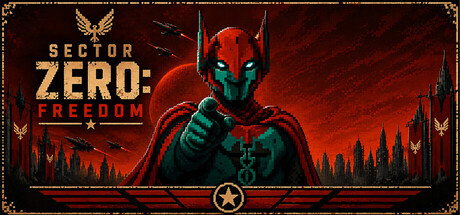 Sector Zero: Freedom In-game content arttext | Some store visuals (capsule art) were created using AI image generation tools.
Game text translations for languages other than English/Turkish were done with the assistance of AI translation and manual review.
Cutscenes and the visual slides featuring dialogue were created with the assistance of AI. | Shift Orbit Games | - | Sep 13, 2026 | |
 Riftmaw In-game content textart | Generative AI was used to help draft some in-game text and Steam store / marketing copy. Selected upgrade card icons were purchased as AI-generated assets and then manually edited. All AI-assisted content is reviewed by the developer before shipping. | Angersh | - | Sep 13, 2026 | |
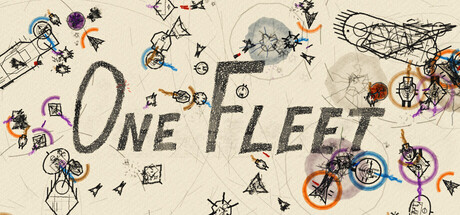 ONE FLEET In-game content arttextaudio | Some of this game's content was created with the assistance of generative AI tools during development: portions of the game's code, some text, and music tracks, and is reviewed by the developer before shipping. The game does not generate AI content at runtime. | LuckyLion | - | Sep 13, 2026 | |
 Vectorline: Air Traffic Control Simulator Live AI audiotext | Vectorline uses on-device AI for its optional voice features. When you speak commands to aircraft, a local speech-recognition model transcribes your voice into ATC instructions. Pilot and controller radio readbacks are spoken aloud using a local neural text-to-speech model. Both models run entirely on your own machine — no audio, text, or data is ever sent to an external server, and no internet connection is required for these features. The spoken content is limited to standard air-traffic-control phraseology generated by the simulator itself.
You can disable these features in the settings without impacting gameplay. | Axonos Games | - | Sep 13, 2026 | |
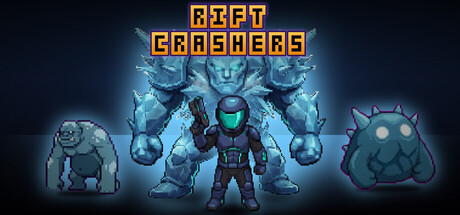 Rift Crashers In-game content art | Some character, enemy, and environment sprites in this game were created with the assistance of AI image generation tools during development. All AI-generated content was reviewed and edited by the developers before inclusion. | Tethered Rifts Studio, LLC | - | Sep 13, 2026 | |
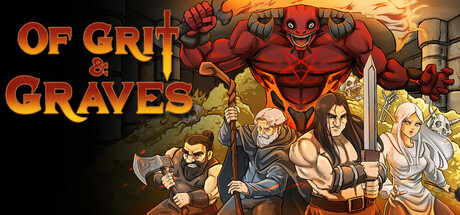 Of Grit & Graves Dev only code | I use Bezi, an AI coding tool for Unity to help develop some of the more complicated algorithms used in pathfinding and enemy AI. I review all generated code used in the game and make modifications when necessary. | Melted Monster Game Studio LLC | - | Sep 13, 2026 | |
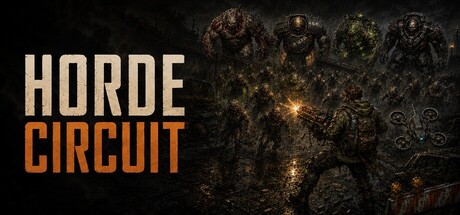 Horde Circuit In-game content art | Pre-generated AI artwork was used for characters, enemies, bosses, environments, interface icons, and store and promotional artwork. These assets were selected, edited, and integrated during development. The game does not generate AI content during play or connect to external AI services. | Mod Goblin Studio | - | Sep 12, 2026 | |
 THERMAL RUNAWAY In-game content text | Generative AI was used to draft text only: the in-game interface strings, the achievement names and descriptions, their translations into 13 non-English languages, and this store page. All of it was reviewed and edited by the developer before release.
No AI-generated images, audio or video are used. This game ships with no image or audio files at all — every shape, sound and note is produced by the game's own code at run time.
Nothing is generated while you play. The game makes no network calls and contacts no AI service. | Alexframe | - | Sep 12, 2026 | |
 PLEASE STOP THE RAIN In-game content artaudio | Some Sprites, UI art and sound effects are AI-generated from written prompts, then hand-edited. Nothing is generated at runtime. | Missroot | - | Sep 12, 2026 | |
 Par Under Review In-game content arttextcode | Some marketing artwork for the store page (the capsule's sky, city backdrop, rain and lettering layers) was produced with generative image tools (OpenAI image generation, Google Gemini) and then composited and edited by hand. A few placeholder textures currently in the build (the city seen through the office window and its signs, and the sample sheets in the customization menu) were AI-generated and are scheduled to be replaced with licensed or hand-made art before release. AI coding and writing assistants were used during development for parts of the source code, documentation and drafts of store text; all game rules, design decisions and final art direction are the developer's own. The game does not generate content with AI at runtime. | Minor Planet Games | - | Sep 12, 2026 | |
 TROPHY FLEET In-game content artaudio | Pre-generated AI content: TROPHY FLEET's visual assets and its synthetic character voice performances were produced using AI image and voice generation as a starting point during development. Every generated asset was then selected, chroma-keyed against a solid key background, retouched, resized and hand-aligned by the developer before shipping. Boss artwork is collision-aligned to gameplay: each visible weak point on a boss sprite corresponds to an actual targetable hitbox at that exact position. Source masters and shipped runtime assets are both retained in the project repository.
The soundtrack is not AI-generated. It consists of 39 CC0-licensed music tracks, curated per world and normalized to -16 LUFS, with full attribution shipped in the game's THIRD_PARTY_NOTICES file.
All game design, code, level authoring, enemy behaviour, boss mechanics and balance systems are the developer's own work.
The game generates no content while it is running. It sends no player data or prompts to any AI service or any other service, requires no network connection, and functions fully offline. | Windvix Games | - | Sep 12, 2026 | |
 SET THEM UP In-game content art | Generative AI tools were used during development to create and refine some pre-generated visual and other game assets. All AI-assisted content was reviewed and edited by the developer before being included in the game. No AI content is generated during gameplay. | Grabanc Games | - | Sep 12, 2026 | |
 Fortress Full Fury Dev only code | Contains code written with AI assistance (like probably every other game out there by now since it's impossible to even use Google without using AI). | kerntief | - | Sep 12, 2026 | |
 Forest Explorer In-game content art | Some of the game's artwork was created with the assistance of generative AI during development. | Mori Eating | - | Sep 12, 2026 | |
 Jumpshot Dev only | Jumpshot uses some AI-assisted tools during development. | Jack Wilds | - | Sep 12, 2026 | |
 Sigma Survivor In-game content artaudiotext | Pre-generated content only. No AI runs while the game is played.
Some monster and boss sprites were generated with PixelLab (an AI pixel-art tool) and then hand-edited, cut into animation strips and cleaned up by the developer. A few background art pieces, such as arcade machine sheets and map-card thumbnails, were generated with Google Gemini and then reworked by hand. The music soundtrack was generated with Suno on a paid licence. Some store page art may be based on these assets.
All gameplay code, the level design, the rest of the sprite art, UI, sound effects and all text were made by the developer without generative AI. The game does not generate any content at runtime. | Pixelgore | - | Sep 12, 2026 | |
 Guilded Fools Dev only art | Ai tools have been used as part of production, with none used directly as final art. | toyari | - | Sep 12, 2026 | |
 Potion Nook In-game content audio | The background music in the game was created with the assistance of generative AI tools. | Ranthia | - | Sep 12, 2026 | |
 Evons In-game content art | Some of the card artwork in this game is created with the assistance of generative AI tools, and then reviewed and refined by the developer. | Evons Games | - | Sep 12, 2026 | |
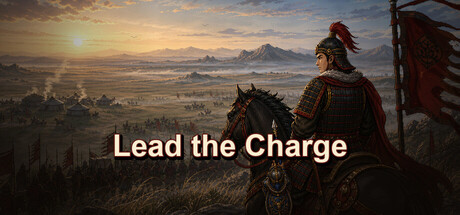 Lead the Charge Store/marketing arttext | Generative AI was used during development to create and refine some 2D visual assets, Steam store artwork, trailer imagery, and localization drafts. All output was reviewed and edited by the developer before inclusion. The game does not generate AI content during play and does not connect to external AI services. | BT Studio | - | Sep 12, 2026 | |
 Neon Bastion In-game content arttext | Neon Bastion uses pre-generated AI-assisted artwork and some written game/interface text. All content was reviewed and integrated by the developer. No AI content is generated during gameplay. | Kasperzack Games | - | Sep 12, 2026 | |
 TileCity In-game content art | Store marketing images (Steam capsule art — header, main, small, and vertical capsules) were created with AI image generation tools and then edited/reviewed by the development team. In-game screenshots and gameplay footage represent the actual game. | KIDTAIN GAME | - | Sep 12, 2026 | |
 Fortryv Dev only code | Used to speed up coding and improve performance. | RIck Voker | - | Sep 12, 2026 | |
 The Last Helm | This game uses AI-assisted tools in the development of certain in-game visuals
and assets. Additionally, AI tools were used to assist in the localization and
translation of in-game text content. All AI-generated content has been reviewed
and edited by the development team. No AI is used to generate content during
gameplay, and the game does not connect to any external AI services at runtime. | Red Shed Studio | - | Sep 12, 2026 |


