Public Steam disclosure research25,380 disclosures tracked
Where do games disclose AI use?
Search developers’ Steam disclosures, compare classified AI use across
games, and follow recorded changes.
This index adds cross-game classifications and statistics to
statements published on individual store pages.
Groups reflect automatic analysis of public disclosures; mature records are excluded. These counts do not measure AI use across all of Steam.
Missing or unclear statements cannot establish whether a game uses AI.
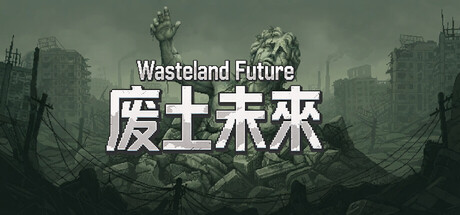
Parts of this game's audio and art were produced with generative AI tools and then reviewed, edited and finished by hand before shipping:
- Music: the background tracks were generated with an AI music tool (Suno) from our own briefs, then selected, trimmed, loudness-matched and looped by hand.
- Sound effects: part of the SFX layers were generated with an AI audio tool (ElevenLabs) and combined with locally synthesised layers, then mixed and balanced by hand.
- Visual effects and some enemy animation frames were AI-assisted and then corrected frame by frame against our approved art direction.
- The marketing key art used for the store capsules and library artwork was generated with an AI image tool, using our own approved character art and real in-game screenshots as references. The trailer narration voice is AI-generated.
No generative AI runs while you play: nothing is generated at runtime, and the game never sends your data to an AI service.
All game design, code, Chinese text, card and character data, the decomposition data behind the composing system, the interface and the calligraphy fonts are human-authored. Every screenshot and all gameplay footage is captured from the real build.
This game uses pre-generated AI-assisted content during development. AI tools were used to assist with the creation of certain visual assets and early concept artwork. All AI-generated content has been reviewed, edited, and curated by the developer before inclusion in the final game. The game does not use live AI generation during gameplay.
Some store capsule/library images and selected in-game art assets were created with generative AI tools, then manually selected and edited by the team. No live AI generation occurs during gameplay.
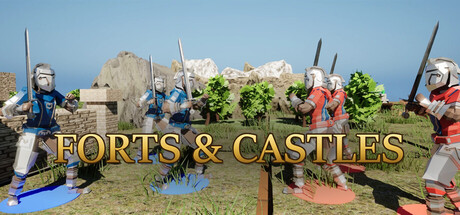
During development, some in-game surface textures (e.g. ground/terrain tile materials) were created with the assistance of generative AI image tools and then hand-edited and integrated into the game as static assets. All such content is pre-generated and fixed at ship time; the game does not generate any content live at runtime. We have reviewed this content to ensure we have the appropriate rights to use it and that it does not infringe on the rights of others.
All game design, gameplay systems, worldbuilding, story, characters, progression systems, and creative direction were conceived, created, and directed by the development team. AI-assisted tools were used to support asset production, not to create the game's design, story, or gameplay.
No artist names, living artists, or copyrighted characters were used as prompts to imitate specific creators, intellectual property, or art styles.
This game contains pre-generated content created with the assistance of generative AI.
AI-assisted tools were used during development to create certain visual assets, voice performances, video content, and sound effects that are included in the game and its marketing materials.
The game does not use live-generated AI content. All AI-assisted content was reviewed, selected, edited, and integrated by the development team before being included in the final product.
This game contains some pre-generated AI-assisted artwork and music. All AI-assisted content has been reviewed, curated, and integrated by the developer. AI coding tools were also used during development.
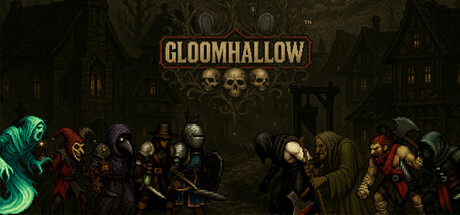
While a vast majority of Gloomhallow was human created, it was created by a solo developer (single person) - AI assisted in very specific fields such as;
- C# Coding
- SFX Generation
- OST Creation
- Very select UI Animations
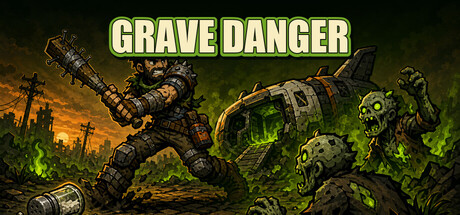
Generative AI tools assisted with portions of the game's code, comedic written content, and certain original visual assets. The game also includes 12 pre-generated instrumental music tracks made with Suno. All AI-assisted material was reviewed, edited, and integrated by the developer. Grave Danger does not generate AI content during gameplay and does not connect to external AI services.
Generative AI tools were used throughout development to assist in creating and refining game code, 2D artwork, UI assets, audio, music, and written content, and Steam promotional materials. All AI-assisted content included in the released product is selected, reviewed, integrated, and tested by the developer. The game does not use generative AI at runtime and does not generate content or code during gameplay.
applying filters and effect to artwork for promotional materials on the Steam page
generating simple sounds/audio for later editing and mixing in Audacity
This game contains pre-generated AI-assisted visual assets, including promotional store images, character illustrations, icons, backgrounds, and other artwork used in the game. All AI-generated assets have been reviewed, selected, and edited by the developer before being included in the final product. The game does not use live or runtime AI or external AI services during gameplay.
Programming: AI tools (Cursor) were utilized to assist with drafting partial code blocks and isolated scripts. The overall core logic, architecture, and system design were manually programmed by the developer.
Art Assets: An AI image generator (PixelLab) was used to help conceptualize and generate some of the pixel art assets. These assets were manually reviewed and integrated to fit the game's retro aesthetic.
Localization / Translation: AI translation tools were used to assist in translating in-game text and store page descriptions into multiple languages.
During development, generative AI was used for programming assistance, drafting UI text and English localization, and assisting with the layout and composition of graphical assets for Steam. Any content incorporated into the final product was reviewed and edited by the developer. No AI-generated content is produced while the game is running.
Prismals is a hand-crafted project built by a dedicated one-man band. To bring this project to life, AI tools were utilized strictly as a collaborative assistant, refining original coding, polishing hand-drawn artwork and mastering the soundtrack. Every core idea, story beat and artistic vision is entirely human-made.
This game contains pre-generated AI-assisted content created during development, including selected visual PNG assets, music tracks, and some localization/rules text. No generative AI is used during gameplay. All AI-assisted content was reviewed, selected, and included as fixed game assets before release.
Generative AI tools were used solely for programming assistance, code review, debugging, and technical problem-solving during development. They were not used to generate visual or audio assets. No content or code is generated by AI during gameplay, and the game does not connect to external AI services. All AI-assisted code was reviewed, tested, and integrated by the developer.
Generative AI tools were used during development to create and refine portions of the game’s pre-generated visual artwork, including character and enemy art, environments, UI elements, icons, effects, and cutscene imagery. Generative AI was also used for sound effects and as an assistant during programming and development. All generated material was reviewed, edited, and integrated by the developer.
Some item names and interface translations into languages other than English were created
with AI assistance, then carefully reviewed and edited by the developer. Parts of the 2D
artwork were created with image generation tools, then carefully curated, edited, and
composited by hand. Audio was created by people and comes from CC0-licensed sources with
attribution. No AI content is generated during gameplay. The game does not generate AI
content at runtime, and no player data is ever sent to any AI service.
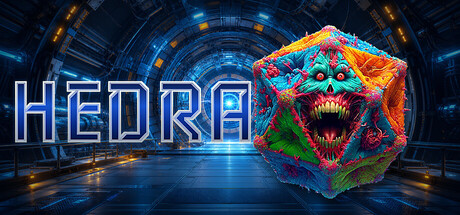
Hedra began as a physical board game designed and refined by one human developer over ten years. Nearly all of the tabletop game was created without generative AI; AI had a limited role in balance analysis. For the digital edition, AI tools played a substantial role in programming and technical development, including the original web app and its conversion into a desktop game. Most of Hedra's visual artwork was created with generative AI tools, then selected, reviewed, and integrated by the developer. The game contains pre-generated AI-assisted content. It does not generate artwork, text, audio, or other content while you play.
The game's art content — including unit art, terrain tiles, UI elements, and store page artwork — was generated with the assistance of AI tools during development and then refined by the team. All AI-generated content was created during development; the game does not generate content while you play.
AIR EMPIRE uses generative AI tools for part of its store/marketing assets and some in-game content — specifically store capsule images, store descriptions, localization into non-English languages, and marketing video narration. All AI-assisted output is reviewed and edited by a human developer, and we have taken steps to ensure it does not include infringing or illegal content.
Some of this game's visual assets (logo, promotional and store page images, character/enemy) were created with the aid of generative AI tools during development. All generated content was reviewed, curated and refined manually by the developer. The game does not use generative AI in real time during gameplay: all assets are pre-generated and static.
AI support was used solely for coding support during the game's development process. There is no AI system actively running during gameplay, generating real-time content, or connecting to an external AI service. Beyond the game's coding, the graphics, story, music, and other creative content were entirely created by human effort.
This game extensively utilizes AI technology in character design, UI, visual effects, sound effects, music, and promotional artwork to enhance production efficiency and explore innovative styles.
We use AI to speed up the drawings, but all materials has been heavily modified, over-painted, and refined by human artist. There is no live AI generation within the shipped game.
This game was created by a solo developer with substantial help from generative AI tools. Every output was reviewed by hand.
Code: Claude Opus 4.8, Claude Fable 5.0
Writing & translation: Claude Opus 4.8, Gemini Pro 3.1
Graphics: Gemini Nano Banana 2
Music: Claude Opus 4.8
Video: Gemini Omni
Ironwake contains pre-generated AI content. Some 2D art assets (character sprites, portraits, item illustrations,
backgrounds, and icon sets) were created using AI image-generation tools (PixelLab and MidJourney, plus licensed
third-party icon packs produced with Stable Diffusion). Some sound effects, ambient audio, and music tracks were created
using AI audio-generation tools (ElevenLabs). All AI-generated assets were reviewed, curated, and edited by the
developer. The game does not generate any content with AI at runtime, and no live AI models are accessed by the game.
During development, AI-assisted and AI-generated tools were used for pre-generated player-facing content.
Our production workflow combines original human-created assets with AI-assisted or AI-generated content. AI tools were used to assist with text translation/localization, visual asset modification and refinement, and the generation of certain audio assets.
Most final assets are the result of a mixed workflow: they may include both original developer-created elements and AI-assisted or AI-generated elements. All final text, visual, and audio assets included in the game have been manually reviewed, edited, selected, and approved by the development team.
The game does not include live-generated AI content. It does not generate new text, images, audio, or other player-facing content through AI during gameplay.
This game uses generative artificial intelligence tools during development to assist in the creation of some game content, including certain visual assets, icons, and promotional materials. All AI-generated content has been reviewed, modified, and refined by the development team, and integrated with human-created content to ensure that the final presentation meets the game's overall artistic direction and quality standards.
Some pre-rendered UI art (menu borders and decorative icons) was created with the assistance of generative AI tools during development. No content is generated live during gameplay.
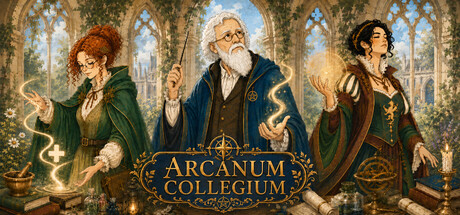
Some of the artwork in Arcanum Collegium — including character portraits and illustrations — was created with the help of generative AI tools. All AI-assisted art was reviewed, edited, and curated by the developer to match the game's overall visual style. No AI-generated content is created live during gameplay; everything you see was finalized before release.
Generative AI Disclosure
During the development of SandSea Ark, we utilized generative AI tools (such as Claude) to assist with:
1. Code writing and debugging: AI-assisted generation and optimization of GDScript code to improve development efficiency.
2. Data configuration: Assistance in maintaining game data tables and configuration files.
3. Documentation: Some technical documents and changelogs were generated with AI assistance.
The following content was NOT generated using AI:
- Game art assets, UI design, and scene layouts
- Core game design, mechanics, and balance tuning
This game does not contain live-generated AI content — all in-game content is pre-designed and hand-crafted. The game does not dynamically generate text, images, or audio during gameplay.
Generative AI was used for some in-game visual assets and certain store artwork. All generated content was reviewed and curated by the development team.
No art or sound generation was used. Some help for coding the complex in-game enemy AI interactions were utilized from LLM models. Also the game analysis was made with coding help.
Parts of this game's audio and art were produced with generative AI tools and then reviewed, edited and finished by hand before shipping:
- Music: the background tracks were generated with an AI music tool (Suno) from our own briefs, then selected, trimmed, loudness-matched and looped by hand.
- Sound effects: part of the SFX layers were generated with an AI audio tool (ElevenLabs) and combined with locally synthesised layers, then mixed and balanced by hand.
- Visual effects and some enemy animation frames were AI-assisted and then corrected frame by frame against our approved art direction.
- The marketing key art used for the store capsules and library artwork was generated with an AI image tool, using our own approved character art and real in-game screenshots as references. The trailer narration voice is AI-generated.
No generative AI runs while you play: nothing is generated at runtime, and the game never sends your data to an AI service.
All game design, code, Chinese text, card and character data, the decomposition data behind the composing system, the interface and the calligraphy fonts are human-authored. Every screenshot and all gameplay footage is captured from the real build.
This game uses pre-generated AI-assisted content during development. AI tools were used to assist with the creation of certain visual assets and early concept artwork. All AI-generated content has been reviewed, edited, and curated by the developer before inclusion in the final game. The game does not use live AI generation during gameplay.
Some store capsule/library images and selected in-game art assets were created with generative AI tools, then manually selected and edited by the team. No live AI generation occurs during gameplay.
During development, some in-game surface textures (e.g. ground/terrain tile materials) were created with the assistance of generative AI image tools and then hand-edited and integrated into the game as static assets. All such content is pre-generated and fixed at ship time; the game does not generate any content live at runtime. We have reviewed this content to ensure we have the appropriate rights to use it and that it does not infringe on the rights of others.
All game design, gameplay systems, worldbuilding, story, characters, progression systems, and creative direction were conceived, created, and directed by the development team. AI-assisted tools were used to support asset production, not to create the game's design, story, or gameplay.
No artist names, living artists, or copyrighted characters were used as prompts to imitate specific creators, intellectual property, or art styles.
This game contains pre-generated content created with the assistance of generative AI.
AI-assisted tools were used during development to create certain visual assets, voice performances, video content, and sound effects that are included in the game and its marketing materials.
The game does not use live-generated AI content. All AI-assisted content was reviewed, selected, edited, and integrated by the development team before being included in the final product.
This game contains some pre-generated AI-assisted artwork and music. All AI-assisted content has been reviewed, curated, and integrated by the developer. AI coding tools were also used during development.
While a vast majority of Gloomhallow was human created, it was created by a solo developer (single person) - AI assisted in very specific fields such as;
- C# Coding
- SFX Generation
- OST Creation
- Very select UI Animations
Generative AI tools assisted with portions of the game's code, comedic written content, and certain original visual assets. The game also includes 12 pre-generated instrumental music tracks made with Suno. All AI-assisted material was reviewed, edited, and integrated by the developer. Grave Danger does not generate AI content during gameplay and does not connect to external AI services.
Generative AI tools were used throughout development to assist in creating and refining game code, 2D artwork, UI assets, audio, music, and written content, and Steam promotional materials. All AI-assisted content included in the released product is selected, reviewed, integrated, and tested by the developer. The game does not use generative AI at runtime and does not generate content or code during gameplay.
applying filters and effect to artwork for promotional materials on the Steam page
generating simple sounds/audio for later editing and mixing in Audacity
This game contains pre-generated AI-assisted visual assets, including promotional store images, character illustrations, icons, backgrounds, and other artwork used in the game. All AI-generated assets have been reviewed, selected, and edited by the developer before being included in the final product. The game does not use live or runtime AI or external AI services during gameplay.
Programming: AI tools (Cursor) were utilized to assist with drafting partial code blocks and isolated scripts. The overall core logic, architecture, and system design were manually programmed by the developer.
Art Assets: An AI image generator (PixelLab) was used to help conceptualize and generate some of the pixel art assets. These assets were manually reviewed and integrated to fit the game's retro aesthetic.
Localization / Translation: AI translation tools were used to assist in translating in-game text and store page descriptions into multiple languages.
During development, generative AI was used for programming assistance, drafting UI text and English localization, and assisting with the layout and composition of graphical assets for Steam. Any content incorporated into the final product was reviewed and edited by the developer. No AI-generated content is produced while the game is running.
Prismals is a hand-crafted project built by a dedicated one-man band. To bring this project to life, AI tools were utilized strictly as a collaborative assistant, refining original coding, polishing hand-drawn artwork and mastering the soundtrack. Every core idea, story beat and artistic vision is entirely human-made.
This game contains pre-generated AI-assisted content created during development, including selected visual PNG assets, music tracks, and some localization/rules text. No generative AI is used during gameplay. All AI-assisted content was reviewed, selected, and included as fixed game assets before release.
Generative AI tools were used solely for programming assistance, code review, debugging, and technical problem-solving during development. They were not used to generate visual or audio assets. No content or code is generated by AI during gameplay, and the game does not connect to external AI services. All AI-assisted code was reviewed, tested, and integrated by the developer.
Generative AI tools were used during development to create and refine portions of the game’s pre-generated visual artwork, including character and enemy art, environments, UI elements, icons, effects, and cutscene imagery. Generative AI was also used for sound effects and as an assistant during programming and development. All generated material was reviewed, edited, and integrated by the developer.
Some item names and interface translations into languages other than English were created
with AI assistance, then carefully reviewed and edited by the developer. Parts of the 2D
artwork were created with image generation tools, then carefully curated, edited, and
composited by hand. Audio was created by people and comes from CC0-licensed sources with
attribution. No AI content is generated during gameplay. The game does not generate AI
content at runtime, and no player data is ever sent to any AI service.
Hedra began as a physical board game designed and refined by one human developer over ten years. Nearly all of the tabletop game was created without generative AI; AI had a limited role in balance analysis. For the digital edition, AI tools played a substantial role in programming and technical development, including the original web app and its conversion into a desktop game. Most of Hedra's visual artwork was created with generative AI tools, then selected, reviewed, and integrated by the developer. The game contains pre-generated AI-assisted content. It does not generate artwork, text, audio, or other content while you play.
The game's art content — including unit art, terrain tiles, UI elements, and store page artwork — was generated with the assistance of AI tools during development and then refined by the team. All AI-generated content was created during development; the game does not generate content while you play.
AIR EMPIRE uses generative AI tools for part of its store/marketing assets and some in-game content — specifically store capsule images, store descriptions, localization into non-English languages, and marketing video narration. All AI-assisted output is reviewed and edited by a human developer, and we have taken steps to ensure it does not include infringing or illegal content.
Some of this game's visual assets (logo, promotional and store page images, character/enemy) were created with the aid of generative AI tools during development. All generated content was reviewed, curated and refined manually by the developer. The game does not use generative AI in real time during gameplay: all assets are pre-generated and static.
AI support was used solely for coding support during the game's development process. There is no AI system actively running during gameplay, generating real-time content, or connecting to an external AI service. Beyond the game's coding, the graphics, story, music, and other creative content were entirely created by human effort.
This game extensively utilizes AI technology in character design, UI, visual effects, sound effects, music, and promotional artwork to enhance production efficiency and explore innovative styles.
We use AI to speed up the drawings, but all materials has been heavily modified, over-painted, and refined by human artist. There is no live AI generation within the shipped game.
This game was created by a solo developer with substantial help from generative AI tools. Every output was reviewed by hand.
Code: Claude Opus 4.8, Claude Fable 5.0
Writing & translation: Claude Opus 4.8, Gemini Pro 3.1
Graphics: Gemini Nano Banana 2
Music: Claude Opus 4.8
Video: Gemini Omni
Ironwake contains pre-generated AI content. Some 2D art assets (character sprites, portraits, item illustrations,
backgrounds, and icon sets) were created using AI image-generation tools (PixelLab and MidJourney, plus licensed
third-party icon packs produced with Stable Diffusion). Some sound effects, ambient audio, and music tracks were created
using AI audio-generation tools (ElevenLabs). All AI-generated assets were reviewed, curated, and edited by the
developer. The game does not generate any content with AI at runtime, and no live AI models are accessed by the game.
During development, AI-assisted and AI-generated tools were used for pre-generated player-facing content.
Our production workflow combines original human-created assets with AI-assisted or AI-generated content. AI tools were used to assist with text translation/localization, visual asset modification and refinement, and the generation of certain audio assets.
Most final assets are the result of a mixed workflow: they may include both original developer-created elements and AI-assisted or AI-generated elements. All final text, visual, and audio assets included in the game have been manually reviewed, edited, selected, and approved by the development team.
The game does not include live-generated AI content. It does not generate new text, images, audio, or other player-facing content through AI during gameplay.
This game uses generative artificial intelligence tools during development to assist in the creation of some game content, including certain visual assets, icons, and promotional materials. All AI-generated content has been reviewed, modified, and refined by the development team, and integrated with human-created content to ensure that the final presentation meets the game's overall artistic direction and quality standards.
Some pre-rendered UI art (menu borders and decorative icons) was created with the assistance of generative AI tools during development. No content is generated live during gameplay.
Some of the artwork in Arcanum Collegium — including character portraits and illustrations — was created with the help of generative AI tools. All AI-assisted art was reviewed, edited, and curated by the developer to match the game's overall visual style. No AI-generated content is created live during gameplay; everything you see was finalized before release.
Generative AI Disclosure
During the development of SandSea Ark, we utilized generative AI tools (such as Claude) to assist with:
1. Code writing and debugging: AI-assisted generation and optimization of GDScript code to improve development efficiency.
2. Data configuration: Assistance in maintaining game data tables and configuration files.
3. Documentation: Some technical documents and changelogs were generated with AI assistance.
The following content was NOT generated using AI:
- Game art assets, UI design, and scene layouts
- Core game design, mechanics, and balance tuning
This game does not contain live-generated AI content — all in-game content is pre-designed and hand-crafted. The game does not dynamically generate text, images, or audio during gameplay.
Generative AI was used for some in-game visual assets and certain store artwork. All generated content was reviewed and curated by the development team.
No art or sound generation was used. Some help for coding the complex in-game enemy AI interactions were utilized from LLM models. Also the game analysis was made with coding help.