Public Steam disclosure research25,380 disclosures tracked
Where do games disclose AI use?
Search developers’ Steam disclosures, compare classified AI use across
games, and follow recorded changes.
This index adds cross-game classifications and statistics to
statements published on individual store pages.
Groups reflect automatic analysis of public disclosures; mature records are excluded. These counts do not measure AI use across all of Steam.
Missing or unclear statements cannot establish whether a game uses AI.
This game uses AI-generated music and sound effects. These are created using licensed tools and reviewed by the development team for quality and originality. No external AI services are connected during gameplay.
Some visual assets in this game were initially generated using AI tools and then manually edited and refined by artists. No AI systems influence gameplay or player data.
This game uses pre-generated AI images for the game. While navigating the menus, you'll see AI-generated images for menu backgrounds and buttons. The game's runtime (.exe) file icon and store images are also AI-generated.
AI tools have been used for some concept art and visual mood boards.
No AI-generated content is planned for use in gameplay, story, characters, or UI elements.
During the development process, in almost every aspect I use procedural and AI‑based tools to assist with content creation (e.g., generating code, auto‑filling code, making lunch receipts).
Visual backgrounds and illustrations were partially generated using AI and then manually refined to meet artistic and technical requirements. Some voice lines were also generated using neural voice models, followed by manual editing and final polishing.
AI was utilized to generate portions of the game's text, 3D models, textures, and code. These elements were subsequently edited and finalized by the developer.
This game includes some pre-rendered content created using generative AI tools.
Most of the core assets and gameplay elements are non-AI.
AI was not used to generate real-time content during gameplay.
Some art, dialogue polish, and marketing copy were developed with the help of AI tools. No content is live-generated during gameplay. All AI-assisted material was manually reviewed, edited, and integrated with original work.
This game uses AI to help create some pre-rendered visuals, 3D assets, and images, while all gameplay content is tested by hand for a unique player experience.
During our development process, we utilized generative AI as a powerful tool in areas such as 3D modeling and character design. All AI-assisted content in our game was finalized and integrated by our team as static assets before the game's release. No real-time or dynamic content is generated by AI during gameplay. This technology helped our team bring our game world to life more efficiently and creatively.
Some 3D models and sound effects in this game were created using AI tools. These assets were edited and integrated into the game by the developer. No real-time AI content generation is used in gameplay.
I wanted to use AI for certain assets because I aimed to achieve a certain level of "dehumanization"—that feeling that something isn’t human and can only be created by a machine.
We use AI generated images as an early starting point for some promotional key art and some in game lore portrait images. These images are then edited, retouched, and finalized by a human. No AI is used to live generate content, code, or text during gameplay.
We used generative AI tools to assist with visual development and world-building.
Specifically, we used AI-generated concept art and background compositions as inspiration during early prototyping phases. These assets helped guide the tone and direction of the environments but were later refined or replaced manually to meet performance and visual standards.
We also used AI-assisted writing tools to iterate on in-game lore and placeholder dialogues, ensuring consistency in narrative tone. No generative AI was used to create final voice lines or essential gameplay mechanics.
All AI-generated content was carefully reviewed, curated, and edited by the development team before inclusion.
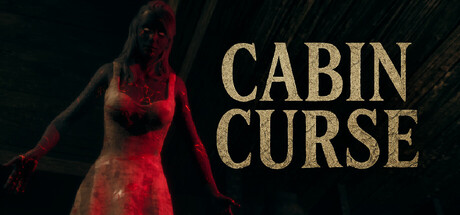
Cabin Curse uses generative AI tools to assist with development. Specifically, AI was used to help create early concept art, generate a few ambient music tracks, and design minor in-world details such as product labels on props (e.g., mugs, cereal boxes). No AI is used to generate content during gameplay, and all AI-generated assets were reviewed, edited, and integrated by the developer.
We use AI to quickly generate marketing materials—both images and text—during development to save time and explore ideas. These help us share the game's vision early, even as assets are still being created. All AI-generated content will be replaced with in-game footage and original art from our team as development progresses.
The game uses local, offline LLMs (meaning no data ever leaves your computer and nothing is used in training) for controlling and adapting the behavior of the main enemy in the game.
This game uses AI-generated music and sound effects. These are created using licensed tools and reviewed by the development team for quality and originality. No external AI services are connected during gameplay.
Some visual assets in this game were initially generated using AI tools and then manually edited and refined by artists. No AI systems influence gameplay or player data.
This game uses pre-generated AI images for the game. While navigating the menus, you'll see AI-generated images for menu backgrounds and buttons. The game's runtime (.exe) file icon and store images are also AI-generated.
AI tools have been used for some concept art and visual mood boards.
No AI-generated content is planned for use in gameplay, story, characters, or UI elements.
During the development process, in almost every aspect I use procedural and AI‑based tools to assist with content creation (e.g., generating code, auto‑filling code, making lunch receipts).
Visual backgrounds and illustrations were partially generated using AI and then manually refined to meet artistic and technical requirements. Some voice lines were also generated using neural voice models, followed by manual editing and final polishing.
AI was utilized to generate portions of the game's text, 3D models, textures, and code. These elements were subsequently edited and finalized by the developer.
This game includes some pre-rendered content created using generative AI tools.
Most of the core assets and gameplay elements are non-AI.
AI was not used to generate real-time content during gameplay.
Some art, dialogue polish, and marketing copy were developed with the help of AI tools. No content is live-generated during gameplay. All AI-assisted material was manually reviewed, edited, and integrated with original work.
This game uses AI to help create some pre-rendered visuals, 3D assets, and images, while all gameplay content is tested by hand for a unique player experience.
During our development process, we utilized generative AI as a powerful tool in areas such as 3D modeling and character design. All AI-assisted content in our game was finalized and integrated by our team as static assets before the game's release. No real-time or dynamic content is generated by AI during gameplay. This technology helped our team bring our game world to life more efficiently and creatively.
Some 3D models and sound effects in this game were created using AI tools. These assets were edited and integrated into the game by the developer. No real-time AI content generation is used in gameplay.
I wanted to use AI for certain assets because I aimed to achieve a certain level of "dehumanization"—that feeling that something isn’t human and can only be created by a machine.
We use AI generated images as an early starting point for some promotional key art and some in game lore portrait images. These images are then edited, retouched, and finalized by a human. No AI is used to live generate content, code, or text during gameplay.
We used generative AI tools to assist with visual development and world-building.
Specifically, we used AI-generated concept art and background compositions as inspiration during early prototyping phases. These assets helped guide the tone and direction of the environments but were later refined or replaced manually to meet performance and visual standards.
We also used AI-assisted writing tools to iterate on in-game lore and placeholder dialogues, ensuring consistency in narrative tone. No generative AI was used to create final voice lines or essential gameplay mechanics.
All AI-generated content was carefully reviewed, curated, and edited by the development team before inclusion.
Cabin Curse uses generative AI tools to assist with development. Specifically, AI was used to help create early concept art, generate a few ambient music tracks, and design minor in-world details such as product labels on props (e.g., mugs, cereal boxes). No AI is used to generate content during gameplay, and all AI-generated assets were reviewed, edited, and integrated by the developer.
We use AI to quickly generate marketing materials—both images and text—during development to save time and explore ideas. These help us share the game's vision early, even as assets are still being created. All AI-generated content will be replaced with in-game footage and original art from our team as development progresses.
The game uses local, offline LLMs (meaning no data ever leaves your computer and nothing is used in training) for controlling and adapting the behavior of the main enemy in the game.