


Disclosure
AI is used to translate the store page.
- Creator
- Alex Le Mesurier
- Reviews
- -
- Added
- Oct 12, 2026
Public Steam disclosure research 25,376 disclosures tracked
Search developers’ Steam disclosures, compare classified AI use across games, and follow recorded changes. This index adds cross-game classifications and statistics to statements published on individual store pages.
Code help, debugging and other development work.
Capsule art, trailers and promotional material.
Pre-made art, audio, writing and other game assets.
Interactive or runtime AI features disclosed by the developer.
Groups reflect automatic analysis of public disclosures; mature records are excluded. These counts do not measure AI use across all of Steam. Missing or unclear statements cannot establish whether a game uses AI.
AI is used to translate the store page.
Generative AI was used during development to create and refine some of the game’s visual assets, including certain images and textures.
Game text translations and parts of the store page and marketing text were created with AI assistance. All art, music and sound effects are made without generative AI.
Generative AI was used to assist in creating some game assets, like certain sound effects, music, and textures.
Generative AI was used for UI icons, the intro video, and retouching of store capsule images. In-game 3D assets, characters and environments are licensed or hand-made, not AI-generated. AI was used as an assistive tool for code, text and translation.
I enjoy code and music, yet I am terrible at art. Therefore, generative AI was used during development to create some game artwork, including interface elements, achievements, and icons, and the Beast Hunt logo used in the game. The game does not generate AI content during gameplay.
Use for Cover Art and decorative Posters in Game.
This game contains pre-generated AI content, all reviewed and edited by the developer: - Voice acting: every radio and PA line, in English and Turkish, is text-to-speech generated with ElevenLabs. - Audio: most sound effects and the three music beds were generated with ElevenLabs. - 3D art: some organic growth props were shaped with an image-to-3D pipeline (SDXL + Hunyuan3D), then UV-unwrapped, baked and finished by hand in Blender. - 2D art: the still images in the narrated opening were made with an image model. The game generates nothing with AI while it runs. The trailer, screenshots and capsule art on this page are in-game footage and in-engine captures.
Includes prerecorded AI-generated enemy voices, AI-generated promotional artwork in the Steam assets and trailer, and AI-assisted store-page translations awaiting native review. No AI content is generated during gameplay.
Generative AI was used to create background music, paintings displayed throughout the motel, and selected 3D assets, including sequence props, keys, relics, and pedestals. AI assistance was also used to draft portions of the store page text.
Generative AI was used for minor texture touch-ups during development. All AI-assisted content was manually reviewed and finalized by the developer.
The English voice-over for story dialogue and prison PA announcements was generated with an open-source text-to-speech model (Kokoro) from scripts written for the game. Much of the game's code, dialogue text and localisation was written with AI assistance under the developer's direction. No AI generates content while you play. 3D models, textures, sound effects and music come from human-made asset libraries (CC0 sources and Mixamo).
Generative AI tools were used to help create promotional artwork and Steam store page text. This content was prepared in advance. The game does not use generative AI or connect to external AI services during gameplay.
The game does not contain AI-generated content. AI-generated content is used just for a few Steam Images.
Some voice lines and background audio effects in this game were generated or modified using generative artificial intelligence tools. These audio files were then processed and mixed manually by the developer.
Some 2D artwork and visual assets were created with the assistance of generative AI tools during development and were reviewed and edited by the developer. The game does not generate AI content during gameplay.
Farmkill Remastered brings back the game our small team originally created for iPad in 2012. For its PC remaster, we used AI tools to upscale, sharpen and redraw the original low-resolution artwork, preserving the characters and visual designs while restoring detail for larger screens. We also used generative AI to create new artwork, music, character voices, sound effects, written content and animated cutscenes, including assets used in the store artwork and trailer. This content was generated during development, then selected and integrated under the developer’s creative direction. The game does not generate AI content during play.
AI was used for in-game translations of UI, tutorial and caption text. It was also used to translate the store page content into non-English locales.
AI helped developing this game in aspects of UI, modelling & texturing, localization and gameplay mechanics
Generative AI was used during development to create selected pre-generated visual assets, including some character models, weapon presentation models and related images, as well as some promotional artwork for the store. These assets were selected, post-processed and integrated by the developer. Store gameplay screenshots are captured from the running game and have not been generatively altered; they may show game content that uses pre-generated AI assets. The current game does not call generative AI services or generate new content during play.
We’re two developers living on opposite sides of the world, who have been A LOT of sleepless nights building the game and world we wanted to see made possible. Without AI, this game would not have been possible. Despite that, we know that the world would be portrayed much better with a dedicated team of designers and artists behind it. We've made it a massive priority ours to create all of our visual design with as much human touch as we can to stay true to how we envision the world. The story, characters, worldbuilding, etc. Are all written by uS. A *very* generous friend is creating the soundtrack. We know everyone has different views on AI generated content and we are committed to being VERY clear of the when and where of it's used. In the long-term, we hope to grow to a point where we rely on AI less, and rely on people more for further development of Vorpus.
dialogue is from generator
AI tools were used in a limited capacity for a few prop images such as the photographs in the main house, and translation of some Javanese writings. All AI-assisted content was carefully reviewed and approved by humans to ensure it was appropriate and respectful, the final product is a reflection of our own cultural identity and creativity.
Voices And Sounds Are AI Generated
Programming, Graphics
Some of the game's content was created with the help of generative AI tools and then reviewed and integrated by the developer: several 3D models and their textures, the logo and key art, some of the music and voices, and the English translation of the game's text. All of it is pre-generated: the game does not generate anything with AI while you play.
AI assistance has been used in marketing materials.
How we do use AI:
Some visual assets (artwork and cinematic scenes) and some music and sound effects were created with the help of generative AI tools, then reviewed and curated by the developer. No content is generated by AI during gameplay.
Generative AI was used to create some visual assets, including UI artwork and icons. No AI content is generated during gameplay.
We use AI tools to make some of the game's art, sound, voices and writing. Every result was reviewed and edited before it went into the game. - 3D models: most creature and character bodies (dinosaurs, Ice Age animals, wildlife, the infected, the customisable human bodies, hairstyles and hats) and some props and plants were generated with Tripo through Unity AI, from reference images made with OpenAI GPT Image. They were then cleaned up, rigged and fitted to the game's style. - Textures: the dinosaur hides and the human characters' faces, skin, clothing and infection damage were painted with the help of GPT Image. - Illustrations: the field guide's species plates were generated with GPT Image from renders of the in-game models. - Sound: the calls of the mammoths, giant elk, ground sloths and sauropods were generated with Unity AI sound generation. - Voices: the radio voices (the island broadcasts, the voice on the collection frequency and the facility's recorded messages) and the skipper's two lines in the opening scene are AI voices, made with ElevenLabs Eleven v4 text-to-speech from the game's own script. Face-to-face dialogue and the tapes are not voiced. - Writing: in-game text (dialogue, records and descriptions) and this store page were drafted with AI writing assistance and edited by the developer. - Store art: the capsule and library artwork and the logo were generated with GPT Image. They are illustrations, not screenshots. The screenshots, trailers and About clips are in-engine footage with licensed music and sound effects; any voices, herd calls, logo or artwork in the trailers are the AI content listed above. Buildings, vehicles, weapons, most props, the music, most sound effects and all animation come from licensed asset packs (a few animation clips are adapted from them). The interface was built for the game. The game generates no AI content while you play.
Some visual and audio assets were generated with AI tools during development and edited for use in Dead Last. No AI content is generated during gameplay.
Generative AI tools were used to assist with code development. All art, music, and design are human-made.
Generative AI is used for prototyping and placeholders. Real paid human artwork is important and any remaining AI elements at release are accidental.
Pre-generated AI tools were used to create selected voice-over performances and selected promotional artwork. All AI-assisted materials are reviewed, edited, and finalized by the development team before use. The game does not generate AI content during gameplay.
AI was used to help create certain UI elements, capsules, meshes and audio files.
AI tools are used in some parts of the development process, including translations for the Steam store page and in-game UI text, as well as assistance with some visual assets.
Pre-generated: the game's code, its procedurally built 3D models, levels and effects, the synthesized in-game music, parts of the UI art, the store artwork and the store texts/translations were created with the help of AI tools (Anthropic Claude) under the developer's direction and review. The menu music tracks were generated by the developer with Google Gemini. Sound effects are edited recordings from Kenney (CC0) and Mixkit. No AI content is generated live while playing.
Generative AI tools were used to assist in creating some pre-generated decorative in-game artwork, including wall posters, as well as selected promotional and Steam store artwork. All generated content was reviewed and edited before inclusion. The game does not use live-generated AI content during gameplay.
作品に登場するキャラクターイラスト・CGの一部制作過程で、生成AIツールを使用しています。すべての画像は開発者が選定・調整を行った上でゲームに使用しています。
Generative AI tools were used to assist with the localization and translation of the game's text into additional languages.
Generative AI tools were used during development to create pre-generated visual assets, including 2D background artwork, environment graphics, character sprites, and promotional store imagery. All AI-generated content was created prior to release, and no generative AI runs in real-time during gameplay.
The English localization was prepared with AI assistance and was fully reviewed and edited by the developer. Some in-game sounds were generated with AI. The capsule image on the Steam store page was generated with AI. The in-game visual and model assets were not generated with AI.
Some 3D props were ai generated and then hand-edited; all Cantonese and Chinese text and voice is written and performed by people.
Generative AI was used to create some pre-generated artwork, audio, and text included in the game and its promotional materials. The game does not generate AI content during gameplay.
Some UI elements are AI-generated placeholders.
One image in the game and some of the enemy voices were made using AI.
AI was used in developing game mechanics, primarily coding. Human reviewed code.
Code was written using help of AI tools, all artwork is human made.
code and translation.
| Title⇅ | Disclosure | Creator⇅ | Src | Reviews⇅ | Added↓ |
|---|---|---|---|---|---|
 Untold Cases - Lot 42 Store/marketing text | AI is used to translate the store page. | Alex Le Mesurier | - | Oct 12, 2026 | |
 SKEFs Night Grill In-game content art | Generative AI was used during development to create and refine some of the game’s visual assets, including certain images and textures. | SKEF_5XX3 | - | Oct 12, 2026 | |
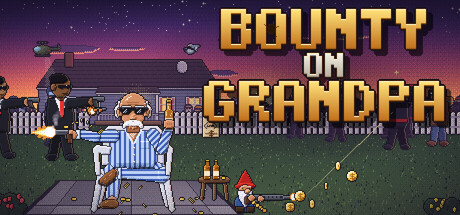 Bounty on Grandpa Store/marketing text | Game text translations and parts of the store page and marketing text were created with AI assistance. All art, music and sound effects are made without generative AI. | hakantrkmn | - | Oct 12, 2026 | |
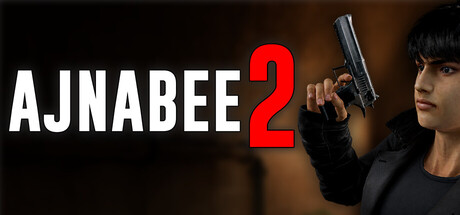 Ajnabee 2 In-game content audioart | Generative AI was used to assist in creating some game assets, like certain sound effects, music, and textures. | Akshat Softwares | - | Oct 12, 2026 | |
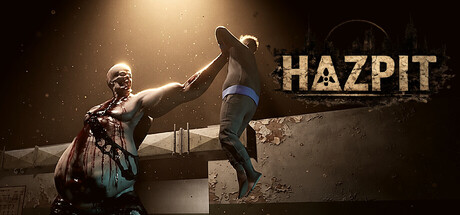 HAZPIT In-game content arttextcode | Generative AI was used for UI icons, the intro video, and retouching of store capsule images. In-game 3D assets, characters and environments are licensed or hand-made, not AI-generated. AI was used as an assistive tool for code, text and translation. | Late Build | - | Oct 12, 2026 | |
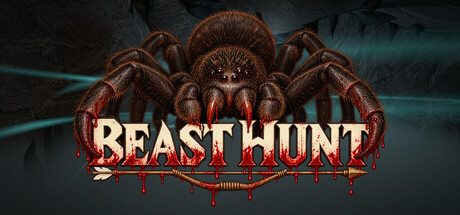 Beast Hunt In-game content art | I enjoy code and music, yet I am terrible at art.
Therefore, generative AI was used during development to create some game artwork, including interface elements, achievements, and icons, and the Beast Hunt logo used in the game. The game does not generate AI content during gameplay. | Thundermagnet | - | Oct 12, 2026 | |
 SLASHER NIGHT In-game content art | Use for Cover Art and decorative Posters in Game. | N0N | - | Oct 12, 2026 | |
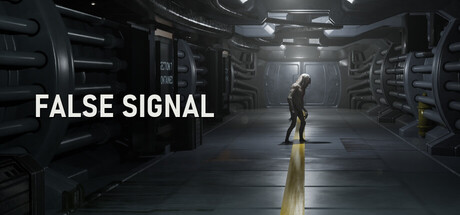 False Signal In-game content audioart | This game contains pre-generated AI content, all reviewed and edited by the developer:
- Voice acting: every radio and PA line, in English and Turkish, is text-to-speech generated with ElevenLabs.
- Audio: most sound effects and the three music beds were generated with ElevenLabs.
- 3D art: some organic growth props were shaped with an image-to-3D pipeline (SDXL + Hunyuan3D), then UV-unwrapped, baked and finished by hand in Blender.
- 2D art: the still images in the narrated opening were made with an image model.
The game generates nothing with AI while it runs. The trailer, screenshots and capsule art on this page are in-game footage and in-engine captures. | Veilward Studios | - | Oct 12, 2026 | |
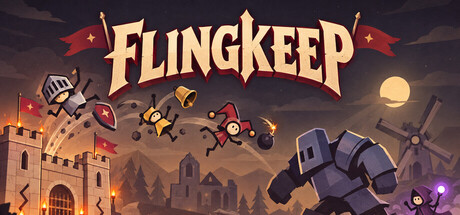 flingkeep In-game content audioarttext | Includes prerecorded AI-generated enemy voices, AI-generated promotional artwork in the Steam assets and trailer, and AI-assisted store-page translations awaiting native review. No AI content is generated during gameplay. | Nextgenrun games | - | Oct 12, 2026 | |
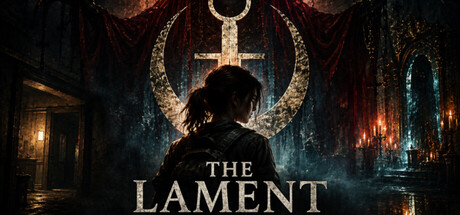 The Lament In-game content audioart | Generative AI was used to create background music, paintings displayed throughout the motel, and selected 3D assets, including sequence props, keys, relics, and pedestals. AI assistance was also used to draft portions of the store page text. | Gregory Montoya | - | Oct 11, 2026 | |
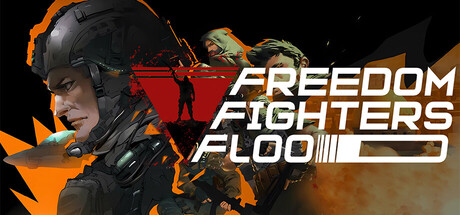 Freedom Fighters Flood In-game content art | Generative AI was used for minor texture touch-ups during development. All AI-assisted content was manually reviewed and finalized by the developer. | Viosama Studios | - | Oct 11, 2026 | |
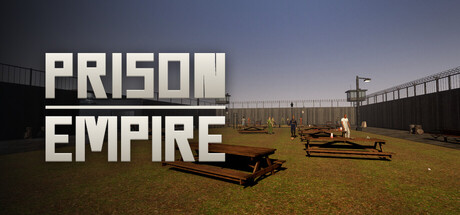 Prison Empire In-game content audiotext | The English voice-over for story dialogue and prison PA announcements was generated with an open-source text-to-speech model (Kokoro) from scripts written for the game. Much of the game's code, dialogue text and localisation was written with AI assistance under the developer's direction. No AI generates content while you play. 3D models, textures, sound effects and music come from human-made asset libraries (CC0 sources and Mixamo). | HIS Games | - | Oct 10, 2026 | |
 Hell Control Store/marketing arttext | Generative AI tools were used to help create promotional artwork and Steam store page text. This content was prepared in advance. The game does not use generative AI or connect to external AI services during gameplay. | RokuGo Studio | - | Oct 10, 2026 | |
 SWIMSUIT ZOMBIES Store/marketing art | The game does not contain AI-generated content. AI-generated content is used just for a few Steam Images. | CIVILIUS | - | Oct 10, 2026 | |
 Estación Libertad In-game content audio | Some voice lines and background audio effects in this game were generated or modified using generative artificial intelligence tools. These audio files were then processed and mixed manually by the developer. | Sebastián Barra | - | Oct 10, 2026 | |
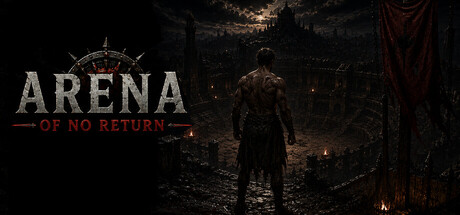 Arena of No Return In-game content art | Some 2D artwork and visual assets were created with the assistance of generative AI tools during development and were reviewed and edited by the developer. The game does not generate AI content during gameplay. | Tiltados Games | - | Oct 9, 2026 | |
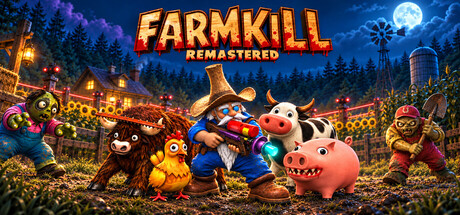 Farmkill Remastered In-game content artaudiotext | Farmkill Remastered brings back the game our small team originally created for iPad in 2012. For its PC remaster, we used AI tools to upscale, sharpen and redraw the original low-resolution artwork, preserving the characters and visual designs while restoring detail for larger screens.
We also used generative AI to create new artwork, music, character voices, sound effects, written content and animated cutscenes, including assets used in the store artwork and trailer. This content was generated during development, then selected and integrated under the developer’s creative direction. The game does not generate AI content during play. | Edible Entertainment Pty Limited | - | Oct 9, 2026 | |
 Patrol In-game content text | AI was used for in-game translations of UI, tutorial and caption text. It was also used to translate the store page content into non-English locales. | REMO Games | - | Oct 9, 2026 | |
 Deeper Than Gold In-game content arttext | AI helped developing this game in aspects of UI, modelling & texturing, localization and gameplay mechanics | Chaos Development | - | Oct 9, 2026 | |
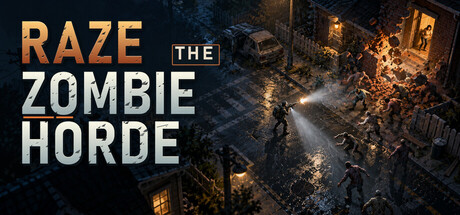 Raze the Zombie Horde In-game content art | Generative AI was used during development to create selected pre-generated visual assets, including some character models, weapon presentation models and related images, as well as some promotional artwork for the store. These assets were selected, post-processed and integrated by the developer. Store gameplay screenshots are captured from the running game and have not been generatively altered; they may show game content that uses pre-generated AI assets. The current game does not call generative AI services or generate new content during play. | Moonwrought Studio | - | Oct 9, 2026 | |
 Rise of the Fenarii In-game content arttextaudio | We’re two developers living on opposite sides of the world, who have been A LOT of sleepless nights building the game and world we wanted to see made possible.
Without AI, this game would not have been possible. Despite that, we know that the world would be portrayed much better with a dedicated team of designers and artists behind it. We've made it a massive priority ours to create all of our visual design with as much human touch as we can to stay true to how we envision the world.
The story, characters, worldbuilding, etc. Are all written by uS. A *very* generous friend is creating the soundtrack. We know everyone has different views on AI generated content and we are committed to being VERY clear of the when and where of it's used. In the long-term, we hope to grow to a point where we rely on AI less, and rely on people more for further development of Vorpus. | nutpete | - | Oct 9, 2026 | |
 muttnurrummutt Live AI text | dialogue is from generator | muttnurrummutt | - | Oct 9, 2026 | |
 Night of Suro: Tulang Wangi In-game content arttext | AI tools were used in a limited capacity for a few prop images such as the photographs in the main house, and translation of some Javanese writings. All AI-assisted content was carefully reviewed and approved by humans to ensure it was appropriate and respectful, the final product is a reflection of our own cultural identity and creativity. | Bunnydog Studio | - | Oct 9, 2026 | |
 MemeticBox In-game content audio | Voices And Sounds Are AI Generated | Corvium Games | - | Oct 7, 2026 | |
 ハムスタイピング! Unclear artcode | Programming, Graphics | みらいゲームズ | - | Oct 7, 2026 | |
 The Unhidden In-game content artaudiotext | Some of the game's content was created with the help of generative AI tools and then reviewed and integrated by the developer: several 3D models and their textures, the logo and key art, some of the music and voices, and the English translation of the game's text. All of it is pre-generated: the game does not generate anything with AI while you play. | Calvary Games | - | Oct 7, 2026 | |
 The Arrow Store/marketing arttext | AI assistance has been used in marketing materials. | Doomed Frog | - | Oct 7, 2026 | |
 Perceptum Unclear | How we do use AI: | Duck Reaction | - | Oct 7, 2026 | |
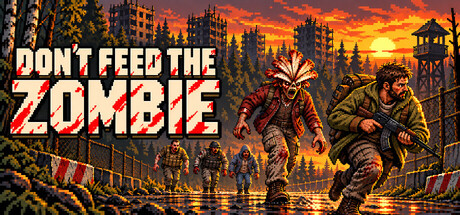 Don't Feed the Zombie In-game content artaudio | Some visual assets (artwork and cinematic scenes) and some music and sound effects were created with the help of generative AI tools, then reviewed and curated by the developer. No content is generated by AI during gameplay. | HYDRA GAMES | - | Oct 6, 2026 | |
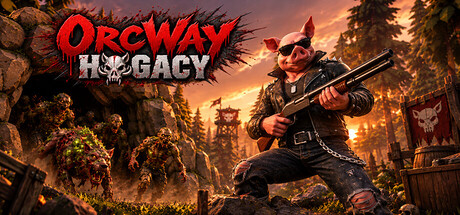 OrcWay Hogacy In-game content art | Generative AI was used to create some visual assets, including UI artwork and icons. No AI content is generated during gameplay. | CROCUS GAMES | - | Oct 6, 2026 | |
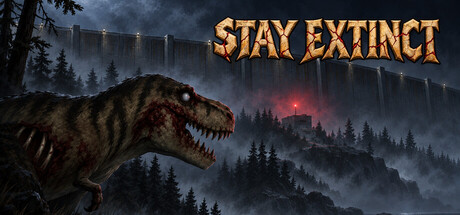 Stay Extinct In-game content artaudiotext | We use AI tools to make some of the game's art, sound, voices and writing. Every result was reviewed and edited before it went into the game.
- 3D models: most creature and character bodies (dinosaurs, Ice Age animals, wildlife, the infected, the customisable human bodies, hairstyles and hats) and some props and plants were generated with Tripo through Unity AI, from reference images made with OpenAI GPT Image. They were then cleaned up, rigged and fitted to the game's style.
- Textures: the dinosaur hides and the human characters' faces, skin, clothing and infection damage were painted with the help of GPT Image.
- Illustrations: the field guide's species plates were generated with GPT Image from renders of the in-game models.
- Sound: the calls of the mammoths, giant elk, ground sloths and sauropods were generated with Unity AI sound generation.
- Voices: the radio voices (the island broadcasts, the voice on the collection frequency and the facility's recorded messages) and the skipper's two lines in the opening scene are AI voices, made with ElevenLabs Eleven v4 text-to-speech from the game's own script. Face-to-face dialogue and the tapes are not voiced.
- Writing: in-game text (dialogue, records and descriptions) and this store page were drafted with AI writing assistance and edited by the developer.
- Store art: the capsule and library artwork and the logo were generated with GPT Image. They are illustrations, not screenshots. The screenshots, trailers and About clips are in-engine footage with licensed music and sound effects; any voices, herd calls, logo or artwork in the trailers are the AI content listed above.
Buildings, vehicles, weapons, most props, the music, most sound effects and all animation come from licensed asset packs (a few animation clips are adapted from them). The interface was built for the game. The game generates no AI content while you play. | windurex | - | Oct 6, 2026 | |
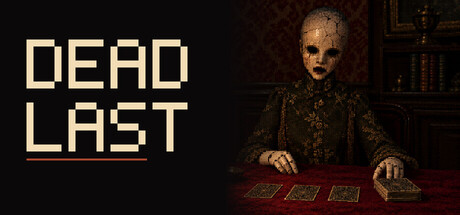 Dead Last In-game content artaudio | Some visual and audio assets were generated with AI tools during development and edited for use in Dead Last. No AI content is generated during gameplay. | Eddie Eizner | - | Oct 6, 2026 | |
 Overlap Dev only code | Generative AI tools were used to assist with code development. All art, music, and design are human-made. | MilesThePiles | - | Oct 5, 2026 | |
 Lanternbound Dev only art | Generative AI is used for prototyping and placeholders. Real paid human artwork is important and any remaining AI elements at release are accidental. | Espersen Software | - | Oct 4, 2026 | |
 Night Intake In-game content audioart | Pre-generated AI tools were used to create selected voice-over performances and selected promotional artwork. All AI-assisted materials are reviewed, edited, and finalized by the development team before use. The game does not generate AI content during gameplay. | Black Relay | - | Oct 4, 2026 | |
 Hole Digging Simulator In-game content artaudio | AI was used to help create certain UI elements, capsules, meshes and audio files. | Knights of the Round Hole | - | Oct 3, 2026 | |
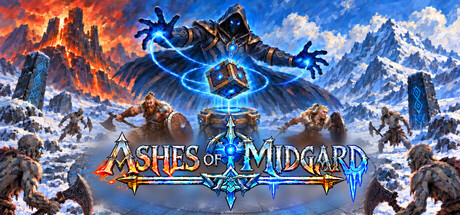 Ashes of Midgard In-game content textart | AI tools are used in some parts of the development process, including translations for the Steam store page and in-game UI text, as well as assistance with some visual assets. | EverTier Games | - | Oct 2, 2026 | |
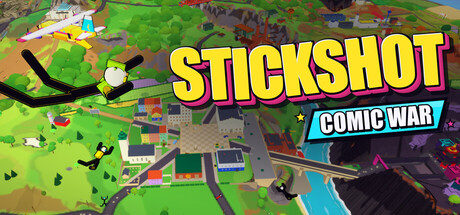 STICKSHOT: Comic War In-game content artaudiotextcode | Pre-generated: the game's code, its procedurally built 3D models, levels and effects, the synthesized in-game music, parts of the UI art, the store artwork and the store texts/translations were created with the help of AI tools (Anthropic Claude) under the developer's direction and review. The menu music tracks were generated by the developer with Google Gemini. Sound effects are edited recordings from Kenney (CC0) and Mixkit. No AI content is generated live while playing. | Millennial Game Dreams | - | Oct 1, 2026 | |
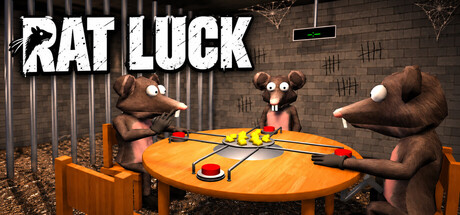 RAT LUCK In-game content art | Generative AI tools were used to assist in creating some pre-generated decorative in-game artwork, including wall posters, as well as selected promotional and Steam store artwork. All generated content was reviewed and edited before inclusion. The game does not use live-generated AI content during gameplay. | Miloš Lužnjanin | - | Oct 1, 2026 | |
 野球拳 In-game content art | 作品に登場するキャラクターイラスト・CGの一部制作過程で、生成AIツールを使用しています。すべての画像は開発者が選定・調整を行った上でゲームに使用しています。 | ダイアナソフト | - | Oct 1, 2026 | |
 Dybbuk In-game content text | Generative AI tools were used to assist with the localization and translation of the game's text into additional languages. | Saul Morag Black | - | Oct 1, 2026 | |
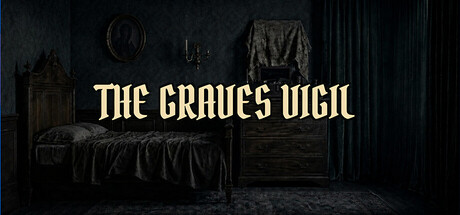 THE GRAVES VIGIL In-game content art | Generative AI tools were used during development to create pre-generated visual assets, including 2D background artwork, environment graphics, character sprites, and promotional store imagery. All AI-generated content was created prior to release, and no generative AI runs in real-time during gameplay. | GeorgeDowson | - | Sep 30, 2026 | |
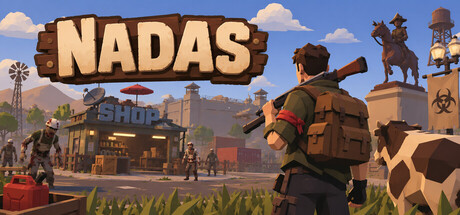 Nadas In-game content textaudioart | The English localization was prepared with AI assistance and was fully reviewed and edited by the developer. Some in-game sounds were generated with AI. The capsule image on the Steam store page was generated with AI. The in-game visual and model assets were not generated with AI. | Ato Games | - | Sep 30, 2026 | |
 Madame Cheng - Pirate Queen of Hong Kong In-game content art | Some 3D props were ai generated and then hand-edited; all Cantonese and Chinese text and voice is written and performed by people. | Hong Kong XR Museum, Inc | - | Sep 30, 2026 | |
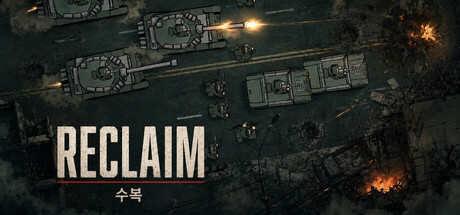 수복 In-game content artaudiotext | Generative AI was used to create some pre-generated artwork, audio, and text included in the game and its promotional materials. The game does not generate AI content during gameplay. | 시월스튜디오 | - | Sep 30, 2026 | |
 Spartan One In-game content art | Some UI elements are AI-generated placeholders. | noowanda | - | Sep 29, 2026 | |
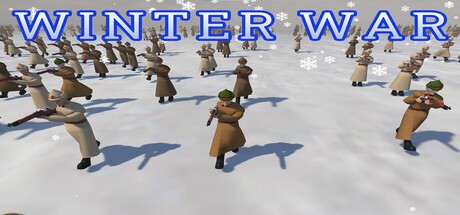 Winter War In-game content artaudio | One image in the game and some of the enemy voices were made using AI. | TK | - | Sep 28, 2026 | |
 Not Musical Chairs Dev only code | AI was used in developing game mechanics, primarily coding. Human reviewed code. | CCG | - | Sep 28, 2026 | |
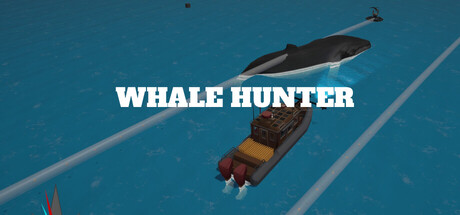 Whale Hunter Dev only code | Code was written using help of AI tools, all artwork is human made. | Tegridy Made Games | - | Sep 28, 2026 | |
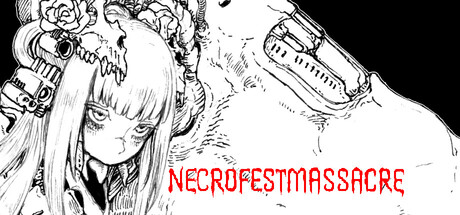 NECROFESTMASSACRE Unclear codetext | code and translation. | Crush-vAdin | - | Sep 27, 2026 |


