Public Steam disclosure research25,877 disclosures tracked
Where do games disclose AI use?
Search developers’ Steam disclosures, compare classified AI use across
games, and follow recorded changes.
This index adds cross-game classifications and statistics to
statements published on individual store pages.
Groups reflect automatic analysis of public disclosures; mature records are excluded. These counts do not measure AI use across all of Steam.
Missing or unclear statements cannot establish whether a game uses AI.
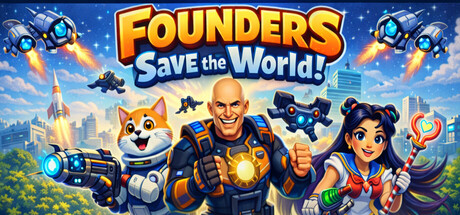
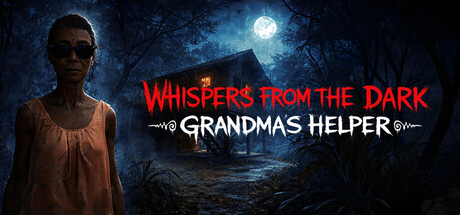
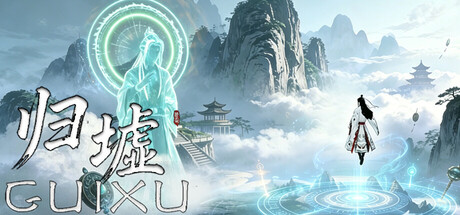
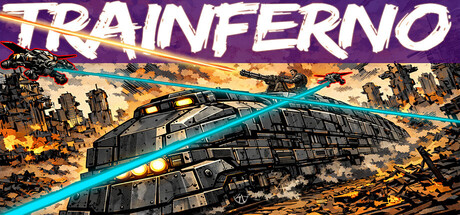
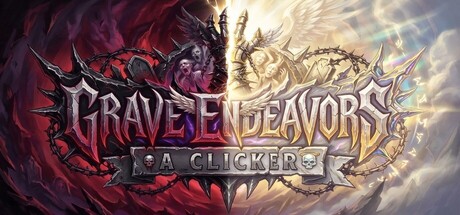
Some visual assets in this game, such as the capsule art, were generated with the assistance of AI tools and then edited and refined by the developer. No gameplay, mechanics, or code were generated by AI.
Most in-game visual assets were generated using AI tools, while all implementation, including placement and animation, was handled by the developers.
The user interface was created using non-AI assets and implemented by the development team.
We are an indie team of two programmers. We are currently using AI-generated art so we can start testing the game right away. Thank you for your understanding.
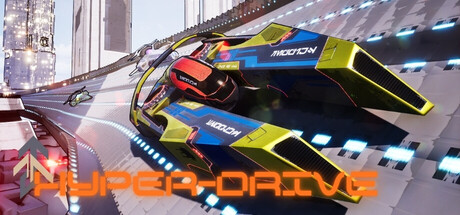
Some textures and 3D models in this game were created using AI-assisted procedural rendering during development. The game does not generate any content with AI at runtime.
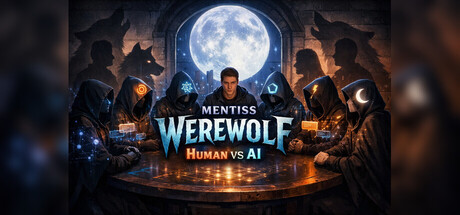
This game uses generative AI as its core gameplay mechanic. AI players are powered by large language models (including Claude, GPT, Gemini, Grok, and others) that generate all in-game dialogue, accusations, defenses, and strategic decisions in real time during gameplay. Each AI player reasons, debates, and votes autonomously. Some store page artwork was also generated using AI image generation tools.
Mix a Meow uses AI generation tools to create some assets, including character illustrations, icons, music, and sound effects. All character concepts and design directions were crafted by the developer; AI was used as a tool to bring them to life. No content is generated by AI during gameplay — all AI-assisted assets were reviewed and finalized by the developer before release.
This game utilizes generative AI tools to assist in the creation of select 2D artwork, specifically some UI icons, league background themes, and store page promotional materials. Other in-game assets, such as enemy art and player icon and GUI, were acquired through licensed asset stores.
**About the Use of AI**
This game was largely developed by a single developer with limited resources. To move faster and support certain parts of the creative process, I occasionally used AI tools during development.
AI was mainly used to help generate early drafts of visuals, initial text ideas, and to assist throughout the production process. However, everything you see in the game has been manually refined, reworked, and shaped to fit the overall vision of the game.
My goal was not to use AI as a shortcut, but as a supportive tool to help bring ideas to life more efficiently. This allowed me to focus more on the atmosphere, gameplay, and overall experience I wanted to create.
The final result — its world, mechanics, and feeling — reflects my own vision.
Some visual assets in this game, including backgrounds and certain enemy designs, were created using AI-assisted tools and then edited, modified, and integrated into the game by the developer.
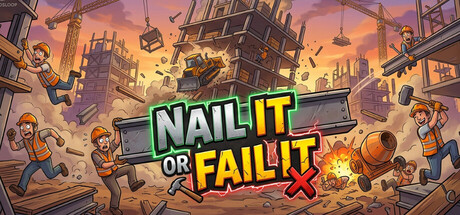
The Steam store page banners and promotional materials were created with the help of generative AI tools. The in-game assets were either manually created or edited afterward, while certain marketing visuals (such as headers, capsules, and banners) contain AI-generated elements.
Some visual assets used in the game’s store page and promotional materials were created with the assistance of generative AI tools. All gameplay content, writing, and narrative design are created by the developer.
In development and early prototyping, Rankbreaker used some generative art assets. These are being actively replaced with original work created by professional artists, and this transition is already underway.
Current contributions include:
Leonardo Veronesi: Disruptors “Void,” “Raven,” “Recoil,” and character card “Axl Rydell”
Samuele Colombini: Character cards “Bloodthirst,” “Ironjaw,” “Riff the Cat,” and “Stonewhal”
Richard Kessler: Location art “Deadspace,” “Sepulcher,” and “The Arc”
All generative assets are being phased out in favor of fully original artwork as development continues.
Some artwork used in store page capsule images and card illustrations was created with the assistance of AI image generation tools. All AI-generated assets were reviewed, curated, and edited by the developer. No AI is used during gameplay.
Spa World was developed with AI-assisted tools used during
the development process, including code assistance and
content drafting. All game design, creative direction,
artwork, and final decisions were made by the developer.
The game itself does not use or generate AI content
during gameplay.
As a solo developer, I utilize generative AI tools to assist in creating base 3D assets, environmental props, and certain 2D visual elements to streamline the development process. Additionally, AI is used to support the initial localization of game text, which is then manually reviewed and refined to ensure accuracy and cultural relevance. Every AI-assisted asset and text is carefully hand-edited to fit the game's specific art style and technical standards.
Game art assets are generated using AI tools to create initial concept art, which is then manually adjusted and modified by artists. The final works combine AI-generated foundational designs with human artistic revisions.
Some dynamic art assets are assisted in their creation by AI tools.
Some parts of development used AI-assisted workflows, including asset creation, image processing/background removal, voice work, and localization of in-game/help text into multiple languages.
This game uses generative artificial intelligence to assist in writing portions of its code during development. All AI-generated content has been manually reviewed, modified, and tested by the development team to ensure the game's stability, security, and content compliance. No real-time AI content is generated during gameplay.
Some visual assets in this game were created with the assistance of AI tools. All content has been reviewed, curated, and integrated by the developer to ensure a cohesive gameplay experience.
Some promotional and store assets for My Scout Life including Steam capsule and library images were created or refined using generative AI tools, combined with manual editing and layout. A portion of in-game imagery was also produced or assisted with generative AI, then reviewed and integrated into the game. No generative AI is used for real-time gameplay logic, match simulation, or core scouting/academy systems; it applies to visual assets and marketing art as described above. We will keep this statement updated if our use of AI-assisted content changes.
Some visual assets were created with the assistance of generative AI and later refined by the developer. All content has been reviewed for originality. No generative AI is used during gameplay.
"During the development process, we used generative AI tools solely to assist in creating icons for in-game upgrades. All AI-generated assets have been manually refined by our development team to ensure they align with our creative vision and the game's overall aesthetic."
Some visual assets in this game, such as the capsule art, were generated with the assistance of AI tools and then edited and refined by the developer. No gameplay, mechanics, or code were generated by AI.
Most in-game visual assets were generated using AI tools, while all implementation, including placement and animation, was handled by the developers.
The user interface was created using non-AI assets and implemented by the development team.
We are an indie team of two programmers. We are currently using AI-generated art so we can start testing the game right away. Thank you for your understanding.
Some textures and 3D models in this game were created using AI-assisted procedural rendering during development. The game does not generate any content with AI at runtime.
This game uses generative AI as its core gameplay mechanic. AI players are powered by large language models (including Claude, GPT, Gemini, Grok, and others) that generate all in-game dialogue, accusations, defenses, and strategic decisions in real time during gameplay. Each AI player reasons, debates, and votes autonomously. Some store page artwork was also generated using AI image generation tools.
Mix a Meow uses AI generation tools to create some assets, including character illustrations, icons, music, and sound effects. All character concepts and design directions were crafted by the developer; AI was used as a tool to bring them to life. No content is generated by AI during gameplay — all AI-assisted assets were reviewed and finalized by the developer before release.
This game utilizes generative AI tools to assist in the creation of select 2D artwork, specifically some UI icons, league background themes, and store page promotional materials. Other in-game assets, such as enemy art and player icon and GUI, were acquired through licensed asset stores.
**About the Use of AI**
This game was largely developed by a single developer with limited resources. To move faster and support certain parts of the creative process, I occasionally used AI tools during development.
AI was mainly used to help generate early drafts of visuals, initial text ideas, and to assist throughout the production process. However, everything you see in the game has been manually refined, reworked, and shaped to fit the overall vision of the game.
My goal was not to use AI as a shortcut, but as a supportive tool to help bring ideas to life more efficiently. This allowed me to focus more on the atmosphere, gameplay, and overall experience I wanted to create.
The final result — its world, mechanics, and feeling — reflects my own vision.
Some visual assets in this game, including backgrounds and certain enemy designs, were created using AI-assisted tools and then edited, modified, and integrated into the game by the developer.
The Steam store page banners and promotional materials were created with the help of generative AI tools. The in-game assets were either manually created or edited afterward, while certain marketing visuals (such as headers, capsules, and banners) contain AI-generated elements.
Some visual assets used in the game’s store page and promotional materials were created with the assistance of generative AI tools. All gameplay content, writing, and narrative design are created by the developer.
In development and early prototyping, Rankbreaker used some generative art assets. These are being actively replaced with original work created by professional artists, and this transition is already underway.
Current contributions include:
Leonardo Veronesi: Disruptors “Void,” “Raven,” “Recoil,” and character card “Axl Rydell”
Samuele Colombini: Character cards “Bloodthirst,” “Ironjaw,” “Riff the Cat,” and “Stonewhal”
Richard Kessler: Location art “Deadspace,” “Sepulcher,” and “The Arc”
All generative assets are being phased out in favor of fully original artwork as development continues.
Some artwork used in store page capsule images and card illustrations was created with the assistance of AI image generation tools. All AI-generated assets were reviewed, curated, and edited by the developer. No AI is used during gameplay.
Spa World was developed with AI-assisted tools used during
the development process, including code assistance and
content drafting. All game design, creative direction,
artwork, and final decisions were made by the developer.
The game itself does not use or generate AI content
during gameplay.
As a solo developer, I utilize generative AI tools to assist in creating base 3D assets, environmental props, and certain 2D visual elements to streamline the development process. Additionally, AI is used to support the initial localization of game text, which is then manually reviewed and refined to ensure accuracy and cultural relevance. Every AI-assisted asset and text is carefully hand-edited to fit the game's specific art style and technical standards.
Game art assets are generated using AI tools to create initial concept art, which is then manually adjusted and modified by artists. The final works combine AI-generated foundational designs with human artistic revisions.
Some dynamic art assets are assisted in their creation by AI tools.
Some parts of development used AI-assisted workflows, including asset creation, image processing/background removal, voice work, and localization of in-game/help text into multiple languages.
This game uses generative artificial intelligence to assist in writing portions of its code during development. All AI-generated content has been manually reviewed, modified, and tested by the development team to ensure the game's stability, security, and content compliance. No real-time AI content is generated during gameplay.
Some visual assets in this game were created with the assistance of AI tools. All content has been reviewed, curated, and integrated by the developer to ensure a cohesive gameplay experience.
Some promotional and store assets for My Scout Life including Steam capsule and library images were created or refined using generative AI tools, combined with manual editing and layout. A portion of in-game imagery was also produced or assisted with generative AI, then reviewed and integrated into the game. No generative AI is used for real-time gameplay logic, match simulation, or core scouting/academy systems; it applies to visual assets and marketing art as described above. We will keep this statement updated if our use of AI-assisted content changes.
Some visual assets were created with the assistance of generative AI and later refined by the developer. All content has been reviewed for originality. No generative AI is used during gameplay.
"During the development process, we used generative AI tools solely to assist in creating icons for in-game upgrades. All AI-generated assets have been manually refined by our development team to ensure they align with our creative vision and the game's overall aesthetic."