Public Steam disclosure research25,877 disclosures tracked
Where do games disclose AI use?
Search developers’ Steam disclosures, compare classified AI use across
games, and follow recorded changes.
This index adds cross-game classifications and statistics to
statements published on individual store pages.
Groups reflect automatic analysis of public disclosures; mature records are excluded. These counts do not measure AI use across all of Steam.
Missing or unclear statements cannot establish whether a game uses AI.
Some parts of this game were created with the assistance of generative AI tools, including certain visual assets, sounds, and code.
All AI-generated content has been reviewed and modified by the developer to ensure quality and consistency.
AI was used to proofread and correct texts.
No game assets were generated by AI.
All assets were either produced:
In-house
Commissioned from freelancers
From 3rd party asset providers
Of course, we used some artificial intelligence technologies to speed up our business processes and produce higher quality and better-performing games. We used Claude for code development, ChatGPT for visual production, created the game's cover art with ChatGPT, and wrote the game's overall code architecture with the help of Claude. These AIs significantly sped up our work, but absolutely do not think: "the developers produced this game without any hassle, using only a single prompt." This thought is completely wrong. What actually happened was that we gave these AIs some of the tasks we would have done ourselves, and they did them in stages to speed up the process. Even with this setup, it still took 6 months to finish the game.
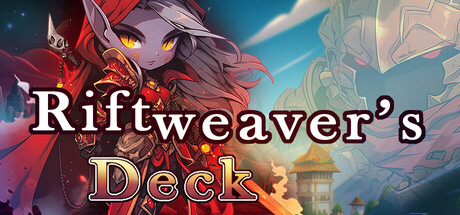
AI-generated images were used during the concept and reference phase. All final in-game artwork, including card illustrations, backgrounds, UI elements, and promotional materials, was hand-crafted and finalized by the developer.
Generative AI was used to create a few very specific, minor promotional images and texture enhancements. Everything else; including plane textures, sprites, UI, and airport layouts, was entirely hand crafted by a single human developer using free editing tools like GIMP, Canva, PowerPoint, and MSPaint.
Generative AI technology was utilized during the development of this game (specifically for combat music and English localization).
Special thanks to Suno for generating the game's combat music.
Special thanks to Gemini for supporting the English localization.
AI tools were used during development to help generate select visual assets and concepts. These assets were reviewed, refined, and integrated into the game by the developer to ensure consistency with the overall style and experience.
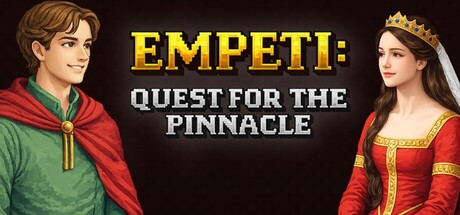
Empetiti: Quest for the Pinnacle uses generative AI as part of the production pipeline for selected images and voice-over/audio assets appearing in the game and some promotional materials. These assets are reviewed and refined by the development team before being published. The game does not use live-generated AI during gameplay.
THE GAME IS CONSTANTLY BEING REWORKED TO FURTHER MINIMISE THE USE OF AI-GENERATED IMAGES AND VOICES.
Generative AI was used to assist in the creation of certain pre-rendered store assets and promotional images for the Steam store page. No generative AI is used during gameplay, and the game does not rely on live AI-generated content.
Contains some optional AI generated voice samples, using Canva, strictly in order to comply with United States Twenty-First Century Communications and Video Accessibility Act (CVAA)
Some store and library marketing images were created with AI-assisted image generation. The game’s code, gameplay systems, balancing, ship behavior, upgrade systems, and implementation were developed by the developer.
Non-majorists are using Generative AI in everything from coding, images, audio, etc. to create games with just planning. At least it's a lot better than what I do myself.
Portions of the artwork in this game were created using AI-assisted tools and subsequently edited, curated, and integrated by the developer. The game's overall artistic direction, visual design, and asset integration remain the work of the human developer.
The game's code is written with the help of AI.
Every other gameplay aspects and assets, i.e. Art, Audio, etc., is human produced, with love and care sprinkled in.
How This Game Uses AI
FlashReading uses generative AI to enhance your language learning experience:
- Article Generation: Creates custom reading passages tailored to your vocabulary level and learning goals
- Translations: Provides instant translations of words and sentences to help you understand content
- Summaries: Generates article summaries to reinforce comprehension
You can choose between:
- Local AI: Run models privately on your device using Ollama (no internet required)
- Cloud AI: Connect to OpenAI, Anthropic, or compatible API services
Generative AI was used in a limited capacity to create initial drafts for certain visual assets, including some pre-rendered artwork and cutscene materials. These assets were then manually retouched, revised, and finalized by the development team.
For some cutscenes, AI-assisted video tools were also used to help animate pre-made visual materials.
AI is not used for real-time content generation, gameplay systems, or story generation.
All visual assets within this game—including scenes, characters, and interface-related visuals—were created using the Doubao generative AI tool and constitute AI-generated visual content. The developer carefully curated, refined, and optimized these AI-generated assets to ensure they align seamlessly with the game's overall artistic style and gameplay requirements. Conversely, the game's core gameplay design, programming, logical architecture, sound effect selection, and store listing copy were developed entirely by the developer independently, without the use of generative AI tools. We hereby provide this full and honest disclosure to our players to ensure complete content transparency.
This game made auxiliary use of pre-generated AI tools during solo development to improve efficiency in areas such as programming code scripts, game system data structure design, draft text writing, and the creation of certain UI icons (such as trait nodes). All AI-assisted content in the game—including code, graphic assets, and text—was thoroughly reviewed, revised, and reworked by the developer to align with the game's intended direction. This game does not include live-generated AI content that is created through real-time interaction with players.
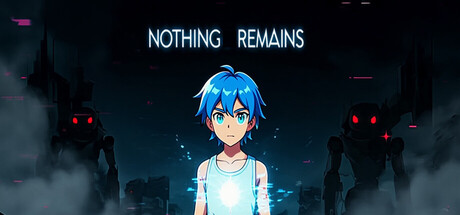
Some store and promotional artwork for Nothing Remains has been created or enhanced using AI-assisted tools. All gameplay systems, mechanics, and in-game content are fully original and developed without the use of generative AI.
Building a game of this scale as a solo indie developer is a gigantic quest. To bring this vision to life, I utilized AI to help manage the immense development load.
I have used AI to help create placeholder assets as visual guides to get the final look and feel, some initial base assets that have since been modified to be game-ready, and, in some rare cases, game elements that did not require further polishing. I have worked hard to ensure the overall quality is as high as possible, given the limitations with funding, personnel and time.
What wasn't made with AI:
The core game design, idea and execution. Some of the game code, performance optimizations, final polishing, and most final assets. Additionally, some of the development tools, such as the terrain optimizer/generator, targeting, turret, and explosion systems, have been under development as personal hobby projects for nearly a decade. The game was completely visualized, balanced, play tested, and designed by people (the fun part).
What is heavily AI-generated:
Audio: The audio concepts and prompts were written by me, generated using AI algorithms, and then manually polished where needed. Real human work was required to orchestrate, mix, time, and fit these audio clips seamlessly into the game.
Some textures: In a few rare cases, a generated texture was used "as-is" and did not require any additional post-processing or optimization of any kind (excluding cropping or some basic photoshopping).
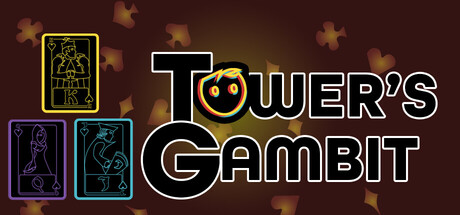
As a solo developer, I used AI as my development partner on Tower's Gambit. It has helped me code faster and prototype things quickly. Every design decision, every mechanic, every pixel of this game reflects my vision — AI just helped me get there.
Some visual assets such as fictional product packaging, posters, decorative graphics, icons and marketing materials were created with the help of generative AI and then reviewed/edited before being included in the game.
Game development was accelerated through use of AI code assistants to help create and test the software code.
Language translations were provided by AI.
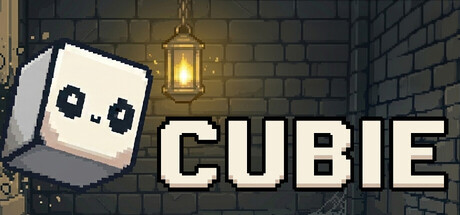
In the development of Cubie, generative AI tools were used to assist in the creation of various 2D graphical assets and environmental artwork. Additionally, AI was utilized to support the localization process, ensuring a better experience for players in different languages. All AI-generated content has been manually reviewed and refined to maintain the game's artistic vision and quality.
Some parts of this game were created with the assistance of generative AI tools, including certain visual assets, sounds, and code.
All AI-generated content has been reviewed and modified by the developer to ensure quality and consistency.
AI was used to proofread and correct texts.
No game assets were generated by AI.
All assets were either produced:
In-house
Commissioned from freelancers
From 3rd party asset providers
Of course, we used some artificial intelligence technologies to speed up our business processes and produce higher quality and better-performing games. We used Claude for code development, ChatGPT for visual production, created the game's cover art with ChatGPT, and wrote the game's overall code architecture with the help of Claude. These AIs significantly sped up our work, but absolutely do not think: "the developers produced this game without any hassle, using only a single prompt." This thought is completely wrong. What actually happened was that we gave these AIs some of the tasks we would have done ourselves, and they did them in stages to speed up the process. Even with this setup, it still took 6 months to finish the game.
AI-generated images were used during the concept and reference phase. All final in-game artwork, including card illustrations, backgrounds, UI elements, and promotional materials, was hand-crafted and finalized by the developer.
Generative AI was used to create a few very specific, minor promotional images and texture enhancements. Everything else; including plane textures, sprites, UI, and airport layouts, was entirely hand crafted by a single human developer using free editing tools like GIMP, Canva, PowerPoint, and MSPaint.
Generative AI technology was utilized during the development of this game (specifically for combat music and English localization).
Special thanks to Suno for generating the game's combat music.
Special thanks to Gemini for supporting the English localization.
AI tools were used during development to help generate select visual assets and concepts. These assets were reviewed, refined, and integrated into the game by the developer to ensure consistency with the overall style and experience.
Empetiti: Quest for the Pinnacle uses generative AI as part of the production pipeline for selected images and voice-over/audio assets appearing in the game and some promotional materials. These assets are reviewed and refined by the development team before being published. The game does not use live-generated AI during gameplay.
THE GAME IS CONSTANTLY BEING REWORKED TO FURTHER MINIMISE THE USE OF AI-GENERATED IMAGES AND VOICES.
Generative AI was used to assist in the creation of certain pre-rendered store assets and promotional images for the Steam store page. No generative AI is used during gameplay, and the game does not rely on live AI-generated content.
Contains some optional AI generated voice samples, using Canva, strictly in order to comply with United States Twenty-First Century Communications and Video Accessibility Act (CVAA)
Some store and library marketing images were created with AI-assisted image generation. The game’s code, gameplay systems, balancing, ship behavior, upgrade systems, and implementation were developed by the developer.
Non-majorists are using Generative AI in everything from coding, images, audio, etc. to create games with just planning. At least it's a lot better than what I do myself.
Portions of the artwork in this game were created using AI-assisted tools and subsequently edited, curated, and integrated by the developer. The game's overall artistic direction, visual design, and asset integration remain the work of the human developer.
The game's code is written with the help of AI.
Every other gameplay aspects and assets, i.e. Art, Audio, etc., is human produced, with love and care sprinkled in.
How This Game Uses AI
FlashReading uses generative AI to enhance your language learning experience:
- Article Generation: Creates custom reading passages tailored to your vocabulary level and learning goals
- Translations: Provides instant translations of words and sentences to help you understand content
- Summaries: Generates article summaries to reinforce comprehension
You can choose between:
- Local AI: Run models privately on your device using Ollama (no internet required)
- Cloud AI: Connect to OpenAI, Anthropic, or compatible API services
Generative AI was used in a limited capacity to create initial drafts for certain visual assets, including some pre-rendered artwork and cutscene materials. These assets were then manually retouched, revised, and finalized by the development team.
For some cutscenes, AI-assisted video tools were also used to help animate pre-made visual materials.
AI is not used for real-time content generation, gameplay systems, or story generation.
All visual assets within this game—including scenes, characters, and interface-related visuals—were created using the Doubao generative AI tool and constitute AI-generated visual content. The developer carefully curated, refined, and optimized these AI-generated assets to ensure they align seamlessly with the game's overall artistic style and gameplay requirements. Conversely, the game's core gameplay design, programming, logical architecture, sound effect selection, and store listing copy were developed entirely by the developer independently, without the use of generative AI tools. We hereby provide this full and honest disclosure to our players to ensure complete content transparency.
This game made auxiliary use of pre-generated AI tools during solo development to improve efficiency in areas such as programming code scripts, game system data structure design, draft text writing, and the creation of certain UI icons (such as trait nodes). All AI-assisted content in the game—including code, graphic assets, and text—was thoroughly reviewed, revised, and reworked by the developer to align with the game's intended direction. This game does not include live-generated AI content that is created through real-time interaction with players.
Some store and promotional artwork for Nothing Remains has been created or enhanced using AI-assisted tools. All gameplay systems, mechanics, and in-game content are fully original and developed without the use of generative AI.
Building a game of this scale as a solo indie developer is a gigantic quest. To bring this vision to life, I utilized AI to help manage the immense development load.
I have used AI to help create placeholder assets as visual guides to get the final look and feel, some initial base assets that have since been modified to be game-ready, and, in some rare cases, game elements that did not require further polishing. I have worked hard to ensure the overall quality is as high as possible, given the limitations with funding, personnel and time.
What wasn't made with AI:
The core game design, idea and execution. Some of the game code, performance optimizations, final polishing, and most final assets. Additionally, some of the development tools, such as the terrain optimizer/generator, targeting, turret, and explosion systems, have been under development as personal hobby projects for nearly a decade. The game was completely visualized, balanced, play tested, and designed by people (the fun part).
What is heavily AI-generated:
Audio: The audio concepts and prompts were written by me, generated using AI algorithms, and then manually polished where needed. Real human work was required to orchestrate, mix, time, and fit these audio clips seamlessly into the game.
Some textures: In a few rare cases, a generated texture was used "as-is" and did not require any additional post-processing or optimization of any kind (excluding cropping or some basic photoshopping).
As a solo developer, I used AI as my development partner on Tower's Gambit. It has helped me code faster and prototype things quickly. Every design decision, every mechanic, every pixel of this game reflects my vision — AI just helped me get there.
Some visual assets such as fictional product packaging, posters, decorative graphics, icons and marketing materials were created with the help of generative AI and then reviewed/edited before being included in the game.
Game development was accelerated through use of AI code assistants to help create and test the software code.
Language translations were provided by AI.
In the development of Cubie, generative AI tools were used to assist in the creation of various 2D graphical assets and environmental artwork. Additionally, AI was utilized to support the localization process, ensuring a better experience for players in different languages. All AI-generated content has been manually reviewed and refined to maintain the game's artistic vision and quality.