


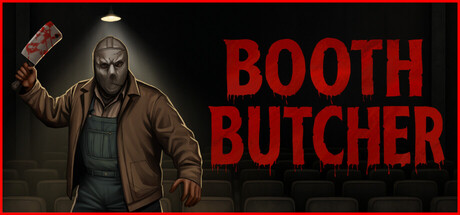


Disclosure
Images, animations, store page, and logo are generated using AI. Languages other than English are machine translated. AI was used to improve grammar.
- Creator
- VisualNovelGames
- Reviews
- -
- Added
- Aug 28, 2026
Public Steam disclosure research 26,760 disclosures tracked
Search developers’ Steam disclosures, compare classified AI use across games, and follow recorded changes. This index adds cross-game classifications and statistics to statements published on individual store pages.
Code help, debugging and other development work.
Capsule art, trailers and promotional material.
Pre-made art, audio, writing and other game assets.
Interactive or runtime AI features disclosed by the developer.
Groups reflect automatic analysis of public disclosures; mature records are excluded. These counts do not measure AI use across all of Steam. Missing or unclear statements cannot establish whether a game uses AI.
Images, animations, store page, and logo are generated using AI. Languages other than English are machine translated. AI was used to improve grammar.
AI has been used to help with coding, asset generation and voice generation.
Generative AI tools were used to assist with programming and translation/localization during development. All artwork and original dialogue were created by the developer. AI-assisted translations were reviewed and edited by the developer before being included in the game. No generative AI is used during gameplay.
Generative AI tools were used during development to assist in the creation of certain game assets. For visual assets such as units and characters, the developer first created original line art manually, then used AI-assisted coloring as part of the workflow, followed by additional manual editing and refinement. For music, AI was used to generate an initial melodic idea, which was then manually edited, arranged, and refined by the developer in LMMS. All AI-assisted content is pre-generated and reviewed by the developer before being included in the game. The game does not use live-generated AI during gameplay.
SIDE OUT was built with AI-assisted development tools. No artwork, audio, text or other content in the game is generated by AI. All visuals are drawn procedurally in code, and all store text is written by hand.
Generative AI tools were used during development to assist with the creation of some content.
Generative AI was used to assist in creating select art assets, which were reviewed, edited, and integrated by the developer. All gameplay, programming, and overall design were created by the development team.
AI was used during development to create portions of the game’s pre-generated artwork, characters, animations, music, voices, and sound effects. These assets are included in the finished game. No AI content is generated live during gameplay.
Artwork used on the Steam store page was created with the assistance of generative AI and was subsequently manually edited, refined, and improved. AI tools were also used to assist with the localization of the Steam store page.
Generative AI tools were used during development to create certain visual and audio assets: - 2D Visual Assets: Some 2D icons, UI symbols, and graphic elements were generated or assisted using AI image generation tools and polished for final in-game use. - Audio (BGM): Background music (BGM) tracks were generated with the assistance of generative AI music tools.
This game uses AI to assist in generating background music, art design, and multilingual translations.
AI tools were used for part of the art and music. Everything gets picked, cleaned up and put together by hand afterwards. There's no AI in the game itself: what you play is exactly what was built in mind.
None of the art is entirely AI-generated, though AI is heavily used for inspiration or touch-ups.
This game uses generative AI tools as part of its art creation process. Visual assets — including background and environment art, character and unit art, and card illustrations — were generated with the assistance of AI and then reviewed and refined by hand. All AI-assisted content is checked to ensure it meets our quality and originality standards.
Environments and environmental artwork are not created using generative AI. Generative AI is used as part of the early development workflow for prototyping some creature artwork, which is going to be replaced during development.
Generative AI tools were used during development to create certain pre-generated visual and audio assets, including character portraits and video sequences, mech and environment artwork, synthetic voice-over, and some sound effects. All generated assets were reviewed and curated by the developer. The game does not generate content during gameplay, and no player input is sent to generative AI services.
Generative AI tools were used to assist in the creation of some promotional artwork and marketing assets for the game. Final assets were reviewed and edited by the development team.
Kennel Chaos is made by a solo developer, and generative AI tools were used for some of its art, audio, branding and translations. If the pre-release goes well, we plan to replace the AI-generated art and background music with work by human artists before full release.
Generative AI was used to assist in creating a small number of icons.
AI is used to generate a portion of the in-game imagery.
Close Enough was built with generative AI. The code, the in-game text, the level layouts and all seven translations were written by an AI assistant (Claude) working to the developer's direction, and most of what you see on screen — the objects, the whole interface — is drawn by that code rather than loaded from image files. The doodle recognition inside the game is not generative. It is a small image classifier bundled with the game, trained on Google's Quick, Draw! dataset of human-drawn doodles. It runs entirely on your own computer, sorts each drawing into one of 100 pre-defined objects and creates nothing. Your drawings are never uploaded, and the release build contains no code that could upload them. The sprites, tiles, music, sound effects and font are licensed assets made by people, not by AI. Every one of them is credited inside the game under Esc → Credits.
Generative AI-assisted tools were used in the creation and development of some 3D models, audio, and visual content in the game. All such content was generated in advance during the development process and added to the game as pre-made assets. No content is generated in real time using generative AI during gameplay.
The character selection screen uses some art that has been created with the assistance of AI. The character art display on the store page has been partially created with the assistance of AI.
The game's voiceover and logo were created using AI.
Some character graphics and backgrounds were created with the assistance of generative AI tools.
This game includes content created with the help of AI during development. Images (34): backgrounds, the logo and in-game objects were created using OpenAI's image generation (gpt-image), then edited by the developer. 34 of the 66 sprites in the shipping build originate this way. UI elements and one texture (13) and sound effects (21): these were designed by AI (Claude) and implemented as the developer's own program code. They are not the output of an image or audio generation model; the shapes and waveforms are produced by deterministic processing. The game does not generate any content with AI at runtime. Music is licensed from a purchased royalty-free library and involves no AI. Stage design is the developer's own work.
hey guys. i used ai to code efficently. no ai generated art inside. have fun!
This game uses generative AI as a production tool. Character, enemy, boss, UI, and background art were created with image-generation models and then assembled, keyed, and edited by the team. Background music and in-game voice and narration (including Classical Latin lines in Purgatory) were also generated with AI and curated for the game. Gameplay, design, writing, and programming are human-authored. The game does not generate new text, images, or audio while you play. Some store and marketing images were produced with the same tools.
The background images and animals pictures are pre-rendered AI art
Used AI on preexisting artwork made by myself (ICONS) to speed up DEV by replacing frames faster than manual edit each button
Coquí Crusader was made with AI-assisted tools under the developer's direction. The coquí mascot logo and the background music were AI-generated. AI coding assistance was used to build the game and to help write its in-game and store text, all reviewed by the developer. Every design decision was made by the developer: the mechanics, the progression and balance, and the Puerto Rican setting — the ten zones based on real landmarks, the folklore creatures from Taíno legend, and the Spanish localization. No content is generated during gameplay, and the game never connects to any external AI service.
Some Steam store and library artwork (capsules, hero, broadcast panels, and similar marketing images) was created with generative AI, then selected and cropped by the developer. A few 3D props were blocked out with an AI modeling tool and then adjusted by hand for the game. The game itself does not use generative AI while you play. Halley, the story, fishing, and locations are human-authored. Worlds and water use traditional game systems, not live AI generation.
We are team of two with a design and development background. We have a combined decades experience shipping production-quality code and art. We use AI along with our other tools, like Blender, Substance, etc. to help us build our vision. We use AI in the early stage of concept development and prototyping, coding assistance, but everything that makes it in-game is hand-crafted and authored by us. The music is played by hand real instruments. All screen captures are 100% in-game with no alterations.
Este jogo foi desenvolvido por um único criador com o auxílio de Inteligência Artificial (IA) no processo de programação e na criação de alguns efeitos sonoros e áudios. Todas as artes, imagens, sprites e frames dentro do jogo foram criados inteiramente à mão, sem qualquer uso de IA.
Some of the promotional artwork, store page banners, and/or trailer visuals for Ascend Idle: Chronicles were created with the assistance of Generative AI tools. The core game code and design were developed entirely by hand as a solo project.
Generative AI was used during development to create pre-generated artwork (including fictional film posters and marketing images), narration, and some text and translations. These are fixed assets shipped with the game. No generative AI runs during gameplay, and no player input is sent to an external AI service.
Generative AI was used to create some of the illustrations featured on collectible cards. The card layouts and designs were manually created and edited.
We used AI tools in two places during development, and in neither of them to replace creative work. Our French, Spanish, Italian, Japanese and Korean localisations are made using AI. We also used AI assistance while writing and restructuring parts of our codebase. Everything players see and hear — art, animation, sound, music, game design and all original writing — was made by people.
All simulation, art, audio and text in Terra Logic are hand-made — the game ships with no AI-generated content and makes no network requests by default. One optional feature can generate text at runtime: the "whisper" narrator, a single one-line ambient caption. By default it composes lines from a built-in, hand-written phrase library. Players who supply their own Anthropic (Claude) API key in a local config file may enable AI-generated phrasing for that one caption line; without a key the AI path is fully inactive. AI output never affects simulation, gameplay, art, audio, or any other text.
Some of the art assets in the game were created using AI.
AI-generated content is used on the store page.
There is usage of generative AI in two places and everything it produced has been reviewed. The soundtrack was created with the assistance of AI, and some of the writing was drafted with an AI assistant and then edited afterwards: card, UI and help text, the Simplified Chinese translation, and the store page and marketing copy. Nothing else is model output — the logo, the app icon and every visual in the game are drawn by the game's own code from geometry in the source, and the sound effects are synthesized as you play.
I'm a solo developer, and I'd rather be upfront about where AI tools were used. The character base meshes and some of their textures were generated with AI. Every one of them was then brought into Blender and worked over by hand. Cleaned up, edited, re-textured and animated before it went anywhere near the game. They're all rendered with a toon shader I wrote myself. Everything else is made by hand. The tavern, the props and the whole environment are hand modeled. Other than that, everything else in the game was made by me.
All programming and game music (BGM) are generated by AI.
Generative AI tools were used during part of the development process. Generative AI was used for some 3D models and image assets. AI-generated assets were reviewed and adjusted by the developer before being included in the game. No content is generated by AI while the game is running.
Select visual artwork used in Comic Shop Tycoon, including some in-game comic and product artwork as well as Steam promotional artwork, was created using generative AI tools. All AI-generated content is pre-generated and fixed. The game does not generate AI content during gameplay or connect to external AI services while running.
AI-generated content in this project is limited to the store page and marketing materials. The game build itself contains no AI-generated content. Store page text: The store description and Early Access questionnaire answers were drafted with the assistance of a large language model, then reviewed and edited by the developer. Not AI-generated: All in-game art, models, textures and animation. 3D assets are CC0-licensed (Kenney) or built by the developer in Blender; textures are CC0/licensed sets from Poly Haven, ambientCG and Poliigon. All screenshots and capsule images are real frames captured from the game's renderer, composited with the game's own title typography. No image generation model was used to produce any art in the game or on the store page.
A moonlighting project from a husband and father of two, where late evenings and early mornings were made a little easier by generative AI tooling. The game's art, the pilot voice-over, and the music all started as AI-generated assets that I then reviewed, edited, and shaped into the game. The direction and the decisions are mine; nothing is generated while you play. Always open to constructive feedback.
Generative AI is used in a supplementary capacity, at two points. First, as a drafting step for some of the game's 2D illustrations: every such asset is then rebuilt through our own production pipeline — reduced to a strict 1-bit black-and-white format, curated, and animated frame by frame with in-house tools — so that it matches our art direction. Second, the game is written in French, and its translations into the eight other supported languages are AI-assisted. No generative AI runs in the game itself: all content ships fixed with the build.
This game uses generative AI in almost every aspect of its development, including programming, graphics, music, and more.
| Title⇅ | Disclosure | Creator⇅ | Src | Reviews⇅ | Added↓ |
|---|---|---|---|---|---|
 The Things We Don't See: 10 Interactive Stories of Horror, Mystery, and the Unknown In-game content arttext | Images, animations, store page, and logo are generated using AI. Languages other than English are machine translated. AI was used to improve grammar. | VisualNovelGames | - | Aug 28, 2026 | |
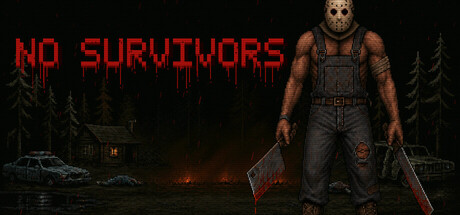 No Survivors In-game content artaudio | AI has been used to help with coding, asset generation and voice generation. | Sparky Games | - | Aug 28, 2026 | |
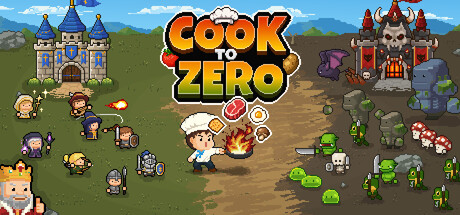 Cook to Zero In-game content text | Generative AI tools were used to assist with programming and translation/localization during development. All artwork and original dialogue were created by the developer. AI-assisted translations were reviewed and edited by the developer before being included in the game. No generative AI is used during gameplay. | DOLSTEP | - | Aug 28, 2026 | |
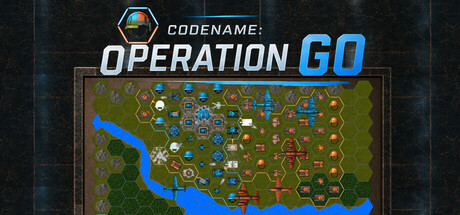 Codename: Operation Go In-game content artaudio | Generative AI tools were used during development to assist in the creation of certain game assets. For visual assets such as units and characters, the developer first created original line art manually, then used AI-assisted coloring as part of the workflow, followed by additional manual editing and refinement. For music, AI was used to generate an initial melodic idea, which was then manually edited, arranged, and refined by the developer in LMMS. All AI-assisted content is pre-generated and reviewed by the developer before being included in the game. The game does not use live-generated AI during gameplay. | Iteration Unit | - | Aug 28, 2026 | |
 SIDE OUT Dev only arttextcode | SIDE OUT was built with AI-assisted development tools. No artwork, audio, text or other content in the game is generated by AI. All visuals are drawn procedurally in code, and all store text is written by hand. | antics | - | Aug 28, 2026 | |
 Chess: Apex Unclear | Generative AI tools were used during development to assist with the creation of some content. | Netherlate Games | - | Aug 28, 2026 | |
 Ragtag Fleet In-game content art | Generative AI was used to assist in creating select art assets, which were reviewed, edited, and integrated by the developer. All gameplay, programming, and overall design were created by the development team. | ESDF Game | - | Aug 28, 2026 | |
 Gears Of Conquest In-game content artaudio | AI was used during development to create portions of the game’s pre-generated artwork, characters, animations, music, voices, and sound effects. These assets are included in the finished game. No AI content is generated live during gameplay. | Makroudata | - | Aug 28, 2026 | |
 Last Paddle Standing In-game content arttext | Artwork used on the Steam store page was created with the assistance of generative AI and was subsequently manually edited, refined, and improved. AI tools were also used to assist with the localization of the Steam store page. | TAYN Games | - | Aug 28, 2026 | |
 Meteor Spin In-game content artaudio | Generative AI tools were used during development to create certain visual and audio assets:
- 2D Visual Assets: Some 2D icons, UI symbols, and graphic elements were generated or assisted using AI image generation tools and polished for final in-game use.
- Audio (BGM): Background music (BGM) tracks were generated with the assistance of generative AI music tools. | Chemkaaa | - | Aug 28, 2026 | |
 Hanzi Bird In-game content audioarttext | This game uses AI to assist in generating background music, art design, and multilingual translations. | FFSKYChocobo | - | Aug 28, 2026 | |
 HUMAN, 39.99 In-game content artaudio | AI tools were used for part of the art and music. Everything gets picked, cleaned up and put together by hand afterwards. There's no AI in the game itself: what you play is exactly what was built in mind. | Wombart | - | Aug 28, 2026 | |
 Fatal Logic In-game content art | None of the art is entirely AI-generated, though AI is heavily used for inspiration or touch-ups. | ItWorkedOnMyMachine | - | Aug 28, 2026 | |
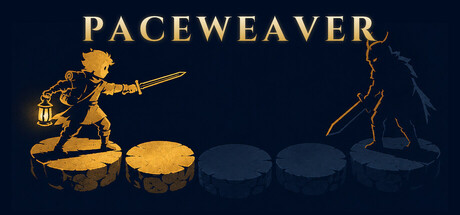 Paceweaver In-game content art | This game uses generative AI tools as part of its art creation process. Visual assets — including background and environment art, character and unit art, and card illustrations — were generated with the assistance of AI and then reviewed and refined by hand. All AI-assisted content is checked to ensure it meets our quality and originality standards. | Goblin Games | - | Aug 28, 2026 | |
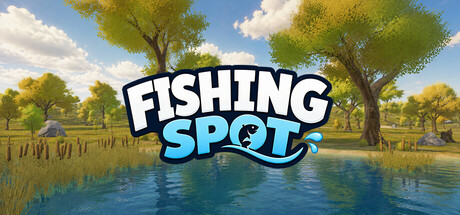 Fishing Spot Dev only art | Environments and environmental artwork are not created using generative AI.
Generative AI is used as part of the early development workflow for prototyping some creature artwork, which is going to be replaced during development. | Float Dev | - | Aug 28, 2026 | |
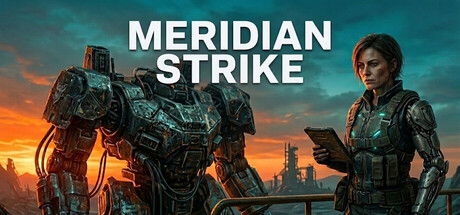 Meridian Strike In-game content artaudio | Generative AI tools were used during development to create certain pre-generated visual and audio assets, including character portraits and video sequences, mech and environment artwork, synthetic voice-over, and some sound effects. All generated assets were reviewed and curated by the developer. The game does not generate content during gameplay, and no player input is sent to generative AI services. | Fredrik Carleson | - | Aug 28, 2026 | |
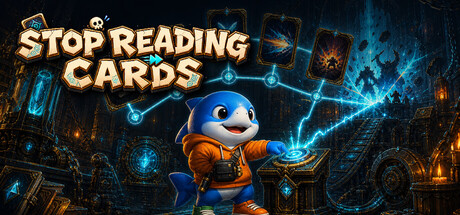 Stop Reading the Cards Store/marketing art | Generative AI tools were used to assist in the creation of some promotional artwork and marketing assets for the game. Final assets were reviewed and edited by the development team. | Working As Intended | - | Aug 28, 2026 | |
 Kennel Chaos In-game content artaudiotext | Kennel Chaos is made by a solo developer, and generative AI tools were used for some of its art, audio, branding and translations. If the pre-release goes well, we plan to replace the AI-generated art and background music with work by human artists before full release. | Watashi Games | - | Aug 28, 2026 | |
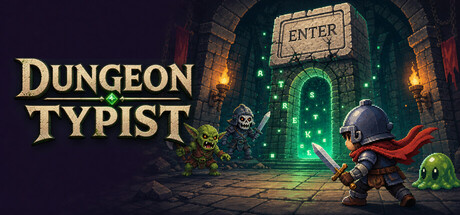 Dungeon Typist In-game content art | Generative AI was used to assist in creating a small number of icons. | IDfeng | - | Aug 28, 2026 | |
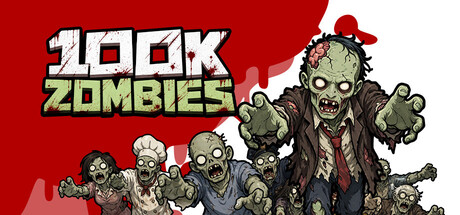 100K ZOMBIES In-game content art | AI is used to generate a portion of the in-game imagery. | 正常游戏 Normal Games | - | Aug 28, 2026 | |
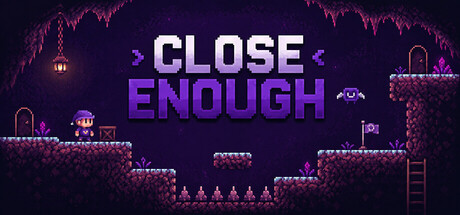 Close Enough In-game content arttextcode | Close Enough was built with generative AI. The code, the in-game text, the level layouts and all seven translations were written by an AI assistant (Claude) working to the developer's direction, and most of what you see on screen — the objects, the whole interface — is drawn by that code rather than loaded from image files.
The doodle recognition inside the game is not generative. It is a small image classifier bundled with the game, trained on Google's Quick, Draw! dataset of human-drawn doodles. It runs entirely on your own computer, sorts each drawing into one of 100 pre-defined objects and creates nothing. Your drawings are never uploaded, and the release build contains no code that could upload them.
The sprites, tiles, music, sound effects and font are licensed assets made by people, not by AI. Every one of them is credited inside the game under Esc → Credits. | dodnd | - | Aug 28, 2026 | |
 EXAM WATCH! In-game content artaudio | Generative AI-assisted tools were used in the creation and development of some 3D models, audio, and visual content in the game. All such content was generated in advance during the development process and added to the game as pre-made assets. No content is generated in real time using generative AI during gameplay. | PRC Games | - | Aug 28, 2026 | |
 Roulette Simulator 2027 In-game content art | The character selection screen uses some art that has been created with the assistance of AI.
The character art display on the store page has been partially created with the assistance of AI. | FlagmanJeremy | - | Aug 28, 2026 | |
 911 Dispatcher: Unknown Caller In-game content audioart | The game's voiceover and logo were created using AI. | Room13Games | - | Aug 28, 2026 | |
 奶瓦的笑 In-game content art | Some character graphics and backgrounds were created with the assistance of generative AI tools. | ZikL | - | Aug 28, 2026 | |
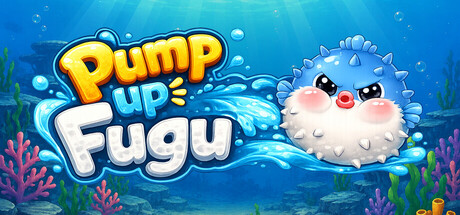 PumpUp Fugu In-game content artaudio | This game includes content created with the help of AI during development.
Images (34): backgrounds, the logo and in-game objects were created using OpenAI's image generation (gpt-image), then edited by the developer.
34 of the 66 sprites in the shipping build originate this way.
UI elements and one texture (13) and sound effects (21): these were designed by AI (Claude) and implemented as the developer's own program code. They are not the output of an image or audio generation model; the shapes and waveforms are produced by deterministic processing.
The game does not generate any content with AI at runtime.
Music is licensed from a purchased royalty-free library and involves no
AI. Stage design is the developer's own work. | O-Planning | - | Aug 28, 2026 | |
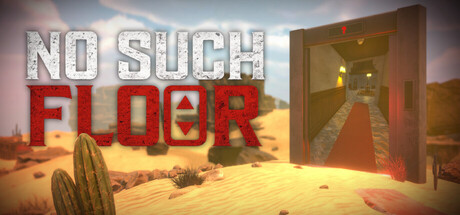 No Such Floor Dev only code | hey guys. i used ai to code efficently. no ai generated art inside. have fun! | QuasART GAMES | - | Aug 28, 2026 | |
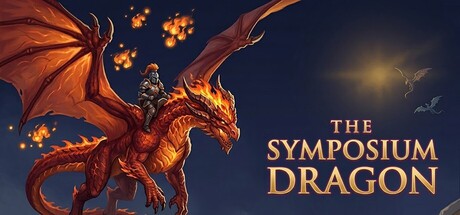 The Symposium Dragon In-game content artaudiotext | This game uses generative AI as a production tool. Character, enemy, boss, UI, and background art were created with image-generation models and then assembled, keyed, and edited by the team. Background music and in-game voice and narration (including Classical Latin lines in Purgatory) were also generated with AI and curated for the game.
Gameplay, design, writing, and programming are human-authored. The game does not generate new text, images, or audio while you play. Some store and marketing images were produced with the same tools. | STUDIO MIL | - | Aug 28, 2026 | |
 Chronime Puzzle: Animals In-game content art | The background images and animals pictures are pre-rendered AI art | Quantum Quiver Games | - | Aug 28, 2026 | |
 Horror Game Creator In-game content art | Used AI on preexisting artwork made by myself (ICONS) to speed up DEV by replacing frames faster than manual edit each button | Outlaw Games | - | Aug 28, 2026 | |
 Coquí Crusader: Defenders of Borikén In-game content artaudiotext | Coquí Crusader was made with AI-assisted tools under the developer's direction.
The coquí mascot logo and the background music were AI-generated. AI coding assistance was used to build the game and to help write its in-game and store text, all reviewed by the developer.
Every design decision was made by the developer: the mechanics, the progression and balance, and the Puerto Rican setting — the ten zones based on real landmarks, the folklore creatures from Taíno legend, and the Spanish localization.
No content is generated during gameplay, and the game never connects to any external AI service. | Yucayeque Games | - | Aug 28, 2026 | |
 Halley's Big Catch Store/marketing art | Some Steam store and library artwork (capsules, hero, broadcast panels, and similar marketing images) was created with generative AI, then selected and cropped by the developer.
A few 3D props were blocked out with an AI modeling tool and then adjusted by hand for the game.
The game itself does not use generative AI while you play. Halley, the story, fishing, and locations are human-authored. Worlds and water use traditional game systems, not live AI generation. | ACCDevWorks | - | Aug 28, 2026 | |
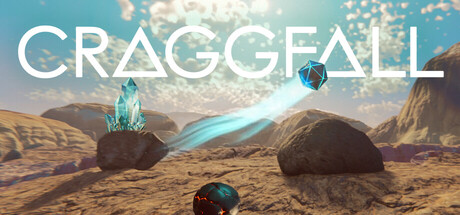 CRAGGFALL In-game content artcodeaudio | We are team of two with a design and development background. We have a combined decades experience shipping production-quality code and art. We use AI along with our other tools, like Blender, Substance, etc. to help us build our vision. We use AI in the early stage of concept development and prototyping, coding assistance, but everything that makes it in-game is hand-crafted and authored by us. The music is played by hand real instruments. All screen captures are 100% in-game with no alterations. | SynthForm Studios | - | Aug 28, 2026 | |
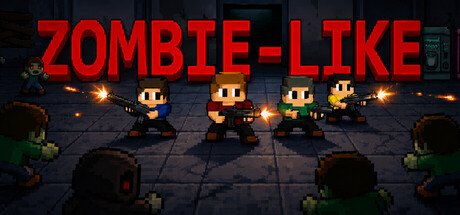 Zombie-Like In-game content audiocode | Este jogo foi desenvolvido por um único criador com o auxílio de Inteligência Artificial (IA) no processo de programação e na criação de alguns efeitos sonoros e áudios.
Todas as artes, imagens, sprites e frames dentro do jogo foram criados inteiramente à mão, sem qualquer uso de IA. | code_1s1k | - | Aug 28, 2026 | |
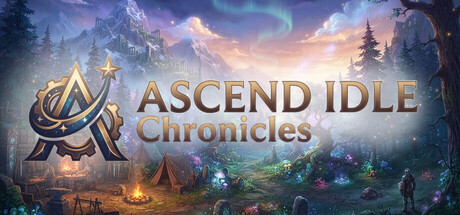 Ascend Idle: Chronicles Store/marketing art | Some of the promotional artwork, store page banners, and/or trailer visuals for Ascend Idle: Chronicles were created with the assistance of Generative AI tools. The core game code and design were developed entirely by hand as a solo project. | GODev Games | - | Aug 28, 2026 | |
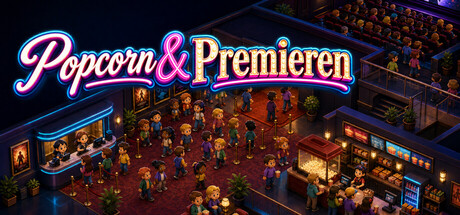 Popcorn & Premieren In-game content arttext | Generative AI was used during development to create pre-generated artwork (including fictional film posters and marketing images), narration, and some text and translations. These are fixed assets shipped with the game. No generative AI runs during gameplay, and no player input is sent to an external AI service. | Jodelsoft | - | Aug 28, 2026 | |
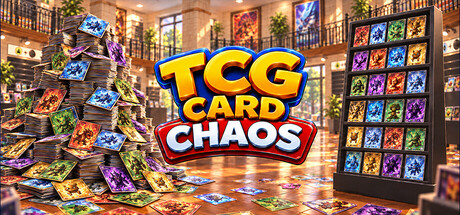 TCG Card Chaos In-game content art | Generative AI was used to create some of the illustrations featured on collectible cards. The card layouts and designs were manually created and edited. | Odd Forge Games | - | Aug 28, 2026 | |
 Confined Space - Module Madness In-game content textcode | We used AI tools in two places during development, and in neither of them to replace creative work.
Our French, Spanish, Italian, Japanese and Korean localisations are made using AI. We also used AI assistance while writing and restructuring parts of our codebase.
Everything players see and hear — art, animation, sound, music, game design and all original writing — was made by people. | Confined Space Crew | - | Aug 28, 2026 | |
 TERRA: 地表逻辑 Live AI text | All simulation, art, audio and text in Terra Logic are hand-made — the game ships with no AI-generated content and makes no network requests by default. One optional feature can generate text at runtime: the "whisper" narrator, a single one-line ambient caption. By default it composes lines from a built-in, hand-written phrase library. Players who supply their own Anthropic (Claude) API key in a local config file may enable AI-generated phrasing for that one caption line; without a key the AI path is fully inactive. AI output never affects simulation, gameplay, art, audio, or any other text. | Cyborg V | - | Aug 28, 2026 | |
 No Rest for Thieves In-game content art | Some of the art assets in the game were created using AI. | OntologyPlay | - | Aug 28, 2026 | |
 Water Sort:Alchemy Store/marketing | AI-generated content is used on the store page. | FWGames | - | Aug 28, 2026 | |
 Scrapstorm In-game content audiotext | There is usage of generative AI in two places and everything it produced has been reviewed. The soundtrack was created with the assistance of AI, and some of the writing was drafted with an AI assistant and then edited afterwards: card, UI and help text, the Simplified Chinese translation, and the store page and marketing copy. Nothing else is model output — the logo, the app icon and every visual in the game are drawn by the game's own code from geometry in the source, and the sound effects are synthesized as you play. | Pixiliated | - | Aug 28, 2026 | |
 Twilight Tavern In-game content art | I'm a solo developer, and I'd rather be upfront about where AI tools were used.
The character base meshes and some of their textures were generated with AI.
Every one of them was then brought into Blender and worked over by hand. Cleaned up, edited, re-textured and animated before it went anywhere near the game.
They're all rendered with a toon shader I wrote myself.
Everything else is made by hand.
The tavern, the props and the whole environment are hand modeled.
Other than that, everything else in the game was made by me. | Siyesh Games | - | Aug 28, 2026 | |
 Nozile In-game content codeaudio | All programming and game music (BGM) are generated by AI. | Masanori Chida | - | Aug 28, 2026 | |
 カブトムシの森 In-game content art | Generative AI tools were used during part of the development process.
Generative AI was used for some 3D models and image assets. AI-generated assets were reviewed and adjusted by the developer before being included in the game.
No content is generated by AI while the game is running. | Neruneko | 15 | Aug 28, 2026 | |
 Comic Shop Tycoon In-game content art | Select visual artwork used in Comic Shop Tycoon, including some in-game comic and product artwork as well as Steam promotional artwork, was created using generative AI tools. All AI-generated content is pre-generated and fixed. The game does not generate AI content during gameplay or connect to external AI services while running. | Phenixx Studios | - | Aug 28, 2026 | |
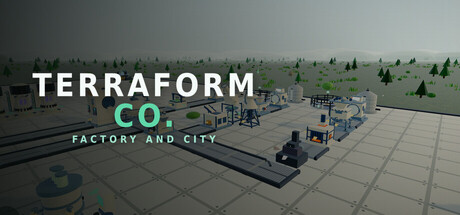 Terraform Co: Factory and City Store/marketing text | AI-generated content in this project is limited to the store page and marketing materials. The game build itself contains no AI-generated content.
Store page text: The store description and Early Access questionnaire answers were drafted with the assistance of a large language model, then reviewed and edited by the developer.
Not AI-generated: All in-game art, models, textures and animation. 3D assets are CC0-licensed (Kenney) or built by the developer in Blender; textures are CC0/licensed sets from Poly Haven, ambientCG and Poliigon. All screenshots and capsule images are real frames captured from the game's renderer, composited with the game's own title typography. No image generation model was used to produce any art in the game or on the store page. | Melon Dev | - | Aug 28, 2026 | |
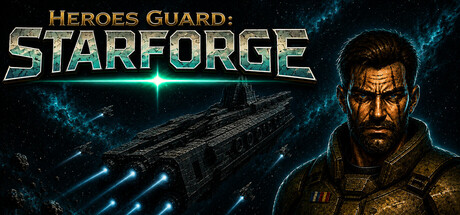 Heroes Guard: Starforge In-game content artaudiotext | A moonlighting project from a husband and father of two, where late evenings and early mornings were made a little easier by generative AI tooling. The game's art, the pilot voice-over, and the music all started as AI-generated assets that I then reviewed, edited, and shaped into the game. The direction and the decisions are mine; nothing is generated while you play. Always open to constructive feedback. | Under Byte Studios, LLC | - | Aug 28, 2026 | |
 Randventure In-game content arttext | Generative AI is used in a supplementary capacity, at two points. First, as a drafting step for some of the game's 2D illustrations: every such asset is then rebuilt through our own production pipeline — reduced to a strict 1-bit black-and-white format, curated, and animated frame by frame with in-house tools — so that it matches our art direction. Second, the game is written in French, and its translations into the eight other supported languages are AI-assisted. No generative AI runs in the game itself: all content ships fixed with the build. | Epreyn | - | Aug 28, 2026 | |
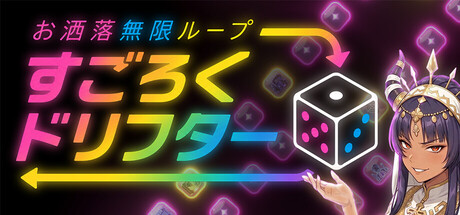 お洒落無限ループ!すごろくドリフター Unclear artaudiocode | This game uses generative AI in almost every aspect of its development, including programming, graphics, music, and more. | 合成結社五頭大威 | - | Aug 28, 2026 |


