Public Steam disclosure research25,710 disclosures tracked
Where do games disclose AI use?
Search developers’ Steam disclosures, compare classified AI use across
games, and follow recorded changes.
This index adds cross-game classifications and statistics to
statements published on individual store pages.
Groups reflect automatic analysis of public disclosures; mature records are excluded. These counts do not measure AI use across all of Steam.
Missing or unclear statements cannot establish whether a game uses AI.
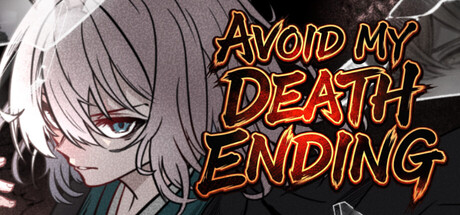
We don't use "black box" models trained on stolen art. Our generative models are trained exclusively on our own proprietary assets, sketches, and source material. If the AI didn't learn it from our own artists, it doesn't exist in our pipeline. No scraping, no copyright infringement, no "oops, that looks like a famous illustrator's style" moments.
We aren't using AI to write our stories or paint our worlds we still prefer the human touch for that. Generative technology is strictly limited to in-game animations.
We built our own "brain," fed it only our own art, and it only helps with the "wiggly bits" (animations). Everything else is pure, unadulterated human effort.
Some minor assets in this game were created or assisted using AI tools. Where possible, assets were sourced or created by real people, with AI used only where needed. Everything here was chosen to help bring this project to life.
We utilize AI exclusively for high-resolution upscaling and refining the details of our legacy artwork. Because we prioritize the integrity of our original style, we do not feed third-party artwork into any AI systems. While we work hard to polish every frame, you may occasionally notice minor "AI artifacts", a byproduct of the technical upscaling process used to make our original art shine on High Resolution displays.
AI was used to generate some basic art assets, which were then modified by humans.AI was used to generate some basic art assets, which were then modified by humans.
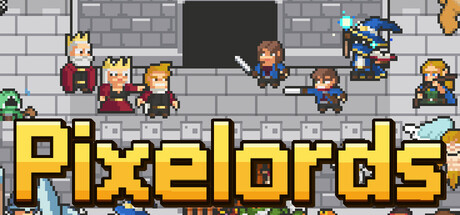
This game has pixel art assets, logos, and character designs made by different AI tools. AI-generated text-to-speech is also used for spoken dialogue. The game does not generate new content dynamically while running. All AI-generated material has been curated and integrated by the developer to ensure appropriateness and originality.
Generative Pre-Trained Transformer has been used for improving the game content, for example to improve amazing vehicles, effects and marketing materials.
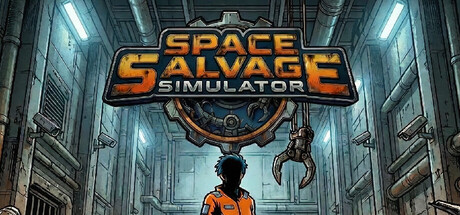
This game contains visual assets generated using generative AI tools (including some characters, vehicles, and icons). All such assets have been reviewed and integrated by the developer.
The game does not use generative AI during gameplay, nor does it generate any content in real time. All gameplay logic and systems are fully developer-created.
The translation of this version was created with the help of AI. The game’s story, original writing, artwork, and music were created by hand by the author in 2018.
Generative AI tools are used solely to create certain pre-generated game content and marketing materials (including images, video advertisements, and narrative elements). In addition, AI-assisted tools may be used to support customer service operations, subject to appropriate oversight and quality controls. All AI-assisted content undergoes human review, editing, and approval prior to publication. No live or real-time AI generation occurs during gameplay, and users are not able to prompt or otherwise interact with any AI systems to generate content. Certain materials produced by third-party vendors may incorporate AI-assisted tools; however, all such materials are pre-rendered and subject to human review and approval prior to release.
How we use artificial intelligence:
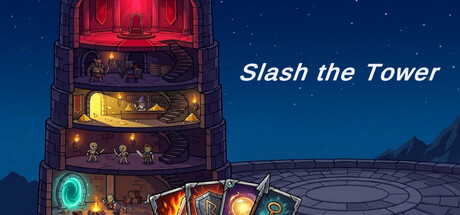
Some creative assets in Slash The Tower were created with the help of generative AI.
Art and music were produced using Google Gemini (AI-assisted generation). Those assets are pre-made and shipped with the game—they are not generated live while you play.
Game code and parts of the user interface were developed with assistance from Cursor (an AI-enabled editor) together with Unity. That means design and implementation were guided by us as developers, with AI helping draft or refine code and UI-related work—not replacing human creative direction for the whole game.
We do not use generative AI to create personalized or real-time content for each player session beyond what is described above. If we add AI-generated material to the Steam store page, community hubs, or marketing, we will treat it the same way: clearly labeled and consistent with this approach.
As a small indie team, we may use procedural and/or AI-based tools to assist with the development process. In all such cases, the final product reflects the creativity and expression of our own development team.
During the game's development, we may use tools that make use of procedural generation or AI. In every case, the final product reflects the creativity and artistic direction of the development team.
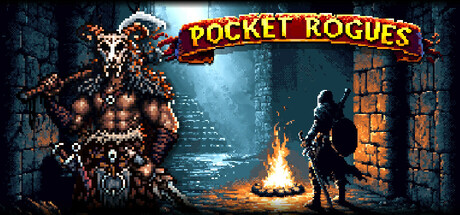
Some of the images in the game were created using neural networks, but were later significantly modified (or used only as inspiration). No image in Pocket Rogues is entirely AI generated.
Some voice acting, music, and graphics(SVG) and game capsules/main menu art were created using AI generation tools All content was reviewed and curated by the developer.
Some store page images and portions of the code were assisted by AI tools during development. All gameplay, design decisions, and creative direction were made by the developer.
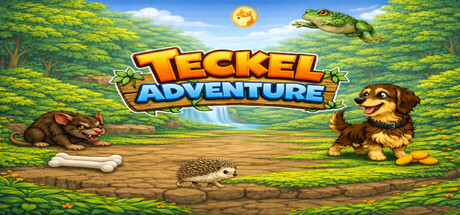
Some promotional or artistic visual assets in Teckel Adventure were initially generated with the help of AI tools and then edited or integrated by the developer.
No content is generated by AI during gameplay. All gameplay systems and interactive content are fully predefined.
During development, generative AI tools were used to assist in creating the following content:
Image Assets: Some enemy characters, backgrounds, and scene elements were created with the assistance of AI tools. All images have undergone extensive manual illustration, style integration, and post-processing to ensure consistency with the game's overall art direction.
Music & Sound Effects: Prototypes for some background music tracks and ambient sound effects were created with the assistance of AI tools.
AI was used in the production of this game:
• Programming — Anthropic Claude AI Code
• Music and some sound effects — Suno AI v5, Elevenlabs, Google Gemini (prompting support)
• Many graphic assets — Nano Banana Pro with Google Flow, Google Gemini (prompting support)
• Some graphic assets — Krea AI
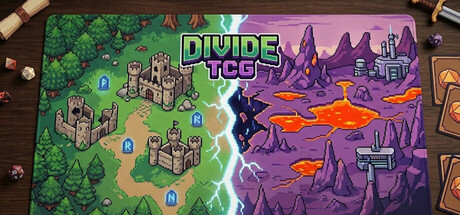
2D Visual Assets: All in-game card illustrations—including the retro pixel art items, weapons, and relics and any images, as well as the main "Divide TCG" promotional logo art, were pre-generated using AI image generation tools.
Code and UI Assistance: AI text models were used as a collaborative programming assistant to help write, structure, and troubleshoot the game's HTML and CSS user interface, including the card binder layouts, responsive grids, and visual effects.
Marketing Copy: AI text models were utilized to help draft and refine portions of the text and descriptions found on this Steam store page.
We don't use "black box" models trained on stolen art. Our generative models are trained exclusively on our own proprietary assets, sketches, and source material. If the AI didn't learn it from our own artists, it doesn't exist in our pipeline. No scraping, no copyright infringement, no "oops, that looks like a famous illustrator's style" moments.
We aren't using AI to write our stories or paint our worlds we still prefer the human touch for that. Generative technology is strictly limited to in-game animations.
We built our own "brain," fed it only our own art, and it only helps with the "wiggly bits" (animations). Everything else is pure, unadulterated human effort.
Some minor assets in this game were created or assisted using AI tools. Where possible, assets were sourced or created by real people, with AI used only where needed. Everything here was chosen to help bring this project to life.
We utilize AI exclusively for high-resolution upscaling and refining the details of our legacy artwork. Because we prioritize the integrity of our original style, we do not feed third-party artwork into any AI systems. While we work hard to polish every frame, you may occasionally notice minor "AI artifacts", a byproduct of the technical upscaling process used to make our original art shine on High Resolution displays.
AI was used to generate some basic art assets, which were then modified by humans.AI was used to generate some basic art assets, which were then modified by humans.
This game has pixel art assets, logos, and character designs made by different AI tools. AI-generated text-to-speech is also used for spoken dialogue. The game does not generate new content dynamically while running. All AI-generated material has been curated and integrated by the developer to ensure appropriateness and originality.
Generative Pre-Trained Transformer has been used for improving the game content, for example to improve amazing vehicles, effects and marketing materials.
This game contains visual assets generated using generative AI tools (including some characters, vehicles, and icons). All such assets have been reviewed and integrated by the developer.
The game does not use generative AI during gameplay, nor does it generate any content in real time. All gameplay logic and systems are fully developer-created.
The translation of this version was created with the help of AI. The game’s story, original writing, artwork, and music were created by hand by the author in 2018.
Generative AI tools are used solely to create certain pre-generated game content and marketing materials (including images, video advertisements, and narrative elements). In addition, AI-assisted tools may be used to support customer service operations, subject to appropriate oversight and quality controls. All AI-assisted content undergoes human review, editing, and approval prior to publication. No live or real-time AI generation occurs during gameplay, and users are not able to prompt or otherwise interact with any AI systems to generate content. Certain materials produced by third-party vendors may incorporate AI-assisted tools; however, all such materials are pre-rendered and subject to human review and approval prior to release.
How we use artificial intelligence:
Some creative assets in Slash The Tower were created with the help of generative AI.
Art and music were produced using Google Gemini (AI-assisted generation). Those assets are pre-made and shipped with the game—they are not generated live while you play.
Game code and parts of the user interface were developed with assistance from Cursor (an AI-enabled editor) together with Unity. That means design and implementation were guided by us as developers, with AI helping draft or refine code and UI-related work—not replacing human creative direction for the whole game.
We do not use generative AI to create personalized or real-time content for each player session beyond what is described above. If we add AI-generated material to the Steam store page, community hubs, or marketing, we will treat it the same way: clearly labeled and consistent with this approach.
As a small indie team, we may use procedural and/or AI-based tools to assist with the development process. In all such cases, the final product reflects the creativity and expression of our own development team.
During the game's development, we may use tools that make use of procedural generation or AI. In every case, the final product reflects the creativity and artistic direction of the development team.
Some of the images in the game were created using neural networks, but were later significantly modified (or used only as inspiration). No image in Pocket Rogues is entirely AI generated.
Some voice acting, music, and graphics(SVG) and game capsules/main menu art were created using AI generation tools All content was reviewed and curated by the developer.
Some store page images and portions of the code were assisted by AI tools during development. All gameplay, design decisions, and creative direction were made by the developer.
Some promotional or artistic visual assets in Teckel Adventure were initially generated with the help of AI tools and then edited or integrated by the developer.
No content is generated by AI during gameplay. All gameplay systems and interactive content are fully predefined.
During development, generative AI tools were used to assist in creating the following content:
Image Assets: Some enemy characters, backgrounds, and scene elements were created with the assistance of AI tools. All images have undergone extensive manual illustration, style integration, and post-processing to ensure consistency with the game's overall art direction.
Music & Sound Effects: Prototypes for some background music tracks and ambient sound effects were created with the assistance of AI tools.
AI was used in the production of this game:
• Programming — Anthropic Claude AI Code
• Music and some sound effects — Suno AI v5, Elevenlabs, Google Gemini (prompting support)
• Many graphic assets — Nano Banana Pro with Google Flow, Google Gemini (prompting support)
• Some graphic assets — Krea AI
2D Visual Assets: All in-game card illustrations—including the retro pixel art items, weapons, and relics and any images, as well as the main "Divide TCG" promotional logo art, were pre-generated using AI image generation tools.
Code and UI Assistance: AI text models were used as a collaborative programming assistant to help write, structure, and troubleshoot the game's HTML and CSS user interface, including the card binder layouts, responsive grids, and visual effects.
Marketing Copy: AI text models were utilized to help draft and refine portions of the text and descriptions found on this Steam store page.