Public Steam disclosure research25,514 disclosures tracked
Where do games disclose AI use?
Search developers’ Steam disclosures, compare classified AI use across
games, and follow recorded changes.
This index adds cross-game classifications and statistics to
statements published on individual store pages.
Groups reflect automatic analysis of public disclosures; mature records are excluded. These counts do not measure AI use across all of Steam.
Missing or unclear statements cannot establish whether a game uses AI.
This game uses generative AI technology in the creation of certain background and character images. The generated assets are not used as-is; they are manually edited and refined as necessary before being incorporated into the game.
This game uses generative artificial intelligence (image generation AI) as a supplementary tool in the creation of some in-game image assets.
All generated images are reviewed and adjusted by the developer before being used in the final game.
AI tools were used only to assist with enhancement of some store page promotional images. The game itself does not use generative AI for gameplay, content creation, or code.
This game uses AI-generated content. AI tools were utilized to create certain visual assets such as promotional capsule images, as well as to assist with translations into other languages. All AI-generated content was carefully reviewed and edited to ensure quality and relevance to the game.
ChatGPT was used only to assist with the translation of originally written Japanese text into English.
All translated text was reviewed and edited by the developer.
This game includes certain AI-generated images to enhance visual storytelling and design. All AI-generated content has been carefully curated to support the game's artistic vision and immersive experience.
It was used to create 2 graphic elements that were heavily edited by hand that are used as symbols on the main menu and on the store page capsule art. That is the entire extent of AI usage.
We used generative AI tools to create some visual assets and sound effects for marketing purposes and presentation. No AI is used during gameplay or in the final game logic.
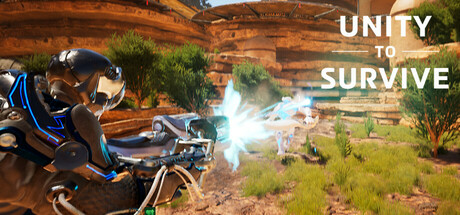
An AI tool (DALL·E or similar) was used to generate the "Unity to Survive" title image used in the game's UI. No AI-generated content appears in the gameplay or story content.
This game includes pre-rendered content created using generative AI tools.
Battle card illustrations and store marketing images were generated with AI-based design software.
No content or code is generated via AI during gameplay. All in-game content is based on pre-created assets.
Some images, especially the erotic artwork, were created using AI as a visual supplement to the game.
I chosed to use AI-generated visuals as it allowed me to dedicate more time and budget to what truly matters - funny and long gameplay.
We used generative artificial intelligence tools to create all user interface sounds and ambient audio in the game. The music was also generated using AI, allowing us to produce original compositions tailored to the game’s atmosphere. No AI-generated voices, images, or narrative text are included in the game. The use of AI was strictly limited to audio content.
During the development process; generative AI tools were used for creation of certain 2D visuals (such as posters scattered around the city, UI icons etc.). In such cases these assets were later modified by our art team to reflect our own artistic and creative vision.
Some in-game illustrations and trailer music were created using AI tools.
We plan to replace all AI-generated illustrations with artwork by human artists for the full release, though some AI assets may remain depending on production constraints.
Our goal is to minimize the use of AI-generated content by launch.
In Boogie Cruise, artificial intelligence plays a key role in controlling the AI racers, including dynamic racing strategies that adapt to the player’s actions. These AI competitors adjust their tactics based on speed, position, and player behavior, ensuring each race offers a unique and challenging experience. Notably, the AI also controls other opponents, offering increasingly difficult challenges as the player progresses. The AI adapts to player skills, creating a competitive and engaging environment throughout the game.
Additionally, AI is used in the setup of the store page, optimizing the presentation of content for users, and is also utilized for generating certain images to support the game’s visual design, enhancing the overall aesthetic.
All voice acting was performed by humans who were compensated for their work. We have used ai-software in the post-production process when we've deemed appropriate.
The game also uses images and sounds from Pixabay, a royalty free image hosting website. Due to the nature of the site, we cannot always confirm the source of said assets, so they may also be ai-generated.
Some marketing images for the game were initially created using AI tools to streamline the production process. These have since been edited to ensure they match the overall tone and style of the game.
Additionally, some images were generated with the help of AI, as well as the voices of the characters.
We are actively working to secure the resources needed to bring in professional voice actors, and we plan to release an update with full voice acting after launch.
Some content in this game was created with the assistance of AI tools. This includes:
Library Hero image (partially generated using AI-based image generation tools)
Certain background music and sound effects (created or enhanced using AI composition tools)
A portion of character voice lines (generated using AI voice synthesis for non-playable characters)
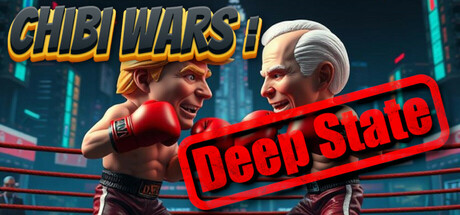
Chibi Wars: Deep State currently uses 3d models and images (such as posters) that have been generated using AI. Our goal is with funding to replace all aspects of models or images produced by AI with products created by real people. I suck at art, so until I can pay someone to make it for me (no one works for free) I have to use AI models and posters (decals).
I use some AI art (not all my art is AI), for showing characters in the marketing material, it is an AI enhanced version of real drawing of paid artists. The plan is for Most of it to be replaced by fully human created art eventually.
This game uses generative AI technology in the creation of certain background and character images. The generated assets are not used as-is; they are manually edited and refined as necessary before being incorporated into the game.
This game uses generative artificial intelligence (image generation AI) as a supplementary tool in the creation of some in-game image assets.
All generated images are reviewed and adjusted by the developer before being used in the final game.
AI tools were used only to assist with enhancement of some store page promotional images. The game itself does not use generative AI for gameplay, content creation, or code.
This game uses AI-generated content. AI tools were utilized to create certain visual assets such as promotional capsule images, as well as to assist with translations into other languages. All AI-generated content was carefully reviewed and edited to ensure quality and relevance to the game.
ChatGPT was used only to assist with the translation of originally written Japanese text into English.
All translated text was reviewed and edited by the developer.
This game includes certain AI-generated images to enhance visual storytelling and design. All AI-generated content has been carefully curated to support the game's artistic vision and immersive experience.
It was used to create 2 graphic elements that were heavily edited by hand that are used as symbols on the main menu and on the store page capsule art. That is the entire extent of AI usage.
We used generative AI tools to create some visual assets and sound effects for marketing purposes and presentation. No AI is used during gameplay or in the final game logic.
An AI tool (DALL·E or similar) was used to generate the "Unity to Survive" title image used in the game's UI. No AI-generated content appears in the gameplay or story content.
This game includes pre-rendered content created using generative AI tools.
Battle card illustrations and store marketing images were generated with AI-based design software.
No content or code is generated via AI during gameplay. All in-game content is based on pre-created assets.
Some images, especially the erotic artwork, were created using AI as a visual supplement to the game.
I chosed to use AI-generated visuals as it allowed me to dedicate more time and budget to what truly matters - funny and long gameplay.
We used generative artificial intelligence tools to create all user interface sounds and ambient audio in the game. The music was also generated using AI, allowing us to produce original compositions tailored to the game’s atmosphere. No AI-generated voices, images, or narrative text are included in the game. The use of AI was strictly limited to audio content.
During the development process; generative AI tools were used for creation of certain 2D visuals (such as posters scattered around the city, UI icons etc.). In such cases these assets were later modified by our art team to reflect our own artistic and creative vision.
Some in-game illustrations and trailer music were created using AI tools.
We plan to replace all AI-generated illustrations with artwork by human artists for the full release, though some AI assets may remain depending on production constraints.
Our goal is to minimize the use of AI-generated content by launch.
In Boogie Cruise, artificial intelligence plays a key role in controlling the AI racers, including dynamic racing strategies that adapt to the player’s actions. These AI competitors adjust their tactics based on speed, position, and player behavior, ensuring each race offers a unique and challenging experience. Notably, the AI also controls other opponents, offering increasingly difficult challenges as the player progresses. The AI adapts to player skills, creating a competitive and engaging environment throughout the game.
Additionally, AI is used in the setup of the store page, optimizing the presentation of content for users, and is also utilized for generating certain images to support the game’s visual design, enhancing the overall aesthetic.
All voice acting was performed by humans who were compensated for their work. We have used ai-software in the post-production process when we've deemed appropriate.
The game also uses images and sounds from Pixabay, a royalty free image hosting website. Due to the nature of the site, we cannot always confirm the source of said assets, so they may also be ai-generated.
Some marketing images for the game were initially created using AI tools to streamline the production process. These have since been edited to ensure they match the overall tone and style of the game.
Additionally, some images were generated with the help of AI, as well as the voices of the characters.
We are actively working to secure the resources needed to bring in professional voice actors, and we plan to release an update with full voice acting after launch.
Some content in this game was created with the assistance of AI tools. This includes:
Library Hero image (partially generated using AI-based image generation tools)
Certain background music and sound effects (created or enhanced using AI composition tools)
A portion of character voice lines (generated using AI voice synthesis for non-playable characters)
Chibi Wars: Deep State currently uses 3d models and images (such as posters) that have been generated using AI. Our goal is with funding to replace all aspects of models or images produced by AI with products created by real people. I suck at art, so until I can pay someone to make it for me (no one works for free) I have to use AI models and posters (decals).
I use some AI art (not all my art is AI), for showing characters in the marketing material, it is an AI enhanced version of real drawing of paid artists. The plan is for Most of it to be replaced by fully human created art eventually.