Public Steam disclosure research25,512 disclosures tracked
Where do games disclose AI use?
Search developers’ Steam disclosures, compare classified AI use across
games, and follow recorded changes.
This index adds cross-game classifications and statistics to
statements published on individual store pages.
Groups reflect automatic analysis of public disclosures; mature records are excluded. These counts do not measure AI use across all of Steam.
Missing or unclear statements cannot establish whether a game uses AI.
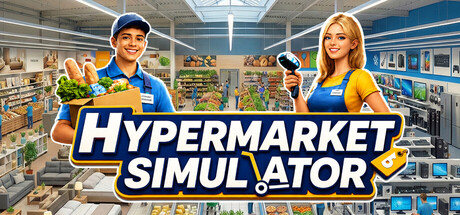
AI generated Pictures.
Backgrounds ,Icons Buttons, Faces.
For ilustration only.
Like Common office,, common Production, common sales department. No brands pointed.
Some Photos and some Photoshop to merge the Images.
As This game is on The math and strategie,, the Visuals are only here to look nice.
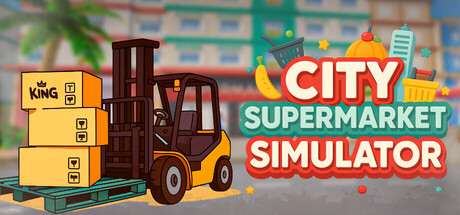
AI was used solely to generate the store page artwork, specifically for the title image. No AI was used in the actual game itself—game assets, environments, and mechanics are all created manually. All in-game screenshots displayed on the store page are genuine and accurately represent the gameplay experience.
Yes, we use AI tools—specifically Luma Dream Machine—to generate initial art assets that are used in our game, on our store page, in our marketing materials, and within our community assets. All raw outputs are subsequently refined and adjusted by our art team to ensure they match our game’s unique aesthetic and meet legal and quality standards
AI generated images on some game play UI and some store page images created by DALL-E. all pre rendered.... Big shout out to DALL...the rest of the coding and concept was human generated :)
AI-assisted tools were used only in a limited capacity for a small number of user interface elements. All generated materials were reviewed, edited, and finalized by our development team prior to implementation.
Game art assets are generated using AI tools to create initial concept art, which is then manually adjusted and modified by artists. The final works combine AI-generated foundational designs with human artistic revisions.
Some dynamic art assets are assisted in their creation by AI tools.
Game art assets are generated using AI tools to create initial concept art, which is then manually adjusted and modified by artists. The final works combine AI-generated foundational designs with human artistic revisions.
Some dynamic art assets are assisted in their creation by AI tools.
As a small team with a limited budget, we used AI to assist with background music and multi-language localization. This allowed us to bring the game to a wider audience while focusing our resources on gameplay and visual design.
AI was used in supportive areas such as text drafting and translation. Scene designs were created by the developer, and some visual assets were adapted from pre-made sources.
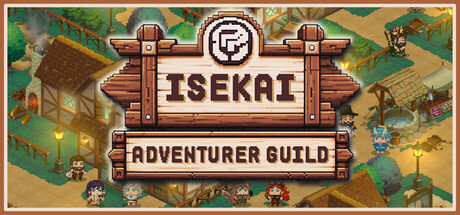
During the development of the game, we used AI as an auxiliary tool in the early stages. Artificial intelligence assisted with background generation, but all elements were significantly reworked and refined by our team. We focused on details, style, and quality to ensure a unique and polished visual aesthetic for the game.
95% of the art in the game is entirely made by artists. The other 5% (some background images and some ship module images) are made using scenario, an AI art service that states on its site: "We ensure that all models on our platform are trained solely on data that we own."
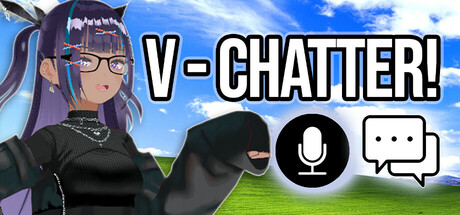
This game uses generative AI within its chat system to provide a richer and more personalized text-based interaction experience. The AI is used solely for real-time generation of dialogue and does not involve images, voice, or other media. All generated content is moderated through filtering mechanisms to prevent inappropriate or copyright-infringing output.
The game part utilized the texture materials and UI icons generated by Midjourney for 3D models, such as those in 3D paintings. Suno AI was used to generate some of the game music (about one-third). All AI materials in the game were sourced from legal paid channels. No protected artworks were used for training. The development team will promptly update the game to ensure that it conforms to the latest policy adjustments.
"My game utilizes artificial intelligence for generating speech using text-to-speech (TTS) technology. The voice recordings in the game are created by an AI model that synthesizes human-like voice from written text. This allows for dynamic and customizable voiceovers in various parts of the game."
Some of the game's visual elements were created using AI tools during the development stage (for example, the design of Albums). Artists manually refined all such materials. Generative AI is not used in the gameplay and does not generate any content during the game.
Some of the game's visual elements were created using AI tools during the development stage (for example, the design of Albums). Artists manually refined all such materials. Generative AI is not used in the gameplay and does not generate any content during the game.
We have utilized AI-assisted design for the store materials and some 2D background images within the game. However, these are not purely AI-generated; they are based on our original photographs that were enhanced using AI technology, and subsequently refined manually to ensure quality.
This game uses AI-powered NPCs that respond to the player in real time using the OpenAI ChatGPT API.
Each NPC has a unique persona and provides dynamic, one-sentence dialogue based on the player's questions, enhancing immersion and interactivity in the investigation.
In our game, artificial intelligence is used to enhance the visual and audio experience. AI-driven techniques are employed to improve image quality, adding fine details and creating more realistic textures. Additionally, AI is utilized for audio enhancement, refining sound effects and background music to provide a more immersive and dynamic sound environment. These improvements ensure a smoother, more visually appealing, and sonically enriched experience for players.
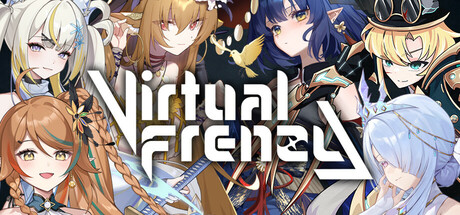
Some non-VTuber-related cards use AI-generated assets.
Card illustrations and avatars were generated using Midjourney, serving as placeholders for this engine.
All code is 100% human-made, and every other element in the game—including UI, icons, card frames, card backs, animations, and particle effects—was also manually crafted.
AI generated Pictures.
Backgrounds ,Icons Buttons, Faces.
For ilustration only.
Like Common office,, common Production, common sales department. No brands pointed.
Some Photos and some Photoshop to merge the Images.
As This game is on The math and strategie,, the Visuals are only here to look nice.
AI was used solely to generate the store page artwork, specifically for the title image. No AI was used in the actual game itself—game assets, environments, and mechanics are all created manually. All in-game screenshots displayed on the store page are genuine and accurately represent the gameplay experience.
Yes, we use AI tools—specifically Luma Dream Machine—to generate initial art assets that are used in our game, on our store page, in our marketing materials, and within our community assets. All raw outputs are subsequently refined and adjusted by our art team to ensure they match our game’s unique aesthetic and meet legal and quality standards
AI generated images on some game play UI and some store page images created by DALL-E. all pre rendered.... Big shout out to DALL...the rest of the coding and concept was human generated :)
AI-assisted tools were used only in a limited capacity for a small number of user interface elements. All generated materials were reviewed, edited, and finalized by our development team prior to implementation.
Game art assets are generated using AI tools to create initial concept art, which is then manually adjusted and modified by artists. The final works combine AI-generated foundational designs with human artistic revisions.
Some dynamic art assets are assisted in their creation by AI tools.
Game art assets are generated using AI tools to create initial concept art, which is then manually adjusted and modified by artists. The final works combine AI-generated foundational designs with human artistic revisions.
Some dynamic art assets are assisted in their creation by AI tools.
As a small team with a limited budget, we used AI to assist with background music and multi-language localization. This allowed us to bring the game to a wider audience while focusing our resources on gameplay and visual design.
AI was used in supportive areas such as text drafting and translation. Scene designs were created by the developer, and some visual assets were adapted from pre-made sources.
During the development of the game, we used AI as an auxiliary tool in the early stages. Artificial intelligence assisted with background generation, but all elements were significantly reworked and refined by our team. We focused on details, style, and quality to ensure a unique and polished visual aesthetic for the game.
95% of the art in the game is entirely made by artists. The other 5% (some background images and some ship module images) are made using scenario, an AI art service that states on its site: "We ensure that all models on our platform are trained solely on data that we own."
This game uses generative AI within its chat system to provide a richer and more personalized text-based interaction experience. The AI is used solely for real-time generation of dialogue and does not involve images, voice, or other media. All generated content is moderated through filtering mechanisms to prevent inappropriate or copyright-infringing output.
The game part utilized the texture materials and UI icons generated by Midjourney for 3D models, such as those in 3D paintings. Suno AI was used to generate some of the game music (about one-third). All AI materials in the game were sourced from legal paid channels. No protected artworks were used for training. The development team will promptly update the game to ensure that it conforms to the latest policy adjustments.
"My game utilizes artificial intelligence for generating speech using text-to-speech (TTS) technology. The voice recordings in the game are created by an AI model that synthesizes human-like voice from written text. This allows for dynamic and customizable voiceovers in various parts of the game."
Some of the game's visual elements were created using AI tools during the development stage (for example, the design of Albums). Artists manually refined all such materials. Generative AI is not used in the gameplay and does not generate any content during the game.
Some of the game's visual elements were created using AI tools during the development stage (for example, the design of Albums). Artists manually refined all such materials. Generative AI is not used in the gameplay and does not generate any content during the game.
We have utilized AI-assisted design for the store materials and some 2D background images within the game. However, these are not purely AI-generated; they are based on our original photographs that were enhanced using AI technology, and subsequently refined manually to ensure quality.
This game uses AI-powered NPCs that respond to the player in real time using the OpenAI ChatGPT API.
Each NPC has a unique persona and provides dynamic, one-sentence dialogue based on the player's questions, enhancing immersion and interactivity in the investigation.
In our game, artificial intelligence is used to enhance the visual and audio experience. AI-driven techniques are employed to improve image quality, adding fine details and creating more realistic textures. Additionally, AI is utilized for audio enhancement, refining sound effects and background music to provide a more immersive and dynamic sound environment. These improvements ensure a smoother, more visually appealing, and sonically enriched experience for players.
Some non-VTuber-related cards use AI-generated assets.
Card illustrations and avatars were generated using Midjourney, serving as placeholders for this engine.
All code is 100% human-made, and every other element in the game—including UI, icons, card frames, card backs, animations, and particle effects—was also manually crafted.