Public Steam disclosure research25,383 disclosures tracked
Where do games disclose AI use?
Search developers’ Steam disclosures, compare classified AI use across
games, and follow recorded changes.
This index adds cross-game classifications and statistics to
statements published on individual store pages.
Groups reflect automatic analysis of public disclosures; mature records are excluded. These counts do not measure AI use across all of Steam.
Missing or unclear statements cannot establish whether a game uses AI.
Music and character/dialogue voice lines in the game were created with the assistance of generative AI tools. These AI-generated assets are used for background music, atmosphere, character dialogue, and narrative audio.
This game uses AI assistance in the following areas:
- Localization: Some translations were assisted by AI tools.
- Some promotional or UI images were partially generated or refined using AI tools.
All gameplay content, art direction, and core assets are created by human developers.
This game uses generative AI tools in part for creating UI character images and music.
These assets are further edited and refined by the developer before being implemented into the final game content.
No AI-generated content is created in real time during gameplay.
During the development process, we may use procedural- and AI-based tools to assist with content creation. In all such cases, the final product reflects the creativity and expression of our own development team.
Developer Logo was created partly using AI, some basic environmental obstacle and enemy placements are randomly generated with an algorithm. There are RNG elements.
Our Creative Approach: A Human-First Duo and AI Disclosure
We are a passionate two-person team dedicated to bringing 1101 to life. To achieve the visual depth and cinematic quality we envisioned as a small studio, we utilized AI-assisted tools specifically for cinematic refinement, 3D texturing and modeling.
Here is exactly how we use AI to support our hand-crafted work:
From Concept to 3D Reality
Our 3D creation process combines traditional artistry with modern efficiency. Once we finalize a self-made image reference, hand-drawn sketch or a custom-generated image reference, we use AI-assisted modeling tools to convert that 2D vision into a 3D base mesh.
The Human Touch
This AI-assisted object is only the starting point. As a two-person team, we then step in to manually refine the geometry, adjust the proportions, and hand-modify the details. This "Human-in-the-Loop" approach allows us to bridge the gap between a 2D idea and a high-quality 3D asset, ensuring every object fits perfectly within our world’s hand-crafted design.
Cinematics: AI tools helped us polish visuals in our cinematics, allowing us to deliver high-quality storytelling that would typically require a much larger team.
Everything else is human-made. From the core gameplay mechanics and level design to the dialogue, music, and sound effects, every "soul" of this game comes directly from our hands. Ultimately, being an indie underdog means being resourceful. Using these tools wasn't about cutting corners; it was about bridging the gap to deliver a high-quality experience that a duo could otherwise never achieve. We’ve used technology to work harder on what matters most: making a game you'll love to play.
During development, we used generative AI tools to assist with certain visual assets, including images and 3D models. All AI-generated content was pre-produced during the development phase and has been manually reviewed and validated. No real-time AI generation occurs during gameplay.
Some content in this game was created with the assistance of generative AI tools during development, including certain visual assets, store artwork, capsule art, and text. All AI-assisted content was reviewed, edited, and integrated by the developer to ensure it fits the game’s design and overall player experience.
Some art assets are sourced from the CC0 asset libraries provided by Kenney. Music and sound effects used in the game are sourced from Phat Phrog Studio and ZapSplat.
Generative AI was used to assist in creating certain in-game UI assets (such as combo icons), the main capsule (cover art), and for code debugging during the development process. All AI-assisted content has been manually reviewed, refined, and integrated by the developer to ensure a high-quality experience.
Generative AI was used only for temporary placeholder visuals on this Steam store page. These images are not final game content and will be replaced with original artwork created by our artists before release.
During development, AI-assisted tools may have been used in a limited role for tasks such as concept support and writing assistance. These tools were used only to assist the development process. All final content choices, editing, implementation, and creative direction were carried out by the solo developer. The game does not include live-generated AI content during runtime.
This game uses generative AI (pre-rendered) in the creation process of the following in-game content:
- Character portraits/sprites
- Certain image assets such as backgrounds, UI, and items
- In-game background music (BGM)
All AI-generated materials are not used as-is; they are manually edited, retouched, and adjusted by the developer to ensure they perfectly fit the dark fantasy world of this game.
I have used the help of AI for some of the levels design, drafts of the bosses and other parts of the game design. Also part of the data models I have had help from AI to implement them.
Some promotional images and video materials for this game were created with the assistance of generative AI. All content has been reviewed and modified by human editors.
AI-generated art is used for monster illustrations (370+), equipment icons, background art, and promotional materials. AI-assisted translation is used for 10-language localization. All AI-generated content has been reviewed and curated by the developer. No AI is used for gameplay logic, player data processing, or real-time content generation during gameplay.
Generative AI tools were used to assist in the creation of store asset (such as capsule art). The resulting assets were further reviewed and polished by humans.
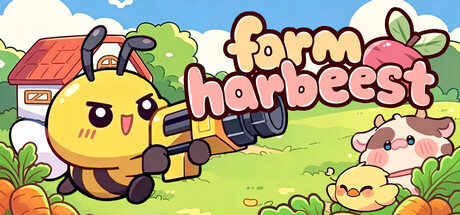
During the development of "Farm Harbeest", we used generative AI to help improve production efficiency, including assistance with some art references, music and sound effect inspiration, and code logic references. All related content was manually reviewed, selected, reworked, edited, tested, and integrated. The final game content is reviewed and controlled by the developers. We confirm that the AI-assisted content does not include any unauthorized copyrighted material.
The only AI generated elements in the game are a few select static background images used to set the scene (such as the combat stages, the vendor backdrop, and the leaderboard podium). In strict contrast, the entirety of the Multiplayer Boss Arenas (including their backgrounds, set pieces, and props) were purely hand crafted by human artists. Additionally, all animated character models, monster sprites, factory sprites, and in game items throughout the whole game are traditional, human made pixel art.
Store page graphical assets (capsule images, achievement icons, app icon) were created using AI-assisted tools. Game soundtrack is procedurally generated in real-time using the Web Audio API. All game code, gameplay systems, dialogue, and lore were written by the developer.
This game uses generative AI (Grok Imagine by xAI) to create visual assets for the Steam store page, including the header, capsules, background images, and logos.
While we utilize AI to accelerate early-stage concepting and iteration. Every final asset has been manually refined and polished to ensure the highest level of creative integrity and our personal touch.
This game uses generative AI during development for certain 2D icons, concept art, placeholder graphics, and text. All AI-generated content has been manually reviewed, edited, and adapted by the developer before being included in the final game.
Generative AI tools were utilized during the pre-production and development phases to assist a solo developer in establishing the visual concepts, background art, and base textures for the cyber-apocalyptic world. All AI-generated base assets were subsequently reviewed, heavily curated, and manually integrated into the game engine to ensure they perfectly match the strict artistic direction and gameplay requirements of PROTOCOL: Zero-day.
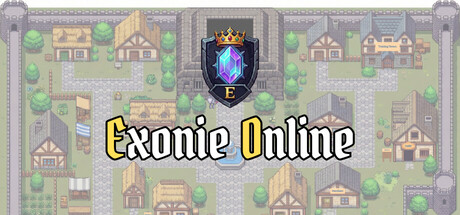
Exonie Online uses pre-generated AI content to provide a high-quality multiplayer experience.
Gameplay Code: Generative AI was used as a primary collaborative tool to develop the game's networking logic, hybrid asset-loading systems, and core mechanics.
Visual Assets: AI tools were used to generate environmental maps, character sprites, and UI elements.
Audio: The game’s soundtrack was generated using Suno AI (Pro Tier), ensuring the developer holds full commercial rights.
All AI-assisted content was manually reviewed and integrated by the developer. No AI content is generated live during gameplay
Some of the art assets in this game were created with the assistance of generative AI. All assets have undergone manual selection and post-production adjustments to ensure consistency with the overall game style.
Game art assets are generated using AI tools to create initial concept art, which is then manually adjusted and modified by artists. The final works combine AI-generated foundational designs with human artistic revisions.
Some dynamic art assets are assisted in their creation by AI tools.
Yes. The game uses AI for localization translation (8 languages) and AI-assisted pixel art generation. All AI-generated assets have been heavily edited and refined by the developer to fit the game's dark pixel art style and narrative context.
Generative AI tools were utilized during the development of this game to assist in creating pre-generated content. Specifically, AI was used to aid in generating baseline code structures, composing background music tracks, and generating initial concepts and assets for 2D/3D art, UI elements, and promotional materials. All AI-generated outputs were heavily curated, modified, and refined by the developer to ensure they align perfectly with the game's creative vision, artistic style, and performance standards. The game does not utilize any live-generated AI content during runtime.
Music and character/dialogue voice lines in the game were created with the assistance of generative AI tools. These AI-generated assets are used for background music, atmosphere, character dialogue, and narrative audio.
This game uses AI assistance in the following areas:
- Localization: Some translations were assisted by AI tools.
- Some promotional or UI images were partially generated or refined using AI tools.
All gameplay content, art direction, and core assets are created by human developers.
This game uses generative AI tools in part for creating UI character images and music.
These assets are further edited and refined by the developer before being implemented into the final game content.
No AI-generated content is created in real time during gameplay.
During the development process, we may use procedural- and AI-based tools to assist with content creation. In all such cases, the final product reflects the creativity and expression of our own development team.
Developer Logo was created partly using AI, some basic environmental obstacle and enemy placements are randomly generated with an algorithm. There are RNG elements.
Our Creative Approach: A Human-First Duo and AI Disclosure
We are a passionate two-person team dedicated to bringing 1101 to life. To achieve the visual depth and cinematic quality we envisioned as a small studio, we utilized AI-assisted tools specifically for cinematic refinement, 3D texturing and modeling.
Here is exactly how we use AI to support our hand-crafted work:
From Concept to 3D Reality
Our 3D creation process combines traditional artistry with modern efficiency. Once we finalize a self-made image reference, hand-drawn sketch or a custom-generated image reference, we use AI-assisted modeling tools to convert that 2D vision into a 3D base mesh.
The Human Touch
This AI-assisted object is only the starting point. As a two-person team, we then step in to manually refine the geometry, adjust the proportions, and hand-modify the details. This "Human-in-the-Loop" approach allows us to bridge the gap between a 2D idea and a high-quality 3D asset, ensuring every object fits perfectly within our world’s hand-crafted design.
Cinematics: AI tools helped us polish visuals in our cinematics, allowing us to deliver high-quality storytelling that would typically require a much larger team.
Everything else is human-made. From the core gameplay mechanics and level design to the dialogue, music, and sound effects, every "soul" of this game comes directly from our hands. Ultimately, being an indie underdog means being resourceful. Using these tools wasn't about cutting corners; it was about bridging the gap to deliver a high-quality experience that a duo could otherwise never achieve. We’ve used technology to work harder on what matters most: making a game you'll love to play.
During development, we used generative AI tools to assist with certain visual assets, including images and 3D models. All AI-generated content was pre-produced during the development phase and has been manually reviewed and validated. No real-time AI generation occurs during gameplay.
Some content in this game was created with the assistance of generative AI tools during development, including certain visual assets, store artwork, capsule art, and text. All AI-assisted content was reviewed, edited, and integrated by the developer to ensure it fits the game’s design and overall player experience.
Some art assets are sourced from the CC0 asset libraries provided by Kenney. Music and sound effects used in the game are sourced from Phat Phrog Studio and ZapSplat.
Generative AI was used to assist in creating certain in-game UI assets (such as combo icons), the main capsule (cover art), and for code debugging during the development process. All AI-assisted content has been manually reviewed, refined, and integrated by the developer to ensure a high-quality experience.
Generative AI was used only for temporary placeholder visuals on this Steam store page. These images are not final game content and will be replaced with original artwork created by our artists before release.
During development, AI-assisted tools may have been used in a limited role for tasks such as concept support and writing assistance. These tools were used only to assist the development process. All final content choices, editing, implementation, and creative direction were carried out by the solo developer. The game does not include live-generated AI content during runtime.
This game uses generative AI (pre-rendered) in the creation process of the following in-game content:
- Character portraits/sprites
- Certain image assets such as backgrounds, UI, and items
- In-game background music (BGM)
All AI-generated materials are not used as-is; they are manually edited, retouched, and adjusted by the developer to ensure they perfectly fit the dark fantasy world of this game.
I have used the help of AI for some of the levels design, drafts of the bosses and other parts of the game design. Also part of the data models I have had help from AI to implement them.
Some promotional images and video materials for this game were created with the assistance of generative AI. All content has been reviewed and modified by human editors.
AI-generated art is used for monster illustrations (370+), equipment icons, background art, and promotional materials. AI-assisted translation is used for 10-language localization. All AI-generated content has been reviewed and curated by the developer. No AI is used for gameplay logic, player data processing, or real-time content generation during gameplay.
Generative AI tools were used to assist in the creation of store asset (such as capsule art). The resulting assets were further reviewed and polished by humans.
During the development of "Farm Harbeest", we used generative AI to help improve production efficiency, including assistance with some art references, music and sound effect inspiration, and code logic references. All related content was manually reviewed, selected, reworked, edited, tested, and integrated. The final game content is reviewed and controlled by the developers. We confirm that the AI-assisted content does not include any unauthorized copyrighted material.
The only AI generated elements in the game are a few select static background images used to set the scene (such as the combat stages, the vendor backdrop, and the leaderboard podium). In strict contrast, the entirety of the Multiplayer Boss Arenas (including their backgrounds, set pieces, and props) were purely hand crafted by human artists. Additionally, all animated character models, monster sprites, factory sprites, and in game items throughout the whole game are traditional, human made pixel art.
Store page graphical assets (capsule images, achievement icons, app icon) were created using AI-assisted tools. Game soundtrack is procedurally generated in real-time using the Web Audio API. All game code, gameplay systems, dialogue, and lore were written by the developer.
This game uses generative AI (Grok Imagine by xAI) to create visual assets for the Steam store page, including the header, capsules, background images, and logos.
While we utilize AI to accelerate early-stage concepting and iteration. Every final asset has been manually refined and polished to ensure the highest level of creative integrity and our personal touch.
This game uses generative AI during development for certain 2D icons, concept art, placeholder graphics, and text. All AI-generated content has been manually reviewed, edited, and adapted by the developer before being included in the final game.
Generative AI tools were utilized during the pre-production and development phases to assist a solo developer in establishing the visual concepts, background art, and base textures for the cyber-apocalyptic world. All AI-generated base assets were subsequently reviewed, heavily curated, and manually integrated into the game engine to ensure they perfectly match the strict artistic direction and gameplay requirements of PROTOCOL: Zero-day.
Exonie Online uses pre-generated AI content to provide a high-quality multiplayer experience.
Gameplay Code: Generative AI was used as a primary collaborative tool to develop the game's networking logic, hybrid asset-loading systems, and core mechanics.
Visual Assets: AI tools were used to generate environmental maps, character sprites, and UI elements.
Audio: The game’s soundtrack was generated using Suno AI (Pro Tier), ensuring the developer holds full commercial rights.
All AI-assisted content was manually reviewed and integrated by the developer. No AI content is generated live during gameplay
Some of the art assets in this game were created with the assistance of generative AI. All assets have undergone manual selection and post-production adjustments to ensure consistency with the overall game style.
Game art assets are generated using AI tools to create initial concept art, which is then manually adjusted and modified by artists. The final works combine AI-generated foundational designs with human artistic revisions.
Some dynamic art assets are assisted in their creation by AI tools.
Yes. The game uses AI for localization translation (8 languages) and AI-assisted pixel art generation. All AI-generated assets have been heavily edited and refined by the developer to fit the game's dark pixel art style and narrative context.
Generative AI tools were utilized during the development of this game to assist in creating pre-generated content. Specifically, AI was used to aid in generating baseline code structures, composing background music tracks, and generating initial concepts and assets for 2D/3D art, UI elements, and promotional materials. All AI-generated outputs were heavily curated, modified, and refined by the developer to ensure they align perfectly with the game's creative vision, artistic style, and performance standards. The game does not utilize any live-generated AI content during runtime.