Public Steam disclosure research25,383 disclosures tracked
Where do games disclose AI use?
Search developers’ Steam disclosures, compare classified AI use across
games, and follow recorded changes.
This index adds cross-game classifications and statistics to
statements published on individual store pages.
Groups reflect automatic analysis of public disclosures; mature records are excluded. These counts do not measure AI use across all of Steam.
Missing or unclear statements cannot establish whether a game uses AI.
This game does not generate or modify content at runtime.
A small portion of assets (around 20%) was created with generative AI tools during development.
All such assets were manually edited, reviewed, and finalized to ensure originality, quality, and compliance with copyright and safety standards
As a solo developer, I use Generative AI in limited, clearly defined ways during the development of Anomaly Island.
This includes:
Assisting in the creation of certain UI elements
Helping with coding learning and a small number of the sound effects
Generating quick previews of marketing materials via in-game screenshots lightly animated into short clips for promotional use
All AI-assisted marketing assets are explicitly labeled and further edited or composited using traditional tools, such as Adobe After Effects.
All unlabeled images, screenshots, and videos shown on this Steam page or in official trailers are directly captured from real in-engine gameplay with no generative AI manipulation.
No environments, models, animations, gameplay systems, level design, or narrative content are AI-generated.
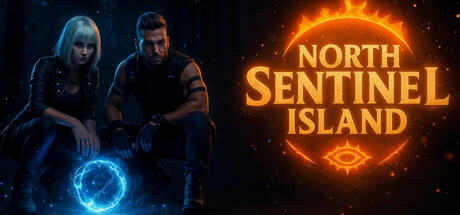
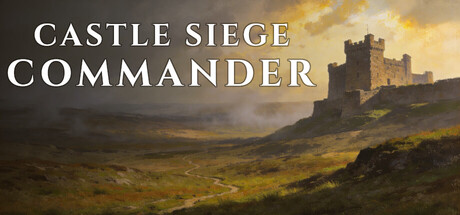
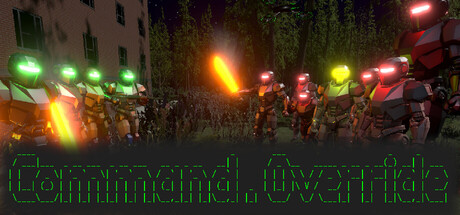
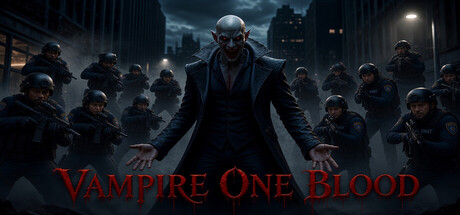
The game's cover photos were generated by artificial intelligence.
Some of the texture images in the game's content were also generated by artificial intelligence.
This game uses generative AI tools during development for text, art assets, audio content, voice recognition features, and selected marketing materials. All content is reviewed and implemented by the developer.
Throughout the game, there are displayed lines of code written out that serve as flavor text and effects for many elements of the game's UI & visuals. This huge amount of text was generated by ChatGPT with the express instruction that none of it is really functional, but visually plausible C# code.
I'm a solo developer making this game entirely on my own with a zero budget. Without AI, I would've gone mad creating such a massive project. It would've taken around 15 years just to reach Early Access.
To be completely transparent: during development, I may use AI tools to assist with content creation, primarily for routine tasks. However, everything is always manually reviewed and refined by me. The workflow is strictly: My work → AI → My work.
AI was used in the game's thumbnail and was not used in the game's code or any other development resources. However, the aforementioned thumbnail and all other game resources were created by the developer.
To support efficient development, generative AI tools assisted in creating early versions of some 3D models, item icon images, and voiceovers for trailers. Every element was then extensively reviewed, edited, refined, and adjusted by hand to fit the game's unique adorable aesthetic.
Generative AI (Google Gemini) was used to draft, translate, and refine the store descriptions and in-game text based on the developer's concepts. Every output was reviewed and edited by the developer to ensure accuracy and alignment with the game's vision.
This game uses traditional, non-generative AI only for gameplay logic such as enemy navigation, combat behavior, and basic decision-making (for example taking cover, flanking, or reacting to player actions).
We do not use generative AI to create art, animation, audio, or text, and we do not use AI for biometric analysis, surveillance, or player profiling. No player data is used to train any AI systems.
Generative AI is used only for pre generated assets: Voice lines in the indoctrination video (also used in the trailer) and the game’s logo in store materials. No AI is used at runtime, and all other content is handcrafted.
During development, our small team may use procedural generation and AI-assisted tools to help create marketing materials content. In all such rare cases, the final result reflects the creativity and expression of our own team.
This game uses AI-assisted tools to generate and refine certain 2D visual assets. These include general artwork such as loading screens, character portraits, item icons, and background illustrations. All AI-generated elements are reviewed, edited, and integrated by our art team to ensure consistency with the game’s visual style and artistic direction.
AI has been used during development to assist with creating images, text descriptions, and code. No AI-generated content is produced while the game is running.
Echoes of the Rest uses AI to enhance the player experience. AI is used to generate in-game character voices, environmental textures, and certain narrative elements, making each playthrough feel dynamic and immersive.
Our game uses AI-powered NPCs that engage players in interactive conversations to solve specific puzzles, providing a dynamic and immersive gameplay experience. These NPCs follow carefully crafted dialogue scripts to guide players while ensuring consistent and appropriate content. Additionally, we leveraged AI tools to assist in creating some of the Steam capsules and promotional materials, helping us enhance the visual presentation of our game.
This game makes limited use of generative artificial intelligence only for background music creation.
AI was used solely to compose music tracks where the lyrics are in Sanskrit, a language for which affordable and practical production resources are extremely limited.
All sound effects, environmental audio, voice elements, and dialogue are entirely human-made, created by my friends or sourced from free and licensed platforms such as YouTube, Soundly, and similar libraries.
No AI was used for visuals, gameplay systems, writing, level design, or core creative direction.
This project is my first commercial game, developed with very limited resources. If this game succeeds, I am fully committed to not using generative AI for audio or visual content in future projects, and to collaborating exclusively with human composers and artists.
Thank you for supporting independent development.
We utilized generative AI to create the game’s intro video, as well as to assist in the production of minor in-game assets such as handwritten notes, paintings, and certain textures. These tools were used to enhance visual variety and accelerate asset creation, while all core gameplay elements, design decisions, and final integrations were handled and refined by the development team.
This game does not use artificial intelligence during gameplay. However, AI tools were used to assist in creating certain promotional and marketing materials, such as key art and visual assets for the store page.
Artificial intelligence (AI) was leveraged for key aspects of the game's development, including in-game logic, support systems, and certain artistic assets.
Trailer section and some of the game’s models were created with the assistance of AI. However, the overall content and design of the game were designed by us. AI was used only to support us in the visual aspects of the project.
There's one painting inside the mansion building, in chapter 2 called "Full House" chapter.
That painting was generated by OpenAI ChatGpt as texture for painting mesh.
it's not live-generate content, but it's pre-rendered by AI.
This game does not generate or modify content at runtime.
A small portion of assets (around 20%) was created with generative AI tools during development.
All such assets were manually edited, reviewed, and finalized to ensure originality, quality, and compliance with copyright and safety standards
As a solo developer, I use Generative AI in limited, clearly defined ways during the development of Anomaly Island.
This includes:
Assisting in the creation of certain UI elements
Helping with coding learning and a small number of the sound effects
Generating quick previews of marketing materials via in-game screenshots lightly animated into short clips for promotional use
All AI-assisted marketing assets are explicitly labeled and further edited or composited using traditional tools, such as Adobe After Effects.
All unlabeled images, screenshots, and videos shown on this Steam page or in official trailers are directly captured from real in-engine gameplay with no generative AI manipulation.
No environments, models, animations, gameplay systems, level design, or narrative content are AI-generated.
The game's cover photos were generated by artificial intelligence.
Some of the texture images in the game's content were also generated by artificial intelligence.
This game uses generative AI tools during development for text, art assets, audio content, voice recognition features, and selected marketing materials. All content is reviewed and implemented by the developer.
Throughout the game, there are displayed lines of code written out that serve as flavor text and effects for many elements of the game's UI & visuals. This huge amount of text was generated by ChatGPT with the express instruction that none of it is really functional, but visually plausible C# code.
I'm a solo developer making this game entirely on my own with a zero budget. Without AI, I would've gone mad creating such a massive project. It would've taken around 15 years just to reach Early Access.
To be completely transparent: during development, I may use AI tools to assist with content creation, primarily for routine tasks. However, everything is always manually reviewed and refined by me. The workflow is strictly: My work → AI → My work.
AI was used in the game's thumbnail and was not used in the game's code or any other development resources. However, the aforementioned thumbnail and all other game resources were created by the developer.
To support efficient development, generative AI tools assisted in creating early versions of some 3D models, item icon images, and voiceovers for trailers. Every element was then extensively reviewed, edited, refined, and adjusted by hand to fit the game's unique adorable aesthetic.
Generative AI (Google Gemini) was used to draft, translate, and refine the store descriptions and in-game text based on the developer's concepts. Every output was reviewed and edited by the developer to ensure accuracy and alignment with the game's vision.
This game uses traditional, non-generative AI only for gameplay logic such as enemy navigation, combat behavior, and basic decision-making (for example taking cover, flanking, or reacting to player actions).
We do not use generative AI to create art, animation, audio, or text, and we do not use AI for biometric analysis, surveillance, or player profiling. No player data is used to train any AI systems.
Generative AI is used only for pre generated assets: Voice lines in the indoctrination video (also used in the trailer) and the game’s logo in store materials. No AI is used at runtime, and all other content is handcrafted.
During development, our small team may use procedural generation and AI-assisted tools to help create marketing materials content. In all such rare cases, the final result reflects the creativity and expression of our own team.
This game uses AI-assisted tools to generate and refine certain 2D visual assets. These include general artwork such as loading screens, character portraits, item icons, and background illustrations. All AI-generated elements are reviewed, edited, and integrated by our art team to ensure consistency with the game’s visual style and artistic direction.
AI has been used during development to assist with creating images, text descriptions, and code. No AI-generated content is produced while the game is running.
Echoes of the Rest uses AI to enhance the player experience. AI is used to generate in-game character voices, environmental textures, and certain narrative elements, making each playthrough feel dynamic and immersive.
Our game uses AI-powered NPCs that engage players in interactive conversations to solve specific puzzles, providing a dynamic and immersive gameplay experience. These NPCs follow carefully crafted dialogue scripts to guide players while ensuring consistent and appropriate content. Additionally, we leveraged AI tools to assist in creating some of the Steam capsules and promotional materials, helping us enhance the visual presentation of our game.
This game makes limited use of generative artificial intelligence only for background music creation.
AI was used solely to compose music tracks where the lyrics are in Sanskrit, a language for which affordable and practical production resources are extremely limited.
All sound effects, environmental audio, voice elements, and dialogue are entirely human-made, created by my friends or sourced from free and licensed platforms such as YouTube, Soundly, and similar libraries.
No AI was used for visuals, gameplay systems, writing, level design, or core creative direction.
This project is my first commercial game, developed with very limited resources. If this game succeeds, I am fully committed to not using generative AI for audio or visual content in future projects, and to collaborating exclusively with human composers and artists.
Thank you for supporting independent development.
We utilized generative AI to create the game’s intro video, as well as to assist in the production of minor in-game assets such as handwritten notes, paintings, and certain textures. These tools were used to enhance visual variety and accelerate asset creation, while all core gameplay elements, design decisions, and final integrations were handled and refined by the development team.
This game does not use artificial intelligence during gameplay. However, AI tools were used to assist in creating certain promotional and marketing materials, such as key art and visual assets for the store page.
Artificial intelligence (AI) was leveraged for key aspects of the game's development, including in-game logic, support systems, and certain artistic assets.
Trailer section and some of the game’s models were created with the assistance of AI. However, the overall content and design of the game were designed by us. AI was used only to support us in the visual aspects of the project.
There's one painting inside the mansion building, in chapter 2 called "Full House" chapter.
That painting was generated by OpenAI ChatGpt as texture for painting mesh.
it's not live-generate content, but it's pre-rendered by AI.