Public Steam disclosure research25,383 disclosures tracked
Where do games disclose AI use?
Search developers’ Steam disclosures, compare classified AI use across
games, and follow recorded changes.
This index adds cross-game classifications and statistics to
statements published on individual store pages.
Groups reflect automatic analysis of public disclosures; mature records are excluded. These counts do not measure AI use across all of Steam.
Missing or unclear statements cannot establish whether a game uses AI.
Generative AI tools were used to assist with programming and translation/localization during development. All artwork and original dialogue were created by the developer. AI-assisted translations were reviewed and edited by the developer before being included in the game. No generative AI is used during gameplay.
Generative AI was used to assist in creating select art assets, which were reviewed, edited, and integrated by the developer. All gameplay, programming, and overall design were created by the development team.
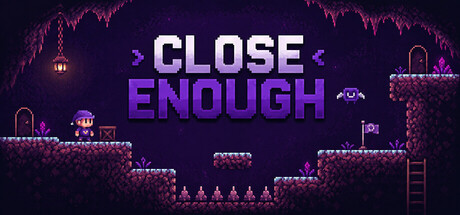
Close Enough was built with generative AI. The code, the in-game text, the level layouts and all seven translations were written by an AI assistant (Claude) working to the developer's direction, and most of what you see on screen — the objects, the whole interface — is drawn by that code rather than loaded from image files.
The doodle recognition inside the game is not generative. It is a small image classifier bundled with the game, trained on Google's Quick, Draw! dataset of human-drawn doodles. It runs entirely on your own computer, sorts each drawing into one of 100 pre-defined objects and creates nothing. Your drawings are never uploaded, and the release build contains no code that could upload them.
The sprites, tiles, music, sound effects and font are licensed assets made by people, not by AI. Every one of them is credited inside the game under Esc → Credits.
This game uses content created or assisted by generative AI. Generative AI was used to help create and edit some visual assets, music/sound materials, and scripts. All final content was reviewed, selected, and adjusted by the developer before being included in the game.
Some of this game's content was created with the assistance of generative AI tools, always under human direction and review. Portions of the painted environment artwork and the store/marketing artwork began as AI-generated images that were then curated, edited, and integrated by hand. The music was generated with a licensed AI music tool, then curated and edited. Nothing is generated by AI while you play — everything you see and hear ships as fixed, human-reviewed content.
Some art assets in the game and on the store page (story character portraits, some icons, backgrounds, and capsule images) were created with AI image generation tools, then manually curated and edited by the developer. All gameplay, code, and written story content is human-made. No AI content is generated at runtime.
Generative AI tools were used. All AI-assisted content was reviewed by the developer, with some assets further edited and refined.No AI content is generated during gameplay.
We use generative AI for text only: writing this store page and translating the game's in-game text into the supported languages. Everything else, including all art, animation and audio, is made by hand, and no content is generated while you play.
AI (WAN 2.2) was used to help generate idle animation frames from 100% original, human-made art. All animations were reviewed and curated by the developer before being included in the game.
The game is primarily developed using Houdini, VEX and Godot. Generative AI assists with concept/reference artwork, initial 3D asset generation, and programming. Assets are further processed, optimized, rigged and animated in Houdini before integration into the game.
Generative AI has been used solely as a supporting tool to create some of the icons used for the character's abilities and upgrades, as well as to assist with translating the game's text into other languages.
This game uses AI-generated imagery. Character portraits, backgrounds, card illustrations, and UI assets were created with generative AI image tools, then reviewed, edited to fit the game's art direction. Store page capsules use the same artwork.
Writing, game design, code, and systems are authored by a human developer. Nothing is generated while the game is running.
Generative AI tools were used during development to assist with selected 2D and 3D visual assets, sounds, localization, and marketing materials.
All AI-assisted content was reviewed, edited, and integrated by the developer to ensure consistency with the game's visual style and intended design.
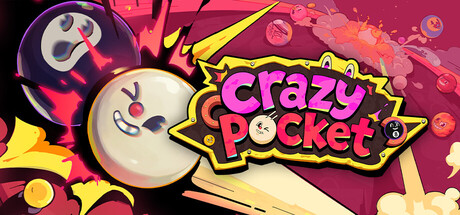
AI was only used to generate minimal resources to support ball and chalk design.
All AI-assisted content has been reviewed, and the final assets were manually drawn and retouched to fit the game's artistic style and atmosphere.
Generative AI was used to create and/or assist with some promotional and marketing materials for the game, including store capsule artwork, cover images, and other store page visuals. Generative AI was not used to generate gameplay content or content during gameplay.
The store page was translated into 30 languages using AI, from text written by the developer. Store and library images were assembled from artwork the developer made by hand. The game itself contains no AI-generated content, and nothing is generated by AI while you play.
Generative AI was used during development to assist with the creation of some pre-generated assets. The game does not generate AI content during gameplay and does not connect to any external AI services.
Generative AI was used in a limited, supporting role during development:
• Portions of this store page description were drafted with the help of AI text tools and then reviewed and edited by the developer.
• A small number of icons (used on the store page) were created with the assistance of AI image generation tools and refined by the developer.
The game itself does not use generative AI at runtime.
We have AI placeholders for audio and visual 2D placements (i.e logo, 2D art). The rest of assets are purchased through Unity or hand made as of writing this (8/14/2026)
Parts of the written text on this store page were drafted with the help of an AI assistant and then reviewed and edited by us before publishing.
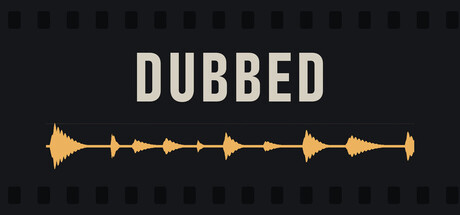
No generative AI is used inside the game itself. The artwork, audio and video in Dubbed are made by us or performed by the players, and nothing is generated at runtime.
We used AI image-generation tools to help create some 2D art assets in the game, such as in-game banners, posters, and signage. All AI-assisted content was reviewed and edited by the developer.
Generative AI was used as an occasional development aid for some dialogue wording, localization, and marketing / store texts.
The game's story, characters, and game design were created by the developer.
AI-assisted dialogue is reviewed and edited by the developer, and AI-assisted translations are reviewed and edited by native speakers.
The game does not use AI-generated images, voices, music, or other AI-generated audiovisual assets.
Some visual assets, audio, voice-over and cinematic elements were created with the assistance of generative AI tools, then selected, edited, refined and integrated by the developer. No generative AI is used live during gameplay.
Artificial intelligence was used to assist with interface localization and adaptation of in-game textures.
There was a time when people used Google Translate, and terrible localization for many languages was common. Times have changed, progress does not stand still. Today, new and more advanced tools have emerged, and people now use them instead of outdated ones.
Generative AI was used to create artwork for the in-game How to Play instructional image. All other game artwork and visual assets were created by the developer.
We integrate artificial intelligence solely as a creative assistance tool during pre-production and artistic exploration phases.
Specifically, we use image generators to produce preliminary concept art, explore different visual directions, and accelerate iteration on our graphic ideas.
AI serves only as a source of inspiration, while the entire final content is fully created, curated, and refined by our human team.
Generated images are never used as-is in the final product.
Every visual element in the game (textures, characters, environments, illustrations, etc.) is recreated, retouched, painted, recomposed, or manually validated by our artists to ensure:
originality of the content,
respect for copyright,
artistic consistency,
and compliance with Steam/Valve guidelines.
AI does not contribute to the generation of final assets, 3D models, animations, sounds, or any other elements directly integrated into the game.
Its role is strictly limited to providing visual references, aesthetic guidance, and starting points to help our team work more efficiently.
This approach allows us to maintain a strong and authentic artistic identity while benefiting from a more fluid, inspiring, and innovative creation process — directly reflected in the quality, coherence, and originality of our game.
AI helped us create our new logo, and we used Claude Code to help us with... the code, bro. Otherwise, the game's hand-made!
Our world is entering a troubling and hilarious time, and so critical reflection is important - but we are not categorically anti-AI. After all, you can't criticize something you don't understand, can you?
Generative AI was used to translate some in-game text, such as the interface and the contents of letters, and to generate some of the music used in the game.
Generative AI may have been used in creating pre-rendered content for this game. All such content is the result of a human-led artistic and creative process
Generative AI was used to create some temporary artwork for the Steam store page and related marketing materials while the game is still in production. These assets are reviewed and curated by the development team and WILL be replaced with final production artwork before release. Generative AI is not used to generate content during gameplay.
Generative AI tools were used to assist with programming and translation/localization during development. All artwork and original dialogue were created by the developer. AI-assisted translations were reviewed and edited by the developer before being included in the game. No generative AI is used during gameplay.
Generative AI was used to assist in creating select art assets, which were reviewed, edited, and integrated by the developer. All gameplay, programming, and overall design were created by the development team.
Close Enough was built with generative AI. The code, the in-game text, the level layouts and all seven translations were written by an AI assistant (Claude) working to the developer's direction, and most of what you see on screen — the objects, the whole interface — is drawn by that code rather than loaded from image files.
The doodle recognition inside the game is not generative. It is a small image classifier bundled with the game, trained on Google's Quick, Draw! dataset of human-drawn doodles. It runs entirely on your own computer, sorts each drawing into one of 100 pre-defined objects and creates nothing. Your drawings are never uploaded, and the release build contains no code that could upload them.
The sprites, tiles, music, sound effects and font are licensed assets made by people, not by AI. Every one of them is credited inside the game under Esc → Credits.
This game uses content created or assisted by generative AI. Generative AI was used to help create and edit some visual assets, music/sound materials, and scripts. All final content was reviewed, selected, and adjusted by the developer before being included in the game.
Some of this game's content was created with the assistance of generative AI tools, always under human direction and review. Portions of the painted environment artwork and the store/marketing artwork began as AI-generated images that were then curated, edited, and integrated by hand. The music was generated with a licensed AI music tool, then curated and edited. Nothing is generated by AI while you play — everything you see and hear ships as fixed, human-reviewed content.
Some art assets in the game and on the store page (story character portraits, some icons, backgrounds, and capsule images) were created with AI image generation tools, then manually curated and edited by the developer. All gameplay, code, and written story content is human-made. No AI content is generated at runtime.
Generative AI tools were used. All AI-assisted content was reviewed by the developer, with some assets further edited and refined.No AI content is generated during gameplay.
We use generative AI for text only: writing this store page and translating the game's in-game text into the supported languages. Everything else, including all art, animation and audio, is made by hand, and no content is generated while you play.
AI (WAN 2.2) was used to help generate idle animation frames from 100% original, human-made art. All animations were reviewed and curated by the developer before being included in the game.
The game is primarily developed using Houdini, VEX and Godot. Generative AI assists with concept/reference artwork, initial 3D asset generation, and programming. Assets are further processed, optimized, rigged and animated in Houdini before integration into the game.
Generative AI has been used solely as a supporting tool to create some of the icons used for the character's abilities and upgrades, as well as to assist with translating the game's text into other languages.
This game uses AI-generated imagery. Character portraits, backgrounds, card illustrations, and UI assets were created with generative AI image tools, then reviewed, edited to fit the game's art direction. Store page capsules use the same artwork.
Writing, game design, code, and systems are authored by a human developer. Nothing is generated while the game is running.
Generative AI tools were used during development to assist with selected 2D and 3D visual assets, sounds, localization, and marketing materials.
All AI-assisted content was reviewed, edited, and integrated by the developer to ensure consistency with the game's visual style and intended design.
AI was only used to generate minimal resources to support ball and chalk design.
All AI-assisted content has been reviewed, and the final assets were manually drawn and retouched to fit the game's artistic style and atmosphere.
Generative AI was used to create and/or assist with some promotional and marketing materials for the game, including store capsule artwork, cover images, and other store page visuals. Generative AI was not used to generate gameplay content or content during gameplay.
The store page was translated into 30 languages using AI, from text written by the developer. Store and library images were assembled from artwork the developer made by hand. The game itself contains no AI-generated content, and nothing is generated by AI while you play.
Generative AI was used during development to assist with the creation of some pre-generated assets. The game does not generate AI content during gameplay and does not connect to any external AI services.
Generative AI was used in a limited, supporting role during development:
• Portions of this store page description were drafted with the help of AI text tools and then reviewed and edited by the developer.
• A small number of icons (used on the store page) were created with the assistance of AI image generation tools and refined by the developer.
The game itself does not use generative AI at runtime.
We have AI placeholders for audio and visual 2D placements (i.e logo, 2D art). The rest of assets are purchased through Unity or hand made as of writing this (8/14/2026)
Parts of the written text on this store page were drafted with the help of an AI assistant and then reviewed and edited by us before publishing.
No generative AI is used inside the game itself. The artwork, audio and video in Dubbed are made by us or performed by the players, and nothing is generated at runtime.
We used AI image-generation tools to help create some 2D art assets in the game, such as in-game banners, posters, and signage. All AI-assisted content was reviewed and edited by the developer.
Generative AI was used as an occasional development aid for some dialogue wording, localization, and marketing / store texts.
The game's story, characters, and game design were created by the developer.
AI-assisted dialogue is reviewed and edited by the developer, and AI-assisted translations are reviewed and edited by native speakers.
The game does not use AI-generated images, voices, music, or other AI-generated audiovisual assets.
Some visual assets, audio, voice-over and cinematic elements were created with the assistance of generative AI tools, then selected, edited, refined and integrated by the developer. No generative AI is used live during gameplay.
Artificial intelligence was used to assist with interface localization and adaptation of in-game textures.
There was a time when people used Google Translate, and terrible localization for many languages was common. Times have changed, progress does not stand still. Today, new and more advanced tools have emerged, and people now use them instead of outdated ones.
Generative AI was used to create artwork for the in-game How to Play instructional image. All other game artwork and visual assets were created by the developer.
We integrate artificial intelligence solely as a creative assistance tool during pre-production and artistic exploration phases.
Specifically, we use image generators to produce preliminary concept art, explore different visual directions, and accelerate iteration on our graphic ideas.
AI serves only as a source of inspiration, while the entire final content is fully created, curated, and refined by our human team.
Generated images are never used as-is in the final product.
Every visual element in the game (textures, characters, environments, illustrations, etc.) is recreated, retouched, painted, recomposed, or manually validated by our artists to ensure:
originality of the content,
respect for copyright,
artistic consistency,
and compliance with Steam/Valve guidelines.
AI does not contribute to the generation of final assets, 3D models, animations, sounds, or any other elements directly integrated into the game.
Its role is strictly limited to providing visual references, aesthetic guidance, and starting points to help our team work more efficiently.
This approach allows us to maintain a strong and authentic artistic identity while benefiting from a more fluid, inspiring, and innovative creation process — directly reflected in the quality, coherence, and originality of our game.
AI helped us create our new logo, and we used Claude Code to help us with... the code, bro. Otherwise, the game's hand-made!
Our world is entering a troubling and hilarious time, and so critical reflection is important - but we are not categorically anti-AI. After all, you can't criticize something you don't understand, can you?
Generative AI was used to translate some in-game text, such as the interface and the contents of letters, and to generate some of the music used in the game.
Generative AI may have been used in creating pre-rendered content for this game. All such content is the result of a human-led artistic and creative process
Generative AI was used to create some temporary artwork for the Steam store page and related marketing materials while the game is still in production. These assets are reviewed and curated by the development team and WILL be replaced with final production artwork before release. Generative AI is not used to generate content during gameplay.