Public Steam disclosure research25,380 disclosures tracked
Where do games disclose AI use?
Search developers’ Steam disclosures, compare classified AI use across
games, and follow recorded changes.
This index adds cross-game classifications and statistics to
statements published on individual store pages.
Groups reflect automatic analysis of public disclosures; mature records are excluded. These counts do not measure AI use across all of Steam.
Missing or unclear statements cannot establish whether a game uses AI.
This game uses generative AI in a limited way. Some in-game and store-page text was drafted, edited, or partially translated with the help of an AI model, then reviewed, adapted, and finalized by the developer. None of the game's art, sprites, animation, music or sound is AI-generated.
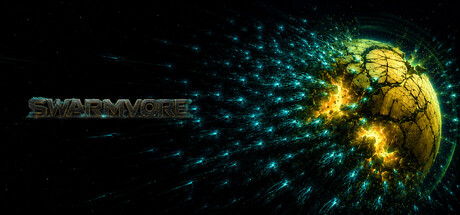
Swarmvore was built by a solo developer using generative AI tools for the game's code, art, and text. Every piece of content went through many rounds of prompting, testing, and refining, and every creative decision, from mechanics to tone to visual style, was made by the developer.
Generative AI tools were used during development to assist with portions of the game's pre-generated 2D artwork, marketing artwork, localization drafts, and development code. All player-facing AI-assisted content was generated before release, selected, reviewed, edited where needed, tested, and integrated by the developer. The game does not generate or modify content with AI during gameplay and does not send player input to an external AI service.
Generative AI was used for deep game simulation to assist with designing difficulty curves and testing in game mathmatical calculations. It was also used for designing alternative UI Models for cosmetic changes.
Game Design, layout, original creations, music, sound, story, plots, etc. were Designed entirely by the Creator.
This game was developed with substantial help from generative AI: the pixel art (in-game art, capsules and icons), the code, much of the text, and the translations were produced with AI assistance and then reviewed, refined, and directed by the developer.
Generative AI was used during development to create in-game 2D visual assets, as well as 2D upgrade icons and sound effects. Generative AI was also used for certain promotional voice-over audio. All generated outputs were reviewed, selected, edited, and integrated by the developer. The game does not use live generative AI or generate content at runtime. Every asset was created under the developer’s creative direction to reflect the developer’s own ideas and artistic vision.
The images in this game start from generative AI output and are then redrawn pixel by pixel by the developer. This covers equipment icons, character and enemy sprites, backgrounds, and the images on this store page.
The music was created with a generative AI music service under a commercial-use license.
The text is written in Japanese and machine-translated into other languages.
Generative AI tools were used during the development process exclusively to assist with programming, specifically for structuring GDScript code and debugging.
Petrivore uses AI-assisted tools in parts of its development: some icons and steam assets were made with AI image generation, the in-game text and steam page was translated with AI translation tools. All of it was reviewed and edited by the developer.
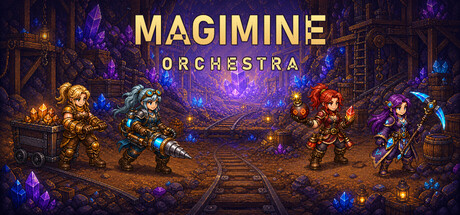
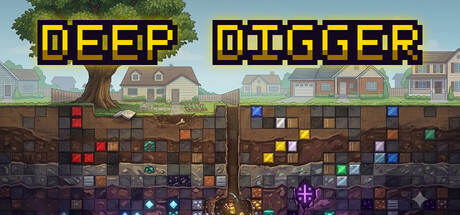
Generative AI was used during development to create some pre-generated 2D pixel art assets, including mine backgrounds, ores, and character artwork. Generative AI was also used to assist with some localization text. All generated output was reviewed, selected, and edited by the developer as needed. The game does not generate content during gameplay and does not connect to any external AI services.
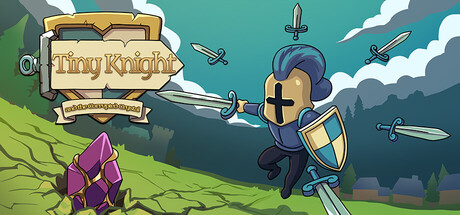
Tiny Knight and the Corrupted Crystal uses AI-generated music. All background music tracks were created with Suno, then edited, and mixed by the developer before being placed in the game.
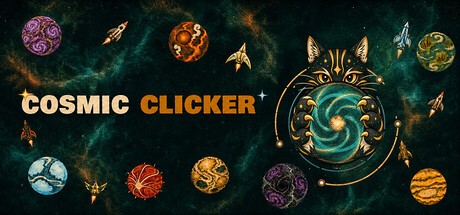
During development, we used generative AI tools to transform early sketches and visual concepts into functional 2D game assets and visual materials that help define Cosmic Clicker’s identity. This included selected in-game assets, Steam store capsules, library artwork, icons, and key art.
The generated results were reviewed, selected, refined, and integrated to maintain consistency with the game’s established art direction.
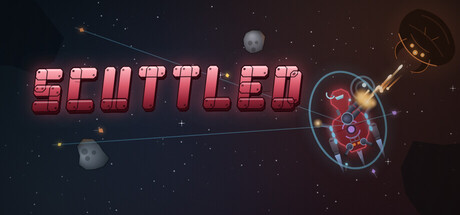
Scuttled was created by a solo developer working with an AI assistant. AI was used under the developer's direction to help write the game's code, its in-game text and story logs, the procedurally drawn artwork and music, and the store page materials, including the key art and trailer. All of it was reviewed, revised, and approved by the developer. The game does not use AI at runtime: nothing is generated while you play, and everything you see and hear ships with the game exactly as authored.
Generative AI was used to create and refine some pre-generated visual assets, including the game logo and Steam store capsule artwork. All AI-assisted assets are reviewed, edited, and curated by the developer before inclusion. The game does not generate content during gameplay and does not connect to external AI services.
Generative AI was used to create the game's artwork, audio, localization, and promotional materials. All AI-generated content was personally reviewed, selected, directed, and refined by the developer before being included in the game. No generative AI is used during gameplay.
Most 2D art in this game — ships, enemies, bosses, icons and badges — was first created with AI image tools, then selected, edited and finalised by the developer. No AI is used during gameplay.
Generative AI was used as part of the development process to create and refine some pre-rendered 2D artwork, including icons, item and character sprites, backgrounds, UI elements, and marketing images. All AI-assisted assets were reviewed and curated by the developer before inclusion.
The use of third-party assets were also used in the creation which got refined.
No content is generated by AI during gameplay, and the game does not connect to any external AI services.
Coin Cleaner is made by a solo developer with the help of AI tools. Generative AI was used during development to assist in creating some of the game's content - including artwork, music, sound effects, and code - all of which was directed, curated, and reviewed by the developer, and used with appropriate commercial licensing. All AI-assisted content is created ahead of time (pre-generated). The game does not use AI to generate any content or code during gameplay, and does not connect to any external AI service while you play.
Most of the game's 2D art assets — including monster sprites, map backgrounds, skill and skill tree icons, achievement icons, and store/marketing key art — were created with the assistance of generative AI image tools and then reviewed and edited by the developer. Portions of the localization text (store page and in-game translations) were produced with AI assistance under human review. The game does not generate any content with AI at runtime.
Some shipped visual assets, narrative text, localization, and store or marketing artwork were created or iterated with the assistance of generative AI tools. All output was selected, edited, reviewed, integrated, and tested by the developer. The game performs no live AI generation
and sends no player input or data to an AI service.
This game used AI tools to transform gameplay ideas and logic into functional code and to create promotional artwork. AI was used as a creative and technical aid during development, without affecting gameplay or the player experience.
Generative AI tools were used during development to assist in the creation of certain visual and audio assets. This includes some concept art, textures, UI elements, loading screens, promotional artwork, graphical assets, music, and sound effects.
AI-assisted content may be edited, modified, retouched, mixed, or otherwise integrated by the development team before being included in the game or promotional materials.
Generative AI is not used to dynamically generate content during gameplay.
This game uses generative AI for some of its text content — achievement names and descriptions, story fragments, and flavor text were generated with AI assistance during development, along with parts of this store page. The game's art and sound are not AI-generated: every visual is procedural code (vector shapes, no images or bitmaps), and every sound is synthesized in real time — nothing recorded, nothing AI-generated.
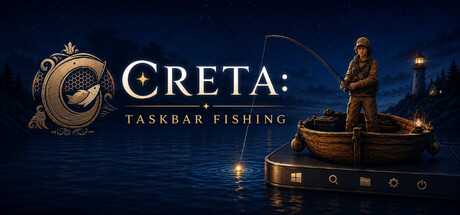
CRETA: Taskbar Fishing uses generative AI tools to assist with the creation of some visual and audio assets used in the game. AI was used as a supporting tool during development, while the game's design, gameplay systems, programming, and overall creative direction were created by the developer.
This game and its Steam store page contain pre-generated content created with assistance from generative AI tools. AI image generation was used for selected 2D pixel-art assets, which were then curated, edited, cleaned, resized, and integrated by the developer. AI and machine-assisted tools were also used to prepare initial drafts of localized interface text, store-page descriptions, and other marketing copy, followed by developer review and revision. The game does not generate content during play and does not connect to any generative AI service.
Generative AI was used during development to assist with programming and the creation of certain visual, textual, and other development assets. All content included in the final game was reviewed, edited, and approved by the developer. The game does not generate AI content during gameplay.
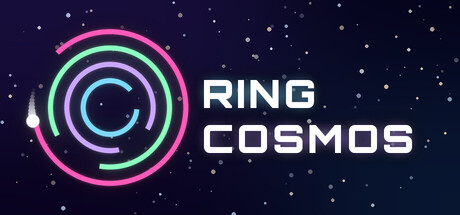
Ring Cosmos was developed by a solo developer with AI assistance during programming. The store page capsule images were also produced with AI assistance, generated programmatically through custom drawing code rather than image generation models. All game visuals are drawn in real time by the game's own rendering code. The soundtrack is licensed human-made music by JDSherbert. No AI content is generated while you play.
Generative AI tools were used during development to assist with the creation of certain pre-rendered visual assets, including selected UI elements, background artwork, promotional images, and store page materials. All generated assets were reviewed, edited, and curated by the development team before inclusion. The game does not generate AI content during gameplay.
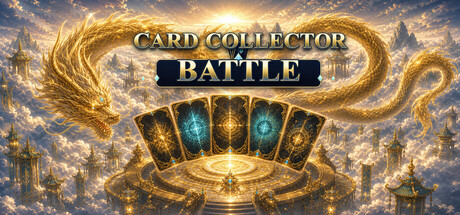
The card illustrations, background art and background music in this game were created with generative AI tools during development. All of it is produced ahead of time, reviewed and selected by the developer, and shipped as fixed asset files. The game does not generate any content at runtime and does not connect to any AI service while you play.
Generative AI tools are used to create part of the game's artwork, music soundtrack and programming auxiliary content. All AI-generated materials have been manually reviewed, adjusted and optimized by our team to match the game's overall style and gameplay experience.
This game utilized generative AI tools to assist with code writing and creative design during development. All AI-generated content has been strictly tested, reviewed, and optimized to ensure game quality and stability.
This game uses generative AI in a limited way. Some in-game and store-page text was drafted, edited, or partially translated with the help of an AI model, then reviewed, adapted, and finalized by the developer. None of the game's art, sprites, animation, music or sound is AI-generated.
Swarmvore was built by a solo developer using generative AI tools for the game's code, art, and text. Every piece of content went through many rounds of prompting, testing, and refining, and every creative decision, from mechanics to tone to visual style, was made by the developer.
Generative AI tools were used during development to assist with portions of the game's pre-generated 2D artwork, marketing artwork, localization drafts, and development code. All player-facing AI-assisted content was generated before release, selected, reviewed, edited where needed, tested, and integrated by the developer. The game does not generate or modify content with AI during gameplay and does not send player input to an external AI service.
Generative AI was used for deep game simulation to assist with designing difficulty curves and testing in game mathmatical calculations. It was also used for designing alternative UI Models for cosmetic changes.
Game Design, layout, original creations, music, sound, story, plots, etc. were Designed entirely by the Creator.
This game was developed with substantial help from generative AI: the pixel art (in-game art, capsules and icons), the code, much of the text, and the translations were produced with AI assistance and then reviewed, refined, and directed by the developer.
Generative AI was used during development to create in-game 2D visual assets, as well as 2D upgrade icons and sound effects. Generative AI was also used for certain promotional voice-over audio. All generated outputs were reviewed, selected, edited, and integrated by the developer. The game does not use live generative AI or generate content at runtime. Every asset was created under the developer’s creative direction to reflect the developer’s own ideas and artistic vision.
The images in this game start from generative AI output and are then redrawn pixel by pixel by the developer. This covers equipment icons, character and enemy sprites, backgrounds, and the images on this store page.
The music was created with a generative AI music service under a commercial-use license.
The text is written in Japanese and machine-translated into other languages.
Generative AI tools were used during the development process exclusively to assist with programming, specifically for structuring GDScript code and debugging.
Petrivore uses AI-assisted tools in parts of its development: some icons and steam assets were made with AI image generation, the in-game text and steam page was translated with AI translation tools. All of it was reviewed and edited by the developer.
Generative AI was used during development to create some pre-generated 2D pixel art assets, including mine backgrounds, ores, and character artwork. Generative AI was also used to assist with some localization text. All generated output was reviewed, selected, and edited by the developer as needed. The game does not generate content during gameplay and does not connect to any external AI services.
Tiny Knight and the Corrupted Crystal uses AI-generated music. All background music tracks were created with Suno, then edited, and mixed by the developer before being placed in the game.
During development, we used generative AI tools to transform early sketches and visual concepts into functional 2D game assets and visual materials that help define Cosmic Clicker’s identity. This included selected in-game assets, Steam store capsules, library artwork, icons, and key art.
The generated results were reviewed, selected, refined, and integrated to maintain consistency with the game’s established art direction.
Scuttled was created by a solo developer working with an AI assistant. AI was used under the developer's direction to help write the game's code, its in-game text and story logs, the procedurally drawn artwork and music, and the store page materials, including the key art and trailer. All of it was reviewed, revised, and approved by the developer. The game does not use AI at runtime: nothing is generated while you play, and everything you see and hear ships with the game exactly as authored.
Generative AI was used to create and refine some pre-generated visual assets, including the game logo and Steam store capsule artwork. All AI-assisted assets are reviewed, edited, and curated by the developer before inclusion. The game does not generate content during gameplay and does not connect to external AI services.
Generative AI was used to create the game's artwork, audio, localization, and promotional materials. All AI-generated content was personally reviewed, selected, directed, and refined by the developer before being included in the game. No generative AI is used during gameplay.
Most 2D art in this game — ships, enemies, bosses, icons and badges — was first created with AI image tools, then selected, edited and finalised by the developer. No AI is used during gameplay.
Generative AI was used as part of the development process to create and refine some pre-rendered 2D artwork, including icons, item and character sprites, backgrounds, UI elements, and marketing images. All AI-assisted assets were reviewed and curated by the developer before inclusion.
The use of third-party assets were also used in the creation which got refined.
No content is generated by AI during gameplay, and the game does not connect to any external AI services.
Coin Cleaner is made by a solo developer with the help of AI tools. Generative AI was used during development to assist in creating some of the game's content - including artwork, music, sound effects, and code - all of which was directed, curated, and reviewed by the developer, and used with appropriate commercial licensing. All AI-assisted content is created ahead of time (pre-generated). The game does not use AI to generate any content or code during gameplay, and does not connect to any external AI service while you play.
Most of the game's 2D art assets — including monster sprites, map backgrounds, skill and skill tree icons, achievement icons, and store/marketing key art — were created with the assistance of generative AI image tools and then reviewed and edited by the developer. Portions of the localization text (store page and in-game translations) were produced with AI assistance under human review. The game does not generate any content with AI at runtime.
Some shipped visual assets, narrative text, localization, and store or marketing artwork were created or iterated with the assistance of generative AI tools. All output was selected, edited, reviewed, integrated, and tested by the developer. The game performs no live AI generation
and sends no player input or data to an AI service.
This game used AI tools to transform gameplay ideas and logic into functional code and to create promotional artwork. AI was used as a creative and technical aid during development, without affecting gameplay or the player experience.
Generative AI tools were used during development to assist in the creation of certain visual and audio assets. This includes some concept art, textures, UI elements, loading screens, promotional artwork, graphical assets, music, and sound effects.
AI-assisted content may be edited, modified, retouched, mixed, or otherwise integrated by the development team before being included in the game or promotional materials.
Generative AI is not used to dynamically generate content during gameplay.
This game uses generative AI for some of its text content — achievement names and descriptions, story fragments, and flavor text were generated with AI assistance during development, along with parts of this store page. The game's art and sound are not AI-generated: every visual is procedural code (vector shapes, no images or bitmaps), and every sound is synthesized in real time — nothing recorded, nothing AI-generated.
CRETA: Taskbar Fishing uses generative AI tools to assist with the creation of some visual and audio assets used in the game. AI was used as a supporting tool during development, while the game's design, gameplay systems, programming, and overall creative direction were created by the developer.
This game and its Steam store page contain pre-generated content created with assistance from generative AI tools. AI image generation was used for selected 2D pixel-art assets, which were then curated, edited, cleaned, resized, and integrated by the developer. AI and machine-assisted tools were also used to prepare initial drafts of localized interface text, store-page descriptions, and other marketing copy, followed by developer review and revision. The game does not generate content during play and does not connect to any generative AI service.
Generative AI was used during development to assist with programming and the creation of certain visual, textual, and other development assets. All content included in the final game was reviewed, edited, and approved by the developer. The game does not generate AI content during gameplay.
Ring Cosmos was developed by a solo developer with AI assistance during programming. The store page capsule images were also produced with AI assistance, generated programmatically through custom drawing code rather than image generation models. All game visuals are drawn in real time by the game's own rendering code. The soundtrack is licensed human-made music by JDSherbert. No AI content is generated while you play.
Generative AI tools were used during development to assist with the creation of certain pre-rendered visual assets, including selected UI elements, background artwork, promotional images, and store page materials. All generated assets were reviewed, edited, and curated by the development team before inclusion. The game does not generate AI content during gameplay.
The card illustrations, background art and background music in this game were created with generative AI tools during development. All of it is produced ahead of time, reviewed and selected by the developer, and shipped as fixed asset files. The game does not generate any content at runtime and does not connect to any AI service while you play.
Generative AI tools are used to create part of the game's artwork, music soundtrack and programming auxiliary content. All AI-generated materials have been manually reviewed, adjusted and optimized by our team to match the game's overall style and gameplay experience.
This game utilized generative AI tools to assist with code writing and creative design during development. All AI-generated content has been strictly tested, reviewed, and optimized to ensure game quality and stability.