Public Steam disclosure research25,383 disclosures tracked
Where do games disclose AI use?
Search developers’ Steam disclosures, compare classified AI use across
games, and follow recorded changes.
This index adds cross-game classifications and statistics to
statements published on individual store pages.
Groups reflect automatic analysis of public disclosures; mature records are excluded. These counts do not measure AI use across all of Steam.
Missing or unclear statements cannot establish whether a game uses AI.
Artificial Intelligence was used as a supportive tool in the creative process to generate or refine certain 2D graphical elements, such as UI icons, background textures, and concept art. All assets have been manually reviewed, edited, and finalized by the development team to ensure quality and artistic consistency.
Translation and Localization: Parts of the text localization were processed with the assistance of AI-based translation tools. Every text string was subsequently reviewed by human editors to ensure terminological accuracy, proper grammar, and cultural adaptation.
During the development process, our team may utilize procedural and AI-based tools to support content creation.
In all such cases, the final result is a reflection of our own development team's creativity and artistic expression.
Of course, we used some artificial intelligence technologies to speed up our business processes and produce higher quality and better-performing games. We used Claude for code development, ChatGPT for visual production, created the game's cover art with ChatGPT, and wrote the game's overall code architecture with the help of Claude. These AIs significantly sped up our work, but absolutely do not think: "the developers produced this game without any hassle, using only a single prompt." This thought is completely wrong. What actually happened was that we gave these AIs some of the tasks we would have done ourselves, and they did them in stages to speed up the process. Even with this setup, it still took 6 months to finish the game.
This game made auxiliary use of pre-generated AI tools during solo development to improve efficiency in areas such as programming code scripts, game system data structure design, draft text writing, and the creation of certain UI icons (such as trait nodes). All AI-assisted content in the game—including code, graphic assets, and text—was thoroughly reviewed, revised, and reworked by the developer to align with the game's intended direction. This game does not include live-generated AI content that is created through real-time interaction with players.
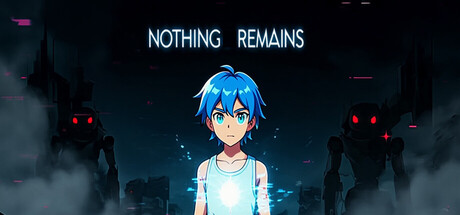
Some store and promotional artwork for Nothing Remains has been created or enhanced using AI-assisted tools. All gameplay systems, mechanics, and in-game content are fully original and developed without the use of generative AI.
A small number of visual elements in this game have been created using generative artificial intelligence. These AI-generated images are limited to a few specific artworks, while the vast majority of visuals, as well as all gameplay, story, and mechanics, are crafted by professional artists and staff.
This game uses generative artificial intelligence as part of its development process. AI tools were used to assist in creating early concept art, drafting dialogue, generating ideas during brainstorming, producing some 3D assets, and supporting debugging and problem-solving during development.
All AI-assisted content and outputs were reviewed, edited, and refined by our development team. Final assets, writing, and implementation were curated to ensure consistency, quality, and alignment with the game’s vision.
AI is not used to generate content dynamically during gameplay; all in-game content is pre-created and finalized by the developers.
We are committed to using these tools responsibly and transparently, with strong human oversight across all aspects of the game.
AI tools were used in a limited and supportive way during the visual development process for certain graphic elements such as the logo and parts of the user interface.
Artificial intelligence tools were used during certain stages of the development of The Letter as supportive tools to assist the creative process. AI was primarily utilized for concept ideation, early visual references, and iterative design exploration.
These tools helped accelerate prototyping, generate visual inspiration, and assist with writing drafts during early development phases. However, all core gameplay systems, narrative design, environmental storytelling, and final artistic direction were created, reviewed, and curated by the developer.
AI tools were used as creative assistants rather than autonomous content generators, ensuring that the final experience remains a carefully crafted and human-directed project.
The images for the steam store were created using concept images, some of which were ai-generated.
And the text for the steam store page was translated using google translate. Except for english, dutch/nederlands, and german/deutsch.
Generative AI was used to assist with some promotional visuals, such as logo and store page imagery. Tide Fall also includes commercially licensed marketplace assets. All gameplay systems and game development are created and implemented by me
Some of the store images and promotional artwork for Egg Hunter were created using AI tools. This was only used for visual marketing materials—everything in the actual game (gameplay, levels, mechanics) is original and made by the developer.
Some visual assets (such as promotional images and artwork) were created or enhanced using AI tools. All in-game content and functionality are implemented by the developer.
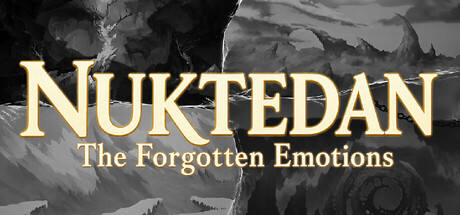
I started this journey at 18. From January 2025 to April 2026, every line and every drawing of Nuktedan was made purely by my own hand. I never touched AI.
But the reality of indie development is harsh. Financial hardship left me facing a choice: shelve the game, or bring it to you through Early Access. I chose the latter.
This came at a cost: I had to use AI support during coding and for certain specific visuals, like the bird's memory drawings. It didn't sit right with me, but it was the decision that kept the project alive.
My promise to you is clear: after Early Access, or in the full release, every trace of AI on the visual side will be completely removed. Those drawings will be redrawn from scratch, by my own hand.
Even in its current form, Nuktedan represents two years of my life. Thank you for your understanding and patience. We're growing this game together.
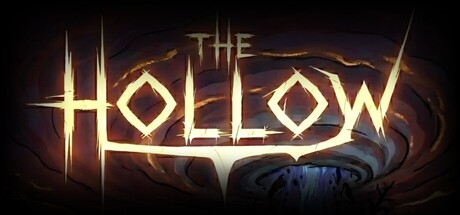
In The Hollow, artificial intelligence is used to enhance images, create the basis for certain textures, and ensure more accurate translations. Some of the characters’ faces could not have been created without processing their images using artificial intelligence. Furthermore, some of the generated results served as the basis for further manual refinement of the game assets.
-English-
This game uses generative AI(ChatGPT) as a supportive tool during development.
AI assistance was used for portions of coding and debugging, and all code was reviewed and refined by the developer before implementation.
All core systems and content were designed and implemented by the develope
Core gameplay systems, art assets, and main content were created directly by the developer.
In the development of Mudventure, we utilized generative AI technologies to streamline our workflow and enhance the overall gaming experience as follows:
Coding Assistance: ChatGPT and Gemini were used as auxiliary tools for code optimization and system architecture design. This allowed our team to focus more on building a stable multiplayer environment.
Visual Content: ChatGPT (DALL-E) was used to generate certain static images, such as in-game item icons and textures. All AI-generated assets underwent a manual refinement process to ensure they align perfectly with our game’s unique art style.
Audio and Music: We utilized Suno to create the background music (BGM). We carefully curated and edited tracks generated by AI to best capture the mysterious yet casual atmosphere of our mudflat island.
AI was used as a productivity tool to assist in coding and drafting assets. All final content, including art and logic, has been extensively refined and reconstructed by human developers to ensure quality.
Some visual and marketing assets for this game were created or assisted using AI tools during development.
No AI-generated content is used in real-time during gameplay, and all core game systems, mechanics, and player experiences are fully handcrafted.
The development process of this project involved the use of advanced digital synthesis and generative tools to assist in the creation and curation of certain audio assets. These tools were utilized to enhance the thematic consistency of the soundtrack and to supplement the creative workflow. All final assets have been reviewed and integrated to ensure they meet the quality standards of the studio.
Artificial Intelligence was used as a supportive tool in the creative process to generate or refine certain 2D graphical elements, such as UI icons, background textures, and concept art. All assets have been manually reviewed, edited, and finalized by the development team to ensure quality and artistic consistency.
Translation and Localization: Parts of the text localization were processed with the assistance of AI-based translation tools. Every text string was subsequently reviewed by human editors to ensure terminological accuracy, proper grammar, and cultural adaptation.
During the development process, our team may utilize procedural and AI-based tools to support content creation.
In all such cases, the final result is a reflection of our own development team's creativity and artistic expression.
Of course, we used some artificial intelligence technologies to speed up our business processes and produce higher quality and better-performing games. We used Claude for code development, ChatGPT for visual production, created the game's cover art with ChatGPT, and wrote the game's overall code architecture with the help of Claude. These AIs significantly sped up our work, but absolutely do not think: "the developers produced this game without any hassle, using only a single prompt." This thought is completely wrong. What actually happened was that we gave these AIs some of the tasks we would have done ourselves, and they did them in stages to speed up the process. Even with this setup, it still took 6 months to finish the game.
This game made auxiliary use of pre-generated AI tools during solo development to improve efficiency in areas such as programming code scripts, game system data structure design, draft text writing, and the creation of certain UI icons (such as trait nodes). All AI-assisted content in the game—including code, graphic assets, and text—was thoroughly reviewed, revised, and reworked by the developer to align with the game's intended direction. This game does not include live-generated AI content that is created through real-time interaction with players.
Some store and promotional artwork for Nothing Remains has been created or enhanced using AI-assisted tools. All gameplay systems, mechanics, and in-game content are fully original and developed without the use of generative AI.
A small number of visual elements in this game have been created using generative artificial intelligence. These AI-generated images are limited to a few specific artworks, while the vast majority of visuals, as well as all gameplay, story, and mechanics, are crafted by professional artists and staff.
This game uses generative artificial intelligence as part of its development process. AI tools were used to assist in creating early concept art, drafting dialogue, generating ideas during brainstorming, producing some 3D assets, and supporting debugging and problem-solving during development.
All AI-assisted content and outputs were reviewed, edited, and refined by our development team. Final assets, writing, and implementation were curated to ensure consistency, quality, and alignment with the game’s vision.
AI is not used to generate content dynamically during gameplay; all in-game content is pre-created and finalized by the developers.
We are committed to using these tools responsibly and transparently, with strong human oversight across all aspects of the game.
AI tools were used in a limited and supportive way during the visual development process for certain graphic elements such as the logo and parts of the user interface.
Artificial intelligence tools were used during certain stages of the development of The Letter as supportive tools to assist the creative process. AI was primarily utilized for concept ideation, early visual references, and iterative design exploration.
These tools helped accelerate prototyping, generate visual inspiration, and assist with writing drafts during early development phases. However, all core gameplay systems, narrative design, environmental storytelling, and final artistic direction were created, reviewed, and curated by the developer.
AI tools were used as creative assistants rather than autonomous content generators, ensuring that the final experience remains a carefully crafted and human-directed project.
The images for the steam store were created using concept images, some of which were ai-generated.
And the text for the steam store page was translated using google translate. Except for english, dutch/nederlands, and german/deutsch.
Generative AI was used to assist with some promotional visuals, such as logo and store page imagery. Tide Fall also includes commercially licensed marketplace assets. All gameplay systems and game development are created and implemented by me
Some of the store images and promotional artwork for Egg Hunter were created using AI tools. This was only used for visual marketing materials—everything in the actual game (gameplay, levels, mechanics) is original and made by the developer.
Some visual assets (such as promotional images and artwork) were created or enhanced using AI tools. All in-game content and functionality are implemented by the developer.
I started this journey at 18. From January 2025 to April 2026, every line and every drawing of Nuktedan was made purely by my own hand. I never touched AI.
But the reality of indie development is harsh. Financial hardship left me facing a choice: shelve the game, or bring it to you through Early Access. I chose the latter.
This came at a cost: I had to use AI support during coding and for certain specific visuals, like the bird's memory drawings. It didn't sit right with me, but it was the decision that kept the project alive.
My promise to you is clear: after Early Access, or in the full release, every trace of AI on the visual side will be completely removed. Those drawings will be redrawn from scratch, by my own hand.
Even in its current form, Nuktedan represents two years of my life. Thank you for your understanding and patience. We're growing this game together.
In The Hollow, artificial intelligence is used to enhance images, create the basis for certain textures, and ensure more accurate translations. Some of the characters’ faces could not have been created without processing their images using artificial intelligence. Furthermore, some of the generated results served as the basis for further manual refinement of the game assets.
-English-
This game uses generative AI(ChatGPT) as a supportive tool during development.
AI assistance was used for portions of coding and debugging, and all code was reviewed and refined by the developer before implementation.
All core systems and content were designed and implemented by the develope
Core gameplay systems, art assets, and main content were created directly by the developer.
In the development of Mudventure, we utilized generative AI technologies to streamline our workflow and enhance the overall gaming experience as follows:
Coding Assistance: ChatGPT and Gemini were used as auxiliary tools for code optimization and system architecture design. This allowed our team to focus more on building a stable multiplayer environment.
Visual Content: ChatGPT (DALL-E) was used to generate certain static images, such as in-game item icons and textures. All AI-generated assets underwent a manual refinement process to ensure they align perfectly with our game’s unique art style.
Audio and Music: We utilized Suno to create the background music (BGM). We carefully curated and edited tracks generated by AI to best capture the mysterious yet casual atmosphere of our mudflat island.
AI was used as a productivity tool to assist in coding and drafting assets. All final content, including art and logic, has been extensively refined and reconstructed by human developers to ensure quality.
Some visual and marketing assets for this game were created or assisted using AI tools during development.
No AI-generated content is used in real-time during gameplay, and all core game systems, mechanics, and player experiences are fully handcrafted.
The development process of this project involved the use of advanced digital synthesis and generative tools to assist in the creation and curation of certain audio assets. These tools were utilized to enhance the thematic consistency of the soundtrack and to supplement the creative workflow. All final assets have been reviewed and integrated to ensure they meet the quality standards of the studio.