Public Steam disclosure research25,383 disclosures tracked
Where do games disclose AI use?
Search developers’ Steam disclosures, compare classified AI use across
games, and follow recorded changes.
This index adds cross-game classifications and statistics to
statements published on individual store pages.
Groups reflect automatic analysis of public disclosures; mature records are excluded. These counts do not measure AI use across all of Steam.
Missing or unclear statements cannot establish whether a game uses AI.
Generative AI was used during development to create portions of the game’s 2D artwork and a small number of 3D models. All AI-generated material was reviewed, manually edited, cleaned up, and polished by the developer before being included in the final game. Generative AI is not used to create content while the game is running.
Some store-page text and marketing images (capsules, screenshots, and similar key art) were drafted or generated with generative AI, then selected and edited by the developer.
The game itself is a hand-authored Unreal Engine title. Combat, physics, and play are not generated by AI while you play. There is no live generative AI in the build.
If later updates include AI-assisted in-game art or audio, this notice will be updated.
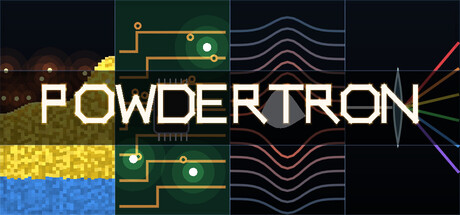
Some of Powdertron's development and marketing materials were produced with AI assistance. The store page text was drafted with an AI writing tool and edited by hand, and the capsule images and trailer were rendered by procedural code written with AI assistance, using the game's own artwork and captured gameplay footage.
The game itself contains no generative AI. Nothing is generated at runtime, no AI service is contacted while you play, and all in-game content — the materials, reaction rules, simulations and interface — is authored and deterministic.
Some background images and illustrations in this game are pre-generated content created using generative AI. These assets have been reviewed and, where necessary, adjusted by the developer before being included.
Generative artificial intelligence was used during development mainly to assist with localization and code, with some 2D/3D assets, and selected audio assets. All AI-assisted content was manually reviewed, edited, and refined by the developer before use.
Some promotional artwork on the store page (capsule images and logo) was created with the assistance of generative AI tools, based on the game's own original key art and branding. The game itself contains no AI-generated content: all gameplay, music, visuals, and levels are hand-crafted.
Generative AI was used during development to assist with code, artwork, in-game text such as death messages, and store page text. All AI-generated content was reviewed and edited by the developer. No AI runs during gameplay - the game is fully offline and generates no content at runtime.
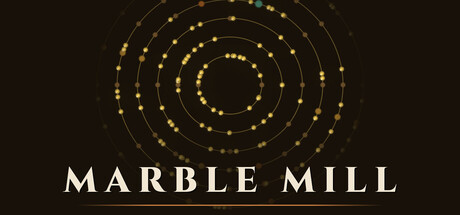
Marble Mill's text was written with generative AI assistance — the in-game strings, the achievement and perk descriptions, and this store page.
Nothing else is AI-generated. The mill is drawn by the game's own renderer rather than from image files: the build contains no art assets beyond the window icon, which a script in the project generates. Every chime is synthesised in code as it plays, so the game ships no audio files at all. And nothing is generated while you play — there is no AI model in the game and no calls out to one.
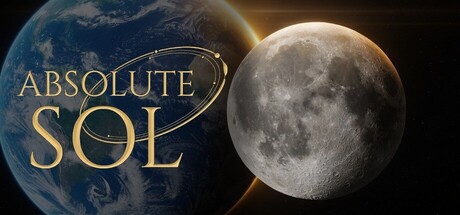
Some store, library, and marketing images were created with a generative image tool, then cropped and composited to Steam sizes. The playable game does not generate AI content at runtime. In-game planets, textures, and simulation are not live AI.
Some pre-generated 2D illustrations (menu backgrounds, mode card images, app icon, and store capsule artwork) were created with AI image generation tools and reviewed by a human. The game itself contains no live-generated AI content — all gameplay, 3D models, audio, and code are human-made.
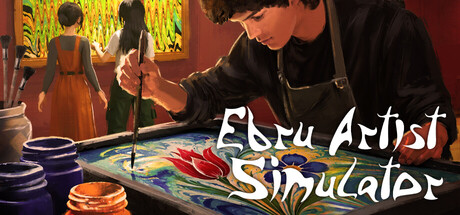
Ebru Artist Simulator uses generative AI-assisted artwork for a small number of textures and UI icons. AI is not used in any other aspect of the game, and we are currently working to replace these AI-assisted visuals before the full release.
Generative AI was used during development to assist with the creation of some visual assets, including concept exploration, initial image generation, and partial redraws. All such assets were reviewed, edited, integrated, and finalized by the developer.
The game does not use generative AI at runtime and does not generate any content live.
a note on AI: this game is one bloke working very closely with AI tools. the store art and achievement icons are AI-generated images. the code, the procedural music, and the scripts that build the 3D models were written in hands-on AI-assisted sessions. everything is hand-curated - every asset, mechanic and line got reviewed, redone or binned by the developer, usually several times. the robot is never left to its own devices. nothing is generated by AI while you play.
No AI was used to create the artwork, animation, or sound effects. All of it is made by human hands.
The game's English text is almost completely written by my hand. The other supported languages are partially AI-translated from my English source. Native-speaker review is ongoing, and corrected translations ship in updates.
The soundtrack is original music that I've written over the last 30 years. I used AI to produce the final compositions.
Development of this game uses AI coding agents. Some procedural shader code shipping in the game was written by coding agents following human-made designs. All designs, music, and art styles are created by humans. All in-game text is written or edited by a human before release; no generated text ships unreviewed. No AI content is generated at runtime.
Some store page and marketing artwork in this game was created with the help of generative AI tools. Game text localization into languages other than English and Korean was produced with AI-assisted translation and reviewed before shipping. All AI-generated content is pre-generated during development; the game does not generate any content live at runtime.
Some marketing assets on the store page (capsules, logo) were produced with a generative AI tool, based on screenshots and 3D renders from the game itself.
Part of the in-game text (encyclopaedia entries and mission briefings) was drafted with the assistance of a large language model, then reviewed and edited by the developer.
The 3D parts, textures and the simulation itself are authored. Nothing is generated while the game is running.
Generative AI tools were used only to assist with localization and the writing of text for the Steam store page. No content is generated while the product is running.
This game uses generative AI to translate certain text, including in-game UI text and the data collection consent form. No generative AI was used for artwork or sound.
Some of this game's assets were made with the assistance of generative AI tools and were reviewed, curated and hand-finished by the developer. No content is generated while you play.
Generative AI tools were used during the development of Only Up: 2D Platformer to create and assist with certain game content. This includes portions of the game's code, some visual assets, the soundtrack, and additional localization content.
Some of the 2D images in SplatStick were created with the help of generative AI tools and then edited by hand. Parts of the source code and the in-game interface text were written with the help of an AI coding assistant.
Everything else is made by people: sound effects, particle effects and fonts come from licensed third-party asset packs.
The game does not use generative AI while you play. Nothing is generated at runtime.
Some of this game's assets were made with the assistance of generative AI tools and were reviewed, curated and hand-finished by the developer. No content is generated while you play.
Our visual development workflow uses generative AI to create parts of graphical elements and textures. Every AI-assisted visual asset is reviewed, edited and polished by our team to maintain a consistent visual standard across the game.
Generative AI tools were used during development to assist with concept exploration and some fixed, pre-generated visual assets. All outputs were reviewed, edited, curated, and integrated by the developer. The game does not generate AI content at runtime, and players cannot prompt or create AI-generated content.
Some content was created with the assistance of generative AI tools: 2D store and
marketing art (library capsule and library hero), the game's localization into
non-English languages, and portions of in-game flavour text. All localization was
reviewed before shipping. All in-game visuals are generated procedurally at runtime
from code, all sound effects are synthesised at runtime, and all music is
human-composed and licensed under CC BY 4.0. The game performs no AI generation at
runtime and connects to no external AI service.
- AI content is focused on code implementation, review, and optimization.
- Game currently contains no audio, when implemented audio will be human made.
- Graphics are parametrically (rules based) created and modified by humans. (No AI 3D model assets)
- All economic and management systems are developed by humans.
Some of this game's assets were produced with the help of generative AI tools: the 2D key art and cinematic stills used in the trailer, capsule art and main menu; the base meshes for the twelve zodiac fighters, generated with Meshy and then rigged, retextured and reworked by hand; and part of the music and sound effects. Every AI-generated asset was reviewed, edited and integrated manually before shipping. No generative AI runs at runtime — nothing is generated while you play.
Generative AI tools were used during development to create background music with Suno, application and shortcut icon artwork, and Steam store and library artwork. They were also used to assist with programming and player-facing text, including Steam store descriptions and localization. All included AI-assisted outputs were reviewed and approved by the developer before inclusion. The game does not use live-generated AI.
LIMP MODE is made by a solo developer who uses generative AI as a tool during production.
Where AI was used: the game's code, the cover artwork that all store page capsule images are built from, the songs played on the in-game radio, the spoken lines of one story character (text-to-speech), parts of the in-game visual and audio assets, and the drafting of the English store page and marketing texts. The player character's voice lines are recorded by the developer himself and are not AI-generated.
All game design, mechanics, balancing and creative direction come from the developer. Every AI-assisted result was reviewed and edited by the developer before it shipped.
The game does not generate any content while it is running and does not connect to any AI service during gameplay.
RingOut uses generative AI to create part of its content. Some 2D artwork (character illustrations, key art and store/marketing images) and some audio (music and/or sound effects) were created with generative AI tools during development, then reviewed, edited and integrated by the developer. All 3D models are hand-made. No content is generated by AI in real time during gameplay.
Portions of this game's content were created with the assistance of generative AI tools under human direction and review. This includes much but not all of the visual artwork, the soundtrack, and the store page text and marketing copy. All AI-assisted content was curated, edited, and approved by the developer.
Some of the 3D models used for the table and room background in this game were created with the assistance of a generative AI (text-to-3D) tool, and were then adjusted and integrated by the developer. All other assets — including the dictionary data, UI artwork, sound, and all in-game text — were produced without generative AI. No content is generated by AI while you play.
Generative AI was used during development to create portions of the game’s 2D artwork and a small number of 3D models. All AI-generated material was reviewed, manually edited, cleaned up, and polished by the developer before being included in the final game. Generative AI is not used to create content while the game is running.
Some store-page text and marketing images (capsules, screenshots, and similar key art) were drafted or generated with generative AI, then selected and edited by the developer.
The game itself is a hand-authored Unreal Engine title. Combat, physics, and play are not generated by AI while you play. There is no live generative AI in the build.
If later updates include AI-assisted in-game art or audio, this notice will be updated.
Some of Powdertron's development and marketing materials were produced with AI assistance. The store page text was drafted with an AI writing tool and edited by hand, and the capsule images and trailer were rendered by procedural code written with AI assistance, using the game's own artwork and captured gameplay footage.
The game itself contains no generative AI. Nothing is generated at runtime, no AI service is contacted while you play, and all in-game content — the materials, reaction rules, simulations and interface — is authored and deterministic.
Some background images and illustrations in this game are pre-generated content created using generative AI. These assets have been reviewed and, where necessary, adjusted by the developer before being included.
Generative artificial intelligence was used during development mainly to assist with localization and code, with some 2D/3D assets, and selected audio assets. All AI-assisted content was manually reviewed, edited, and refined by the developer before use.
Some promotional artwork on the store page (capsule images and logo) was created with the assistance of generative AI tools, based on the game's own original key art and branding. The game itself contains no AI-generated content: all gameplay, music, visuals, and levels are hand-crafted.
Generative AI was used during development to assist with code, artwork, in-game text such as death messages, and store page text. All AI-generated content was reviewed and edited by the developer. No AI runs during gameplay - the game is fully offline and generates no content at runtime.
Marble Mill's text was written with generative AI assistance — the in-game strings, the achievement and perk descriptions, and this store page.
Nothing else is AI-generated. The mill is drawn by the game's own renderer rather than from image files: the build contains no art assets beyond the window icon, which a script in the project generates. Every chime is synthesised in code as it plays, so the game ships no audio files at all. And nothing is generated while you play — there is no AI model in the game and no calls out to one.
Some store, library, and marketing images were created with a generative image tool, then cropped and composited to Steam sizes. The playable game does not generate AI content at runtime. In-game planets, textures, and simulation are not live AI.
Some pre-generated 2D illustrations (menu backgrounds, mode card images, app icon, and store capsule artwork) were created with AI image generation tools and reviewed by a human. The game itself contains no live-generated AI content — all gameplay, 3D models, audio, and code are human-made.
Ebru Artist Simulator uses generative AI-assisted artwork for a small number of textures and UI icons. AI is not used in any other aspect of the game, and we are currently working to replace these AI-assisted visuals before the full release.
Generative AI was used during development to assist with the creation of some visual assets, including concept exploration, initial image generation, and partial redraws. All such assets were reviewed, edited, integrated, and finalized by the developer.
The game does not use generative AI at runtime and does not generate any content live.
a note on AI: this game is one bloke working very closely with AI tools. the store art and achievement icons are AI-generated images. the code, the procedural music, and the scripts that build the 3D models were written in hands-on AI-assisted sessions. everything is hand-curated - every asset, mechanic and line got reviewed, redone or binned by the developer, usually several times. the robot is never left to its own devices. nothing is generated by AI while you play.
No AI was used to create the artwork, animation, or sound effects. All of it is made by human hands.
The game's English text is almost completely written by my hand. The other supported languages are partially AI-translated from my English source. Native-speaker review is ongoing, and corrected translations ship in updates.
The soundtrack is original music that I've written over the last 30 years. I used AI to produce the final compositions.
Development of this game uses AI coding agents. Some procedural shader code shipping in the game was written by coding agents following human-made designs. All designs, music, and art styles are created by humans. All in-game text is written or edited by a human before release; no generated text ships unreviewed. No AI content is generated at runtime.
Some store page and marketing artwork in this game was created with the help of generative AI tools. Game text localization into languages other than English and Korean was produced with AI-assisted translation and reviewed before shipping. All AI-generated content is pre-generated during development; the game does not generate any content live at runtime.
Some marketing assets on the store page (capsules, logo) were produced with a generative AI tool, based on screenshots and 3D renders from the game itself.
Part of the in-game text (encyclopaedia entries and mission briefings) was drafted with the assistance of a large language model, then reviewed and edited by the developer.
The 3D parts, textures and the simulation itself are authored. Nothing is generated while the game is running.
Generative AI tools were used only to assist with localization and the writing of text for the Steam store page. No content is generated while the product is running.
This game uses generative AI to translate certain text, including in-game UI text and the data collection consent form. No generative AI was used for artwork or sound.
Some of this game's assets were made with the assistance of generative AI tools and were reviewed, curated and hand-finished by the developer. No content is generated while you play.
Generative AI tools were used during the development of Only Up: 2D Platformer to create and assist with certain game content. This includes portions of the game's code, some visual assets, the soundtrack, and additional localization content.
Some of the 2D images in SplatStick were created with the help of generative AI tools and then edited by hand. Parts of the source code and the in-game interface text were written with the help of an AI coding assistant.
Everything else is made by people: sound effects, particle effects and fonts come from licensed third-party asset packs.
The game does not use generative AI while you play. Nothing is generated at runtime.
Some of this game's assets were made with the assistance of generative AI tools and were reviewed, curated and hand-finished by the developer. No content is generated while you play.
Our visual development workflow uses generative AI to create parts of graphical elements and textures. Every AI-assisted visual asset is reviewed, edited and polished by our team to maintain a consistent visual standard across the game.
Generative AI tools were used during development to assist with concept exploration and some fixed, pre-generated visual assets. All outputs were reviewed, edited, curated, and integrated by the developer. The game does not generate AI content at runtime, and players cannot prompt or create AI-generated content.
Some content was created with the assistance of generative AI tools: 2D store and
marketing art (library capsule and library hero), the game's localization into
non-English languages, and portions of in-game flavour text. All localization was
reviewed before shipping. All in-game visuals are generated procedurally at runtime
from code, all sound effects are synthesised at runtime, and all music is
human-composed and licensed under CC BY 4.0. The game performs no AI generation at
runtime and connects to no external AI service.
- AI content is focused on code implementation, review, and optimization.
- Game currently contains no audio, when implemented audio will be human made.
- Graphics are parametrically (rules based) created and modified by humans. (No AI 3D model assets)
- All economic and management systems are developed by humans.
Some of this game's assets were produced with the help of generative AI tools: the 2D key art and cinematic stills used in the trailer, capsule art and main menu; the base meshes for the twelve zodiac fighters, generated with Meshy and then rigged, retextured and reworked by hand; and part of the music and sound effects. Every AI-generated asset was reviewed, edited and integrated manually before shipping. No generative AI runs at runtime — nothing is generated while you play.
Generative AI tools were used during development to create background music with Suno, application and shortcut icon artwork, and Steam store and library artwork. They were also used to assist with programming and player-facing text, including Steam store descriptions and localization. All included AI-assisted outputs were reviewed and approved by the developer before inclusion. The game does not use live-generated AI.
LIMP MODE is made by a solo developer who uses generative AI as a tool during production.
Where AI was used: the game's code, the cover artwork that all store page capsule images are built from, the songs played on the in-game radio, the spoken lines of one story character (text-to-speech), parts of the in-game visual and audio assets, and the drafting of the English store page and marketing texts. The player character's voice lines are recorded by the developer himself and are not AI-generated.
All game design, mechanics, balancing and creative direction come from the developer. Every AI-assisted result was reviewed and edited by the developer before it shipped.
The game does not generate any content while it is running and does not connect to any AI service during gameplay.
RingOut uses generative AI to create part of its content. Some 2D artwork (character illustrations, key art and store/marketing images) and some audio (music and/or sound effects) were created with generative AI tools during development, then reviewed, edited and integrated by the developer. All 3D models are hand-made. No content is generated by AI in real time during gameplay.
Portions of this game's content were created with the assistance of generative AI tools under human direction and review. This includes much but not all of the visual artwork, the soundtrack, and the store page text and marketing copy. All AI-assisted content was curated, edited, and approved by the developer.
Some of the 3D models used for the table and room background in this game were created with the assistance of a generative AI (text-to-3D) tool, and were then adjusted and integrated by the developer. All other assets — including the dictionary data, UI artwork, sound, and all in-game text — were produced without generative AI. No content is generated by AI while you play.