Public Steam disclosure research25,380 disclosures tracked
Where do games disclose AI use?
Search developers’ Steam disclosures, compare classified AI use across
games, and follow recorded changes.
This index adds cross-game classifications and statistics to
statements published on individual store pages.
Groups reflect automatic analysis of public disclosures; mature records are excluded. These counts do not measure AI use across all of Steam.
Missing or unclear statements cannot establish whether a game uses AI.
This game is primarily hand-drawn and artist-created. A very small number of development assets were lightly assisted with AI tools, but no live AI generation occurs during gameplay. The vast majority of in-game assets, environments, characters, and cinematics are traditionally created by the developer.
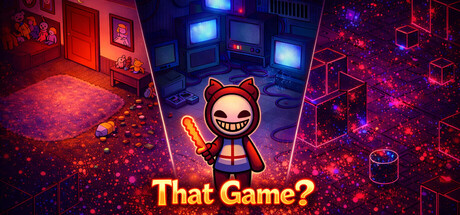
Yes. That Game? uses generative AI (for example ElevenLabs) to create some of the
voice-over lines used in the game. All AI-generated audio is pre-recorded during
development, not generated live while the game is running, and every line is
reviewed and approved by the developer. The game does not allow users to create
their own AI-generated content.
We have utilized AI-assisted design for the store materials and some 2D background images within the game. However, these are not purely AI-generated; they are based on our original photographs that were enhanced using AI technology, and subsequently refined manually to ensure quality.
I built Devil's Due as a weekend project, using Claude Opus for coding support and AI for the art assets (since I’m not exactly a 2D artist). I wanted to see if I could create something fun with AI assistance, and I really hope you guys enjoy playing it!
Some visual assets, including banners and promotional materials, were created with the assistance of artificial intelligence. All dialogue is generated in real time by artificial intelligence, making each interaction unique and dynamic.
The game requires the use of large language models. Players need to purchase APIs of various brand-specific large language models through other channels at their own expense, or deploy large language models locally on their own devices via Ollama to power the game.
All illustration assets in this game were created using generative AI tools (Whisk and ImageFX). All remaining work required to produce the game—from UI design and editing to layout and event scripting—was manually crafted by the developer. AI-generated content is limited to static illustration assets only, and the game does not include any real-time AI generation features.
This game uses artificial intelligence to generate certain visual assets, such as promotional images and demo artwork. These assets are used solely for prototyping and early-stage presentation purposes. In the future, all visuals will be replaced with hand-drawn illustrations and original artwork created by human artists. No AI is used during gameplay or to generate content in real-time.
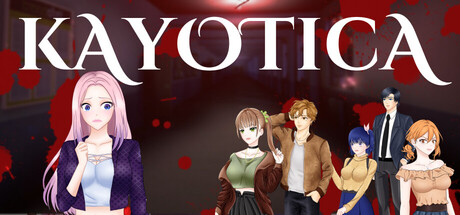
Kayotica includes a unique AI-driven detective system. During certain scenes, players talk to the AI who takes a role of a characters. The AI is limited to the story world and cannot go outside the game’s narrative. Player choices in these moments influence relationships and the upcoming story choices.
Some images in the game are AI-generated but are consistent with our characters and our color chart.
In the early stages of development, localization uses a mix of AI-assisted translation and human review out of necessity. The shift to full human localization is planned the moment the project can support it.
Visual backgrounds and illustrations were partially generated using AI and then manually refined to meet artistic and technical requirements. Some voice lines were also generated using neural voice models, followed by manual editing and final polishing.
This game uses Generative AI technology during its development process. Key visual assets, including some character portraits, in-game items, and background scenery, have been created with the assistance of AI tools. This technology was used as a foundation and was then manually curated, edited, and integrated by our artists to ensure it aligns with the game's unique noir art style and narrative tone.
Additionally, some marketing and store page assets, such as the capsule artwork, were also created using these tools to maintain a consistent visual identity.
There is no live-generation of AI content during gameplay; all content players experience is pre-generated and has been reviewed to fit the game's intended experience.
The store page materials, game main interface background image, loading interface background image, and card artwork are all generated by artificial intelligence
“Don’t Hang Up” uses generative AI voice technology (via ElevenLabs) to bring the anonymous phone calls to life. These AI-generated voices enhance immersion and help deliver the story in a unique, atmospheric way. No user data is collected or processed by AI systems.
During the development of this game, AI tools were utilized to assist with some technical aspects, such as coding and problem-solving. The game itself, as experienced by players, does not contain any live AI or connect to external AI services.
🎵 In our game, AI is used exclusively for content creation:
• character voice generation,
• sound effects creation,
• background music writing.
AI does not affect gameplay, balance or decision making in the game. All story elements, mechanics and visual content are developed manually.
We used AI tools to generate sound effects, music and voice-overs, but this content is pre-rendered and does not change dynamically during gameplay. No AI is used to live-generate content or code during gameplay.
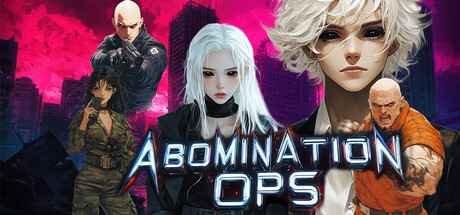
AI was used to create the visual art, music, voices, and sound effects. Abomination Ops was developed to demonstrate how modern artificial intelligence tools can be harnessed to craft a fully cinematic experience accessible to everyone. The story, world, and characters were conceived and written by a human being.
AI was utilized to generate portions of the game's text, 3D models, textures, and code. These elements were subsequently edited and finalized by the developer.
Some of the backgrounds for scenes are AI rendered. Ideally, these are placeholders which will be replaced if the game is well received and further developed.
Some 3D models and sound effects in this game were created using AI tools. These assets were edited and integrated into the game by the developer. No real-time AI content generation is used in gameplay.
This game utilizes Generative Artificial Intelligence (AI) to assist in the creation of various visual assets, including textures, family photos, and character facial expressions. Additionally, AI was used for translating in-game dialogues into multiple supported languages. The core gameplay content, 3D models, and programming were crafted manually by the developer
This game includes a few character illustrations generated by ChatGPT. No other content—such as images, sounds, or text—has been created with generative AI. All other elements were produced and reviewed by humans.
“This game includes a small number of static 3D meshes created with generative AI tools. All environments, gameplay, and narrative content are handcrafted.”
Some game scripts and minor visual assets were created or refined using generative AI tools. All AI-generated content was reviewed and edited by the developer to ensure originality and consistency with the game's vision.
NO AI was used except as outlined below. NO AI OF ANY FORM was used for story/writing, character sprites, CGs, main backgrounds, music, coding, or any other elements.
We discovered a contractor used AI-assisted base line art on a limited number of secondary/non-main backgrounds. These were fully repainted and finished by a human artist. Includes speech synthesis.
This game is primarily hand-drawn and artist-created. A very small number of development assets were lightly assisted with AI tools, but no live AI generation occurs during gameplay. The vast majority of in-game assets, environments, characters, and cinematics are traditionally created by the developer.
Yes. That Game? uses generative AI (for example ElevenLabs) to create some of the
voice-over lines used in the game. All AI-generated audio is pre-recorded during
development, not generated live while the game is running, and every line is
reviewed and approved by the developer. The game does not allow users to create
their own AI-generated content.
We have utilized AI-assisted design for the store materials and some 2D background images within the game. However, these are not purely AI-generated; they are based on our original photographs that were enhanced using AI technology, and subsequently refined manually to ensure quality.
I built Devil's Due as a weekend project, using Claude Opus for coding support and AI for the art assets (since I’m not exactly a 2D artist). I wanted to see if I could create something fun with AI assistance, and I really hope you guys enjoy playing it!
Some visual assets, including banners and promotional materials, were created with the assistance of artificial intelligence. All dialogue is generated in real time by artificial intelligence, making each interaction unique and dynamic.
The game requires the use of large language models. Players need to purchase APIs of various brand-specific large language models through other channels at their own expense, or deploy large language models locally on their own devices via Ollama to power the game.
All illustration assets in this game were created using generative AI tools (Whisk and ImageFX). All remaining work required to produce the game—from UI design and editing to layout and event scripting—was manually crafted by the developer. AI-generated content is limited to static illustration assets only, and the game does not include any real-time AI generation features.
This game uses artificial intelligence to generate certain visual assets, such as promotional images and demo artwork. These assets are used solely for prototyping and early-stage presentation purposes. In the future, all visuals will be replaced with hand-drawn illustrations and original artwork created by human artists. No AI is used during gameplay or to generate content in real-time.
Kayotica includes a unique AI-driven detective system. During certain scenes, players talk to the AI who takes a role of a characters. The AI is limited to the story world and cannot go outside the game’s narrative. Player choices in these moments influence relationships and the upcoming story choices.
Some images in the game are AI-generated but are consistent with our characters and our color chart.
In the early stages of development, localization uses a mix of AI-assisted translation and human review out of necessity. The shift to full human localization is planned the moment the project can support it.
Visual backgrounds and illustrations were partially generated using AI and then manually refined to meet artistic and technical requirements. Some voice lines were also generated using neural voice models, followed by manual editing and final polishing.
This game uses Generative AI technology during its development process. Key visual assets, including some character portraits, in-game items, and background scenery, have been created with the assistance of AI tools. This technology was used as a foundation and was then manually curated, edited, and integrated by our artists to ensure it aligns with the game's unique noir art style and narrative tone.
Additionally, some marketing and store page assets, such as the capsule artwork, were also created using these tools to maintain a consistent visual identity.
There is no live-generation of AI content during gameplay; all content players experience is pre-generated and has been reviewed to fit the game's intended experience.
The store page materials, game main interface background image, loading interface background image, and card artwork are all generated by artificial intelligence
“Don’t Hang Up” uses generative AI voice technology (via ElevenLabs) to bring the anonymous phone calls to life. These AI-generated voices enhance immersion and help deliver the story in a unique, atmospheric way. No user data is collected or processed by AI systems.
During the development of this game, AI tools were utilized to assist with some technical aspects, such as coding and problem-solving. The game itself, as experienced by players, does not contain any live AI or connect to external AI services.
🎵 In our game, AI is used exclusively for content creation:
• character voice generation,
• sound effects creation,
• background music writing.
AI does not affect gameplay, balance or decision making in the game. All story elements, mechanics and visual content are developed manually.
We used AI tools to generate sound effects, music and voice-overs, but this content is pre-rendered and does not change dynamically during gameplay. No AI is used to live-generate content or code during gameplay.
AI was used to create the visual art, music, voices, and sound effects. Abomination Ops was developed to demonstrate how modern artificial intelligence tools can be harnessed to craft a fully cinematic experience accessible to everyone. The story, world, and characters were conceived and written by a human being.
AI was utilized to generate portions of the game's text, 3D models, textures, and code. These elements were subsequently edited and finalized by the developer.
Some of the backgrounds for scenes are AI rendered. Ideally, these are placeholders which will be replaced if the game is well received and further developed.
Some 3D models and sound effects in this game were created using AI tools. These assets were edited and integrated into the game by the developer. No real-time AI content generation is used in gameplay.
This game utilizes Generative Artificial Intelligence (AI) to assist in the creation of various visual assets, including textures, family photos, and character facial expressions. Additionally, AI was used for translating in-game dialogues into multiple supported languages. The core gameplay content, 3D models, and programming were crafted manually by the developer
This game includes a few character illustrations generated by ChatGPT. No other content—such as images, sounds, or text—has been created with generative AI. All other elements were produced and reviewed by humans.
“This game includes a small number of static 3D meshes created with generative AI tools. All environments, gameplay, and narrative content are handcrafted.”
Some game scripts and minor visual assets were created or refined using generative AI tools. All AI-generated content was reviewed and edited by the developer to ensure originality and consistency with the game's vision.
NO AI was used except as outlined below. NO AI OF ANY FORM was used for story/writing, character sprites, CGs, main backgrounds, music, coding, or any other elements.
We discovered a contractor used AI-assisted base line art on a limited number of secondary/non-main backgrounds. These were fully repainted and finished by a human artist. Includes speech synthesis.