Public Steam disclosure research25,383 disclosures tracked
Where do games disclose AI use?
Search developers’ Steam disclosures, compare classified AI use across
games, and follow recorded changes.
This index adds cross-game classifications and statistics to
statements published on individual store pages.
Groups reflect automatic analysis of public disclosures; mature records are excluded. These counts do not measure AI use across all of Steam.
Missing or unclear statements cannot establish whether a game uses AI.
We have updated our AI disclosure in order to provide better transparency and clarity around the use of this support tool for Crazy Taxi: World Tour:
At SEGA Corporation, we utilize generative AI as an optional support tool for developers, with the aim of enabling developers to focus more on creative tasks and deliver better experiences to our players.
In Crazy Taxi: World Tour, generative AI was used as part of the ideation process for background objects. However, no AI-generated content will be included in the final game.
As a small indie team of 3 developers, we utilized AI technologies as a supplementary tool in highly specific areas to optimize our development pipeline and deliver a more immersive experience:
Voice Acting: The character voice-overs in the game were generated using AI-assisted voice models.
Concept Art: For the portrait designs appearing after the 2nd planet, AI was used strictly during the initial concept and ideation phase. All final assets were carefully refined and finalized by us to ensure strict visual consistency and match our artistic vision.
Beyond these specific use cases, all programming, core game design, narrative, and primary in-game assets were handcrafted by our team. The game does not feature any live-generated AI content, and player safety/experience is fully controlled.
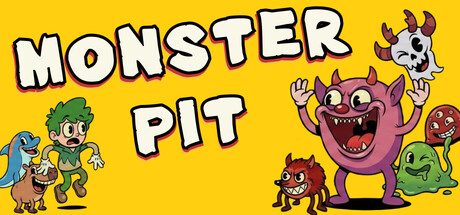
Monster Pit features handcrafted assets created by talented artists, musicians, and creators from the indie community. AI image generation tools were used during prototyping and stylization to keep the overall visual direction together.
Some of this game's marketing artwork (Steam store capsules and banners) was generated with the help of an AI image model (FLUX via Runware) and then composited and edited by hand for the final assets.
Translations for 14 of the 16 supported languages — Danish, Finnish, French, German, Italian, Japanese, Korean, Norwegian, Polish, Portuguese, Simplified Chinese, Slovak, Spanish, and Swedish — were produced by machine translation (DeepL). Only English and Czech are reviewed and edited by a human; the other translations may contain mistakes, and corrections are welcome.
"Generative AI tools were used during the development of this game to assist with programming and narrative dialogue writing. All AI-assisted content has been reviewed and approved by the developer. No artificial intelligence generates content live during gameplay —
▎ all text, audio, and visuals are pre-authored and fixed."
Generative AI tools were used to assist with the creation and iteration of some marketing and store page visual materials. Final assets are manually reviewed, edited, and selected by the developer. The game itself is developed by MICROMETA using original production work and game assets.
This game uses pre-generated AI-assisted content for certain promotional artwork, visual assets, and audio materials. No AI-generated content is created during gameplay.
Generative AI tools were used during the development process to assist in writing, optimizing, and refining C# scripts in Unity, as well as in the conceptualization, texture generation, and editing of 2D visual assets and user interface elements.
Generative AI was used in the creation and editing of some visual assets, promotional materials, and other creative content appearing in the game and on the store page. All final content was reviewed, edited, and implemented by the developer.
Grok Imagine was used during development to generate environment backgrounds, level assets, and character concept art. All assets have been curated and integrated manually into the 2D engine.
Suno AI was used to compose the atmospheric music tracks and soundtracks for the different realms of the game.
Generative AI was used during development for two background illustrations and to draft some in-game UI and popup text, which the developer then reviewed and shipped. The game does not use AI to generate content during gameplay.
Generative AI tools are used in this project. Claude and ChatGPT assist with drafting store page copy and marketing media. Some in-game visual assets are created with AI image generation.
AI tools were used to assist in creating some store page descriptions and promotional graphics. The game itself does not use AI-generated content during gameplay.
Foundation Typer uses generative AI-assisted artwork, voice, and cinematic media elements for certain visual and promotional content, including portions of trailers, character presentation, and store assets. All gameplay systems, lesson structure, progression design, typing mechanics, interface functionality, and core training content were created and assembled as part of the game's original development.
This game uses AI tools during development to assist with the creation of certain 3D models and prototyping. All gameplay design, final programming, balancing, creative direction, and system integration were carried out by the developer.
Some artwork assets including achievement icons and store capsule art were created with the assistance of AI image generation tools (PixelLab). All AI-generated content was reviewed and curated by the developer.
Generative AI tools were used to create images, audio, and text materials used in the game and on the store page.
Generated materials are reviewed, selected, edited, and adjusted by the developer before use.
The game does not include any feature that live-generates AI content during gameplay.
Some visual assets, promotional materials, and portions of development assistance for Word Rift were created with the help of generative AI tools under the direction and supervision of the developer.
Some store page artwork, capsule images, and library artwork for Peg Cascade were created with assistance from generative AI tools, then selected, edited, and prepared by the developer for use in the game’s presentation. The game does not generate AI content during gameplay.
As a solo indie developer, I use AI to assist with multi-language localization and the creation of some background images. This helps me provide a smoother, more accessible player experience while allowing me to focus more time on gameplay, systems, level design, and other core parts of the game.
I'm a solo developer. Without AI tools, this game would not exist — the art, music, and copy would have been unaffordable to commission and impossible for me to produce alone. AI let me focus on what I actually built by hand: the game design, the mechanics, the 181 tomes, the scoring engine, the balance, the words.
What's AI-generated:
• Visual art (backgrounds, character portraits, tome/scroll/blessing illustrations, store page art) — generated with AI image tools, curated and selected by me
• Music — generated with AI audio tools, curated and selected by me
• Some flavor text and descriptive copy — drafted with AI assistance, edited by me
What's not AI:
• The game itself — every system, mechanic, balance number, character design, and core decision is mine
• The dictionary, the tile distributions, the scoring math, the run structure, the boss fights — hand-built
• The code — written by me with the help of AI assistants the same way any modern developer uses them
No AI runs at runtime. Nothing is generated for you on the fly during play. Everything you see was reviewed before it shipped.
Cyber Spartan uses AI-generated content for select visual assets, including character expression artwork and some promotional materials. Core gameplay code, game design, and level design are human-directed. AI tools were used as a creative partner
throughout development.
Some visual assets, promotional images, and audio content for this game were created or assisted using generative AI tools. All AI-generated content was reviewed and edited by the developer before inclusion in the game.
Generative AI tools were used during development to assist with code, localization text, store page copy, and procedural geometric marketing assets. The game does not use live generative AI during gameplay. All AI-assisted content was reviewed, edited, and integrated by the developer.
Pre-generated AI-assisted artwork was used for some branding, splash screen, icon, and Steam store/library promotional assets. The game does not use live generative AI during gameplay.
Some assets in Pulsewave were created with the help of generative AI tools:
- Background music tracks were composed using AI music generation tools, then reviewed and curated by the developer before inclusion.
- Select store-page artwork (capsule images, marketing visuals) was AI-generated.
All gameplay, game code, in-game graphics, and game design are human-made. No AI runs during gameplay - Pulsewave does not generate content in real time and does not connect to external AI services. All AI-generated assets were reviewed before inclusion to ensure they meet our quality and content standards.
Some game and store page text or visual assets were created or refined with generative AI during development. This content is pre-generated and included in the shipped game or store materials. The game does not generate AI content during gameplay and does not connect to external AI services during gameplay.
Generative AI was used as a development assistant during this project. It helped with brainstorming gameplay mechanics, coding/debugging support, level design ideas, marketing copy, store description text, and some promotional/store artwork.
The game itself is a 2D platformer developed in Unity. Gameplay does not use live generative AI, and no content is generated dynamically during gameplay.
We have updated our AI disclosure in order to provide better transparency and clarity around the use of this support tool for Crazy Taxi: World Tour:
At SEGA Corporation, we utilize generative AI as an optional support tool for developers, with the aim of enabling developers to focus more on creative tasks and deliver better experiences to our players.
In Crazy Taxi: World Tour, generative AI was used as part of the ideation process for background objects. However, no AI-generated content will be included in the final game.
As a small indie team of 3 developers, we utilized AI technologies as a supplementary tool in highly specific areas to optimize our development pipeline and deliver a more immersive experience:
Voice Acting: The character voice-overs in the game were generated using AI-assisted voice models.
Concept Art: For the portrait designs appearing after the 2nd planet, AI was used strictly during the initial concept and ideation phase. All final assets were carefully refined and finalized by us to ensure strict visual consistency and match our artistic vision.
Beyond these specific use cases, all programming, core game design, narrative, and primary in-game assets were handcrafted by our team. The game does not feature any live-generated AI content, and player safety/experience is fully controlled.
Monster Pit features handcrafted assets created by talented artists, musicians, and creators from the indie community. AI image generation tools were used during prototyping and stylization to keep the overall visual direction together.
Some of this game's marketing artwork (Steam store capsules and banners) was generated with the help of an AI image model (FLUX via Runware) and then composited and edited by hand for the final assets.
Translations for 14 of the 16 supported languages — Danish, Finnish, French, German, Italian, Japanese, Korean, Norwegian, Polish, Portuguese, Simplified Chinese, Slovak, Spanish, and Swedish — were produced by machine translation (DeepL). Only English and Czech are reviewed and edited by a human; the other translations may contain mistakes, and corrections are welcome.
"Generative AI tools were used during the development of this game to assist with programming and narrative dialogue writing. All AI-assisted content has been reviewed and approved by the developer. No artificial intelligence generates content live during gameplay —
▎ all text, audio, and visuals are pre-authored and fixed."
Generative AI tools were used to assist with the creation and iteration of some marketing and store page visual materials. Final assets are manually reviewed, edited, and selected by the developer. The game itself is developed by MICROMETA using original production work and game assets.
This game uses pre-generated AI-assisted content for certain promotional artwork, visual assets, and audio materials. No AI-generated content is created during gameplay.
Generative AI tools were used during the development process to assist in writing, optimizing, and refining C# scripts in Unity, as well as in the conceptualization, texture generation, and editing of 2D visual assets and user interface elements.
Generative AI was used in the creation and editing of some visual assets, promotional materials, and other creative content appearing in the game and on the store page. All final content was reviewed, edited, and implemented by the developer.
Grok Imagine was used during development to generate environment backgrounds, level assets, and character concept art. All assets have been curated and integrated manually into the 2D engine.
Suno AI was used to compose the atmospheric music tracks and soundtracks for the different realms of the game.
Generative AI was used during development for two background illustrations and to draft some in-game UI and popup text, which the developer then reviewed and shipped. The game does not use AI to generate content during gameplay.
Generative AI tools are used in this project. Claude and ChatGPT assist with drafting store page copy and marketing media. Some in-game visual assets are created with AI image generation.
AI tools were used to assist in creating some store page descriptions and promotional graphics. The game itself does not use AI-generated content during gameplay.
Foundation Typer uses generative AI-assisted artwork, voice, and cinematic media elements for certain visual and promotional content, including portions of trailers, character presentation, and store assets. All gameplay systems, lesson structure, progression design, typing mechanics, interface functionality, and core training content were created and assembled as part of the game's original development.
This game uses AI tools during development to assist with the creation of certain 3D models and prototyping. All gameplay design, final programming, balancing, creative direction, and system integration were carried out by the developer.
Some artwork assets including achievement icons and store capsule art were created with the assistance of AI image generation tools (PixelLab). All AI-generated content was reviewed and curated by the developer.
Generative AI tools were used to create images, audio, and text materials used in the game and on the store page.
Generated materials are reviewed, selected, edited, and adjusted by the developer before use.
The game does not include any feature that live-generates AI content during gameplay.
Some visual assets, promotional materials, and portions of development assistance for Word Rift were created with the help of generative AI tools under the direction and supervision of the developer.
Some store page artwork, capsule images, and library artwork for Peg Cascade were created with assistance from generative AI tools, then selected, edited, and prepared by the developer for use in the game’s presentation. The game does not generate AI content during gameplay.
As a solo indie developer, I use AI to assist with multi-language localization and the creation of some background images. This helps me provide a smoother, more accessible player experience while allowing me to focus more time on gameplay, systems, level design, and other core parts of the game.
I'm a solo developer. Without AI tools, this game would not exist — the art, music, and copy would have been unaffordable to commission and impossible for me to produce alone. AI let me focus on what I actually built by hand: the game design, the mechanics, the 181 tomes, the scoring engine, the balance, the words.
What's AI-generated:
• Visual art (backgrounds, character portraits, tome/scroll/blessing illustrations, store page art) — generated with AI image tools, curated and selected by me
• Music — generated with AI audio tools, curated and selected by me
• Some flavor text and descriptive copy — drafted with AI assistance, edited by me
What's not AI:
• The game itself — every system, mechanic, balance number, character design, and core decision is mine
• The dictionary, the tile distributions, the scoring math, the run structure, the boss fights — hand-built
• The code — written by me with the help of AI assistants the same way any modern developer uses them
No AI runs at runtime. Nothing is generated for you on the fly during play. Everything you see was reviewed before it shipped.
Cyber Spartan uses AI-generated content for select visual assets, including character expression artwork and some promotional materials. Core gameplay code, game design, and level design are human-directed. AI tools were used as a creative partner
throughout development.
Some visual assets, promotional images, and audio content for this game were created or assisted using generative AI tools. All AI-generated content was reviewed and edited by the developer before inclusion in the game.
Generative AI tools were used during development to assist with code, localization text, store page copy, and procedural geometric marketing assets. The game does not use live generative AI during gameplay. All AI-assisted content was reviewed, edited, and integrated by the developer.
Pre-generated AI-assisted artwork was used for some branding, splash screen, icon, and Steam store/library promotional assets. The game does not use live generative AI during gameplay.
Some assets in Pulsewave were created with the help of generative AI tools:
- Background music tracks were composed using AI music generation tools, then reviewed and curated by the developer before inclusion.
- Select store-page artwork (capsule images, marketing visuals) was AI-generated.
All gameplay, game code, in-game graphics, and game design are human-made. No AI runs during gameplay - Pulsewave does not generate content in real time and does not connect to external AI services. All AI-generated assets were reviewed before inclusion to ensure they meet our quality and content standards.
Some game and store page text or visual assets were created or refined with generative AI during development. This content is pre-generated and included in the shipped game or store materials. The game does not generate AI content during gameplay and does not connect to external AI services during gameplay.
Generative AI was used as a development assistant during this project. It helped with brainstorming gameplay mechanics, coding/debugging support, level design ideas, marketing copy, store description text, and some promotional/store artwork.
The game itself is a 2D platformer developed in Unity. Gameplay does not use live generative AI, and no content is generated dynamically during gameplay.