Public Steam disclosure research25,376 disclosures tracked
Where do games disclose AI use?
Search developers’ Steam disclosures, compare classified AI use across
games, and follow recorded changes.
This index adds cross-game classifications and statistics to
statements published on individual store pages.
Groups reflect automatic analysis of public disclosures; mature records are excluded. These counts do not measure AI use across all of Steam.
Missing or unclear statements cannot establish whether a game uses AI.
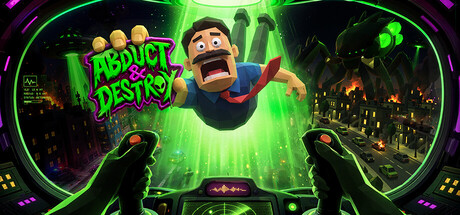
Character voices, and some of the sound effects and music, were pre-generated with AI voice and audio tools and then edited and mixed by the developer. The dialogue, store text and Korean/English translations were written with the help of an AI assistant and reviewed by the developer. All ships, cockpit and environments are in-engine 3D models, and the store images and trailer are in-game captures. No AI content is generated while you play.
Generative AI was used during development to help create some in-game visual assets, store and promotional artwork, and store description text and translations. These materials were generated in advance.
Generative AI tools were used throughout this game's production pipeline, alongside traditional development tools and techniques, to speed up iteration and expand what our team can make. AI-assisted content that ships in the game includes 2D artwork, voice narration, sound effects, music and in-game text. Every asset in the final product was selected, reviewed, modified where appropriate, and integrated by the development team. No generative AI content is created during gameplay.
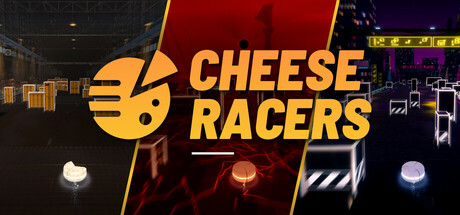
Cheese Racers is designed, directed and reviewed by a solo developer and built with an AI assistant, which wrote the code and drafted much of the text. The visuals (maps, cheese skins, crates) are drawn by that code as the game runs, not by AI image generators. No AI-generated music or voices, and nothing is generated by AI while you play.
Generative AI assisted with some story illustrations and narrative text, as well as store artwork and icons. These materials were reviewed, edited and arranged during development. All content is pre-generated; the game does not connect to AI services or generate content during gameplay.
Generative AI was used to help write the text in the game and on the store page, including their translations. The game does not generate any AI content during play.
Generative AI was used only as a supporting tool, for language translation and for UI support. Only one in-game object was created with AI: the statue in the middle of the shop. Everything else was produced by our team.
Generative AI tools were used during development to create some 3D models and textures, including buildings, vegetation, rocks and animals, as well as some menu backgrounds, interface artwork and store artwork. These assets were selected, edited, optimized and integrated during development. The game does not generate AI content during play or connect to an external AI service.
Generative AI tools were used during development to create selected visual and audio assets. All AI-generated content was reviewed, edited, and integrated by the development team.
AI tools were used to help translate the game's text into other languages and to draft the store page copy. All of it was reviewed by the developer. The game does not generate any content with AI while you play.
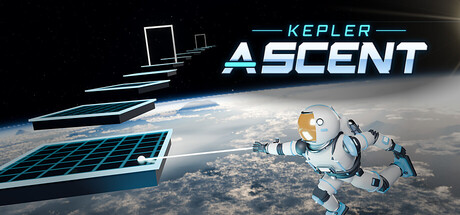
Kepler Ascent was made by an independent developer with the help of generative AI tools. AI was used to write part of the game's text (story and AURA's lines), to compose the music and create AURA's synthesized voice, to build some 3D models and cinematic sets (generated through scripts), and to produce the logo and artwork of this store page (rendered from the game's own models). All of this content was created ahead of time and reviewed by the developer. Nothing is generated by AI while you play.
A few in-game images were generated with an AI image tool and edited by the developer. The game's translations were drafted with AI tools and reviewed by the developer. All other art, sound and design were made by the developer.
Generative AI was used to create some of the game's content. The illustrations and the characters (character designs and artwork and models) were created with the help of generative AI tools, then selected, edited and integrated by the developer. Some English localization text (UI and character descriptions) and the store page description were also drafted with an AI assistant and reviewed and edited by the developer. The game does not generate any content with AI while it is running.
Generative AI tools were used during development to assist with certain pre-generated content, including localization and selected visual assets. All AI-assisted content was reviewed and edited by the developer before being included in the game. The game does not use generative AI during gameplay and does not connect to external AI services.
Generative AI tools were used during development to help create portions of the game's audio, visual assets, and written content, including background music and sound effects. AI assistance was also used for promotional artwork. These materials were selected, edited, and reviewed by the developer before inclusion. The core gameplay rules, design decisions, and final implementation were directed by the developer. The game uses pre-generated content and does not generate new content with AI during gameplay.
Made with AI tools and reviewed and edited by the developer: the character portraits of pilots and controllers, the app icon and the medal artwork (image generation); some 3D props (image-to-3D, then edited); the radio voices, which are original designed voices (not imitating real people) synthesised with text-to-speech. The voices speak only the game's own radio phrases; players cannot make them say other text.
The Steam store page artwork (capsule, header, hero, logo and icon images) was created with the help of a generative AI image tool, using our own prompts and art direction. This artwork is used on the store page only and is not part of the game itself. Screenshots and trailer footage are real in-engine captures. The game itself contains no AI-generated art, audio, voice or text, and it does not use generative AI while you play.
AI tools were used to translate the store page text and some localizations. All in-game art, 3D models, animations, music and sound effects are not AI-generated.
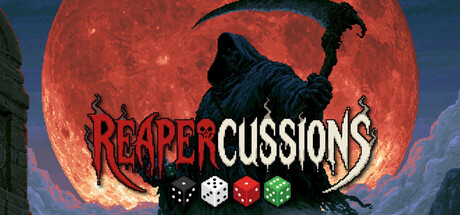
AI tools were used to help create some of the content, which was then selected and edited by the developer: the store page capsule and library images, the achievement icons, some item art, the Reaper cutscene videos, and some voice lines. Most in-game art, sound effects and fonts come from licensed asset packs, and the game's design, writing and rules are hand-crafted by a game designer.
The host's voice lines were generated with an AI text-to-speech service from a script we wrote. Parts of the store page text were drafted with AI assistance and edited by us. All game art, minigames and code are made by the developer; nothing is generated while you play.
Dealer's Choice was made by a solo developer working with AI assistance. AI tools helped write the game's code and in-game text, and the store artwork and achievement icons were rendered from 3D models built with AI assistance. All of this content was created during development and reviewed by the developer. Nothing in the game is generated by AI while you play.
Generative AI assisted some game text and store descriptions. Promotional images and gameplay screenshots use actual game visuals. No live AI or external AI services. Offline.
Pre-generated: the music and SFX was created with generative AI tools and then edited and mixed by the developer. No generative AI is used while the game is running.
Generative AI was used to assist with some pre-generated 2D artwork. All AI-assisted assets were selected, edited and integrated by the developer. No generative AI is used during gameplay.
The character portraits, ingredient and trick illustrations, bar background and UI artwork in this game were created using generative AI image tools, then selected, cleaned up and integrated by the developer. All gameplay, design, music and sound effects were made without generative AI. The game does not generate any AI content during play and does not connect to any AI services.
Generative AI tools were used to create promotional artwork for the Steam store and to assist with in-game localization. The game does not generate AI content during gameplay. Gameplay screenshots and gameplay footage were captured in the game.
We use generative AI for some of the following elements.
・Some of the in-game art
・Some of the code
・Some of the banners and trailers on the store page
Generative AI was used during development to create some vegetation textures and to assist with in-game text, quest descriptions, and store copy. This content is prepared in advance and included with the game. The game does not generate AI content during gameplay or connect to third-party AI services.
Generative AI tools were used in a limited capacity during development to assist with some audio and visual elements. The vast majority of the game's content was created by our team.
Some of the artwork in Wonder Glider (scenery, characters, icons and the title lettering) and some of its text and translations were created with the help of generative AI tools, then edited by us. The game does not generate any AI content while you play.
Some pre-generated assets were created with generative AI tools and then reviewed and edited by the developer: chapter illustrations and mission background images shown in the menus, some badge (achievement) artwork, four mission-category icons, and six short cockpit voice alerts (text-to-speech). Gameplay, terrain, aircraft models, flight physics, mission design, and all in-game text were authored by the developer. The game does not generate any content at runtime.
The booth announcer's voice (Chuck Baseball) is generated with ElevenLabs from a script written by the developers. AI tools also assisted with translating the game's text into Simplified Chinese, Japanese, Korean, Spanish, Brazilian Portuguese, Italian and French.
Fliprium contains visual artwork, music, and sound effects created with the assistance of generative AI tools. OpenAI image-generation tools were used for some visual assets, Suno for some music, and ElevenLabs for some sound effects. These assets were selected, edited, and integrated into the game by the developer during production
Generative AI was used to assist in the creation of promotional images and some graphical assets, as well as to assist with the localization of in-game text and the Steam store page. The game does not use generative AI during gameplay.
Generative AI was used during development to create some environment artwork and branding, and to assist with localization and store text. The game does not generate AI content during play or connect to external AI services.
This game was developed with extensive use of generative AI (Anthropic's Claude and OpenAI's GPT). The game code, the 3D models (generated by AI-written scripts), procedurally generated visuals, synthesized sound effects and music (produced by AI-written synthesis code), in-game text and translations, and the store page text and trailer were all created with AI assistance. No AI content is generated while the game is running, and the game does not connect to any external AI service.
Generative AI tools assisted with creating content for FluxFall and its promotional materials. The developer revied and refined the results, guiding the creative direction, gameplay design, and final presentation.
The player portraits, mascots, team emblems, box paintings and a few event images were generated with image models from the developer's prompts, then hand-keyed and placed. All other art is drawn in the game's own code. No live generation: the game contacts no service.
The music is synthesized from hand-written scores and is not AI audio.
Generative AI tools were used during development to create selected visual assets and music. All generated content was reviewed, selected, edited where necessary, and integrated by the developer.
Character voices, and some of the sound effects and music, were pre-generated with AI voice and audio tools and then edited and mixed by the developer. The dialogue, store text and Korean/English translations were written with the help of an AI assistant and reviewed by the developer. All ships, cockpit and environments are in-engine 3D models, and the store images and trailer are in-game captures. No AI content is generated while you play.
Generative AI was used during development to help create some in-game visual assets, store and promotional artwork, and store description text and translations. These materials were generated in advance.
Generative AI tools were used throughout this game's production pipeline, alongside traditional development tools and techniques, to speed up iteration and expand what our team can make. AI-assisted content that ships in the game includes 2D artwork, voice narration, sound effects, music and in-game text. Every asset in the final product was selected, reviewed, modified where appropriate, and integrated by the development team. No generative AI content is created during gameplay.
Cheese Racers is designed, directed and reviewed by a solo developer and built with an AI assistant, which wrote the code and drafted much of the text. The visuals (maps, cheese skins, crates) are drawn by that code as the game runs, not by AI image generators. No AI-generated music or voices, and nothing is generated by AI while you play.
Generative AI assisted with some story illustrations and narrative text, as well as store artwork and icons. These materials were reviewed, edited and arranged during development. All content is pre-generated; the game does not connect to AI services or generate content during gameplay.
Generative AI was used to help write the text in the game and on the store page, including their translations. The game does not generate any AI content during play.
Generative AI was used only as a supporting tool, for language translation and for UI support. Only one in-game object was created with AI: the statue in the middle of the shop. Everything else was produced by our team.
Generative AI tools were used during development to create some 3D models and textures, including buildings, vegetation, rocks and animals, as well as some menu backgrounds, interface artwork and store artwork. These assets were selected, edited, optimized and integrated during development. The game does not generate AI content during play or connect to an external AI service.
Generative AI tools were used during development to create selected visual and audio assets. All AI-generated content was reviewed, edited, and integrated by the development team.
AI tools were used to help translate the game's text into other languages and to draft the store page copy. All of it was reviewed by the developer. The game does not generate any content with AI while you play.
Kepler Ascent was made by an independent developer with the help of generative AI tools. AI was used to write part of the game's text (story and AURA's lines), to compose the music and create AURA's synthesized voice, to build some 3D models and cinematic sets (generated through scripts), and to produce the logo and artwork of this store page (rendered from the game's own models). All of this content was created ahead of time and reviewed by the developer. Nothing is generated by AI while you play.
A few in-game images were generated with an AI image tool and edited by the developer. The game's translations were drafted with AI tools and reviewed by the developer. All other art, sound and design were made by the developer.
Generative AI was used to create some of the game's content. The illustrations and the characters (character designs and artwork and models) were created with the help of generative AI tools, then selected, edited and integrated by the developer. Some English localization text (UI and character descriptions) and the store page description were also drafted with an AI assistant and reviewed and edited by the developer. The game does not generate any content with AI while it is running.
Generative AI tools were used during development to assist with certain pre-generated content, including localization and selected visual assets. All AI-assisted content was reviewed and edited by the developer before being included in the game. The game does not use generative AI during gameplay and does not connect to external AI services.
Generative AI tools were used during development to help create portions of the game's audio, visual assets, and written content, including background music and sound effects. AI assistance was also used for promotional artwork. These materials were selected, edited, and reviewed by the developer before inclusion. The core gameplay rules, design decisions, and final implementation were directed by the developer. The game uses pre-generated content and does not generate new content with AI during gameplay.
Made with AI tools and reviewed and edited by the developer: the character portraits of pilots and controllers, the app icon and the medal artwork (image generation); some 3D props (image-to-3D, then edited); the radio voices, which are original designed voices (not imitating real people) synthesised with text-to-speech. The voices speak only the game's own radio phrases; players cannot make them say other text.
The Steam store page artwork (capsule, header, hero, logo and icon images) was created with the help of a generative AI image tool, using our own prompts and art direction. This artwork is used on the store page only and is not part of the game itself. Screenshots and trailer footage are real in-engine captures. The game itself contains no AI-generated art, audio, voice or text, and it does not use generative AI while you play.
AI tools were used to translate the store page text and some localizations. All in-game art, 3D models, animations, music and sound effects are not AI-generated.
AI tools were used to help create some of the content, which was then selected and edited by the developer: the store page capsule and library images, the achievement icons, some item art, the Reaper cutscene videos, and some voice lines. Most in-game art, sound effects and fonts come from licensed asset packs, and the game's design, writing and rules are hand-crafted by a game designer.
The host's voice lines were generated with an AI text-to-speech service from a script we wrote. Parts of the store page text were drafted with AI assistance and edited by us. All game art, minigames and code are made by the developer; nothing is generated while you play.
Dealer's Choice was made by a solo developer working with AI assistance. AI tools helped write the game's code and in-game text, and the store artwork and achievement icons were rendered from 3D models built with AI assistance. All of this content was created during development and reviewed by the developer. Nothing in the game is generated by AI while you play.
Generative AI assisted some game text and store descriptions. Promotional images and gameplay screenshots use actual game visuals. No live AI or external AI services. Offline.
Pre-generated: the music and SFX was created with generative AI tools and then edited and mixed by the developer. No generative AI is used while the game is running.
Generative AI was used to assist with some pre-generated 2D artwork. All AI-assisted assets were selected, edited and integrated by the developer. No generative AI is used during gameplay.
The character portraits, ingredient and trick illustrations, bar background and UI artwork in this game were created using generative AI image tools, then selected, cleaned up and integrated by the developer. All gameplay, design, music and sound effects were made without generative AI. The game does not generate any AI content during play and does not connect to any AI services.
Generative AI tools were used to create promotional artwork for the Steam store and to assist with in-game localization. The game does not generate AI content during gameplay. Gameplay screenshots and gameplay footage were captured in the game.
We use generative AI for some of the following elements.
・Some of the in-game art
・Some of the code
・Some of the banners and trailers on the store page
Generative AI was used during development to create some vegetation textures and to assist with in-game text, quest descriptions, and store copy. This content is prepared in advance and included with the game. The game does not generate AI content during gameplay or connect to third-party AI services.
Generative AI tools were used in a limited capacity during development to assist with some audio and visual elements. The vast majority of the game's content was created by our team.
Some of the artwork in Wonder Glider (scenery, characters, icons and the title lettering) and some of its text and translations were created with the help of generative AI tools, then edited by us. The game does not generate any AI content while you play.
Some pre-generated assets were created with generative AI tools and then reviewed and edited by the developer: chapter illustrations and mission background images shown in the menus, some badge (achievement) artwork, four mission-category icons, and six short cockpit voice alerts (text-to-speech). Gameplay, terrain, aircraft models, flight physics, mission design, and all in-game text were authored by the developer. The game does not generate any content at runtime.
The booth announcer's voice (Chuck Baseball) is generated with ElevenLabs from a script written by the developers. AI tools also assisted with translating the game's text into Simplified Chinese, Japanese, Korean, Spanish, Brazilian Portuguese, Italian and French.
Fliprium contains visual artwork, music, and sound effects created with the assistance of generative AI tools. OpenAI image-generation tools were used for some visual assets, Suno for some music, and ElevenLabs for some sound effects. These assets were selected, edited, and integrated into the game by the developer during production
Generative AI was used to assist in the creation of promotional images and some graphical assets, as well as to assist with the localization of in-game text and the Steam store page. The game does not use generative AI during gameplay.
Generative AI was used during development to create some environment artwork and branding, and to assist with localization and store text. The game does not generate AI content during play or connect to external AI services.
This game was developed with extensive use of generative AI (Anthropic's Claude and OpenAI's GPT). The game code, the 3D models (generated by AI-written scripts), procedurally generated visuals, synthesized sound effects and music (produced by AI-written synthesis code), in-game text and translations, and the store page text and trailer were all created with AI assistance. No AI content is generated while the game is running, and the game does not connect to any external AI service.
Generative AI tools assisted with creating content for FluxFall and its promotional materials. The developer revied and refined the results, guiding the creative direction, gameplay design, and final presentation.
The player portraits, mascots, team emblems, box paintings and a few event images were generated with image models from the developer's prompts, then hand-keyed and placed. All other art is drawn in the game's own code. No live generation: the game contacts no service.
The music is synthesized from hand-written scores and is not AI audio.
Generative AI tools were used during development to create selected visual assets and music. All generated content was reviewed, selected, edited where necessary, and integrated by the developer.