








Disclosure
Generative AI was used to create some pre-generated artwork, audio, and text included in the game and its promotional materials. The game does not generate AI content during gameplay.
- Creator
- 시월스튜디오
- Reviews
- -
- Added
- Sep 30, 2026
Public Steam disclosure research 25,380 disclosures tracked
Search developers’ Steam disclosures, compare classified AI use across games, and follow recorded changes. This index adds cross-game classifications and statistics to statements published on individual store pages.
Code help, debugging and other development work.
Capsule art, trailers and promotional material.
Pre-made art, audio, writing and other game assets.
Interactive or runtime AI features disclosed by the developer.
Groups reflect automatic analysis of public disclosures; mature records are excluded. These counts do not measure AI use across all of Steam. Missing or unclear statements cannot establish whether a game uses AI.
Generative AI was used to create some pre-generated artwork, audio, and text included in the game and its promotional materials. The game does not generate AI content during gameplay.
AI-generated content is used on the store page.
Some of PAIMT ARENA's 3D weapon models started as AI-generated meshes (Tripo) that were then hand-edited, retopologized, textured and rigged by the team. Some store and library artwork was produced with AI image tools and then edited by hand. No content is generated during play; gameplay, code, level design and UI are human-authored.
Some pre-generated artwork used in the game and on its Steam store page, including title, introduction, event illustration, and capsule artwork, was created using OpenAI image generation tools. One music track was generated using Google Gemini from a developer-written prompt. All generated assets were reviewed and selected by the developer before release. The game does not generate AI content during gameplay or connect to external AI services.
I only use AI to aid in coding. I am a solo dev and i built all music and all artwork.
本游戏包含在开发过程中借助生成式 AI 制作的预生成视觉资源,包括[角色立绘/插画/背景/其他视觉资源]。游戏运行过程中不会生成 AI 内容,也不会连接外部 AI 服务。
Generative AI tools were used during development to assist with the creation of certain art assets.
AI was used during development for certain 2D art assets, translation scaffolding, and development assistance.
Trapoint is made by a single developer. 3D models, 2D art, sound, music, UI text, and the English localization were generated with AI tools from the developer's own prompts and then edited and integrated by hand; game design, systems, and level data are the developer's own work.
Generative Fill and some generative AI editing tools were used while creating the visuals.
All of the game's art, music and sound effects were made by human artists (commercially licensed packs, credited in the game). AI tools were used to assist with programming and with writing and translating the game's text; all content was reviewed and edited by the developer. The game does not generate any AI content while you play.
AI tools assisted portions of the pre-produced artwork, text, development code, and audio-production scripts. Music and sound effects use procedural synthesis. No AI content is generated during gameplay, and the Windows game does not connect to an external AI service.
Pre-generated content only. No AI generated content is produced at runtime during gameplay. Some in-game text and its English localization were drafted with AI assistance and edited by the team. All art, including card art, backgrounds, icons and UI, is created by our artist. AI image tools were used as visual reference during concept work only; no AI generated image ships in the game. No AI models are used for music or sound effects.
Time Traveler: Divergence uses locally running generative AI to enable dynamic NPC conversations. AI-generated dialogue is constrained by the game's predefined rules, characters, world knowledge, and simulation state. AI is also used locally to generate voice-over for these dynamic conversations. No external AI service is required during gameplay.
This game is a solo-developed hobby project. Generative AI tools were used as part of the production workflow, including assistance with code, audio, and base visual assets. No generative AI output is used as a final in-game asset; all assets were manually edited, and integrated by the developer. The story, dialogue, and all other written in-game content were written by the developer. All gameplay design, creative direction, balancing, and final content decisions were made by the developer.
The illustrated character portraits used as player avatars (also shown in our store and library artwork) were created with AI image generation (Google Gemini) and then cropped and adjusted by the developer. Some store text and interface translations were drafted with AI assistance. The game does not generate any AI content while you play.
Some UI icons were generated using AI, then refined by our artists to suit the UI. All other artwork was created by hand. No AI content is generated during gameplay.
I use AI to assist in coding, and some skill icons for combat/talent trees; however all character sprites/animations are hand animated. Using AI allows me to make a game with all of the ideas I have and transform them into something tangible, and viewable. The goal is simple, create a fun game that people enjoy playing.
During development, generative AI tools were used to assist with portions of the game’s artwork and music. All such content was selected, edited, refined, and integrated by the developer, with final creative direction and implementation handled manually.
AI tools were used during development to create pre-generated character art and animations, backgrounds, interface artwork, and sound effects, as well as Steam store descriptions and promotional artwork, including the animated store banner. Assets were selected, reviewed, processed or edited as needed, and integrated into the game or its Steam presentation. Music was composed and synthesized with AI-assisted development tools. The shipped game uses these prepared assets; it does not generate AI content or connect to AI services during gameplay.
Selected visual and audio assets were created with generative AI tools. AI was also used to assist with English and Italian localization, with all localized text reviewed and edited by the developer. No generative AI is used during gameplay.
Generative AI was used to assist in creating textures, sound effects, concept art, music, translation and code during development.
During the development of this game, we utilized AI technologies to assist with certain visual and video production processes. Specifically: Visuals & Artwork: Some game assets and promotional images were initially generated using AI tools and have been extensively edited, refined, and integrated by our human development team. Promotional Videos: Certain camera movements and dynamic visual effects in our trailers were created by applying AI animation tools to static artwork prepared by our artists. We maintain rigorous quality control over all final assets to ensure the best possible experience for our players.
AI assisted in the design of some game artwork
The game contains pre-generated artwork and AI-assisted narrative/localization created during development under human direction. The assets were iteratively selected, composed, edited and reviewed for this project. Prompts requested generic original fantasy subjects and did not request existing characters, logos, or the imitation of a named living artist. No generative AI service runs during gameplay and players cannot submit prompts.
Most of the game's visual art and sound was pre-generated with AI tools and then selected, edited and placed by the developer: the dungeon panoramas, room props, floors, town and building plates, character portraits, walk and combat sprite sheets, monster, boss and villager sprites, item, skill and stack icons, combat and reward effects, and the store page art were generated with the FLUX.1 image model through fal.ai and animated with AutoSprite; the sound effects, ambience beds, voice barks and music were generated with ElevenLabs. Every generated file, the tool that made it and the prompt that asked for it are recorded in the game's files (assets/README.md and assets/PROMPTS.md). All game text, design, rules and code are written by people. Nothing is generated while you play: the game contains no live AI generation and calls no AI service at runtime.
We used AI to generate artworks only. entire game mechanics, assets and other things are human made
Generative AI was used during development to assist with the creation and refinement of some visual assets, including character artwork, environmental artwork, icons, and promotional imagery. AI-assisted assets were reviewed, edited, and integrated by the developer to maintain a consistent visual style. Generative AI is not used during gameplay and does not generate content in real time.
DEADLUCK V was created using generative AI, including its artwork, music, sound effects and written content. This content was generated during development. The game does not generate AI content or connect to AI services during gameplay.
Some code and textures were initially generated by AI and then manually revised and polished.
Generative AI tools were used during development to assist with the creation of some 2D visual assets and development-related content. All AI-assisted content is reviewed and integrated by the development team.
Generative AI was used during development to help create some of the game's artwork, written content, and translations, as well as some store-page images and text. This content was prepared before release. The game does not generate AI content during gameplay.
Generative AI tools were used during development to help create content in this game. This includes artwork (such as player portraits and promotional art) and the game's music soundtrack, which was generated with AI music tools under a commercial licence. The store page trailer includes gameplay stills that were animated using an AI video tool. All AI-assisted content was selected, reviewed and edited by the developer. The game does not generate any AI content while you play.
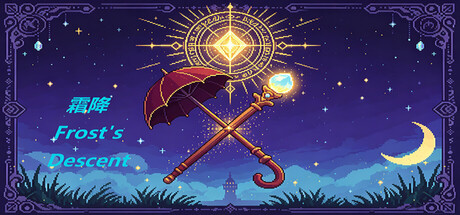
This game contains AI-generated character sprites and store page images.
Some store and library capsule art was produced with image-generation tools (SDXL and a chat assistant) using our own in-game screenshots as the input image. The underlying game content -- models, textures, code, text -- is authored by us without generative AI. All generated art was reviewed by us before publication.
CHESS: ARCADE uses generative AI for its 2D artwork and for its music. The illustrated assets — move callouts, effect overlays, chess piece sets, UI plates, the title graphic and the game icon — were generated with GPT Image 2 from prompts we wrote and iterated on ourselves. Every generated image then goes through our own import pipeline (trim, alpha normalisation, correction onto the game's fixed palette, downscale), is reviewed in the running game by hand, and is reworked or discarded when it misses. All of it ships as fixed image files inside the build. The soundtrack was composed with generative AI: the melodies, harmony and arrangements were written with AI assistance, then reviewed, edited and mixed by hand. The game ships no audio files and uses no AI audio model — the score exists as note data that the game's own synthesiser renders procedurally at first launch. Twelve of the tracks are arrangements of public-domain classical themes; the rest are original. Nothing is generated while you play, and the game never connects to an AI service. The opponent is a classical alpha-beta chess engine with a hand-written evaluation and opening book, and the puzzles come from the public Lichess puzzle database, verified against that engine. No player input, game data or personal data is ever sent to an AI model.
Generative AI was used during development to create pre-generated visual assets for the game, including character artwork, card artwork, backgrounds, visual effects, textures, UI artwork, and promotional materials. All AI-generated content is reviewed and curated by the developer before being included in the game. The game does not use live generative AI during gameplay.
No art or audio in DEAD TIME is AI-generated: the music and sound effects are CC0 files from Freesound and Kenney, the characters and animations come from Adobe Mixamo, and every set, prop and the logo itself are drawn procedurally by the game's own code. Generative AI was used as a writing assistant for text: the host's lines, the rules manual, the interface strings, their translation into the game's 12 languages, and this store description. Nothing is generated while you play, and the game never connects to an AI service.
Generative AI helped create/edit art assets and assisted with writing code. All game development and art direction choices were made by a human.
Coding was done with help of generative artificial intelligence. Music was downloaded online from copyright free assets. Art was done by myself with some vfx done with help of generative artificial intelligence. All translations were done by AI, because I don't speak that many languages... I hope in future people can help me translate all these
Generative AI was used to create sounds and materials in this game.
All art, audio, and writing are human-made. AI-assisted tools were used during programming (I've been programming since 2008, I know what I'm doing).
- AI is used to help write scripts that create or modify some 3D models. In addition to creating many, I also personally refine and finish all models in Blender. All additional art is human-made: - Artwork: Created by me and my niece, with some icons licensed from the Unity Asset Store. - Steam capsule artwork is by @Camilieroart - Sound effects were created by myself and Kris McNaney, with additional sounds licensed from Uppbeat’s human-made library. - Original music by Kris McNaney, with additional tracks licensed from Uppbeat’s human-made library.
Generative AI tools were used during development to create or assist with pre-made visual artwork, interface artwork and icons, procedural 3D modeling scripts, prerecorded faction voice lines, sound effects, and music. This includes voice lines and sound effects generated with ElevenLabs. These assets are prepared and integrated into the game before release. The game does not generate AI content during play or connect to an AI generation service. Computer-controlled opponents use scripted game logic.
Generative AI was used to create art assets and assist with localization text. These assets and translations are prepared during development.
Some content in Camping Resort Simulator was made with the help of generative AI tools and then reviewed and reworked by the developer: - base 3D models for some buildings, props and characters, retouched by hand; - the music of the in-game radio; - the first draft of the translations; - some promotional artwork. Nothing is generated by AI while you play.
This game used generative AI for the game logo
Some promotional artwork and visual assets were created with the assistance of generative AI and have been reviewed, refined, and integrated by the developer. No generative AI is used during gameplay.
Generative AI was used by an artist to support visual aspects. The creative process was entirely human-led.
Some art assets in this game are AI-generated and have been truthfully disclosed in the Content Survey.
| Title⇅ | Disclosure | Creator⇅ | Src | Reviews⇅ | Added↓ |
|---|---|---|---|---|---|
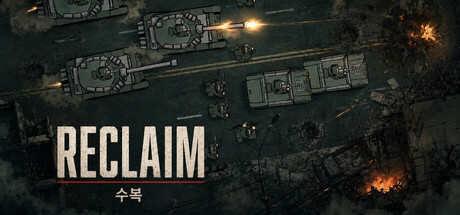 수복 In-game content artaudiotext | Generative AI was used to create some pre-generated artwork, audio, and text included in the game and its promotional materials. The game does not generate AI content during gameplay. | 시월스튜디오 | - | Sep 30, 2026 | |
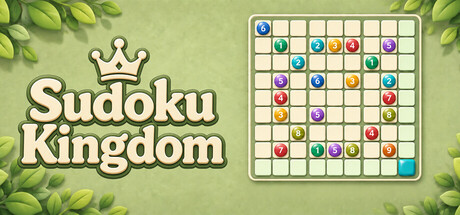 Sudoku Kingdom Store/marketing | AI-generated content is used on the store page. | FWGames | - | Sep 30, 2026 | |
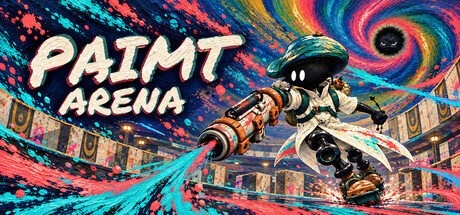 PAIMT ARENA In-game content art | Some of PAIMT ARENA's 3D weapon models started as AI-generated meshes (Tripo) that were then hand-edited, retopologized, textured and rigged by the team. Some store and library artwork was produced with AI image tools and then edited by hand. No content is generated during play; gameplay, code, level design and UI are human-authored. | noclue | - | Sep 30, 2026 | |
 The Airline Century In-game content artaudio | Some pre-generated artwork used in the game and on its Steam store page, including title, introduction, event illustration, and capsule artwork, was created using OpenAI image generation tools. One music track was generated using Google Gemini from a developer-written prompt. All generated assets were reviewed and selected by the developer before release. The game does not generate AI content during gameplay or connect to external AI services. | Navline Works | - | Sep 30, 2026 | |
 Creators of War Dev only code | I only use AI to aid in coding. I am a solo dev and i built all music and all artwork. | Journeyman Games | - | Sep 30, 2026 | |
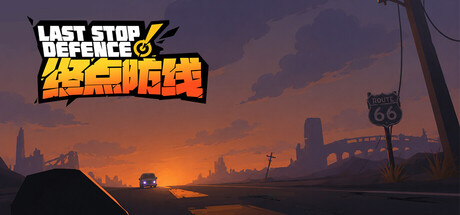 终点防线 In-game content art | 本游戏包含在开发过程中借助生成式 AI 制作的预生成视觉资源,包括[角色立绘/插画/背景/其他视觉资源]。游戏运行过程中不会生成 AI 内容,也不会连接外部 AI 服务。 | Folia Studio | - | Sep 30, 2026 | |
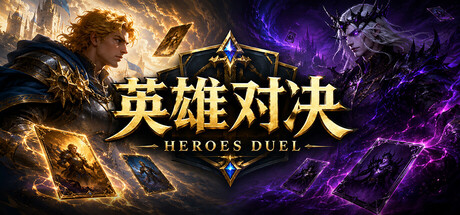 英雄对决 In-game content art | Generative AI tools were used during development to assist with the creation of certain art assets. | Marty | - | Sep 30, 2026 | |
 Deep Ocean 4X - Conquest of the Abyss In-game content arttext | AI was used during development for certain 2D art assets, translation scaffolding, and development assistance. | Forever Years | - | Sep 30, 2026 | |
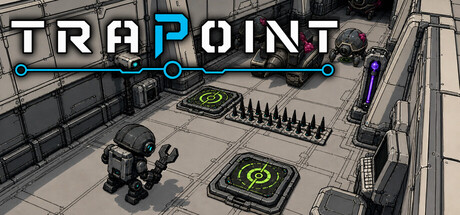 Trapoint In-game content artaudiotext | Trapoint is made by a single developer. 3D models, 2D art, sound, music, UI text, and the English localization were generated with AI tools from the developer's own prompts and then edited and integrated by hand; game design, systems, and level data are the developer's own work. | Taruby | - | Sep 30, 2026 | |
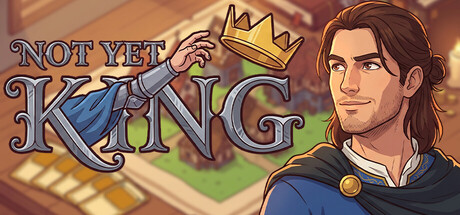 Not Yet King Dev only art | Generative Fill and some generative AI editing tools were used while creating the visuals. | Basman Games | - | Sep 30, 2026 | |
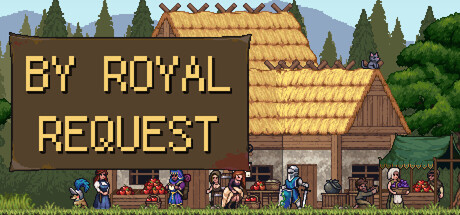 By Royal Request In-game content textcode | All of the game's art, music and sound effects were made by human artists (commercially licensed packs, credited in the game). AI tools were used to assist with programming and with writing and translating the game's text; all content was reviewed and edited by the developer. The game does not generate any AI content while you play. | Nacho Riquelme | - | Sep 30, 2026 | |
 Crypto Market Rivals In-game content arttextcodeaudio | AI tools assisted portions of the pre-produced artwork, text, development code, and audio-production scripts. Music and sound effects use procedural synthesis. No AI content is generated during gameplay, and the Windows game does not connect to an external AI service. | Gateway Information Group LLC | - | Sep 30, 2026 | |
 DiceZ Royale In-game content textart | Pre-generated content only. No AI generated content is produced at runtime during gameplay.
Some in-game text and its English localization were drafted with AI assistance and edited by the team.
All art, including card art, backgrounds, icons and UI, is created by our artist. AI image tools were used as visual reference during concept work only; no AI generated image ships in the game. No AI models are used for music or sound effects. | Zeroot Studios | - | Sep 30, 2026 | |
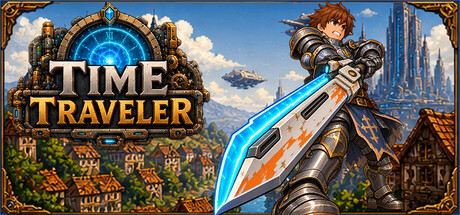 Time Traveler: Divergence Live AI textaudio | Time Traveler: Divergence uses locally running generative AI to enable dynamic NPC conversations. AI-generated dialogue is constrained by the game's predefined rules, characters, world knowledge, and simulation state. AI is also used locally to generate voice-over for these dynamic conversations. No external AI service is required during gameplay. | Fako's Studio | - | Sep 30, 2026 | |
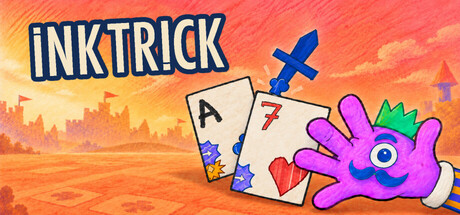 INKTRICK In-game content artaudiocode | This game is a solo-developed hobby project. Generative AI tools were used as part of the production workflow, including assistance with code, audio, and base visual assets. No generative AI output is used as a final in-game asset; all assets were manually edited, and integrated by the developer. The story, dialogue, and all other written in-game content were written by the developer. All gameplay design, creative direction, balancing, and final content decisions were made by the developer. | zweipilot | - | Sep 30, 2026 | |
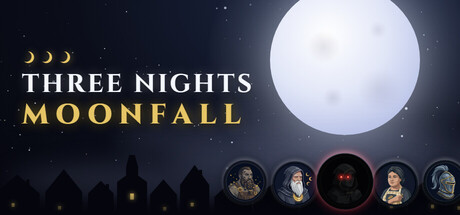 Three Nights: Moonfall In-game content arttext | The illustrated character portraits used as player avatars (also shown in our store and library artwork) were created with AI image generation (Google Gemini) and then cropped and adjusted by the developer. Some store text and interface translations were drafted with AI assistance. The game does not generate any AI content while you play. | Diay Games | - | Sep 30, 2026 | |
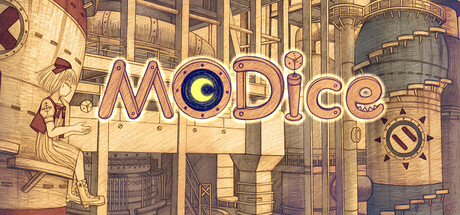 MODice In-game content art | Some UI icons were generated using AI, then refined by our artists to suit the UI. All other artwork was created by hand. No AI content is generated during gameplay. | moonburn | - | Sep 30, 2026 | |
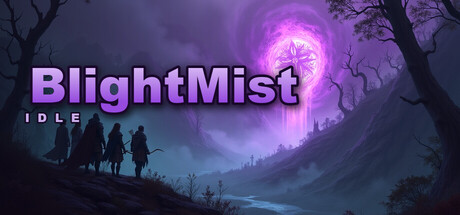 BlightMist Idle In-game content artcode | I use AI to assist in coding, and some skill icons for combat/talent trees; however all character sprites/animations are hand animated. Using AI allows me to make a game with all of the ideas I have and transform them into something tangible, and viewable. The goal is simple, create a fun game that people enjoy playing. | AzureMistKingdom | - | Sep 30, 2026 | |
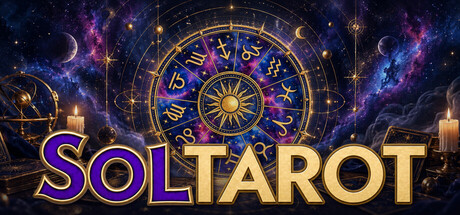 SolTarot In-game content artaudio | During development, generative AI tools were used to assist with portions of the game’s artwork and music. All such content was selected, edited, refined, and integrated by the developer, with final creative direction and implementation handled manually. | TheAgileSlug | - | Sep 29, 2026 | |
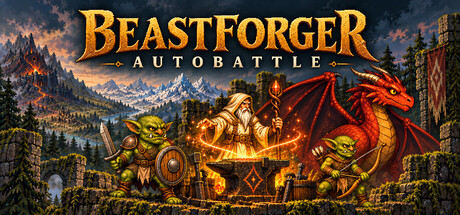 Beastforger Autobattle In-game content artaudiotext | AI tools were used during development to create pre-generated character art and animations, backgrounds, interface artwork, and sound effects, as well as Steam store descriptions and promotional artwork, including the animated store banner. Assets were selected, reviewed, processed or edited as needed, and integrated into the game or its Steam presentation. Music was composed and synthesized with AI-assisted development tools. The shipped game uses these prepared assets; it does not generate AI content or connect to AI services during gameplay. | Will ideas | - | Sep 28, 2026 | |
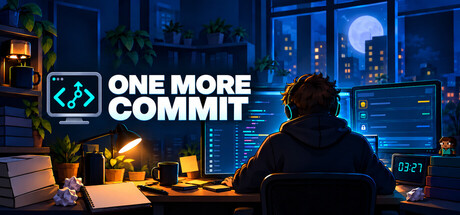 One More Commit In-game content artaudiotext | Selected visual and audio assets were created with generative AI tools. AI was also used to assist with English and Italian localization, with all localized text reviewed and edited by the developer. No generative AI is used during gameplay. | VD Interactive | - | Sep 28, 2026 | |
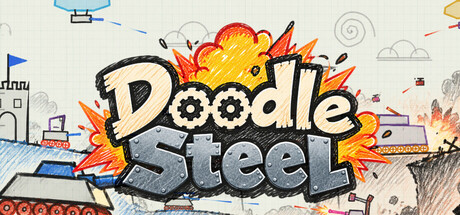 Doodle Steel In-game content artaudiocodetext | Generative AI was used to assist in creating textures, sound effects, concept art, music, translation and code during development. | BoolMoko | - | Sep 28, 2026 | |
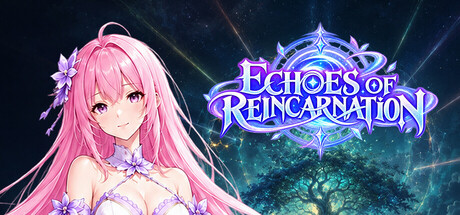 ECHOES OF REINCARNATION In-game content art | During the development of this game, we utilized AI technologies to assist with certain visual and video production processes. Specifically:
Visuals & Artwork: Some game assets and promotional images were initially generated using AI tools and have been extensively edited, refined, and integrated by our human development team.
Promotional Videos: Certain camera movements and dynamic visual effects in our trailers were created by applying AI animation tools to static artwork prepared by our artists.
We maintain rigorous quality control over all final assets to ensure the best possible experience for our players. | Nanjing Sigma Network Technology | - | Sep 28, 2026 | |
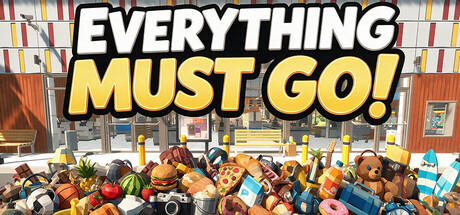 Everything Must Go! In-game content art | AI assisted in the design of some game artwork | WU QIUDONG | - | Sep 28, 2026 | |
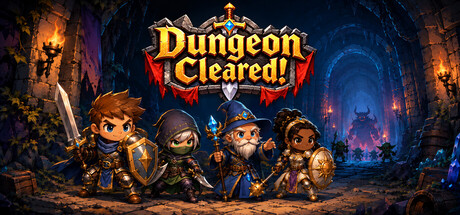 Dungeon Cleared! In-game content arttext | The game contains pre-generated artwork and AI-assisted narrative/localization created during development under human direction.
The assets were iteratively selected, composed, edited and reviewed for this project.
Prompts requested generic original fantasy subjects and did not request existing characters, logos, or the imitation of a named living artist.
No generative AI service runs during gameplay and players cannot submit prompts. | Macs | - | Sep 28, 2026 | |
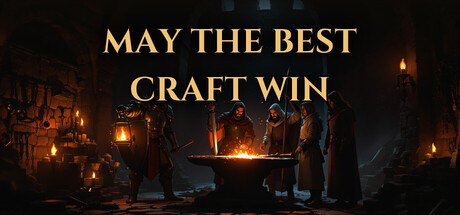 May the Best Craft Win In-game content artaudio | Most of the game's visual art and sound was pre-generated with AI tools and then selected, edited and placed by the developer: the dungeon panoramas, room props, floors, town and building plates, character portraits, walk and combat sprite sheets, monster, boss and villager sprites, item, skill and stack icons, combat and reward effects, and the store page art were generated with the FLUX.1 image model through fal.ai and animated with AutoSprite; the sound effects, ambience beds, voice barks and music were generated with ElevenLabs. Every generated file, the tool that made it and the prompt that asked for it are recorded in the game's files (assets/README.md and assets/PROMPTS.md). All game text, design, rules and code are written by people. Nothing is generated while you play: the game contains no live AI generation and calls no AI service at runtime. | SCVI Media | - | Sep 28, 2026 | |
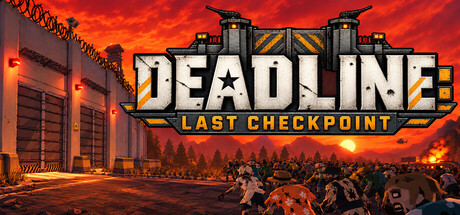 DEADLINE: LAST CHECKPOINT In-game content art | We used AI to generate artworks only. entire game mechanics, assets and other things are human made | Redcontroller Interactive | - | Sep 28, 2026 | |
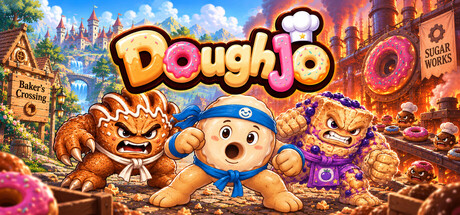 Doughjo In-game content art | Generative AI was used during development to assist with the creation and refinement of some visual assets, including character artwork, environmental artwork, icons, and promotional imagery. AI-assisted assets were reviewed, edited, and integrated by the developer to maintain a consistent visual style. Generative AI is not used during gameplay and does not generate content in real time. | Bill McFadden | - | Sep 28, 2026 | |
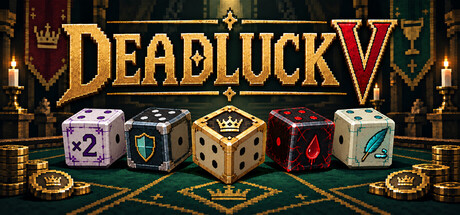 DEADLUCK V In-game content artaudiotext | DEADLUCK V was created using generative AI, including its artwork, music, sound effects and written content. This content was generated during development. The game does not generate AI content or connect to AI services during gameplay. | DEADLUCK publishing | - | Sep 28, 2026 | |
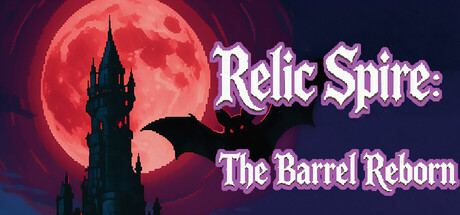 碎物魔塔:开局一只桶 In-game content artcode | Some code and textures were initially generated by AI and then manually revised and polished. | 散木 | - | Sep 28, 2026 | |
 City Contractor Dev only art | Generative AI tools were used during development to assist with the creation of some 2D visual assets and development-related content. All AI-assisted content is reviewed and integrated by the development team. | Desoline transportation and tourism ltd | - | Sep 28, 2026 | |
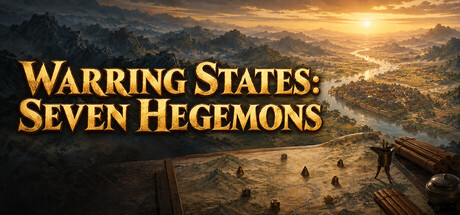 战国七雄 In-game content arttext | Generative AI was used during development to help create some of the game's artwork, written content, and translations, as well as some store-page images and text. This content was prepared before release. The game does not generate AI content during gameplay. | 纸上谈兵工作室 | - | Sep 28, 2026 | |
 Beach Volleyball Empire In-game content artaudio | Generative AI tools were used during development to help create content in this game. This includes artwork (such as player portraits and promotional art) and the game's music soundtrack, which was generated with AI music tools under a commercial licence. The store page trailer includes gameplay stills that were animated using an AI video tool. All AI-assisted content was selected, reviewed and edited by the developer. The game does not generate any AI content while you play. | Bean & Label | - | Sep 28, 2026 | |
 Frost’s Descent In-game content art | This game contains AI-generated character sprites and store page images. | ChamhengGame | - | Sep 28, 2026 | |
 Dealer's Tell: All Bets Are Final Store/marketing art | Some store and library capsule art was produced with image-generation tools
(SDXL and a chat assistant) using our own in-game screenshots as the input
image. The underlying game content -- models, textures, code, text -- is
authored by us without generative AI. All generated art was reviewed by us
before publication. | MistaNonik | - | Sep 28, 2026 | |
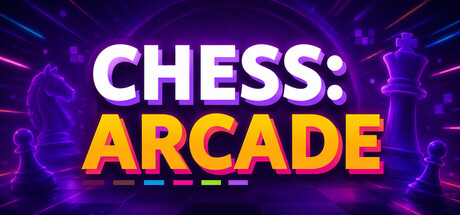 Chess:Arcade In-game content artaudio | CHESS: ARCADE uses generative AI for its 2D artwork and for its music.
The illustrated assets — move callouts, effect overlays, chess piece sets, UI plates, the title graphic and the game icon — were generated with GPT Image 2 from prompts we wrote and iterated on ourselves. Every generated image then goes through our own import pipeline (trim, alpha normalisation, correction onto the game's fixed palette, downscale), is reviewed in the running game by hand, and is reworked or discarded when it misses. All of it ships as fixed image files inside the build.
The soundtrack was composed with generative AI: the melodies, harmony and arrangements were written with AI assistance, then reviewed, edited and mixed by hand. The game ships no audio files and uses no AI audio model — the score exists as note data that the game's own synthesiser renders procedurally at first launch. Twelve of the tracks are arrangements of public-domain classical themes; the rest are original.
Nothing is generated while you play, and the game never connects to an AI service. The opponent is a classical alpha-beta chess engine with a hand-written evaluation and opening book, and the puzzles come from the public Lichess puzzle database, verified against that engine. No player input, game data or personal data is ever sent to an AI model. | Knurzel | - | Sep 28, 2026 | |
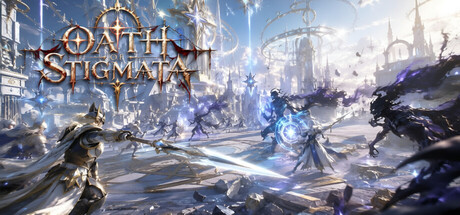 Oath of Stigmata In-game content art | Generative AI was used during development to create pre-generated visual assets for the game, including character artwork, card artwork, backgrounds, visual effects, textures, UI artwork, and promotional materials.
All AI-generated content is reviewed and curated by the developer before being included in the game.
The game does not use live generative AI during gameplay. | LI SHUANG | - | Sep 28, 2026 | |
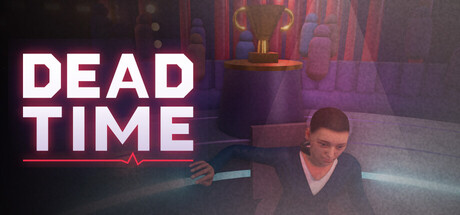 DEAD TIME In-game content text | No art or audio in DEAD TIME is AI-generated: the music and sound effects are CC0 files from Freesound and Kenney, the characters and animations come from Adobe Mixamo, and every set, prop and the logo itself are drawn procedurally by the game's own code.
Generative AI was used as a writing assistant for text: the host's lines, the rules manual, the interface strings, their translation into the game's 12 languages, and this store description. Nothing is generated while you play, and the game never connects to an AI service. | Sheep Arcade | - | Sep 28, 2026 | |
 STARZ.PEG In-game content artcode | Generative AI helped create/edit art assets and assisted with writing code. All game development and art direction choices were made by a human. | Loop Logic | - | Sep 28, 2026 | |
 Ruin Upon Ruin In-game content artaudiotext | Coding was done with help of generative artificial intelligence. Music was downloaded online from copyright free assets. Art was done by myself with some vfx done with help of generative artificial intelligence.
All translations were done by AI, because I don't speak that many languages... I hope in future people can help me translate all these | Hobbyist Moon | - | Sep 28, 2026 | |
 MECCHA LIAR In-game content audioart | Generative AI was used to create sounds and materials in this game. | HEXIT | - | Sep 28, 2026 | |
 Spaceport Architect Dev only code | All art, audio, and writing are human-made. AI-assisted tools were used during programming (I've been programming since 2008, I know what I'm doing). | Djentsoft | - | Sep 28, 2026 | |
 Post Apocalyptic Gas Station (PAGS) Dev only art | - AI is used to help write scripts that create or modify some 3D models. In addition to creating many, I also personally refine and finish all models in Blender.
All additional art is human-made:
- Artwork: Created by me and my niece, with some icons licensed from the Unity Asset Store.
- Steam capsule artwork is by @Camilieroart
- Sound effects were created by myself and Kris McNaney, with additional sounds licensed from Uppbeat’s human-made library.
- Original music by Kris McNaney, with additional tracks licensed from Uppbeat’s human-made library. | BearDog Games | - | Sep 28, 2026 | |
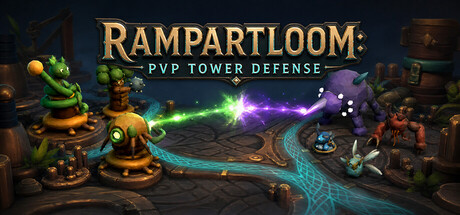 Rampartloom: PvP Tower Defense In-game content artaudio | Generative AI tools were used during development to create or assist with pre-made visual artwork, interface artwork and icons, procedural 3D modeling scripts, prerecorded faction voice lines, sound effects, and music. This includes voice lines and sound effects generated with ElevenLabs. These assets are prepared and integrated into the game before release. The game does not generate AI content during play or connect to an AI generation service. Computer-controlled opponents use scripted game logic. | Mumin Bayar | - | Sep 28, 2026 | |
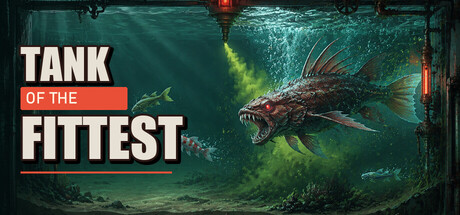 开缸大吉 In-game content arttext | Generative AI was used to create art assets and assist with localization text. These assets and translations are prepared during development. | Wuhan Wind Tunnel Network Technology Co., Ltd. | - | Sep 28, 2026 | |
 Camping Resort Simulator In-game content artaudiotext | Some content in Camping Resort Simulator was made with the help of generative AI tools and then reviewed and reworked by the developer:
- base 3D models for some buildings, props and characters, retouched by hand;
- the music of the in-game radio;
- the first draft of the translations;
- some promotional artwork.
Nothing is generated by AI while you play. | Cottondream Studios | - | Sep 28, 2026 | |
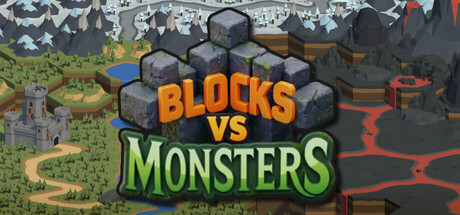 Blocks vs. Monsters Store/marketing art | This game used generative AI for the game logo | Overflow Interactive | - | Sep 28, 2026 | |
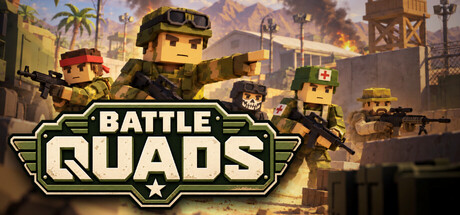 Battle Quads Store/marketing art | Some promotional artwork and visual assets were created with the assistance of generative AI and have been reviewed, refined, and integrated by the developer. No generative AI is used during gameplay. | Millenary Games | - | Sep 28, 2026 | |
 Soap Soup Tycoon Dev only art | Generative AI was used by an artist to support visual aspects. The creative process was entirely human-led. | Cosnyx Studios | - | Sep 28, 2026 | |
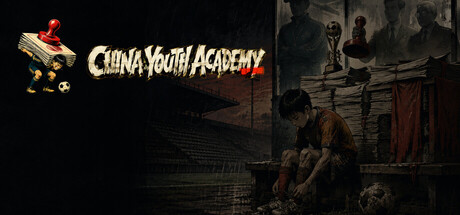 中国式青训 In-game content art | Some art assets in this game are AI-generated and have been truthfully disclosed in the Content Survey. | JZHL | - | Sep 28, 2026 |


