








Disclosure
Game contains images of units, buildings, characters, UI elements and backgrounds generated by AI.
- Creator
- Mehmet Sefa KARATAŞ
- Reviews
- -
- Added
- Jul 25, 2026
Public Steam disclosure research 25,380 disclosures tracked
Search developers’ Steam disclosures, compare classified AI use across games, and follow recorded changes. This index adds cross-game classifications and statistics to statements published on individual store pages.
Code help, debugging and other development work.
Capsule art, trailers and promotional material.
Pre-made art, audio, writing and other game assets.
Interactive or runtime AI features disclosed by the developer.
Groups reflect automatic analysis of public disclosures; mature records are excluded. These counts do not measure AI use across all of Steam. Missing or unclear statements cannot establish whether a game uses AI.
Game contains images of units, buildings, characters, UI elements and backgrounds generated by AI.
Some images are drawn after being referenced by AI-assisted generation
Generative AI Disclosure During the development of SandSea Ark, we utilized generative AI tools (such as Claude) to assist with: 1. Code writing and debugging: AI-assisted generation and optimization of GDScript code to improve development efficiency. 2. Data configuration: Assistance in maintaining game data tables and configuration files. 3. Documentation: Some technical documents and changelogs were generated with AI assistance. The following content was NOT generated using AI: - Game art assets, UI design, and scene layouts - Core game design, mechanics, and balance tuning This game does not contain live-generated AI content — all in-game content is pre-designed and hand-crafted. The game does not dynamically generate text, images, or audio during gameplay.
AI was used to assist with the creation of certain art assets, environment textures, audio assets, and resolution enhancement.
Some visual elements of the game have been created with the use of ai.
The background were generated using Midjourney, painted over and edited by the Lornn (https://lornn.itch.io/) Backgrounds will be replaced with original artwork.
No art or sound generation was used. Some help for coding the complex in-game enemy AI interactions were utilized from LLM models. Also the game analysis was made with coding help.
Some of this game's shipped assets were created with the assistance of generative AI tools, all reviewed and curated by our team: 3D models and their textures (generated from our team's original concept designs), 2D illustrations and UI artwork, music and sound effects, and AI-assisted translations of in-game text for some supported languages. All AI-generated assets are used under commercial licenses with full usage rights. No content is generated while the game is running, and the game does not connect to any external AI service.
This game uses generative AI in limited, non-gameplay-critical areas: - AI-assisted code refactoring and performance optimization during development - AI-assisted translation polishing for multi-language support - UI layout refinement suggested by AI tools during the design process All core gameplay logic, the unique drawing-and-deduction design, and all original game artwork were created, reviewed and refined by human developers.
Used for generating images such as character sprites, backgrounds, and logos. Also used for text translation (which might be terrible).
This game uses generative AI tools to create some of its artwork: promotional art such as the key visual and store capsule images, and some in-game image assets such as character portraits and map textures. All of it was reviewed, curated, and adjusted by the developer before use. Every screenshot shown on the store page is captured from actual gameplay and is not AI-generated. The shipped game does not use any AI to generate images, text, or audio at runtime.
AI was used strictly to block out a few initial base meshes, which I then manually reworked to fit the game's style & performance. No AI runs at runtime.
Visual assets in Blackbriar Crypt were created with generative AI tools (Stable Diffusion via ComfyUI), including in-game 2D art such as item icons, character portraits, enemy sprites, and UI backgrounds, as well as store and library marketing images. Each asset was selected, edited, and approved by the developer before release.
Crooked Derby includes some pre-generated visual assets created with generative AI. All AI-assisted content was iterated on, reviewed, and approved by the developer before being included in the game.
This game used generative AI as an assistive tool for translation and localization, and for producing some sound effects and music. All final text and audio were reviewed, edited, and approved by humans before inclusion.
Campfire Battles is our attempt to bring an idea to life as a two-person team. AI tools helped us work quickly, particularly on the coding side, but every piece was reviewed and refined by hand.
Generative AI was used to assist with grammar and spelling checks for some in-game text, translate store page content, and generate some sound assets. All content was reviewed and approved by the developer before inclusion. The game does not use live-generated AI.
The prototypes for a small number of icons and scene images in the game were generated by AI, followed by manual refinement.
localization, sounds
The core game mechanics, game design, and overall creative direction are 100% my original vision. No AI tools were used for conceptualizing ideas or narrative structure. The programming code was generated utilizing the Rosebud AI platform, and the 2D visual assets were initially created with generative art tools. Code, artwork, and music were reviewed, manually edited, and arranged by me to bring my specific creative vision to life.
AI generated art and other assets were referenced and partly used during development, but every effort is taken to make the game original. At UWS, we make every effort to support our art/design team and use AI very rarely to meet our production needs
The game's fighters are controlled by AI models (LLMs) chosen by the player and reached through their own OpenRouter API key. During a match the model decides the character's actions and writes the short taunts shown on screen (text only). The game does not generate images, audio, music or voices with AI: every character, arena, soundtrack and sound effect is authored in advance and ships with the game. Every AI-generated line goes through an illegal content filter before it is displayed, on the player's computer and again on the server that hosts online matches, and online matches have a report system reviewed by a human team.
Generative AI was used for some images and localization.
Some of the game's assets and marketing materials were created with the assistance of generative AI tools, then reviewed and edited by the developer. All content is pre-rendered; the game does not generate any content at runtime.
The achievement icons and some store page promotional images were created with the assistance of generative AI tools.
Some visual assets — character art/portraits, sprite artwork, and store/marketing capsule images — were created with the help of generative AI image tools, then edited, composited, and curated by the developer. All such assets are PRE-GENERATED during development; the shipped game performs NO live/runtime AI generation. No generative AI produces text, dialogue, or any player-facing content at runtime. All generated assets were reviewed by the developer to ensure they contain no infringing or inappropriate material.
AI was used to generate logos and default sprites for this program.
Some Music is generated. Thats it :)
For the few voiceline that we used AI
AI was used for the game's cover art.
Generative AI was used for creating Store page assets and in game items. Generated content was then manually edited to remove any anomalies and match look and feel of overall game's theme.
Some 2D art assets in this game were created with the assistance of generative AI tools. All assets were reviewed and edited by the developer before inclusion. Parts of the in-game text localization were produced with the assistance of AI translation tools, then reviewed by the developer.
Some character and environment artwork, and portions of marketing/store text, were created with the assistance of generative AI tools. All assets were selected, edited, and integrated by the developer, who has the rights to use them. No AI runs at runtime in the game.
The narrator's voiceovers are generated with the assistance of AI technology to enhance the storytelling atmosphere.
The game's design, game systems, balance, and English narrative are human-developed. AI tools were used during development as a coding assistant, with any recommended code changes specified, reviewed, and tested by the developer. The Japanese localization was produced with AI assistance and hand-edited for nuances, idioms, and accuracy. AI tools were also used for grammar and spell checking. No content is AI-generated at runtime.
The development of Mind Against Fate utilized Artificial Intelligence (AI) tools to assist in the creation of specific pre-generated assets and coding workflows: - Visual Assets: The portraits for heroes and in-game item icons were initially generated using Kling.AI and Google generative tools, and were subsequently refined, detailed, and polished using graphic design software. - 3D Models: Certain 3D asset bases and models in the game were created with the assistance of Meshy.AI before being finalized and integrated into the game engine. - Coding Assistance: Development and implementation speed were enhanced using AI-assisted coding tools (Cursor AI utilizing Google Gemini and Anthropic Claude versions). We ensure that all generated content has been thoroughly reviewed and edited to meet quality standards, and contains no copyrighted or infringing materials.
Generative AI (Anthropic Claude) was used during development to write game code, to create the BGM (note data transcribed from a public-domain piece by Debussy and procedurally generated music), and to compose store artwork from in-game assets. No content is generated by AI at runtime.
Some Assets were created with AI assistance.
Some of Tapis's visual assets were created with the help of generative AI tools. These elements are produced ahead of time, then art-directed, selected and reworked by the studio to fit the game's world. No AI generates any content while you play: the gameplay, rules, balancing and all systems are entirely designed and hand-validated.
Graphical assets are generated by AI.
Topological Board Game used generative AI tools during development to assist with programming, documentation, store-page text, localization drafts, and design iteration. All AI-assisted material is reviewed and edited by the developer before being included in the game or store page. The game does not use generative AI to create live player-facing content during gameplay. It does not connect to external third-party AI services during normal gameplay. Local robot opponents, rule-based analysis, search, simulation, and self-play/research tools may be included, but these are gameplay/strategy systems rather than live generative AI content systems.
This game does not use generative AI at runtime and does not generate content based on player input. Generative AI was used during development to assist with some static artwork, icons, promotional images, and draft text. All such content was reviewed, edited, integrated, and approved by the developer.
Some card and background illustrations were initially generated using generative AI and then reviewed and edited by the developer before being included in the game.
Card illustrations and some in-game artwork were pre-generated using generative AI image tools, then curated, edited and integrated by our team. All game design, code, writing and final art direction are human-made. The game does not generate any content with AI at runtime.
AI tools were used to create early drafts and a few base images for certain small visual elements, such as mission briefing cityscape thumbnails. Some initial sprite concepts were generated using AI. These assets were manually edited, adjusted, and integrated into the game’s visual style. No live generative AI is used during gameplay.
This game is basically AI-generated
This game used AI-assisted tools in the following areas: Achievement icons: AI-assisted generation Some game code: AI-assisted writing Game design, gameplay logic, balancing, core systems, and final testing were done entirely by humans.
The artwork in Hollowcross — including card illustrations and background scenes — was created with the assistance of AI image‑generation tools. All generated art is curated, selected, and edited by the developer, who has taken steps to ensure the output does not contain illegal or infringing content. The game contains no AI‑generated content produced live during gameplay.
This project is built by a one-man team. I use AI tools as a supportive assistant to help with development. However, every line of code, piece of text, and design decision has been manually reviewed, edited, and finalized by me to ensure the quality and soul of the game.
Some AI was used to generate images (player and creature portraits) used in this game.
| Title⇅ | Disclosure | Creator⇅ | Src | Reviews⇅ | Added↓ |
|---|---|---|---|---|---|
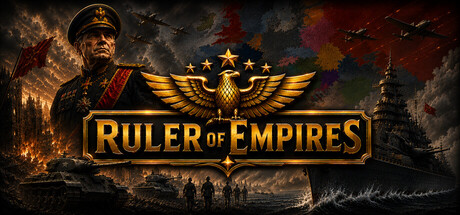 Ruler of Empires In-game content art | Game contains images of units, buildings, characters, UI elements and backgrounds generated by AI. | Mehmet Sefa KARATAŞ | - | Jul 25, 2026 | |
 群琼逐鹿 In-game content art | Some images are drawn after being referenced by AI-assisted generation | YiTuiZhe | - | Jul 25, 2026 | |
 Desert Ark Dev only code | Generative AI Disclosure
During the development of SandSea Ark, we utilized generative AI tools (such as Claude) to assist with:
1. Code writing and debugging: AI-assisted generation and optimization of GDScript code to improve development efficiency.
2. Data configuration: Assistance in maintaining game data tables and configuration files.
3. Documentation: Some technical documents and changelogs were generated with AI assistance.
The following content was NOT generated using AI:
- Game art assets, UI design, and scene layouts
- Core game design, mechanics, and balance tuning
This game does not contain live-generated AI content — all in-game content is pre-designed and hand-crafted. The game does not dynamically generate text, images, or audio during gameplay. | AriesArgali | - | Jul 25, 2026 | |
 Dreamond Elf: Wandering Through Memories In-game content artaudio | AI was used to assist with the creation of certain art assets, environment textures, audio assets, and resolution enhancement. | Iceoffreeze | - | Jul 25, 2026 | |
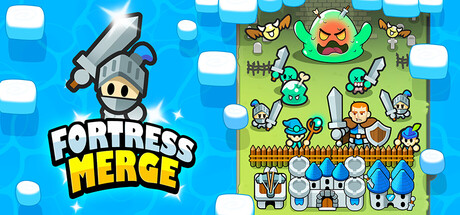 Fortress Merge In-game content art | Some visual elements of the game have been created with the use of ai. | TapNation | - | Jul 25, 2026 | |
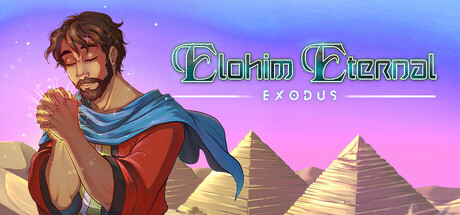 Elohim Eternal: Exodus In-game content art | The background were generated using Midjourney, painted over and edited by the Lornn (https://lornn.itch.io/)
Backgrounds will be replaced with original artwork. | George Alexandros | 19 | Jul 24, 2026 | |
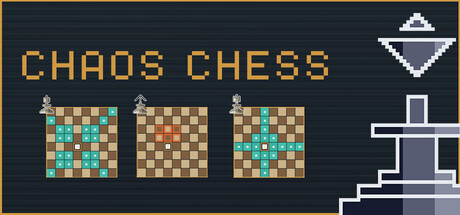 Chaos Chess Dev only code | No art or sound generation was used. Some help for coding the complex in-game enemy AI interactions were utilized from LLM models. Also the game analysis was made with coding help. | Mad Gnome Works | - | Jul 24, 2026 | |
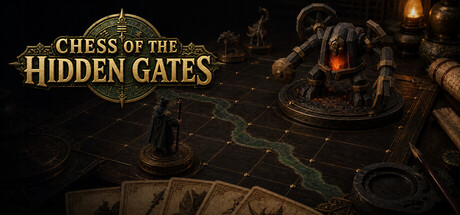 棋门遁甲 In-game content artaudiotext | Some of this game's shipped assets were created with the assistance of generative AI tools, all reviewed and curated by our team: 3D models and their textures (generated from our team's original concept designs), 2D illustrations and UI artwork, music and sound effects, and AI-assisted translations of in-game text for some supported languages. All AI-generated assets are used under commercial licenses with full usage rights. No content is generated while the game is running, and the game does not connect to any external AI service. | AgentGameLab | - | Jul 23, 2026 | |
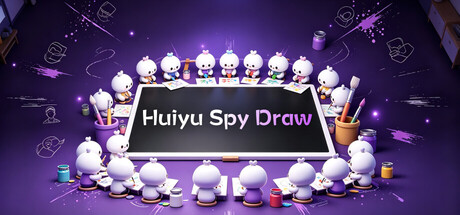 Huiyu Spy Draw In-game content codetext | This game uses generative AI in limited, non-gameplay-critical areas:
- AI-assisted code refactoring and performance optimization during development
- AI-assisted translation polishing for multi-language support
- UI layout refinement suggested by AI tools during the design process
All core gameplay logic, the unique drawing-and-deduction design, and all original game artwork were created, reviewed and refined by human developers. | Huiyu | - | Jul 23, 2026 | |
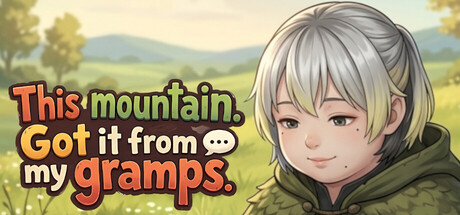 This mountain? Got it from my gramps. In-game content arttext | Used for generating images such as character sprites, backgrounds, and logos. Also used for text translation (which might be terrible). | favabean_works | - | Jul 23, 2026 | |
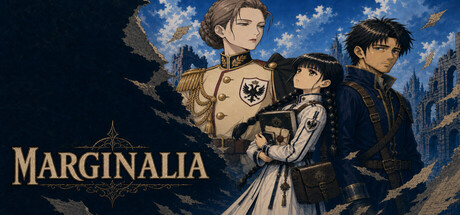 Marginalia In-game content art | This game uses generative AI tools to create some of its artwork: promotional art such as the key visual and store capsule images, and some in-game image assets such as character portraits and map textures. All of it was reviewed, curated, and adjusted by the developer before use. Every screenshot shown on the store page is captured from actual gameplay and is not AI-generated. The shipped game does not use any AI to generate images, text, or audio at runtime. | IKONOS STUDIO | - | Jul 23, 2026 | |
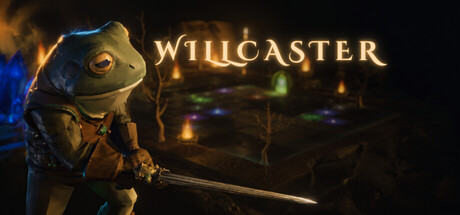 Willcaster Dev only art | AI was used strictly to block out a few initial base meshes, which I then manually reworked to fit the game's style & performance.
No AI runs at runtime. | Enes Altun | - | Jul 23, 2026 | |
 Blackbriar Crypt In-game content art | Visual assets in Blackbriar Crypt were created with generative AI tools (Stable Diffusion via ComfyUI), including in-game 2D art such as item icons, character portraits, enemy sprites, and UI backgrounds, as well as store and library marketing images. Each asset was selected, edited, and approved by the developer before release. | Donbrico Studio | - | Jul 23, 2026 | |
 Crooked Derby In-game content art | Crooked Derby includes some pre-generated visual assets created with generative AI. All AI-assisted content was iterated on, reviewed, and approved by the developer before being included in the game. | GRM Games | - | Jul 23, 2026 | |
 Gomoklear In-game content textaudio | This game used generative AI as an assistive tool for translation and localization, and for producing some sound effects and music. All final text and audio were reviewed, edited, and approved by humans before inclusion. | Bunny Dryer | - | Jul 23, 2026 | |
 Campfire Battles Dev only code | Campfire Battles is our attempt to bring an idea to life as a two-person team. AI tools helped us work quickly, particularly on the coding side, but every piece was reviewed and refined by hand. | BatteryAcidDev | - | Jul 23, 2026 | |
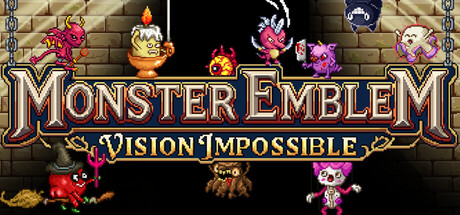 Monster Emblem: Vision Impossible In-game content textaudio | Generative AI was used to assist with grammar and spelling checks for some in-game text, translate store page content, and generate some sound assets. All content was reviewed and approved by the developer before inclusion. The game does not use live-generated AI. | Peepton | - | Jul 23, 2026 | |
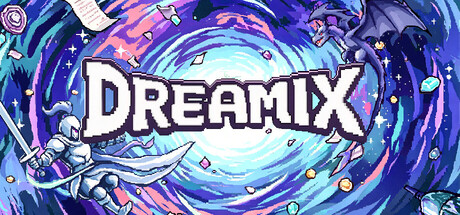 Dreamix In-game content art | The prototypes for a small number of icons and scene images in the game were generated by AI, followed by manual refinement. | 1101 Studio | - | Jul 23, 2026 | |
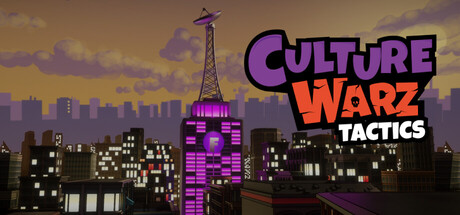 Culture Warz: Tactics In-game content textaudio | localization, sounds | Rear Admiral Games | - | Jul 23, 2026 | |
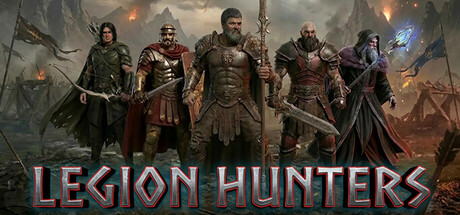 Legion Hunters In-game content artcode | The core game mechanics, game design, and overall creative direction are 100% my original vision. No AI tools were used for conceptualizing ideas or narrative structure. The programming code was generated utilizing the Rosebud AI platform, and the 2D visual assets were initially created with generative art tools. Code, artwork, and music were reviewed, manually edited, and arranged by me to bring my specific creative vision to life. | LegionH | - | Jul 22, 2026 | |
 Warden of the Sunken Keep Dev only art | AI generated art and other assets were referenced and partly used during development, but every effort is taken to make the game original. At UWS, we make every effort to support our art/design team and use AI very rarely to meet our production needs | codegamedev | - | Jul 22, 2026 | |
 Rinha de IA Live AI text | The game's fighters are controlled by AI models (LLMs) chosen by the player and reached through their own OpenRouter API key. During a match the model decides the character's actions and writes the short taunts shown on screen (text only). The game does not generate images, audio, music or voices with AI: every character, arena, soundtrack and sound effect is authored in advance and ships with the game. Every AI-generated line goes through an illegal content filter before it is displayed, on the player's computer and again on the server that hosts online matches, and online matches have a report system reviewed by a human team. | ProdMan | - | Jul 22, 2026 | |
 Crown Marshal In-game content arttext | Generative AI was used for some images and localization. | FOGMOE | - | Jul 22, 2026 | |
 Naval Strike Store/marketing art | Some of the game's assets and marketing materials were created with the assistance of generative AI tools, then reviewed and edited by the developer. All content is pre-rendered; the game does not generate any content at runtime. | VGP256 | - | Jul 22, 2026 | |
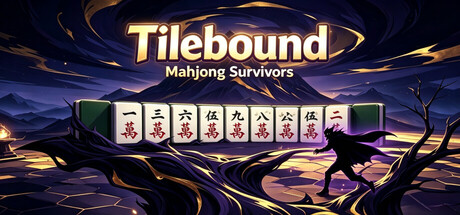 Tilebound:Mahjong Survivors In-game content art | The achievement icons and some store page promotional images were created with the assistance of generative AI tools. | BambooByte Studio | - | Jul 22, 2026 | |
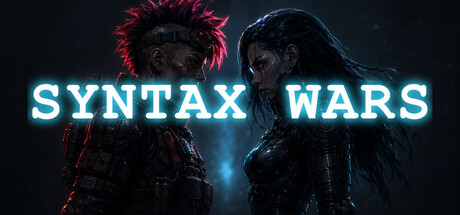 SYNTAX WARS art | Some visual assets — character art/portraits, sprite artwork, and store/marketing
capsule images — were created with the help of generative AI image tools, then
edited, composited, and curated by the developer. All such assets are PRE-GENERATED
during development; the shipped game performs NO live/runtime AI generation. No
generative AI produces text, dialogue, or any player-facing content at runtime.
All generated assets were reviewed by the developer to ensure they contain no
infringing or inappropriate material. | Mosan Game Studio | - | Jul 22, 2026 | |
 Warden Campaigns In-game content art | AI was used to generate logos and default sprites for this program. | Warden Campaigns | - | Jul 22, 2026 | |
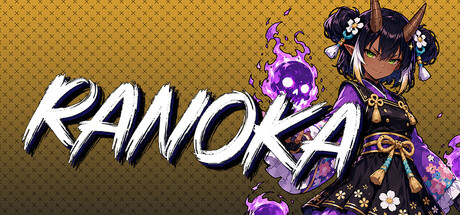 Ranoka In-game content audio | Some Music is generated. Thats it :) | Soul in a flask | - | Jul 22, 2026 | |
 Moloch Kombinat In-game content audio | For the few voiceline that we used AI | Prisma | - | Jul 21, 2026 | |
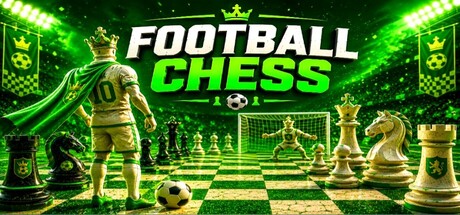 Football Chess Store/marketing art | AI was used for the game's cover art. | PEGAX Studios | - | Jul 20, 2026 | |
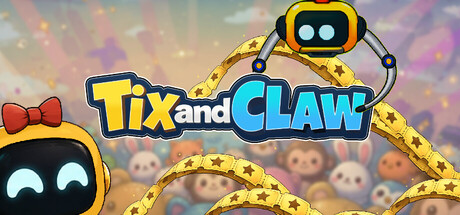 Tix and Claw In-game content art | Generative AI was used for creating Store page assets and in game items. Generated content was then manually edited to remove any anomalies and match look and feel of overall game's theme. | GameGameGames | - | Jul 20, 2026 | |
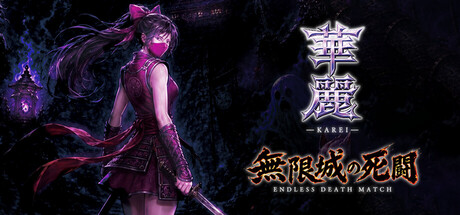 KAREI - ENDLESS DEATH MATCH In-game content arttext | Some 2D art assets in this game were created with the assistance of generative AI tools. All assets were reviewed and edited by the developer before inclusion.
Parts of the in-game text localization were produced with the assistance of AI translation tools, then reviewed by the developer. | Phase Co., Ltd. | - | Jul 20, 2026 | |
 Aethermoor In-game content arttext | Some character and environment artwork, and portions of marketing/store text, were created with the assistance of generative AI tools. All assets were selected, edited, and integrated by the developer, who has the rights to use them. No AI runs at runtime in the game. | Jonathan Cogswell | - | Jul 20, 2026 | |
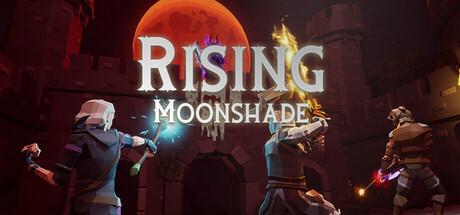 Rising Moonshade In-game content audio | The narrator's voiceovers are generated with the assistance of AI technology to enhance the storytelling atmosphere. | Split Pupil Games | - | Jul 20, 2026 | |
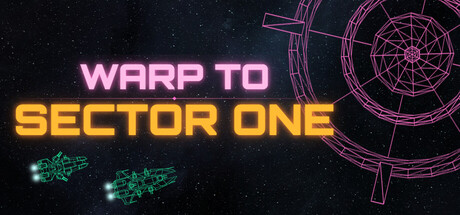 Warp to Sector One In-game content codetext | The game's design, game systems, balance, and English narrative are human-developed. AI tools were used during development as a coding assistant, with any recommended code changes specified, reviewed, and tested by the developer. The Japanese localization was produced with AI assistance and hand-edited for nuances, idioms, and accuracy. AI tools were also used for grammar and spell checking. No content is AI-generated at runtime. | hextor.Games | 27 | Jul 20, 2026 | |
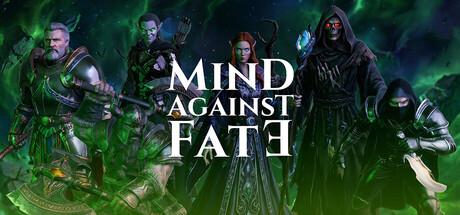 Mind Against Fate In-game content artcode | The development of Mind Against Fate utilized Artificial Intelligence (AI) tools to assist in the creation of specific pre-generated assets and coding workflows:
- Visual Assets: The portraits for heroes and in-game item icons were initially generated using Kling.AI and Google generative tools, and were subsequently refined, detailed, and polished using graphic design software.
- 3D Models: Certain 3D asset bases and models in the game were created with the assistance of Meshy.AI before being finalized and integrated into the game engine.
- Coding Assistance: Development and implementation speed were enhanced using AI-assisted coding tools (Cursor AI utilizing Google Gemini and Anthropic Claude versions).
We ensure that all generated content has been thoroughly reviewed and edited to meet quality standards, and contains no copyrighted or infringing materials. | Mind Against Fate | - | Jul 18, 2026 | |
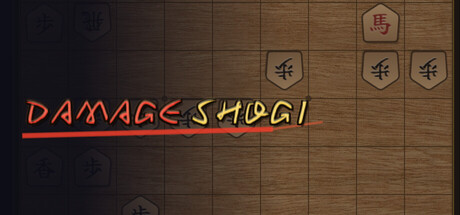 Damage Shogi In-game content codeaudioart | Generative AI (Anthropic Claude) was used during development to write game code, to create the BGM (note data transcribed from a public-domain piece by Debussy and procedurally generated music), and to compose store artwork from in-game assets. No content is generated by AI at runtime. | Ichigeki Games | - | Jul 18, 2026 | |
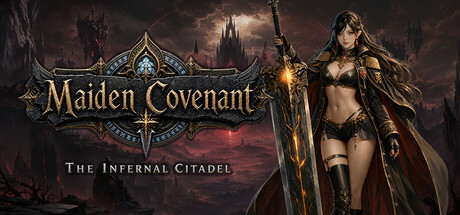 Maiden Covenant: The Infernal Citadel Unclear | Some Assets were created with AI assistance. | Moving Bear Studio | - | Jul 18, 2026 | |
 Tapis In-game content art | Some of Tapis's visual assets were created with the help of generative AI tools. These elements are produced ahead of time, then art-directed, selected and reworked by the studio to fit the game's world. No AI generates any content while you play: the gameplay, rules, balancing and all systems are entirely designed and hand-validated. | Bellescene Studio | - | Jul 18, 2026 | |
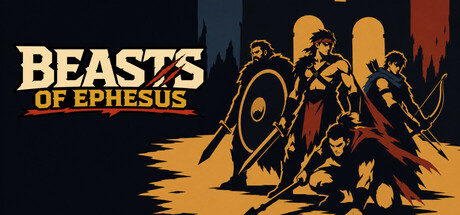 Beats of Ephesus In-game content art | Graphical assets are generated by AI. | Beff Inc. | - | Jul 18, 2026 | |
 Topological Board Game In-game content codetext | Topological Board Game used generative AI tools during development to assist with programming, documentation, store-page text, localization drafts, and design iteration. All AI-assisted material is reviewed and edited by the developer before being included in the game or store page.
The game does not use generative AI to create live player-facing content during gameplay. It does not connect to external third-party AI services during normal gameplay. Local robot opponents, rule-based analysis, search, simulation, and self-play/research tools may be included, but these are gameplay/strategy systems rather than live generative AI content systems. | You-Xun Zhang | - | Jul 18, 2026 | |
 放置事务所 In-game content arttext | This game does not use generative AI at runtime and does not generate content based on player input. Generative AI was used during development to assist with some static artwork, icons, promotional images, and draft text. All such content was reviewed, edited, integrated, and approved by the developer. | drowsycatstudio | - | Jul 18, 2026 | |
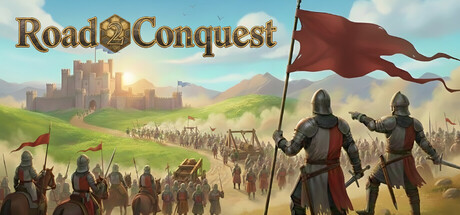 Road2Conquest In-game content art | Some card and background illustrations were initially generated using generative AI and then reviewed and edited by the developer before being included in the game. | J2H2 | - | Jul 18, 2026 | |
 Hackagon: Cyber Card Battler In-game content art | Card illustrations and some in-game artwork were pre-generated using generative AI image tools, then curated, edited and integrated by our team. All game design, code, writing and final art direction are human-made. The game does not generate any content with AI at runtime. | Main Thread Games | - | Jul 17, 2026 | |
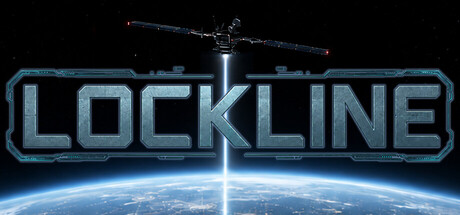 LockLine In-game content art | AI tools were used to create early drafts and a few base images for certain small visual elements, such as mission briefing cityscape thumbnails. Some initial sprite concepts were generated using AI. These assets were manually edited, adjusted, and integrated into the game’s visual style. No live generative AI is used during gameplay. | Wondered Off | - | Jul 17, 2026 | |
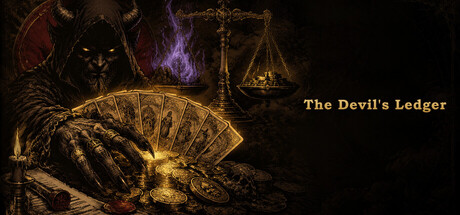 The Devil's Ledger Unclear | This game is basically AI-generated | zun | - | Jul 17, 2026 | |
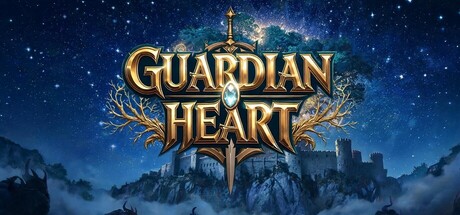 Guardian Heart In-game content artcode | This game used AI-assisted tools in the following areas:
Achievement icons: AI-assisted generation
Some game code: AI-assisted writing
Game design, gameplay logic, balancing, core systems, and final testing were done entirely by humans. | Sequal | - | Jul 17, 2026 | |
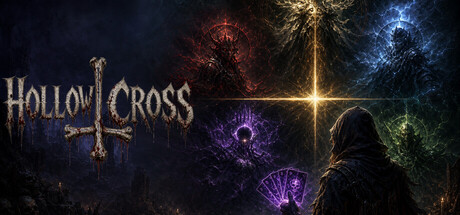 Hollowcross In-game content art | The artwork in Hollowcross — including card illustrations and background scenes — was created with the assistance of AI image‑generation tools. All generated art is curated, selected, and edited by the developer, who has taken steps to ensure the output does not contain illegal or infringing content. The game contains no AI‑generated content produced live during gameplay. | Hollowcross | - | Jul 17, 2026 | |
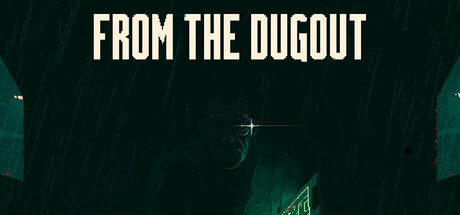 FROM THE DUGOUT Dev only codetextart | This project is built by a one-man team. I use AI tools as a supportive assistant to help with development. However, every line of code, piece of text, and design decision has been manually reviewed, edited, and finalized by me to ensure the quality and soul of the game. | IronGlitch Studios | - | Jul 17, 2026 | |
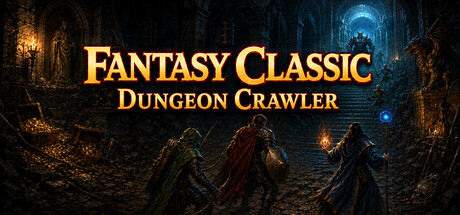 Fantasy Classic: Dungeon Crawler In-game content art | Some AI was used to generate images (player and creature portraits) used in this game. | Eternal Play Office | - | Jul 17, 2026 |


