Public Steam disclosure research25,376 disclosures tracked
Where do games disclose AI use?
Search developers’ Steam disclosures, compare classified AI use across
games, and follow recorded changes.
This index adds cross-game classifications and statistics to
statements published on individual store pages.
Groups reflect automatic analysis of public disclosures; mature records are excluded. These counts do not measure AI use across all of Steam.
Missing or unclear statements cannot establish whether a game uses AI.
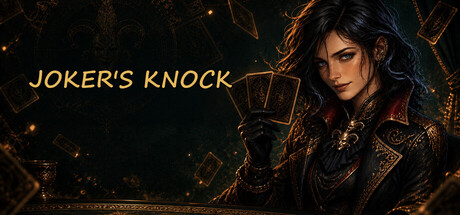
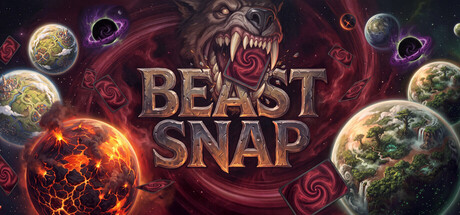
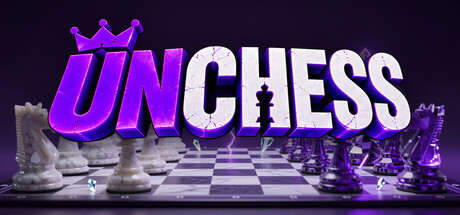
Some of the card illustrations, title art, UI elements, and character voices in this game, as well as the store capsule images, library artwork, and other promotional images, were created with generative AI, then selected and adjusted by the developer. The English text is based on AI translation and has been reviewed by the developer.
As an optional feature, players can connect their own Claude (Anthropic's AI assistant) through a Claude Desktop extension to play against it or watch it play against the CPU. Claude's lines shown in the game are written by the player's own Claude; the game itself does not generate text or communicate with any AI service.
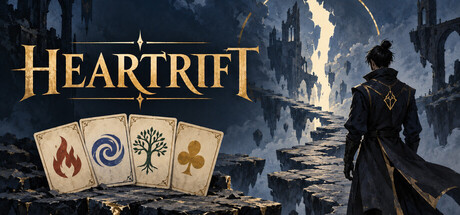
Generative AI was used during development to create artwork, UI and promotional assets, as well as audio content, including character voices. AI tools also assisted with writing and refining the game’s code. All AI-generated content is pre-generated; HEARTRIFT does not generate content or code with AI during gameplay or connect to an external AI service.
This game uses generative AI in the creation of some visual elements, including character illustrations and backgrounds; all results were reviewed and retouched by hand. Voice audio is based on dubbing and recordings by real people, which were then converted or refined using generative AI.
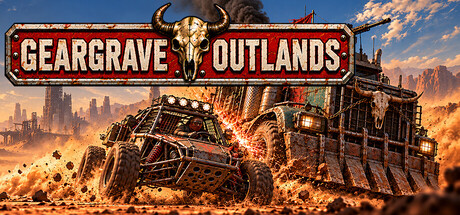
All artwork, music, and sound effects in Geargrave Outlands were created with generative AI tools (images: OpenAI image models; music: Suno; sound effects: ElevenLabs) and then selected, edited, and integrated by the developer. Story text was written with AI assistance and edited by the developer. All translations were produced with AI assistance. All of this content is pre-generated and ships as fixed files. The game does not generate any content with AI while you play.
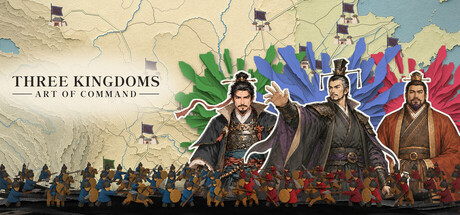
Generative AI tools were used during development to help create pre-made content: officer portraits, map and interface artwork, music and sound effects, and drafts of in-game text and its translations. All of it was selected and edited by the developer. The game does not generate any content with AI while you play.
AI-powered image generation tools were used to create the game's visual elements, including character and environment images. AI tools were also used to support translations into multiple languages.
Generative AI was used during development to assist with the creation and refinement of some visual assets, marketing materials and localizations. No content is generated by AI during gameplay.
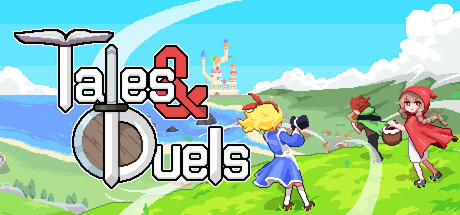
The translations used on the current store page and in the upcoming demo were created using generative AI. For the full release, these translations will be reviewed by human translators or replaced with complete human translations, and we will faithfully announce any changes.
All other artwork, sound, and narrative in the game are created entirely by the developer.
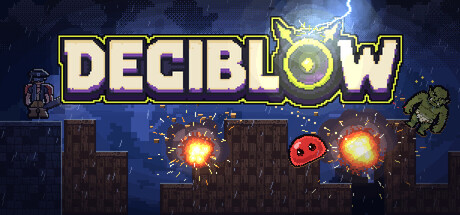
DECIBLOW utilized generative AI for a few small things like localization & partial involvement in some of the music to speed up production (heavy human involvement at a DAW level).
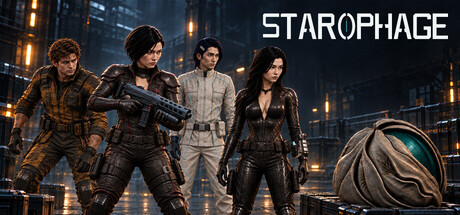
We use generative AI tools as part of STAROPHAGE’s content creation workflow. The final content is selected, refined, and integrated under our development team’s creative direction.
Text for the game and store page was localized with AI assistance. The game's menu and store page feature title artwork created with the help of AI tools.
Generative AI tools were used during development to create background artwork, images, music, and translations. These are pre-generated assets. No AI content is generated during gameplay.
I use generative AI throughout the development of Brassleaf Tactics, including programming, game design, artwork and store-page content. The game includes AI-generated artwork. I set the creative direction, decide what goes into the game, and make the final design decisions, shaping the experience through playtesting, balancing and ongoing refinement.
Generative AI is used during development only; no AI-generated content is created while you play.
Some visual assets in this game, including certain 3D models, textures, UI elements, icons, and character portraits, as well as background music and some sound effects, were created in advance with the help of generative AI tools. The developer reviewed and integrated the AI-generated assets. Some music and UI, victory, and defeat sound effects were generated with Google Gemini; other sound effects use third-party recordings or procedural synthesis. The game does not use generative AI at runtime, generate content while you play, or connect to AI services.
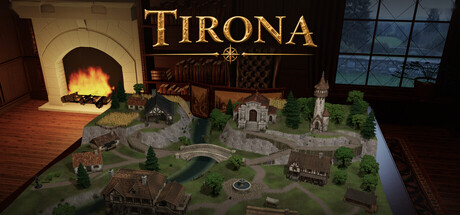
Tirona's development used AI tools for much of its 2D artwork (character portraits, card and scene illustrations, quest illustrations), some 3D models, the music (ElevenLabs) and the character voice performers' reference voices. All of it was selected, edited and placed by the developer, and ships as fixed game content.
While you play, a third-party large language model writes the narration and the dialogue of non-player characters in response to what you type or say. Character voices are synthesised locally on your PC from the generated text. You can optionally generate a portrait for your character from your creation choices.
The AI never decides the rules: dice, hit points, gold, items, experience, spells and quest progress change only through the game's own systems. Romance is opt-in, and anything sexual fades to black.
Generative tools were used as part of the visual and audio development process. Final assets were reviewed, selected, edited, and refined by human developers before being implemented in the game.
Some of the game's illustrations (characters, enemies, backgrounds, store art), its music, its sound effects and parts of its text were created with the help of AI tools during development, then selected, edited and integrated by hand. The game does not generate any content while you play.
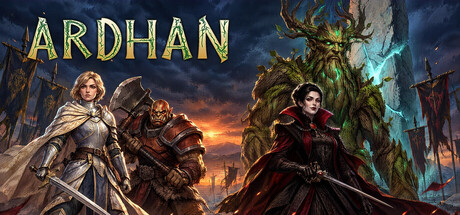
Ardhan was made by a solo developer with some help of generative AI tools. The card, hero, background and cinematic artwork, the key art on this store page, the short animated clips, the voice narration in all nine languages, part of the music and many of the sound effects were generated with AI models (image models hosted on Higgsfield; ElevenLabs voice, music and sound models) and then selected, cropped and edited by the developer. The game does not generate any content while you play, has no AI chat, and sends nothing to any AI service.
Generative AI tools were used during development to create some artwork, background music, and monster vocal effects. AI tools also assisted with the writing and translation of store-page text. These materials were prepared in advance. The game does not generate AI content or connect to third-party AI services during gameplay.
MAZZIOSI is made and polished by our team. During development, AI tools help us find bugs and make the game more enjoyable. Selected illustrations, UI art, music, sound effects, and parts of the story and localization were created or refined with AI, then reviewed and finalized by us. The game has no live AI generation or connection to AI services while you play.
Generative AI tools were used during development to assist with some UI artwork. The game does not generate new content using generative AI during gameplay.
-AI was used in limited capacity during development to assist with lighting effects and animation assets. These outputs were reviewed, edited, and integrated by the development team. AI is not used to generate content dynamically during gameplay, and the game does not use live AI systems to create images, audio, text, animations, or other player-facing content.
Generative AI supported the creation of parts of the artwork, sound effects and particular translations, all of which were carefully selected and refined by the developers. No AI content is generated during play.
Generative AI tools were used during development to assist with the creation of some visual assets, text, audio, localization, and code. All AI-assisted content included in the game was reviewed and curated by the developer. No generative AI is used during gameplay.
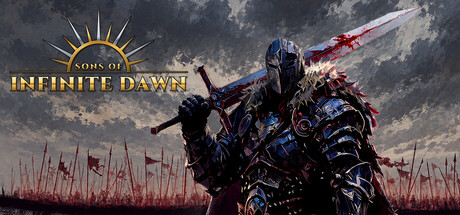
Generative AI was used during the visual development of Sons of Infinite Dawn to create and refine selected 2D artwork, textures and other visual assets used in the game and its store presentation. The resulting assets are reviewed and adjusted before use. No AI content is generated during gameplay, and the game does not connect to external AI services.
Pre-generated game artwork, including character, background, card, and interface art, was created with generative AI and edited for the game. Generative AI was also used for Steam store and library artwork, the logo, and icons. Gameplay screenshots were captured directly from the game. No AI content is generated during gameplay.
Some pre-made assets were created with the help of generative AI tools and then selected and edited by the developers: power-up card illustrations, achievement icons, store and key art, and some 3D chess piece models for cosmetic sets. The game does not generate any AI content while you play.
Generative AI tools were used during development to help create portions of the game's audio, visual assets, and written content, including background music and sound effects. AI assistance was also used for promotional artwork. These materials were selected, edited, and reviewed by the developer before inclusion. The core gameplay rules, design decisions, and final implementation were directed by the developer. The game uses pre-generated content and does not generate new content with AI during gameplay.
Character, enemy, and terrain sprites and the key art were produced with AI image tools from our own concept art and style references, then selected, corrected, and composited by hand. All game rules, code, writing, board layout, and interface art are made by the developer without generative AI at runtime. The game does not generate content with AI while you play.
ENROQUIA uses generative AI for pre-made content included in the game; nothing is generated during play and the game does not connect to any AI service. Made with AI: the voice of James, the coach (an original synthetic voice that does not imitate any real person), the music, the club entrance video, the 3D props and textures, the paintings on the club walls, the character designs (the 20 opponents and James), the in-game text and its translations into 12 languages, and the promotional material. The chess engine and its analysis are the game's own, with no AI models, and James's comments on your games are chosen during play based on that analysis.
AI-generated content was used in the development of this game. AI tools were used to help create some of the game's graphics and Steam Community items.
Pre-generated content: some 3D props and models, music tracks, sound effects and some artwork were created with generative AI tools (such as Meshy and ElevenLabs) and then reviewed, edited and integrated by the developer. No content is generated in real time during gameplay.
IDE Code assistant used to optimize parts of the game's code and resolve bugs.
Certain assets in this game were created or modified with the assistance of genAI tools, then reviewed and integrated by our team.
Generative AI was used for a large portion of the game's visual assets, including character artwork, backgrounds, icons, and some promotional materials.
These assets were not used directly without review. Most of them went through repeated generation, selection, editing, and adjustment to keep the characters and overall art style consistent. A significant amount of time was also spent integrating the assets into the game and correcting issues where necessary.
The game design, gameplay systems, balancing, level design, UI design, programming, and overall direction were done by me.
The game does not generate AI content during gameplay.
This game uses generative AI tools to assist in creating some content: pixel-art visuals (character, enemy, and card artwork, icons, and backgrounds) via PixelLab, and sound effects via ElevenLabs. All AI-assisted content was reviewed and curated by the developer before being included in the game.
Generative AI was used to create some artwork and UI assets, summoning animation videos, and background music. Details of the tools used are listed under Settings > Credits in the game.
During gameplay, AI running on your PC uses the true name and essence you enter to generate Textus data, including abilities and moves, as well as artwork.
Generated results may vary. Depending on the outcome of the safety check, a placeholder explaining why the artwork is unavailable may appear instead of the generated image. The Textus's abilities and moves remain usable.
Some in-game icons and background music, as well as all character voice lines, were created using generative AI during development. The game does not generate AI content during gameplay.
The music, most sound effects and a few sprites and icons were made with AI assistance and reviewed by the team. Store graphics were assembled with AI assistance from the team's own artwork. No AI generates content while you play.
The key art, story illustrations, kingdom portraits, music, opening film, menu video and its narration were produced with generative AI tools (Ideogram, Lyria, Seedance, Kling and ElevenLabs, through Artlist) and then selected, edited and assembled by the developer. The 3D map, units and buildings are procedural low-poly models built in code, and the sound effects are synthesised in the game. The game was written with the help of an AI coding assistant. No content is generated while the game is running; everything is pre-generated and shipped in the build. No real people's likenesses or voices are used.
Some translations were generated with AI and are in beta, so more players can enjoy the game in their language.
The art and music were made without AI.
Some of the card illustrations, title art, UI elements, and character voices in this game, as well as the store capsule images, library artwork, and other promotional images, were created with generative AI, then selected and adjusted by the developer. The English text is based on AI translation and has been reviewed by the developer.
As an optional feature, players can connect their own Claude (Anthropic's AI assistant) through a Claude Desktop extension to play against it or watch it play against the CPU. Claude's lines shown in the game are written by the player's own Claude; the game itself does not generate text or communicate with any AI service.
Generative AI was used during development to create artwork, UI and promotional assets, as well as audio content, including character voices. AI tools also assisted with writing and refining the game’s code. All AI-generated content is pre-generated; HEARTRIFT does not generate content or code with AI during gameplay or connect to an external AI service.
This game uses generative AI in the creation of some visual elements, including character illustrations and backgrounds; all results were reviewed and retouched by hand. Voice audio is based on dubbing and recordings by real people, which were then converted or refined using generative AI.
All artwork, music, and sound effects in Geargrave Outlands were created with generative AI tools (images: OpenAI image models; music: Suno; sound effects: ElevenLabs) and then selected, edited, and integrated by the developer. Story text was written with AI assistance and edited by the developer. All translations were produced with AI assistance. All of this content is pre-generated and ships as fixed files. The game does not generate any content with AI while you play.
Generative AI tools were used during development to help create pre-made content: officer portraits, map and interface artwork, music and sound effects, and drafts of in-game text and its translations. All of it was selected and edited by the developer. The game does not generate any content with AI while you play.
AI-powered image generation tools were used to create the game's visual elements, including character and environment images. AI tools were also used to support translations into multiple languages.
Generative AI was used during development to assist with the creation and refinement of some visual assets, marketing materials and localizations. No content is generated by AI during gameplay.
The translations used on the current store page and in the upcoming demo were created using generative AI. For the full release, these translations will be reviewed by human translators or replaced with complete human translations, and we will faithfully announce any changes.
All other artwork, sound, and narrative in the game are created entirely by the developer.
DECIBLOW utilized generative AI for a few small things like localization & partial involvement in some of the music to speed up production (heavy human involvement at a DAW level).
We use generative AI tools as part of STAROPHAGE’s content creation workflow. The final content is selected, refined, and integrated under our development team’s creative direction.
Text for the game and store page was localized with AI assistance. The game's menu and store page feature title artwork created with the help of AI tools.
Generative AI tools were used during development to create background artwork, images, music, and translations. These are pre-generated assets. No AI content is generated during gameplay.
I use generative AI throughout the development of Brassleaf Tactics, including programming, game design, artwork and store-page content. The game includes AI-generated artwork. I set the creative direction, decide what goes into the game, and make the final design decisions, shaping the experience through playtesting, balancing and ongoing refinement.
Generative AI is used during development only; no AI-generated content is created while you play.
Some visual assets in this game, including certain 3D models, textures, UI elements, icons, and character portraits, as well as background music and some sound effects, were created in advance with the help of generative AI tools. The developer reviewed and integrated the AI-generated assets. Some music and UI, victory, and defeat sound effects were generated with Google Gemini; other sound effects use third-party recordings or procedural synthesis. The game does not use generative AI at runtime, generate content while you play, or connect to AI services.
Tirona's development used AI tools for much of its 2D artwork (character portraits, card and scene illustrations, quest illustrations), some 3D models, the music (ElevenLabs) and the character voice performers' reference voices. All of it was selected, edited and placed by the developer, and ships as fixed game content.
While you play, a third-party large language model writes the narration and the dialogue of non-player characters in response to what you type or say. Character voices are synthesised locally on your PC from the generated text. You can optionally generate a portrait for your character from your creation choices.
The AI never decides the rules: dice, hit points, gold, items, experience, spells and quest progress change only through the game's own systems. Romance is opt-in, and anything sexual fades to black.
Generative tools were used as part of the visual and audio development process. Final assets were reviewed, selected, edited, and refined by human developers before being implemented in the game.
Some of the game's illustrations (characters, enemies, backgrounds, store art), its music, its sound effects and parts of its text were created with the help of AI tools during development, then selected, edited and integrated by hand. The game does not generate any content while you play.
Ardhan was made by a solo developer with some help of generative AI tools. The card, hero, background and cinematic artwork, the key art on this store page, the short animated clips, the voice narration in all nine languages, part of the music and many of the sound effects were generated with AI models (image models hosted on Higgsfield; ElevenLabs voice, music and sound models) and then selected, cropped and edited by the developer. The game does not generate any content while you play, has no AI chat, and sends nothing to any AI service.
Generative AI tools were used during development to create some artwork, background music, and monster vocal effects. AI tools also assisted with the writing and translation of store-page text. These materials were prepared in advance. The game does not generate AI content or connect to third-party AI services during gameplay.
MAZZIOSI is made and polished by our team. During development, AI tools help us find bugs and make the game more enjoyable. Selected illustrations, UI art, music, sound effects, and parts of the story and localization were created or refined with AI, then reviewed and finalized by us. The game has no live AI generation or connection to AI services while you play.
Generative AI tools were used during development to assist with some UI artwork. The game does not generate new content using generative AI during gameplay.
-AI was used in limited capacity during development to assist with lighting effects and animation assets. These outputs were reviewed, edited, and integrated by the development team. AI is not used to generate content dynamically during gameplay, and the game does not use live AI systems to create images, audio, text, animations, or other player-facing content.
Generative AI supported the creation of parts of the artwork, sound effects and particular translations, all of which were carefully selected and refined by the developers. No AI content is generated during play.
Generative AI tools were used during development to assist with the creation of some visual assets, text, audio, localization, and code. All AI-assisted content included in the game was reviewed and curated by the developer. No generative AI is used during gameplay.
Generative AI was used during the visual development of Sons of Infinite Dawn to create and refine selected 2D artwork, textures and other visual assets used in the game and its store presentation. The resulting assets are reviewed and adjusted before use. No AI content is generated during gameplay, and the game does not connect to external AI services.
Pre-generated game artwork, including character, background, card, and interface art, was created with generative AI and edited for the game. Generative AI was also used for Steam store and library artwork, the logo, and icons. Gameplay screenshots were captured directly from the game. No AI content is generated during gameplay.
Some pre-made assets were created with the help of generative AI tools and then selected and edited by the developers: power-up card illustrations, achievement icons, store and key art, and some 3D chess piece models for cosmetic sets. The game does not generate any AI content while you play.
Generative AI tools were used during development to help create portions of the game's audio, visual assets, and written content, including background music and sound effects. AI assistance was also used for promotional artwork. These materials were selected, edited, and reviewed by the developer before inclusion. The core gameplay rules, design decisions, and final implementation were directed by the developer. The game uses pre-generated content and does not generate new content with AI during gameplay.
Character, enemy, and terrain sprites and the key art were produced with AI image tools from our own concept art and style references, then selected, corrected, and composited by hand. All game rules, code, writing, board layout, and interface art are made by the developer without generative AI at runtime. The game does not generate content with AI while you play.
ENROQUIA uses generative AI for pre-made content included in the game; nothing is generated during play and the game does not connect to any AI service. Made with AI: the voice of James, the coach (an original synthetic voice that does not imitate any real person), the music, the club entrance video, the 3D props and textures, the paintings on the club walls, the character designs (the 20 opponents and James), the in-game text and its translations into 12 languages, and the promotional material. The chess engine and its analysis are the game's own, with no AI models, and James's comments on your games are chosen during play based on that analysis.
AI-generated content was used in the development of this game. AI tools were used to help create some of the game's graphics and Steam Community items.
Pre-generated content: some 3D props and models, music tracks, sound effects and some artwork were created with generative AI tools (such as Meshy and ElevenLabs) and then reviewed, edited and integrated by the developer. No content is generated in real time during gameplay.
IDE Code assistant used to optimize parts of the game's code and resolve bugs.
Certain assets in this game were created or modified with the assistance of genAI tools, then reviewed and integrated by our team.
Generative AI was used for a large portion of the game's visual assets, including character artwork, backgrounds, icons, and some promotional materials.
These assets were not used directly without review. Most of them went through repeated generation, selection, editing, and adjustment to keep the characters and overall art style consistent. A significant amount of time was also spent integrating the assets into the game and correcting issues where necessary.
The game design, gameplay systems, balancing, level design, UI design, programming, and overall direction were done by me.
The game does not generate AI content during gameplay.
This game uses generative AI tools to assist in creating some content: pixel-art visuals (character, enemy, and card artwork, icons, and backgrounds) via PixelLab, and sound effects via ElevenLabs. All AI-assisted content was reviewed and curated by the developer before being included in the game.
Generative AI was used to create some artwork and UI assets, summoning animation videos, and background music. Details of the tools used are listed under Settings > Credits in the game.
During gameplay, AI running on your PC uses the true name and essence you enter to generate Textus data, including abilities and moves, as well as artwork.
Generated results may vary. Depending on the outcome of the safety check, a placeholder explaining why the artwork is unavailable may appear instead of the generated image. The Textus's abilities and moves remain usable.
Some in-game icons and background music, as well as all character voice lines, were created using generative AI during development. The game does not generate AI content during gameplay.
The music, most sound effects and a few sprites and icons were made with AI assistance and reviewed by the team. Store graphics were assembled with AI assistance from the team's own artwork. No AI generates content while you play.
The key art, story illustrations, kingdom portraits, music, opening film, menu video and its narration were produced with generative AI tools (Ideogram, Lyria, Seedance, Kling and ElevenLabs, through Artlist) and then selected, edited and assembled by the developer. The 3D map, units and buildings are procedural low-poly models built in code, and the sound effects are synthesised in the game. The game was written with the help of an AI coding assistant. No content is generated while the game is running; everything is pre-generated and shipped in the build. No real people's likenesses or voices are used.
Some translations were generated with AI and are in beta, so more players can enjoy the game in their language.
The art and music were made without AI.