Public Steam disclosure research25,706 disclosures tracked
Where do games disclose AI use?
Search developers’ Steam disclosures, compare classified AI use across
games, and follow recorded changes.
This index adds cross-game classifications and statistics to
statements published on individual store pages.
Groups reflect automatic analysis of public disclosures; mature records are excluded. These counts do not measure AI use across all of Steam.
Missing or unclear statements cannot establish whether a game uses AI.
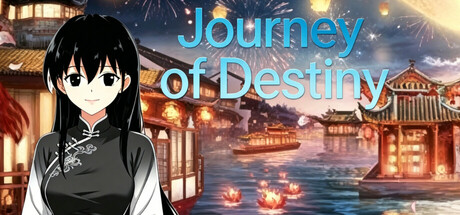
This is a visual novel independently developed by an individual with no budget. It is based on an existing novel, with parts of the narrative text synthesized and refined using AI, which has been repeatedly checked, edited, and approved by the developer. The game's scenes and character models are also AI-generated, and have undergone extensive debugging, deletion, revision, and final confirmation before release to ensure compliance and quality.
I used a text-based generative AI (LLM) to assist with the English translation (localization) of all in-game text (dialogue, UI, system messages) and to help write the English descriptions for the Steam store page.
This game used generative AI tools during development: some art assets were generated with generative AI and then reviewed/curated (and adjusted when needed) by the developer; coding and refactoring were assisted by GPT-5.2, with all changes reviewed and finalized by the developer. The game does not include any in-game generative AI features for players at runtime.
The pipes, ley lines, and gas mains of Arcana, Gas & Waterworks Inc. were designed, debated, and duct-taped together by a single developer. All music was licensed from real indie musicians, who did NOT use generative AI in any way, and who are credited in the game. Generative AI tools helped bring AGW Inc. to life by turning hand-drawn sketches into finished art, scripting sound effects, and contributing early drafts of in-game text. All of this content was rewritten, expanded, or replaced by the developer to fit the game's voice and world. Thanks to the help of these AI tools, I was able to finally answer the burning question, "What if fantasy worlds needed infrastructure?"
This game uses generative AI tools to assist in creating pre-generated image content. All AI-generated images has been reviewed, edited, and finalized by the human development team to ensure it fits the game's vision and quality standards.
Some assets in this game were created with the assistance of generative AI tools during development.
All content was reviewed, edited, and curated by the developer before being included in the game.
This game uses generative AI tools in a limited capacity during development. A small number of environmental textures were created with AI assistance. The majority of in-game assets are licensed assets (e.g., Craftpix) or custom-developed by the creator.
All gameplay systems, mechanics, level design, and core development were created by the developer. AI-generated content does not affect gameplay functionality and is used only as a supplemental production tool.
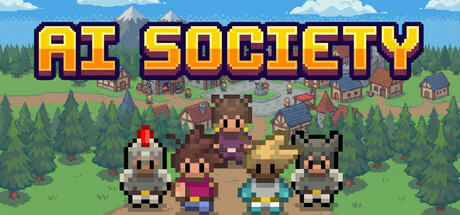
AI Society uses local generative AI (via Ollama) to power each character's behavior, dialogue, and decision-making. Based on the personality traits, hobbies, and description you set for each character, the AI determines their daily routines, job choices, relationships, and what they post on the in-game social media feed. All AI processing runs entirely on the player's machine — no data is sent to external servers.
This game uses generative AI to assist with parts of the asset creation process, including store/promotional images, background music assets, initial drafts/variations of the game logo, and the generation or AI-assisted creation of some in-game material textures. All such content is reviewed, curated, edited, and integrated by the developer before being used in the game.
Promotional artwork and screenshots on the store page were created with AI image generation tools. The game itself is handcrafted and does not use AI-generated content.
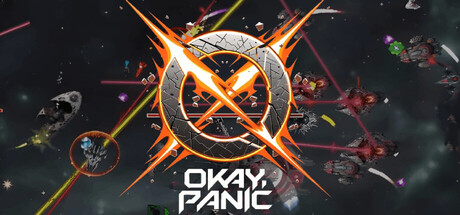
Unfortunately I'm very bad at drawing, so I used Gen AI to create graphical resources for pilots, Mephisto heads, crew images, ships sprites and background images.
Portions of the game’s visual assets and text content were created with the assistance of generative AI tools during development. All AI-generated content was reviewed, edited, and integrated by the developer to ensure quality and consistency. The game does not use generative AI at runtime.
Some non-core gameplay code and development assistance were generated with the help of generative AI tools during development. All gameplay design, final implementation, and creative decisions were reviewed and integrated by the developer.
Some static visual assets in this game were created with the assistance of AI tools during development. All AI-assisted assets have been reviewed, edited, and integrated by the developer to fit the game's art style. No AI-generated content is created during gameplay.
Some visual assets were created with the assistance of generative AI tools and further refined and curated by the developer. No live AI generation occurs during gameplay.
This game uses generative AI in the following ways:
• Music: Background music and audio tracks were created with AI music generation tools
• Images: Some promotional images and visual assets were created or enhanced with AI image generation
• Text: Portions of in-game text, descriptions, and dialogue were written or refined with AI assistance
All AI-generated content has been reviewed and edited by the development team to ensure quality and alignment with the game's vision. The core gameplay, puzzle design, and mechanics are human-created.
This game uses generative AI during development to assist with concept art, creature design, and prototyping. All AI-generated content is reviewed, edited, and finalized by the developer. No AI is used for real-time gameplay or player interaction.
The images were refined by artificial intelligence based on real photos taken in the city of Aix-les-Bains. The music was also arranged using an artificial intelligence tool.
This game uses AI-generated visual content in both the store page and in-game assets. Specifically: store page artwork (header, capsule images, and screenshots backgrounds), in-game character sprites, enemy sprites, background art, visual effects, item icons, and sprite-based animations were created with the assistance of AI image generation tools. All AI-generated content was reviewed, selected, edited, and refined by the development team to fit the game's art style. No AI-generated content is produced during gameplay — all assets are pre-rendered and curated before distribution.
Some visual assets and promotional materials for Slotbound were created with the assistance of generative AI tools.
All AI-generated content was reviewed, refined, and integrated by the developer to ensure consistency with the game's artistic direction and quality standards.
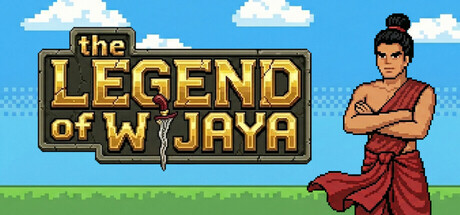
The Legend of Wijaya utilizes pre-generated AI tools strictly as an assistive foundation for a minor portion of background environmental assets and foundational music tracks. All AI-assisted content is heavily manually edited, polished, and arranged by the developer to ensure it strictly matches the handcrafted pixel-art aesthetic and historical tone of the game.
We use AI for some of our images. All generated images are manually corrected, retouched, and processed by our developers before being integrated into the final game assets.
We use AI to assist in-game logic and algorithms.
AI coding assistants were used during development to help write and debug game code. All game content — visuals, audio, color palettes, recipes, and gameplay mechanics — is procedurally generated by the game's own algorithms, not by generative AI.
I used generative AI tools to assist in the creation of some environmental textures and background concept art. These assets were then manually edited and refined by our team to fit the game's final art style
AI tools were used during the early concept phase of some character designs.
All AI-generated elements were manually refined, edited, and integrated by the developer to fit the game’s artistic style and vision.
No gameplay systems, mechanics, code, or narrative content were generated by AI.
Some visual assets in the game and store page were created using generative AI and then edited and integrated by the developer. No real-time AI generation is used during gameplay.
A small selection (approx. 15-20%) of the environmental wallpapers were AI-assisted to provide visual variety, while the majority of the 30+ artworks and the core 'Dojo' aesthetic are custom-designed. AI was also used to help master and refine the lofi soundtrack and assist with initial marketing drafts.
"Developed in Godot with a focus on precision and hand-crafted systems. To maintain absolute control over the game’s quality and vision, generative AI was used for less than 10% of development, limited strictly to early-stage conceptual ideation for visual assets. Every final in-game asset has been manually hand-drawn, and 100% of the game’s code—including the massive 3,000+ line player controller—is hand-written. This ensures the tight, responsive gameplay essential for a high-stakes Metoridvania."
This game was developed with the assistance of AI tools. Character sprites and visual assets were generated using AI image tools and further edited using image editing software. The game's soundtrack was created using AI music generation tools. Game code was written with AI coding assistance. The game's story, narrative, and gameplay design are entirely original and created by the developer.
This is a visual novel independently developed by an individual with no budget. It is based on an existing novel, with parts of the narrative text synthesized and refined using AI, which has been repeatedly checked, edited, and approved by the developer. The game's scenes and character models are also AI-generated, and have undergone extensive debugging, deletion, revision, and final confirmation before release to ensure compliance and quality.
I used a text-based generative AI (LLM) to assist with the English translation (localization) of all in-game text (dialogue, UI, system messages) and to help write the English descriptions for the Steam store page.
This game used generative AI tools during development: some art assets were generated with generative AI and then reviewed/curated (and adjusted when needed) by the developer; coding and refactoring were assisted by GPT-5.2, with all changes reviewed and finalized by the developer. The game does not include any in-game generative AI features for players at runtime.
The pipes, ley lines, and gas mains of Arcana, Gas & Waterworks Inc. were designed, debated, and duct-taped together by a single developer. All music was licensed from real indie musicians, who did NOT use generative AI in any way, and who are credited in the game. Generative AI tools helped bring AGW Inc. to life by turning hand-drawn sketches into finished art, scripting sound effects, and contributing early drafts of in-game text. All of this content was rewritten, expanded, or replaced by the developer to fit the game's voice and world. Thanks to the help of these AI tools, I was able to finally answer the burning question, "What if fantasy worlds needed infrastructure?"
This game uses generative AI tools to assist in creating pre-generated image content. All AI-generated images has been reviewed, edited, and finalized by the human development team to ensure it fits the game's vision and quality standards.
Some assets in this game were created with the assistance of generative AI tools during development.
All content was reviewed, edited, and curated by the developer before being included in the game.
This game uses generative AI tools in a limited capacity during development. A small number of environmental textures were created with AI assistance. The majority of in-game assets are licensed assets (e.g., Craftpix) or custom-developed by the creator.
All gameplay systems, mechanics, level design, and core development were created by the developer. AI-generated content does not affect gameplay functionality and is used only as a supplemental production tool.
AI Society uses local generative AI (via Ollama) to power each character's behavior, dialogue, and decision-making. Based on the personality traits, hobbies, and description you set for each character, the AI determines their daily routines, job choices, relationships, and what they post on the in-game social media feed. All AI processing runs entirely on the player's machine — no data is sent to external servers.
This game uses generative AI to assist with parts of the asset creation process, including store/promotional images, background music assets, initial drafts/variations of the game logo, and the generation or AI-assisted creation of some in-game material textures. All such content is reviewed, curated, edited, and integrated by the developer before being used in the game.
Promotional artwork and screenshots on the store page were created with AI image generation tools. The game itself is handcrafted and does not use AI-generated content.
Unfortunately I'm very bad at drawing, so I used Gen AI to create graphical resources for pilots, Mephisto heads, crew images, ships sprites and background images.
Portions of the game’s visual assets and text content were created with the assistance of generative AI tools during development. All AI-generated content was reviewed, edited, and integrated by the developer to ensure quality and consistency. The game does not use generative AI at runtime.
Some non-core gameplay code and development assistance were generated with the help of generative AI tools during development. All gameplay design, final implementation, and creative decisions were reviewed and integrated by the developer.
Some static visual assets in this game were created with the assistance of AI tools during development. All AI-assisted assets have been reviewed, edited, and integrated by the developer to fit the game's art style. No AI-generated content is created during gameplay.
Some visual assets were created with the assistance of generative AI tools and further refined and curated by the developer. No live AI generation occurs during gameplay.
This game uses generative AI in the following ways:
• Music: Background music and audio tracks were created with AI music generation tools
• Images: Some promotional images and visual assets were created or enhanced with AI image generation
• Text: Portions of in-game text, descriptions, and dialogue were written or refined with AI assistance
All AI-generated content has been reviewed and edited by the development team to ensure quality and alignment with the game's vision. The core gameplay, puzzle design, and mechanics are human-created.
This game uses generative AI during development to assist with concept art, creature design, and prototyping. All AI-generated content is reviewed, edited, and finalized by the developer. No AI is used for real-time gameplay or player interaction.
The images were refined by artificial intelligence based on real photos taken in the city of Aix-les-Bains. The music was also arranged using an artificial intelligence tool.
This game uses AI-generated visual content in both the store page and in-game assets. Specifically: store page artwork (header, capsule images, and screenshots backgrounds), in-game character sprites, enemy sprites, background art, visual effects, item icons, and sprite-based animations were created with the assistance of AI image generation tools. All AI-generated content was reviewed, selected, edited, and refined by the development team to fit the game's art style. No AI-generated content is produced during gameplay — all assets are pre-rendered and curated before distribution.
Some visual assets and promotional materials for Slotbound were created with the assistance of generative AI tools.
All AI-generated content was reviewed, refined, and integrated by the developer to ensure consistency with the game's artistic direction and quality standards.
The Legend of Wijaya utilizes pre-generated AI tools strictly as an assistive foundation for a minor portion of background environmental assets and foundational music tracks. All AI-assisted content is heavily manually edited, polished, and arranged by the developer to ensure it strictly matches the handcrafted pixel-art aesthetic and historical tone of the game.
We use AI for some of our images. All generated images are manually corrected, retouched, and processed by our developers before being integrated into the final game assets.
We use AI to assist in-game logic and algorithms.
AI coding assistants were used during development to help write and debug game code. All game content — visuals, audio, color palettes, recipes, and gameplay mechanics — is procedurally generated by the game's own algorithms, not by generative AI.
I used generative AI tools to assist in the creation of some environmental textures and background concept art. These assets were then manually edited and refined by our team to fit the game's final art style
AI tools were used during the early concept phase of some character designs.
All AI-generated elements were manually refined, edited, and integrated by the developer to fit the game’s artistic style and vision.
No gameplay systems, mechanics, code, or narrative content were generated by AI.
Some visual assets in the game and store page were created using generative AI and then edited and integrated by the developer. No real-time AI generation is used during gameplay.
A small selection (approx. 15-20%) of the environmental wallpapers were AI-assisted to provide visual variety, while the majority of the 30+ artworks and the core 'Dojo' aesthetic are custom-designed. AI was also used to help master and refine the lofi soundtrack and assist with initial marketing drafts.
"Developed in Godot with a focus on precision and hand-crafted systems. To maintain absolute control over the game’s quality and vision, generative AI was used for less than 10% of development, limited strictly to early-stage conceptual ideation for visual assets. Every final in-game asset has been manually hand-drawn, and 100% of the game’s code—including the massive 3,000+ line player controller—is hand-written. This ensures the tight, responsive gameplay essential for a high-stakes Metoridvania."
This game was developed with the assistance of AI tools. Character sprites and visual assets were generated using AI image tools and further edited using image editing software. The game's soundtrack was created using AI music generation tools. Game code was written with AI coding assistance. The game's story, narrative, and gameplay design are entirely original and created by the developer.