Public Steam disclosure research25,383 disclosures tracked
Where do games disclose AI use?
Search developers’ Steam disclosures, compare classified AI use across
games, and follow recorded changes.
This index adds cross-game classifications and statistics to
statements published on individual store pages.
Groups reflect automatic analysis of public disclosures; mature records are excluded. These counts do not measure AI use across all of Steam.
Missing or unclear statements cannot establish whether a game uses AI.
Generative AI tools were used during development to assist with the creation of selected pre-generated assets, including visual artwork, character assets, music, and sound effects. These tools were used as part of the development workflow, while the game's design, direction, gameplay systems, implementation, level design, and final integration were created and curated by the developer. No generative AI is used to create new content during gameplay.
Pre-generated AI-assisted content is used in some 2D artwork, including unit sprites, character portraits, card illustrations, battlefield backgrounds, visual effects, UI decorative elements, and store and marketing artwork. AI assistance was also used for portions of in-game text and English/Japanese localization. All such content is generated before release and curated and edited by the developer. The game does not generate content during gameplay and does not connect to a generative AI service at runtime.
Generative AI tools were used during development to assist with debugging code, audio production, and the creation of some item and UI illustrations. AI-generated or AI-assisted content was reviewed and edited by the development team before being included in the final game.
As a solo project, Vibin & Survivin leverages AI assistance for asset design, audio generation, and coding support. This allowed me to punch above my weight class as a single developer and focus on crafting tight, responsive action-roguelike gameplay!
All pixel artwork is hand-made by a human artist (Dani Maccari, licensed and credited). Sound effects are procedurally synthesized from hand-authored code and Suno AI. AI tools were used during development as a programming assistant and to help draft and edit some in-game and store text, all of which was human-directed, reviewed, and curated. No generative AI runs at runtime, and no AI-generated imagery ships with the game.
Generative AI was used during development to assist with some pre-generated visual artwork. The development team reviewed and curated the AI-assisted artwork before including it in the game. No generative AI content is created during gameplay, and no player data or input is sent to an AI service.
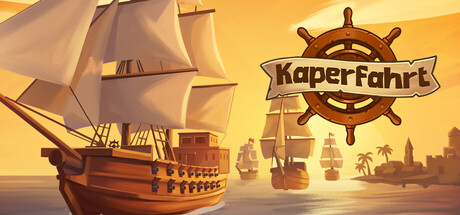
Kaperfahrt uses AI generated assets in two places. Both are placeholders and are being replaced with commissioned work.
The portrait illustrations on the wanted posters of the 23 Blacklist pirates were made with an AI image generator. They were bought as finished assets.
The soundtrack, the ambient audio and the spoken lines of the Blacklist pirates were made with Suno under a paid commercial licence.
Generative AI tools were used to create pre-generated visual assets used in the game and its marketing, including the station environment, CRT console artwork, and selected trailer, store, and event artwork.
All outputs were art-directed, edited, composited, and approved by Ruldae before inclusion.
SIGNAL does not use generative AI while the game is running. No player input or personal data is sent to an AI service, and the game contains no live-generated AI content.
Generative AI tools were used during development to assist with some pre-generated visual assets and with drafting, editing, and localization of text. All AI-assisted content was reviewed, edited, curated, and integrated by the developer before inclusion in the game. No content is generated by AI during gameplay.
The two announcer voices, BroadcASH and BOBcast, are generated with ElevenLabs from scripts we write and edit ourselves. Every line is approved, levelled and listened to by hand before it ships.
Nothing else in the game is AI generated. The card art is emoji placeholder today, and is being replaced with original illustrations commissioned from human artists. The music is composed in-house by our own procedural scripts, and every track has a written provenance log. The rules, the design and the natural history research are ours.
Some marketing and store copy is drafted with AI assistance and edited before use.
The Last Color was created with the assistance of AI-powered software in several areas of production, including technical development, early-stage ideation, visual experimentation, and selected artwork. These tools were used only as part of the development process. All content available to players is pre-made, and no artificial intelligence is used to create or modify content while the game is running.
Tiny Knight and the Corrupted Crystal uses AI-generated music. All background music tracks were created with Suno, then edited, and mixed by the developer before being placed in the game.
Some of the pre-rendered 2D art shipped with the game (era intermission illustrations, panel icons, campaign cover images and the Economic Association hall with economist portraits) was produced with generative image tools (fal.ai, Krea) from prompts authored by the developer, then post-processed by hand and by scripts in tools/. No generative AI is used at runtime. The game's simulation code, UI, isometric city renderer, world map (built from Natural Earth data) and all text, including the three interface languages, are authored by the developer.
Cigar Tycoon includes pre-generated AI-assisted content created during development, including some promotional artwork, store capsule and library artwork, and a small amount of magazine-style written content. The developer reviewed and edited this content before release. The game does not generate new content with AI during gameplay, does not connect to an external AI service, and does not send player data to an AI service.
Generative AI was used to create the game's artwork, audio, localization, and promotional materials. All AI-generated content was personally reviewed, selected, directed, and refined by the developer before being included in the game. No generative AI is used during gameplay.
Some visual assets, marketing materials, and/or text drafts may have been created or assisted with generative AI tools. All AI-assisted content is reviewed and edited by the developer before being included in the game or store page.
Some of the visual artwork in Coilbound — including character and card illustrations, environment art, and store assets — was created with the assistance of generative AI image tools during development. All generated content was reviewed, edited, and curated by the developer. Coilbound does not use any AI-generated content in real time during gameplay.
Generative AI tools were used during development to assist with selected pre-generated 3D assets, translations into additional languages, and marketing artwork. Polish and English source texts were written by the developer. All AI-assisted content was reviewed, edited, and integrated by the developer. The game does not generate AI content during gameplay.
Some of the artwork in FAVOR — including character board illustrations, card art and cover art — was created with the help of generative AI image tools, then curated, edited and assembled by our team for the printed 1st Edition of the game and this digital adaptation. No content is generated live during gameplay: every card, board and illustration is a fixed, pre-made asset that ships with the game.
Some pre-generated visual assets were created with the assistance of generative AI tools during development, including selected skill icons, weapon icons, concept references and promotional art references. All final assets included in the game were reviewed, curated, edited where needed, and integrated by the development team to match the game’s art direction. The game does not use live-generated AI during gameplay.
As a solo developer, I used AI-assisted tools to support development, including implementation and some audio-related work. All final content was reviewed and edited by me. Character sprite art is hand-drawn, and the game does not use generative AI while running.
In the interest of transparency, illustrations were created with the help of AI-assisted tools, used as creative support within a human-led artistic process.
PER MY LAST EMAIL contains pre-generated AI content. Its music is created with generative audio tools; its sound effects are CC0 recordings, not generated. Its narrative text is human-AI co-written and human-edited under the author's direction; the game design is the author's. Its store artwork uses AI-generated background plates, composed and finished programmatically; the game's own user-interface elements are drawn in code and contain no AI-generated images. No AI content is generated at runtime, and the game contains no AI-generated depictions of real people.
I used Ai to help convert in-game artwork assets into the icons for steam and desktop icons. All artwork was done in aesprite, based off of drawings done by my young brother.
I also used Ai to upscale assets for the steam page banners.
Some sound effects and decorative artwork in this game were created using generative AI tools. The game's design, mechanics, level structure, and written content were created by the developer. AI-generated content is limited to supporting assets only.
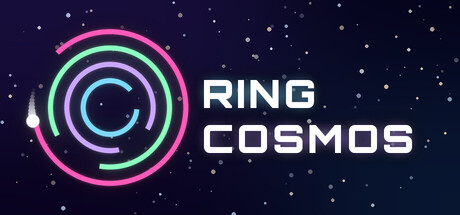
Ring Cosmos was developed by a solo developer with AI assistance during programming. The store page capsule images were also produced with AI assistance, generated programmatically through custom drawing code rather than image generation models. All game visuals are drawn in real time by the game's own rendering code. The soundtrack is licensed human-made music by JDSherbert. No AI content is generated while you play.
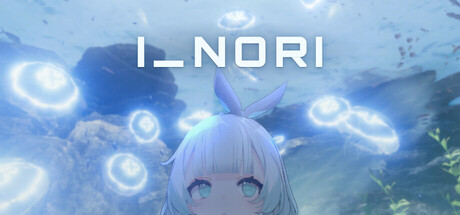
The game uses an AI system developed in-house, allowing Nori to understand and respond to what you say in real time, while remembering the conversations you’ve shared. Generative AI is used exclusively for Nori’s dialogue, voice, and interactive responses.
All artwork, models, music, and narrative text in the game are created by human artists and writers. The game contains no AI-generated artwork.
We use generative AI tools during the pre-production phase to create specific pre-rendered assets for the final game build. Specifically, AI assistance was utilized to generate elements of the instrumental soundtrack, ambient sound effects, and select minor environment/prop assets within the game world. No AI content is generated live or dynamically during gameplay, and all assets have been thoroughly reviewed to ensure they do not infringe on existing copyrights.
This game was developed with the assistance of AI tools. Some visual and audio assets were created using generative AI tools, then reviewed, selected, and refined by the developer. Portions of the game's code were written with the assistance of AI coding tools under the developer's direction and review. Game design, systems, balance, and all final decisions are the developer's own. No AI content is generated live within the game.
I am a solo indie developer and programmer. Some of the 2D graphics in the game and its store materials were created with the assistance of generative AI, then reviewed, edited, and integrated by me. No generative AI is used during gameplay.
Some of the music in this game was created using generative AI tools. All other content — art, animation, writing and design — is made without generative AI.
AI was used to generate code, art prototypes which were then handcrafted in Aseprite, CSS for UIs, and tedious copy stuffed in nooks and crannies to fill out the world.
During development, as a solo developer, Claude Code was especially helpful for debugging, development and testing. There is no LLM usage within Frontier Protocol and no external connection is required to play Frontier Protocol.
Some visual assets used in the game were edited with the assistance of AI-based tools and subsequently refined and integrated into the project by the developer.
Portions of this game's content were created with generative AI assistance under human direction and review: in-game text (social feed posts, event copy), localization into 8 languages, and marketing materials including the trailer. All AI-assisted content was reviewed by the developer. The game does not generate AI content at runtime.
Generative AI tools were used during development to assist with the creation of selected pre-generated assets, including visual artwork, character assets, music, and sound effects. These tools were used as part of the development workflow, while the game's design, direction, gameplay systems, implementation, level design, and final integration were created and curated by the developer. No generative AI is used to create new content during gameplay.
Pre-generated AI-assisted content is used in some 2D artwork, including unit sprites, character portraits, card illustrations, battlefield backgrounds, visual effects, UI decorative elements, and store and marketing artwork. AI assistance was also used for portions of in-game text and English/Japanese localization. All such content is generated before release and curated and edited by the developer. The game does not generate content during gameplay and does not connect to a generative AI service at runtime.
Generative AI tools were used during development to assist with debugging code, audio production, and the creation of some item and UI illustrations. AI-generated or AI-assisted content was reviewed and edited by the development team before being included in the final game.
As a solo project, Vibin & Survivin leverages AI assistance for asset design, audio generation, and coding support. This allowed me to punch above my weight class as a single developer and focus on crafting tight, responsive action-roguelike gameplay!
All pixel artwork is hand-made by a human artist (Dani Maccari, licensed and credited). Sound effects are procedurally synthesized from hand-authored code and Suno AI. AI tools were used during development as a programming assistant and to help draft and edit some in-game and store text, all of which was human-directed, reviewed, and curated. No generative AI runs at runtime, and no AI-generated imagery ships with the game.
Generative AI was used during development to assist with some pre-generated visual artwork. The development team reviewed and curated the AI-assisted artwork before including it in the game. No generative AI content is created during gameplay, and no player data or input is sent to an AI service.
Kaperfahrt uses AI generated assets in two places. Both are placeholders and are being replaced with commissioned work.
The portrait illustrations on the wanted posters of the 23 Blacklist pirates were made with an AI image generator. They were bought as finished assets.
The soundtrack, the ambient audio and the spoken lines of the Blacklist pirates were made with Suno under a paid commercial licence.
Generative AI tools were used to create pre-generated visual assets used in the game and its marketing, including the station environment, CRT console artwork, and selected trailer, store, and event artwork.
All outputs were art-directed, edited, composited, and approved by Ruldae before inclusion.
SIGNAL does not use generative AI while the game is running. No player input or personal data is sent to an AI service, and the game contains no live-generated AI content.
Generative AI tools were used during development to assist with some pre-generated visual assets and with drafting, editing, and localization of text. All AI-assisted content was reviewed, edited, curated, and integrated by the developer before inclusion in the game. No content is generated by AI during gameplay.
The two announcer voices, BroadcASH and BOBcast, are generated with ElevenLabs from scripts we write and edit ourselves. Every line is approved, levelled and listened to by hand before it ships.
Nothing else in the game is AI generated. The card art is emoji placeholder today, and is being replaced with original illustrations commissioned from human artists. The music is composed in-house by our own procedural scripts, and every track has a written provenance log. The rules, the design and the natural history research are ours.
Some marketing and store copy is drafted with AI assistance and edited before use.
The Last Color was created with the assistance of AI-powered software in several areas of production, including technical development, early-stage ideation, visual experimentation, and selected artwork. These tools were used only as part of the development process. All content available to players is pre-made, and no artificial intelligence is used to create or modify content while the game is running.
Tiny Knight and the Corrupted Crystal uses AI-generated music. All background music tracks were created with Suno, then edited, and mixed by the developer before being placed in the game.
Some of the pre-rendered 2D art shipped with the game (era intermission illustrations, panel icons, campaign cover images and the Economic Association hall with economist portraits) was produced with generative image tools (fal.ai, Krea) from prompts authored by the developer, then post-processed by hand and by scripts in tools/. No generative AI is used at runtime. The game's simulation code, UI, isometric city renderer, world map (built from Natural Earth data) and all text, including the three interface languages, are authored by the developer.
Cigar Tycoon includes pre-generated AI-assisted content created during development, including some promotional artwork, store capsule and library artwork, and a small amount of magazine-style written content. The developer reviewed and edited this content before release. The game does not generate new content with AI during gameplay, does not connect to an external AI service, and does not send player data to an AI service.
Generative AI was used to create the game's artwork, audio, localization, and promotional materials. All AI-generated content was personally reviewed, selected, directed, and refined by the developer before being included in the game. No generative AI is used during gameplay.
Some visual assets, marketing materials, and/or text drafts may have been created or assisted with generative AI tools. All AI-assisted content is reviewed and edited by the developer before being included in the game or store page.
Some of the visual artwork in Coilbound — including character and card illustrations, environment art, and store assets — was created with the assistance of generative AI image tools during development. All generated content was reviewed, edited, and curated by the developer. Coilbound does not use any AI-generated content in real time during gameplay.
Generative AI tools were used during development to assist with selected pre-generated 3D assets, translations into additional languages, and marketing artwork. Polish and English source texts were written by the developer. All AI-assisted content was reviewed, edited, and integrated by the developer. The game does not generate AI content during gameplay.
Some of the artwork in FAVOR — including character board illustrations, card art and cover art — was created with the help of generative AI image tools, then curated, edited and assembled by our team for the printed 1st Edition of the game and this digital adaptation. No content is generated live during gameplay: every card, board and illustration is a fixed, pre-made asset that ships with the game.
Some pre-generated visual assets were created with the assistance of generative AI tools during development, including selected skill icons, weapon icons, concept references and promotional art references. All final assets included in the game were reviewed, curated, edited where needed, and integrated by the development team to match the game’s art direction. The game does not use live-generated AI during gameplay.
As a solo developer, I used AI-assisted tools to support development, including implementation and some audio-related work. All final content was reviewed and edited by me. Character sprite art is hand-drawn, and the game does not use generative AI while running.
In the interest of transparency, illustrations were created with the help of AI-assisted tools, used as creative support within a human-led artistic process.
PER MY LAST EMAIL contains pre-generated AI content. Its music is created with generative audio tools; its sound effects are CC0 recordings, not generated. Its narrative text is human-AI co-written and human-edited under the author's direction; the game design is the author's. Its store artwork uses AI-generated background plates, composed and finished programmatically; the game's own user-interface elements are drawn in code and contain no AI-generated images. No AI content is generated at runtime, and the game contains no AI-generated depictions of real people.
I used Ai to help convert in-game artwork assets into the icons for steam and desktop icons. All artwork was done in aesprite, based off of drawings done by my young brother.
I also used Ai to upscale assets for the steam page banners.
Some sound effects and decorative artwork in this game were created using generative AI tools. The game's design, mechanics, level structure, and written content were created by the developer. AI-generated content is limited to supporting assets only.
Ring Cosmos was developed by a solo developer with AI assistance during programming. The store page capsule images were also produced with AI assistance, generated programmatically through custom drawing code rather than image generation models. All game visuals are drawn in real time by the game's own rendering code. The soundtrack is licensed human-made music by JDSherbert. No AI content is generated while you play.
The game uses an AI system developed in-house, allowing Nori to understand and respond to what you say in real time, while remembering the conversations you’ve shared. Generative AI is used exclusively for Nori’s dialogue, voice, and interactive responses.
All artwork, models, music, and narrative text in the game are created by human artists and writers. The game contains no AI-generated artwork.
We use generative AI tools during the pre-production phase to create specific pre-rendered assets for the final game build. Specifically, AI assistance was utilized to generate elements of the instrumental soundtrack, ambient sound effects, and select minor environment/prop assets within the game world. No AI content is generated live or dynamically during gameplay, and all assets have been thoroughly reviewed to ensure they do not infringe on existing copyrights.
This game was developed with the assistance of AI tools. Some visual and audio assets were created using generative AI tools, then reviewed, selected, and refined by the developer. Portions of the game's code were written with the assistance of AI coding tools under the developer's direction and review. Game design, systems, balance, and all final decisions are the developer's own. No AI content is generated live within the game.
I am a solo indie developer and programmer. Some of the 2D graphics in the game and its store materials were created with the assistance of generative AI, then reviewed, edited, and integrated by me. No generative AI is used during gameplay.
Some of the music in this game was created using generative AI tools. All other content — art, animation, writing and design — is made without generative AI.
AI was used to generate code, art prototypes which were then handcrafted in Aseprite, CSS for UIs, and tedious copy stuffed in nooks and crannies to fill out the world.
During development, as a solo developer, Claude Code was especially helpful for debugging, development and testing. There is no LLM usage within Frontier Protocol and no external connection is required to play Frontier Protocol.
Some visual assets used in the game were edited with the assistance of AI-based tools and subsequently refined and integrated into the project by the developer.
Portions of this game's content were created with generative AI assistance under human direction and review: in-game text (social feed posts, event copy), localization into 8 languages, and marketing materials including the trailer. All AI-assisted content was reviewed by the developer. The game does not generate AI content at runtime.