Public Steam disclosure research25,376 disclosures tracked
Where do games disclose AI use?
Search developers’ Steam disclosures, compare classified AI use across
games, and follow recorded changes.
This index adds cross-game classifications and statistics to
statements published on individual store pages.
Groups reflect automatic analysis of public disclosures; mature records are excluded. These counts do not measure AI use across all of Steam.
Missing or unclear statements cannot establish whether a game uses AI.
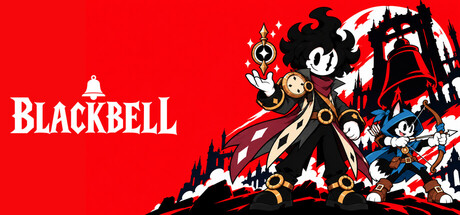
Generative AI tools were used extensively during the development of BLACKBELL, including for artwork, writing, audio, code, and production support. All AI-generated content included in the shipped game is pre-generated, selected, edited, and integrated by the developer. The developer is responsible for the game's creative direction, design, curation, quality control, and final implementation.
Generative AI tools were used to assist with the creation and refinement of some pre-generated sound effects, 3D assets, 2D images, voice lines, and localization. All AI-assisted content was reviewed, edited, and integrated by the developer. The game does not use generative AI to create content during gameplay.
Much of the artwork in Convoy Inc. was created with the help of AI image tools, including job and event scenes, driver portraits, truck and city illustrations, map decorations and parts of the interface art. Every image was selected, edited and composited by the developer to fit the game's vintage atlas style.
The illustrated story scenes and the music in the trailer were also created with AI-assisted tools.
The game's design, code, systems, map data and all written text were created by the developer. The game does not generate any AI content while it runs.
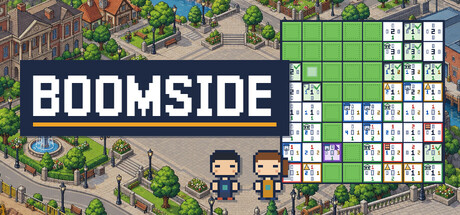
Boomside's background artwork, including the title-screen city and the district backgrounds, was created with the help of generative AI image tools. The developer then selected, edited and integrated it into the game. The game does not use AI to generate any content while you play.
Character animations are generated with an AI motion model (Kimodo) and then cleaned up and retargeted by our team. Character voice-overs are created with AI text-to-speech and directed and edited by our team. All 3D models, buildings, textures and writing are made by us. No AI content is generated live during gameplay.
This game uses AI as a writing assistant during development. The story, characters, world, game systems, and overall creative direction are original work by the developer, drawn from personal experience and extensive planning. AI was used to help draft, translate, edit, and refine dialogue based on the developer's outlines, ideas, and direction, with the developer reviewing, revising, and making final creative decisions on all text that appears in the game. AI was not used to generate any art, music, or audio assets.
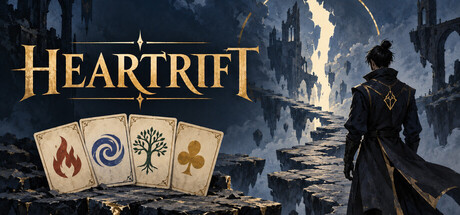
Generative AI was used during development to create artwork, UI and promotional assets, as well as audio content, including character voices. AI tools also assisted with writing and refining the game’s code. All AI-generated content is pre-generated; HEARTRIFT does not generate content or code with AI during gameplay or connect to an external AI service.
This game uses generative AI in the creation of some visual elements, including character illustrations and backgrounds; all results were reviewed and retouched by hand. Voice audio is based on dubbing and recordings by real people, which were then converted or refined using generative AI.
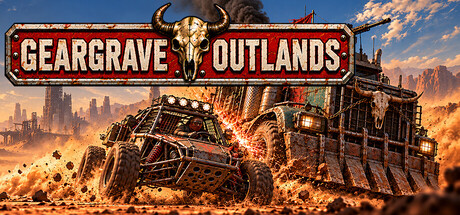
All artwork, music, and sound effects in Geargrave Outlands were created with generative AI tools (images: OpenAI image models; music: Suno; sound effects: ElevenLabs) and then selected, edited, and integrated by the developer. Story text was written with AI assistance and edited by the developer. All translations were produced with AI assistance. All of this content is pre-generated and ships as fixed files. The game does not generate any content with AI while you play.
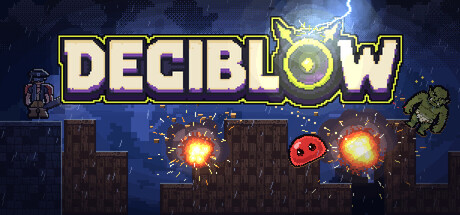
DECIBLOW utilized generative AI for a few small things like localization & partial involvement in some of the music to speed up production (heavy human involvement at a DAW level).
AI-GENERATED CONTENT
Parts of this game were created with generative AI tools during development. Character art, backgrounds and icons were generated with image models and then edited, composited and corrected by hand. The voice acting in Portuguese and English was produced with AI voice synthesis. Some sound effects and cutscene music were generated with AI audio tools. Much of the source code was written with the assistance of an AI coding tool, reviewed and tested by the developer.
All of this content was generated before release and ships as fixed audio and image files. Game design, economy, balancing, story and script are the developer's own work, as is the procedurally synthesized music and sound of the minigames, which uses no AI model.
Ransom Wave uses generative AI during gameplay.
The game uses AI models to generate fictional victim dialogue, spoken voice responses, selected narrative text, and limited in-game guidance in real time. These outputs react to the player's typed input or optional microphone input and can vary between playthroughs.
The game's setting, characters, gameplay rules, scenario structure, safety constraints, and core narrative direction are created and controlled by the development team. AI-generated outputs are constrained by developer-authored character profiles, gameplay states, and content rules. Player microphone audio may be transcribed only to enable the current voice conversation. The game provides a text-input alternative when the microphone is disabled.
Some in-game text (event and dilemma card writing, UI copy) and the store description were drafted with AI assistance and then reviewed and edited by the developer. The game's non-English translations (French, Italian, German, Spanish, Portuguese-Brazil, Polish, Ukrainian, Japanese) were AI-translated drafts and are being reviewed. No AI generates content while the game is running, and the game makes no network calls to AI services. The logo/key art was created with AI image tools and edited by the developer
Tirona's development used AI tools for much of its 2D artwork (character portraits, card and scene illustrations, quest illustrations), some 3D models, the music (ElevenLabs) and the character voice performers' reference voices. All of it was selected, edited and placed by the developer, and ships as fixed game content.
While you play, a third-party large language model writes the narration and the dialogue of non-player characters in response to what you type or say. Character voices are synthesised locally on your PC from the generated text. You can optionally generate a portrait for your character from your creation choices.
The AI never decides the rules: dice, hit points, gold, items, experience, spells and quest progress change only through the game's own systems. Romance is opt-in, and anything sexual fades to black.
This game was made by one developer working with an AI coding assistant.
No image, audio or video generators were used — there are no model-generated assets in the files. Every sprite is drawn by the game's own art generator, and all music and sound effects are synthesised at runtime from square, triangle and noise waves. However, the code that draws and synthesises them was written with the AI assistant, as was much of the in-game text and the English localisation. All of it was directed, reviewed and revised by the developer.
No AI runs while you play, and the game never connects to an external service.
AI tools were used to create artwork and assist with coding. The game's writing and planning were created by the developer. No generative AI runs during gameplay.
A few in-game images were generated with an AI image tool and edited by the developer. The game's translations were drafted with AI tools and reviewed by the developer. All other art, sound and design were made by the developer.
Generative AI was used in the creation of images and music in the game. This content was generated and edited during development. No content is generated by AI during gameplay.
Pre-generated AI tools were used during development to assist with the creation and refinement of selected visual assets, localization text, and marketing materials. All AI-assisted content was reviewed, edited, and integrated by the developer before inclusion in the game or store materials. The game does not generate AI content in real time during gameplay.
Generative AI tools were used during development to assist with some UI artwork. The game does not generate new content using generative AI during gameplay.
Generative AI supported the creation of parts of the artwork, sound effects and particular translations, all of which were carefully selected and refined by the developers. No AI content is generated during play.
Generative AI tools were used during development to assist with the creation of some visual assets, text, audio, localization, and code. All AI-assisted content included in the game was reviewed and curated by the developer. No generative AI is used during gameplay.
Some character portraits in this game were created with the assistance of generative AI during development. All AI-assisted images were reviewed, edited, and approved by the development team before being included. The game contains no live generation features, and no AI content is generated dynamically during gameplay.
Pre-generated game artwork, including character, background, card, and interface art, was created with generative AI and edited for the game. Generative AI was also used for Steam store and library artwork, the logo, and icons. Gameplay screenshots were captured directly from the game. No AI content is generated during gameplay.
Some pre-made assets were created with the help of generative AI tools and then selected and edited by the developers: power-up card illustrations, achievement icons, store and key art, and some 3D chess piece models for cosmetic sets. The game does not generate any AI content while you play.
Some visual assets were generated using an in-house image model under our artist’s art direction (trained on open-licensed and proprietary data). Some UI elements were also created or refined using AI-assisted UI tools. We review, select, and edit assets before integrating them into the game.
Some music was created using AI-assisted music tools under our creative direction. We review, select, and edit the outputs before integrating them into the game.
Some assets and promotional materials for No Map Home were created with help from generative AI tools. I personally reviewed, refined, and integrated all AI-generated content to make sure it fits the game’s visual style and my creative vision for it.
Pre-generated AI was used to create some promotional artwork for the Steam store page. All such assets are reviewed and selected by the developer before publication. The game does not use live-generated AI content during gameplay.
Some in-game text, the translations into seven languages and parts of the artwork and store material were created with the help of generative AI tools, then reviewed and edited by the developer. The game does not use AI to generate any content while you play and does not connect to any AI service.
Some in-game visual assets were created with the assistance of generative AI. All AI-assisted content is pre-generated and included in the shipped game; no content is generated during gameplay.
This game uses generative AI tools to assist in creating some content: pixel-art visuals (character, enemy, and card artwork, icons, and backgrounds) via PixelLab, and sound effects via ElevenLabs. All AI-assisted content was reviewed and curated by the developer before being included in the game.
Generative AI tools were used during the development of Loth to create certain game assets. These AI-generated assets were reviewed, edited, and integrated into the game by the developer. No generative AI is used to create content in real time during gameplay.
Generative AI was used to create and edit pre-generated in-game backgrounds, character illustrations, CG artwork, icons, and UI artwork, as well as Steam store and library capsule images, the logo, and icons. Gameplay screenshots were captured directly from the game. The game does not generate AI content during play.
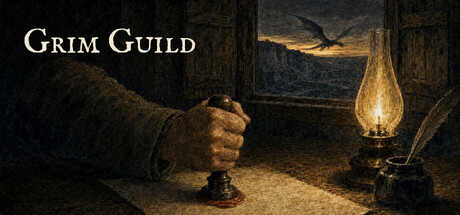
The scenes, portraits and item pictures in this game, and the store art, were made with AI image-generation tools under the developer's direction. The paper and dark of the screens and the guild's red seal come from public-domain prints of the 15th to 17th centuries. Most of the written text, including the Japanese translation, was drafted with an AI model under the developer's direction and revised by hand. Music and sound effects were synthesised procedurally without AI. Nothing is generated by AI while you play.
This game uses generative AI in the production and development process. All AI-assisted art is reviewed and curated by the development team before being included in the game.
This game was made with the help of AI tools. Parts of the in-game text, the store page artwork and text, and the trailer (including its music) were created with AI assistance and reviewed by the developer. No content is generated by AI while you play.
This game uses generative AI tools during development to assist with the following content: text translation, sound effects, and background artwork assets
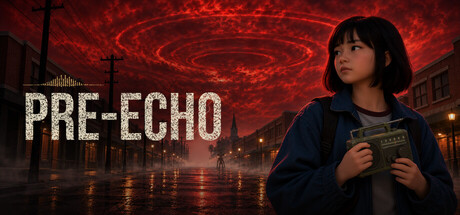
Some content in PRE-ECHO was created with the help of generative AI tools during development and was then integrated, adjusted and art-directed by the developer:
- 3D models: the character and creature models, and many prop and vehicle models, were generated with Tripo from original reference images made for this project, then rigged, adjusted and textured in Blender and Unreal Engine.
- 2D art: some textures and interface images (such as the main-menu background, the workshop investigation board, journal and map paper, and inventory icons) were generated with image-generation tools from original prompts.
- Voices: all spoken lines are synthesized with the open-source Kokoro text-to-speech model using generic voices. No real person's voice was recorded or cloned.
- Text: the script, in-game text and English/Spanish localization were written with an AI assistant under the developer's direction.
- Store art: the store and library artwork was generated with AI image tools from the project's own character and creature references, then retouched by the developer. The logo was made without AI. The screenshots are unedited captures of the game.
No content is generated by AI while the game is running.
Generative AI tools were used extensively during the development of BLACKBELL, including for artwork, writing, audio, code, and production support. All AI-generated content included in the shipped game is pre-generated, selected, edited, and integrated by the developer. The developer is responsible for the game's creative direction, design, curation, quality control, and final implementation.
Generative AI tools were used to assist with the creation and refinement of some pre-generated sound effects, 3D assets, 2D images, voice lines, and localization. All AI-assisted content was reviewed, edited, and integrated by the developer. The game does not use generative AI to create content during gameplay.
Much of the artwork in Convoy Inc. was created with the help of AI image tools, including job and event scenes, driver portraits, truck and city illustrations, map decorations and parts of the interface art. Every image was selected, edited and composited by the developer to fit the game's vintage atlas style.
The illustrated story scenes and the music in the trailer were also created with AI-assisted tools.
The game's design, code, systems, map data and all written text were created by the developer. The game does not generate any AI content while it runs.
Boomside's background artwork, including the title-screen city and the district backgrounds, was created with the help of generative AI image tools. The developer then selected, edited and integrated it into the game. The game does not use AI to generate any content while you play.
Character animations are generated with an AI motion model (Kimodo) and then cleaned up and retargeted by our team. Character voice-overs are created with AI text-to-speech and directed and edited by our team. All 3D models, buildings, textures and writing are made by us. No AI content is generated live during gameplay.
This game uses AI as a writing assistant during development. The story, characters, world, game systems, and overall creative direction are original work by the developer, drawn from personal experience and extensive planning. AI was used to help draft, translate, edit, and refine dialogue based on the developer's outlines, ideas, and direction, with the developer reviewing, revising, and making final creative decisions on all text that appears in the game. AI was not used to generate any art, music, or audio assets.
Generative AI was used during development to create artwork, UI and promotional assets, as well as audio content, including character voices. AI tools also assisted with writing and refining the game’s code. All AI-generated content is pre-generated; HEARTRIFT does not generate content or code with AI during gameplay or connect to an external AI service.
This game uses generative AI in the creation of some visual elements, including character illustrations and backgrounds; all results were reviewed and retouched by hand. Voice audio is based on dubbing and recordings by real people, which were then converted or refined using generative AI.
All artwork, music, and sound effects in Geargrave Outlands were created with generative AI tools (images: OpenAI image models; music: Suno; sound effects: ElevenLabs) and then selected, edited, and integrated by the developer. Story text was written with AI assistance and edited by the developer. All translations were produced with AI assistance. All of this content is pre-generated and ships as fixed files. The game does not generate any content with AI while you play.
DECIBLOW utilized generative AI for a few small things like localization & partial involvement in some of the music to speed up production (heavy human involvement at a DAW level).
AI-GENERATED CONTENT
Parts of this game were created with generative AI tools during development. Character art, backgrounds and icons were generated with image models and then edited, composited and corrected by hand. The voice acting in Portuguese and English was produced with AI voice synthesis. Some sound effects and cutscene music were generated with AI audio tools. Much of the source code was written with the assistance of an AI coding tool, reviewed and tested by the developer.
All of this content was generated before release and ships as fixed audio and image files. Game design, economy, balancing, story and script are the developer's own work, as is the procedurally synthesized music and sound of the minigames, which uses no AI model.
Ransom Wave uses generative AI during gameplay.
The game uses AI models to generate fictional victim dialogue, spoken voice responses, selected narrative text, and limited in-game guidance in real time. These outputs react to the player's typed input or optional microphone input and can vary between playthroughs.
The game's setting, characters, gameplay rules, scenario structure, safety constraints, and core narrative direction are created and controlled by the development team. AI-generated outputs are constrained by developer-authored character profiles, gameplay states, and content rules. Player microphone audio may be transcribed only to enable the current voice conversation. The game provides a text-input alternative when the microphone is disabled.
Some in-game text (event and dilemma card writing, UI copy) and the store description were drafted with AI assistance and then reviewed and edited by the developer. The game's non-English translations (French, Italian, German, Spanish, Portuguese-Brazil, Polish, Ukrainian, Japanese) were AI-translated drafts and are being reviewed. No AI generates content while the game is running, and the game makes no network calls to AI services. The logo/key art was created with AI image tools and edited by the developer
Tirona's development used AI tools for much of its 2D artwork (character portraits, card and scene illustrations, quest illustrations), some 3D models, the music (ElevenLabs) and the character voice performers' reference voices. All of it was selected, edited and placed by the developer, and ships as fixed game content.
While you play, a third-party large language model writes the narration and the dialogue of non-player characters in response to what you type or say. Character voices are synthesised locally on your PC from the generated text. You can optionally generate a portrait for your character from your creation choices.
The AI never decides the rules: dice, hit points, gold, items, experience, spells and quest progress change only through the game's own systems. Romance is opt-in, and anything sexual fades to black.
This game was made by one developer working with an AI coding assistant.
No image, audio or video generators were used — there are no model-generated assets in the files. Every sprite is drawn by the game's own art generator, and all music and sound effects are synthesised at runtime from square, triangle and noise waves. However, the code that draws and synthesises them was written with the AI assistant, as was much of the in-game text and the English localisation. All of it was directed, reviewed and revised by the developer.
No AI runs while you play, and the game never connects to an external service.
AI tools were used to create artwork and assist with coding. The game's writing and planning were created by the developer. No generative AI runs during gameplay.
A few in-game images were generated with an AI image tool and edited by the developer. The game's translations were drafted with AI tools and reviewed by the developer. All other art, sound and design were made by the developer.
Generative AI was used in the creation of images and music in the game. This content was generated and edited during development. No content is generated by AI during gameplay.
Pre-generated AI tools were used during development to assist with the creation and refinement of selected visual assets, localization text, and marketing materials. All AI-assisted content was reviewed, edited, and integrated by the developer before inclusion in the game or store materials. The game does not generate AI content in real time during gameplay.
Generative AI tools were used during development to assist with some UI artwork. The game does not generate new content using generative AI during gameplay.
Generative AI supported the creation of parts of the artwork, sound effects and particular translations, all of which were carefully selected and refined by the developers. No AI content is generated during play.
Generative AI tools were used during development to assist with the creation of some visual assets, text, audio, localization, and code. All AI-assisted content included in the game was reviewed and curated by the developer. No generative AI is used during gameplay.
Some character portraits in this game were created with the assistance of generative AI during development. All AI-assisted images were reviewed, edited, and approved by the development team before being included. The game contains no live generation features, and no AI content is generated dynamically during gameplay.
Pre-generated game artwork, including character, background, card, and interface art, was created with generative AI and edited for the game. Generative AI was also used for Steam store and library artwork, the logo, and icons. Gameplay screenshots were captured directly from the game. No AI content is generated during gameplay.
Some pre-made assets were created with the help of generative AI tools and then selected and edited by the developers: power-up card illustrations, achievement icons, store and key art, and some 3D chess piece models for cosmetic sets. The game does not generate any AI content while you play.
Some visual assets were generated using an in-house image model under our artist’s art direction (trained on open-licensed and proprietary data). Some UI elements were also created or refined using AI-assisted UI tools. We review, select, and edit assets before integrating them into the game.
Some music was created using AI-assisted music tools under our creative direction. We review, select, and edit the outputs before integrating them into the game.
Some assets and promotional materials for No Map Home were created with help from generative AI tools. I personally reviewed, refined, and integrated all AI-generated content to make sure it fits the game’s visual style and my creative vision for it.
Pre-generated AI was used to create some promotional artwork for the Steam store page. All such assets are reviewed and selected by the developer before publication. The game does not use live-generated AI content during gameplay.
Some in-game text, the translations into seven languages and parts of the artwork and store material were created with the help of generative AI tools, then reviewed and edited by the developer. The game does not use AI to generate any content while you play and does not connect to any AI service.
Some in-game visual assets were created with the assistance of generative AI. All AI-assisted content is pre-generated and included in the shipped game; no content is generated during gameplay.
This game uses generative AI tools to assist in creating some content: pixel-art visuals (character, enemy, and card artwork, icons, and backgrounds) via PixelLab, and sound effects via ElevenLabs. All AI-assisted content was reviewed and curated by the developer before being included in the game.
Generative AI tools were used during the development of Loth to create certain game assets. These AI-generated assets were reviewed, edited, and integrated into the game by the developer. No generative AI is used to create content in real time during gameplay.
Generative AI was used to create and edit pre-generated in-game backgrounds, character illustrations, CG artwork, icons, and UI artwork, as well as Steam store and library capsule images, the logo, and icons. Gameplay screenshots were captured directly from the game. The game does not generate AI content during play.
The scenes, portraits and item pictures in this game, and the store art, were made with AI image-generation tools under the developer's direction. The paper and dark of the screens and the guild's red seal come from public-domain prints of the 15th to 17th centuries. Most of the written text, including the Japanese translation, was drafted with an AI model under the developer's direction and revised by hand. Music and sound effects were synthesised procedurally without AI. Nothing is generated by AI while you play.
This game uses generative AI in the production and development process. All AI-assisted art is reviewed and curated by the development team before being included in the game.
This game was made with the help of AI tools. Parts of the in-game text, the store page artwork and text, and the trailer (including its music) were created with AI assistance and reviewed by the developer. No content is generated by AI while you play.
This game uses generative AI tools during development to assist with the following content: text translation, sound effects, and background artwork assets
Some content in PRE-ECHO was created with the help of generative AI tools during development and was then integrated, adjusted and art-directed by the developer:
- 3D models: the character and creature models, and many prop and vehicle models, were generated with Tripo from original reference images made for this project, then rigged, adjusted and textured in Blender and Unreal Engine.
- 2D art: some textures and interface images (such as the main-menu background, the workshop investigation board, journal and map paper, and inventory icons) were generated with image-generation tools from original prompts.
- Voices: all spoken lines are synthesized with the open-source Kokoro text-to-speech model using generic voices. No real person's voice was recorded or cloned.
- Text: the script, in-game text and English/Spanish localization were written with an AI assistant under the developer's direction.
- Store art: the store and library artwork was generated with AI image tools from the project's own character and creature references, then retouched by the developer. The logo was made without AI. The screenshots are unedited captures of the game.
No content is generated by AI while the game is running.