Public Steam disclosure research25,383 disclosures tracked
Where do games disclose AI use?
Search developers’ Steam disclosures, compare classified AI use across
games, and follow recorded changes.
This index adds cross-game classifications and statistics to
statements published on individual store pages.
Groups reflect automatic analysis of public disclosures; mature records are excluded. These counts do not measure AI use across all of Steam.
Missing or unclear statements cannot establish whether a game uses AI.
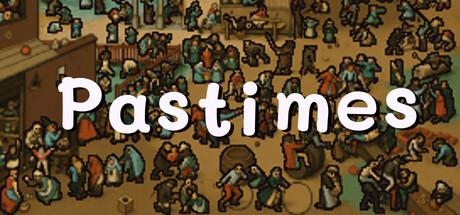
Generative AI was used during development for translations, some pixel art, and some music. AI-assisted content is human-reviewed before release. The main painting is historical public-domain art. Nothing is AI-generated during gameplay.
AI tools were used during development to assist with coding and to create internal task, references and supporting documentation. The game does not include any player-facing generative AI features.
Generative AI tools were used during development to assist with portions of the game's code, hand-drawn-style visual elements, original music and audio, written text, and some store and community marketing materials. All included material was reviewed, selected, edited, and integrated by the developer.
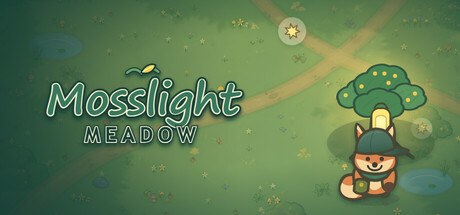
The game does not use generative AI during gameplay and does not connect to external AI services. Its randomized meadows are created through conventional procedural generation.
Some of the artwork in this game was made with AI image generators and edited by hand afterwards. This covers the two player characters, the logo, the menu icons and the curtain texture. The English interface texts were written with the help of a language model and reviewed afterwards. The German texts are written by hand.
The bundled Pack Creator uses a speech recognition model to find the spoken parts of a video you supply yourself and turn them into the lines you read out. An AI noise filter for your microphone recordings and AI-based separation of speech and background audio work the same way. All of this runs locally on your own machine and never sends data to an external service. These models only process material you provide yourself, they do not invent content of their own, and the result stays inside your own lobby.
Most of the visual assets used in the game's promotional materials and Steam Store page were created with the assistance of AI image generation tools, and were subsequently selected and refined by the developer. The game's gameplay, level design, programming, and game logic were developed by the developer with input from AI throughout the development process. The game does not use AI to generate any content during gameplay.
During development we may use procedural and AI-based tools to assist with sound effects creation. The final result is always chosen and edited by the developer.
Some raster artwork, interface and marketing artwork, sprite animation frames, and authored music were created with assistance from generative AI tools during development. All shipped output was artist-directed, reviewed, edited, and integrated specifically for Bunnyhop. No content is generated by AI while the game is running.
Some of the artwork in FAVOR — including character board illustrations, card art and cover art — was created with the help of generative AI image tools, then curated, edited and assembled by our team for the printed 1st Edition of the game and this digital adaptation. No content is generated live during gameplay: every card, board and illustration is a fixed, pre-made asset that ships with the game.
As a solo developer, I used AI-assisted tools to support development, including implementation and some audio-related work. All final content was reviewed and edited by me. Character sprite art is hand-drawn, and the game does not use generative AI while running.
Coin Cleaner is made by a solo developer with the help of AI tools. Generative AI was used during development to assist in creating some of the game's content - including artwork, music, sound effects, and code - all of which was directed, curated, and reviewed by the developer, and used with appropriate commercial licensing. All AI-assisted content is created ahead of time (pre-generated). The game does not use AI to generate any content or code during gameplay, and does not connect to any external AI service while you play.
Some music and sound in Perfectly Fair was created using AI tools (Suno AI, ElevenLabs) during development. All content is fixed in the final game; nothing is generated live during gameplay.
PUZIGO includes pre-generated AI content in the separate free Starter Pack DLC. The Starter Pack contains 40 AI-generated themed puzzle images across seven themes: abstract, animals, flowers, landscapes, painting-style, space, and steampunk.
These images were generated during development, manually reviewed, curated, and included as fixed content. PUZIGO does not use AI to generate content during gameplay.
The remaining five images in the Starter Pack are public-domain classical artworks. Images loaded through the optional Custom Image Unlock DLC are selected by the player, processed locally on the player's PC, and are not uploaded or generated by AI within PUZIGO.
Some promotional and store artwork also contains pre-generated AI-assisted visual elements.
AI was used in the initial generation of some assets, but we edited them in Photoshop to adjust proportions and remove any obvious AI Slop.
As this is primarily a management game, we focused heavily on the gameplay mechanics, ensuring the game is bug-free, fun to play, and, dare we say, addicting!
That said, we would love for the art to be more authentic and beautiful. We have an artist under contract who can replace all of the art in the game if the game sells well enough, and we will release the updated art as a patch to all users who have previously purchased the game.
Some shipped visual assets, narrative text, localization, and store or marketing artwork were created or iterated with the assistance of generative AI tools. All output was selected, edited, reviewed, integrated, and tested by the developer. The game performs no live AI generation
and sends no player input or data to an AI service.
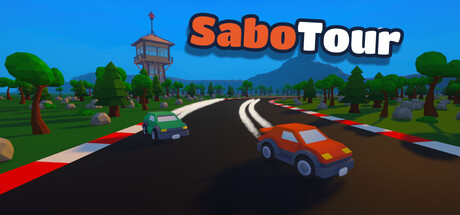
The observation tower model in SaboTour was initially created using an
AI-based 3D generation tool, then manually repaired, retopologized and
finished in Blender. No other AI-generated content is included, and the
game does not generate any content using AI while it is running.
We use AI as a coding assistant during development, and as a drafting tool to help generate candidate crossword clues from our word bank. Every single clue is reviewed and edited by a human before it ships. AI generated images were used during prototyping as early placeholders. All final visual art assets that ship with the game have been created by the developer.
We've harnessed the power of Generative AI technology to create several of our game's unique theme background artworks, enhancing your gaming experience with visually stunning designs.
During the development of this game, AI tools were used solely as a coding assistance aid — primarily to help identify and fix minor bugs, and to assist with small code corrections and improvements. AI was not used to generate any content experienced by the player, including visual assets, audio, narrative or in-game text. All artwork, sound, and written content presented to the player are original and human-created. The AI usage disclosed here is limited to development-side coding assistance and does not appear as generated content within the final player-facing experience.
Some of this game's assets were made with the assistance of generative AI tools and were reviewed, curated and hand-finished by the developer. No content is generated while you play.
Generative AI was used during development to assist with programming and the creation of certain visual, textual, and other development assets. All content included in the final game was reviewed, edited, and approved by the developer. The game does not generate AI content during gameplay.
Pre-generated AI was used to assist in the creation of promotional artwork and Steam store assets. No live-generated AI content is used during gameplay. Players do not interact with AI-generated systems while playing the game.
Pre-generated AI tools were used to create store page and marketing artwork (capsules, key art, banners, broadcast panels). No AI-generated content ships inside the game itself: all in-game visuals are built procedurally in code or come from CC0 asset kits. No live-generated AI content.
Generative AI tools were used during development to assist with portions of the source code and to create some variations of character artwork, such as facial expressions and color variations. All original character designs and base artwork were created by the developer. All AI-assisted outputs were reviewed, edited, and finalized by the developer. The application does not generate AI content while it is running.
Generative AI was used during development to create certain promotional artwork and some environmental background art. All gameplay mechanics, programming, level design, characters, animations, UI, and game systems were created and curated by the developer. The game does not use live-generated AI content during gameplay.
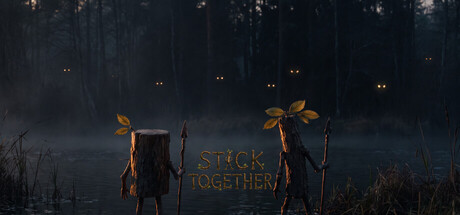
Some environment and concept art in Stick Together was created with the help of generative AI tools, then edited and approved by our team. All visuals are fixed at release, and players cannot generate their own AI content in‑game.
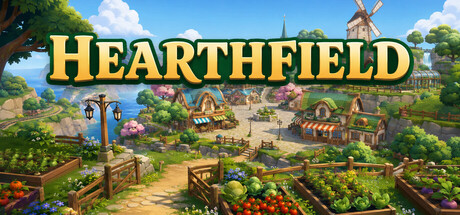
Hearthfield's world is built in code and from CC0 model packs, and everything you
see in play is made by hand. Our Steam store art, the capsules, the icons and the
logo, was created with the help of AI image tools and then finished by us. We also
use an AI coding assistant while building the game, and AI help when drafting store
text. Our screenshots are always genuine captures from the real game. Nothing in
Hearthfield is generated by AI while you play.
This game was developed with the assistance of AI tools. Some visual and audio assets were created using generative AI tools, then reviewed, selected, and refined by the developer. Portions of the game's code were written with the assistance of AI coding tools under the developer's direction and review. Game design, systems, balance, and all final decisions are the developer's own. No AI content is generated live within the game.
Pre-generated AI tools were used during development to create some 2D visual assets, including in-game sprites, the application icon, and promotional artwork used on the Steam store page. AI tools also assisted with some English and Japanese text and localization. All outputs were reviewed and, where necessary, edited by the developer before being included. The game does not generate AI content during gameplay and does not connect to external AI services.
AI was used to generate code, art prototypes which were then handcrafted in Aseprite, CSS for UIs, and tedious copy stuffed in nooks and crannies to fill out the world.
Gildoria uses AI-assisted tools in parts of its development: some UI icons were made with AI image generation, the in-game text was translated with AI translation tools. All of it was reviewed and edited by the developer. 3D art, level design, game design and codes are human-made or licensed. No content is generated by AI while the game runs.
The game's music was generated using an AI tool (Suno), then selected and mixed by me. Everything else — 3D models, textures, animations, sound effects, text and code is handmade. My goal is to replace it with original compositions from a human artist as soon as sales allow.
Some cosmetic cat skins and visual assets were created with the assistance of generative AI tools. All final assets are manually reviewed, edited, and integrated by the developer. The game does not generate AI content during gameplay.
This game uses artificial Intelligence to render some of the games artwork, such as 2D sprites and sound effects.
I've always loved the idle genre, AI has finally allowed me to create a game even with my somewhat limited artistic abilities.
Generative AI tools were used to assist in the creation of marketing artwork and store page assets. All game content is procedurally generated through Thalyn's proprietary algorithms
Yeah, I used some AI music. Big woop wanna fight about it? All other in-game assets are made by hoomans much more talented than myself.
Images on the store page are also currently AI generated placeholders. These will be replaced during Early Access with art by people.
Some of the art and audio assets in this game were created with the assistance of generative AI tools. Specifically, certain 3D models, UI icons, and background music tracks were generated using AI and then reviewed, edited, and integrated by the developer. No AI-generated content is created live during gameplay.
AI-generated content in Pin a Million:
- Music: All in-game music tracks were created using generative AI (Suno).
- Icons: The icon artwork on Peg and Perk cards was generated using AI tools.
All on-board gameplay effects, animations, and visuals are hand-coded and rendered procedurally at runtime (no AI-generated content).
Generative AI was used during development for translations, some pixel art, and some music. AI-assisted content is human-reviewed before release. The main painting is historical public-domain art. Nothing is AI-generated during gameplay.
AI tools were used during development to assist with coding and to create internal task, references and supporting documentation. The game does not include any player-facing generative AI features.
Generative AI tools were used during development to assist with portions of the game's code, hand-drawn-style visual elements, original music and audio, written text, and some store and community marketing materials. All included material was reviewed, selected, edited, and integrated by the developer.
The game does not use generative AI during gameplay and does not connect to external AI services. Its randomized meadows are created through conventional procedural generation.
Some of the artwork in this game was made with AI image generators and edited by hand afterwards. This covers the two player characters, the logo, the menu icons and the curtain texture. The English interface texts were written with the help of a language model and reviewed afterwards. The German texts are written by hand.
The bundled Pack Creator uses a speech recognition model to find the spoken parts of a video you supply yourself and turn them into the lines you read out. An AI noise filter for your microphone recordings and AI-based separation of speech and background audio work the same way. All of this runs locally on your own machine and never sends data to an external service. These models only process material you provide yourself, they do not invent content of their own, and the result stays inside your own lobby.
Most of the visual assets used in the game's promotional materials and Steam Store page were created with the assistance of AI image generation tools, and were subsequently selected and refined by the developer. The game's gameplay, level design, programming, and game logic were developed by the developer with input from AI throughout the development process. The game does not use AI to generate any content during gameplay.
During development we may use procedural and AI-based tools to assist with sound effects creation. The final result is always chosen and edited by the developer.
Some raster artwork, interface and marketing artwork, sprite animation frames, and authored music were created with assistance from generative AI tools during development. All shipped output was artist-directed, reviewed, edited, and integrated specifically for Bunnyhop. No content is generated by AI while the game is running.
Some of the artwork in FAVOR — including character board illustrations, card art and cover art — was created with the help of generative AI image tools, then curated, edited and assembled by our team for the printed 1st Edition of the game and this digital adaptation. No content is generated live during gameplay: every card, board and illustration is a fixed, pre-made asset that ships with the game.
As a solo developer, I used AI-assisted tools to support development, including implementation and some audio-related work. All final content was reviewed and edited by me. Character sprite art is hand-drawn, and the game does not use generative AI while running.
Coin Cleaner is made by a solo developer with the help of AI tools. Generative AI was used during development to assist in creating some of the game's content - including artwork, music, sound effects, and code - all of which was directed, curated, and reviewed by the developer, and used with appropriate commercial licensing. All AI-assisted content is created ahead of time (pre-generated). The game does not use AI to generate any content or code during gameplay, and does not connect to any external AI service while you play.
Some music and sound in Perfectly Fair was created using AI tools (Suno AI, ElevenLabs) during development. All content is fixed in the final game; nothing is generated live during gameplay.
PUZIGO includes pre-generated AI content in the separate free Starter Pack DLC. The Starter Pack contains 40 AI-generated themed puzzle images across seven themes: abstract, animals, flowers, landscapes, painting-style, space, and steampunk.
These images were generated during development, manually reviewed, curated, and included as fixed content. PUZIGO does not use AI to generate content during gameplay.
The remaining five images in the Starter Pack are public-domain classical artworks. Images loaded through the optional Custom Image Unlock DLC are selected by the player, processed locally on the player's PC, and are not uploaded or generated by AI within PUZIGO.
Some promotional and store artwork also contains pre-generated AI-assisted visual elements.
AI was used in the initial generation of some assets, but we edited them in Photoshop to adjust proportions and remove any obvious AI Slop.
As this is primarily a management game, we focused heavily on the gameplay mechanics, ensuring the game is bug-free, fun to play, and, dare we say, addicting!
That said, we would love for the art to be more authentic and beautiful. We have an artist under contract who can replace all of the art in the game if the game sells well enough, and we will release the updated art as a patch to all users who have previously purchased the game.
Some shipped visual assets, narrative text, localization, and store or marketing artwork were created or iterated with the assistance of generative AI tools. All output was selected, edited, reviewed, integrated, and tested by the developer. The game performs no live AI generation
and sends no player input or data to an AI service.
The observation tower model in SaboTour was initially created using an
AI-based 3D generation tool, then manually repaired, retopologized and
finished in Blender. No other AI-generated content is included, and the
game does not generate any content using AI while it is running.
We use AI as a coding assistant during development, and as a drafting tool to help generate candidate crossword clues from our word bank. Every single clue is reviewed and edited by a human before it ships. AI generated images were used during prototyping as early placeholders. All final visual art assets that ship with the game have been created by the developer.
We've harnessed the power of Generative AI technology to create several of our game's unique theme background artworks, enhancing your gaming experience with visually stunning designs.
During the development of this game, AI tools were used solely as a coding assistance aid — primarily to help identify and fix minor bugs, and to assist with small code corrections and improvements. AI was not used to generate any content experienced by the player, including visual assets, audio, narrative or in-game text. All artwork, sound, and written content presented to the player are original and human-created. The AI usage disclosed here is limited to development-side coding assistance and does not appear as generated content within the final player-facing experience.
Some of this game's assets were made with the assistance of generative AI tools and were reviewed, curated and hand-finished by the developer. No content is generated while you play.
Generative AI was used during development to assist with programming and the creation of certain visual, textual, and other development assets. All content included in the final game was reviewed, edited, and approved by the developer. The game does not generate AI content during gameplay.
Pre-generated AI was used to assist in the creation of promotional artwork and Steam store assets. No live-generated AI content is used during gameplay. Players do not interact with AI-generated systems while playing the game.
Pre-generated AI tools were used to create store page and marketing artwork (capsules, key art, banners, broadcast panels). No AI-generated content ships inside the game itself: all in-game visuals are built procedurally in code or come from CC0 asset kits. No live-generated AI content.
Generative AI tools were used during development to assist with portions of the source code and to create some variations of character artwork, such as facial expressions and color variations. All original character designs and base artwork were created by the developer. All AI-assisted outputs were reviewed, edited, and finalized by the developer. The application does not generate AI content while it is running.
Generative AI was used during development to create certain promotional artwork and some environmental background art. All gameplay mechanics, programming, level design, characters, animations, UI, and game systems were created and curated by the developer. The game does not use live-generated AI content during gameplay.
Some environment and concept art in Stick Together was created with the help of generative AI tools, then edited and approved by our team. All visuals are fixed at release, and players cannot generate their own AI content in‑game.
Hearthfield's world is built in code and from CC0 model packs, and everything you
see in play is made by hand. Our Steam store art, the capsules, the icons and the
logo, was created with the help of AI image tools and then finished by us. We also
use an AI coding assistant while building the game, and AI help when drafting store
text. Our screenshots are always genuine captures from the real game. Nothing in
Hearthfield is generated by AI while you play.
This game was developed with the assistance of AI tools. Some visual and audio assets were created using generative AI tools, then reviewed, selected, and refined by the developer. Portions of the game's code were written with the assistance of AI coding tools under the developer's direction and review. Game design, systems, balance, and all final decisions are the developer's own. No AI content is generated live within the game.
Pre-generated AI tools were used during development to create some 2D visual assets, including in-game sprites, the application icon, and promotional artwork used on the Steam store page. AI tools also assisted with some English and Japanese text and localization. All outputs were reviewed and, where necessary, edited by the developer before being included. The game does not generate AI content during gameplay and does not connect to external AI services.
AI was used to generate code, art prototypes which were then handcrafted in Aseprite, CSS for UIs, and tedious copy stuffed in nooks and crannies to fill out the world.
Gildoria uses AI-assisted tools in parts of its development: some UI icons were made with AI image generation, the in-game text was translated with AI translation tools. All of it was reviewed and edited by the developer. 3D art, level design, game design and codes are human-made or licensed. No content is generated by AI while the game runs.
The game's music was generated using an AI tool (Suno), then selected and mixed by me. Everything else — 3D models, textures, animations, sound effects, text and code is handmade. My goal is to replace it with original compositions from a human artist as soon as sales allow.
Some cosmetic cat skins and visual assets were created with the assistance of generative AI tools. All final assets are manually reviewed, edited, and integrated by the developer. The game does not generate AI content during gameplay.
This game uses artificial Intelligence to render some of the games artwork, such as 2D sprites and sound effects.
I've always loved the idle genre, AI has finally allowed me to create a game even with my somewhat limited artistic abilities.
Generative AI tools were used to assist in the creation of marketing artwork and store page assets. All game content is procedurally generated through Thalyn's proprietary algorithms
Yeah, I used some AI music. Big woop wanna fight about it? All other in-game assets are made by hoomans much more talented than myself.
Images on the store page are also currently AI generated placeholders. These will be replaced during Early Access with art by people.
Some of the art and audio assets in this game were created with the assistance of generative AI tools. Specifically, certain 3D models, UI icons, and background music tracks were generated using AI and then reviewed, edited, and integrated by the developer. No AI-generated content is created live during gameplay.
AI-generated content in Pin a Million:
- Music: All in-game music tracks were created using generative AI (Suno).
- Icons: The icon artwork on Peg and Perk cards was generated using AI tools.
All on-board gameplay effects, animations, and visuals are hand-coded and rendered procedurally at runtime (no AI-generated content).